

 English
























































































































































































































































































































































































































































































































































































































































































































































































































































































































































































































































































































































































































































































































































































































































































































































































































































































































Distinguishing platforms from websites and apps by tracing how connected services work

Distinguishing platforms from websites and apps by tracing how connected services work
A digital platform connects people, organizations, content, and software within a common digital environment. Platforms can serve communication, commerce, entertainment, education, and collaboration, while commonly following the same pattern: a user accesses an interface, interacts with features or other participants, and generates information that helps the service run. For that reason, Digital Platforms and Technology covers not only devices and apps but also the systems, business models, and relationships that make digital activity possible. A user may experience a platform as a single destination, even though it is built on layers that can include cloud infrastructure, databases, identity tools, payment or messaging components, and third-party integrations. Knowing about these layers can explain platform differences, the movement of information, and the factors to consider when selecting or using a platform. It also makes it easier to tell a platform apart from a standalone product, a website, or the technology behind them.
What Distinguishes a Digital Platform
| Platform feature | Role in the user experience |
|---|---|
| The interface presents tools, content, and navigation in a consistent environment. | Users find available functions and move from one activity to another without learning separate systems. |
| A platform’s participants may be customers, creators, merchants, developers, or service providers. | Different participants bring value by interacting, making offerings, or sharing specialized expertise. |
| Systems for data storage and processing organize information generated through platform activity. | Personalization, transactions, search, and operational decisions can all be supported by these records. |
| Platform rules define access, appropriate conduct, how content is handled, and what participants are responsible for. | Policies that are clear help shape trust and set out how disputes and violations will be managed. |
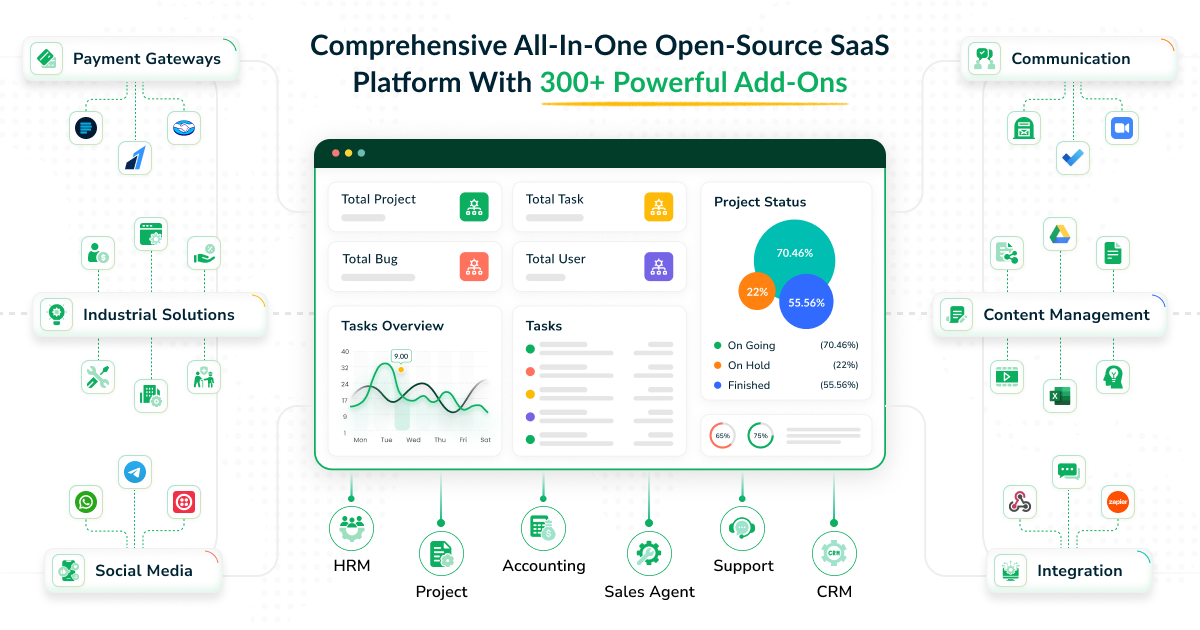
| Integrations link platform functions to external tools, services, or data sources. | These links can reduce repetitive tasks, although they may also create dependencies between providers. |
Creating Value for Multiple Platform Participants
Coordinating several groups, rather than delivering a single product, is often the source of a https://elkarte.org/2026/08/‘s value. A marketplace may bring buyers and sellers together, a learning environment may connect instructors and learners with course materials, and a collaboration service may place colleagues and shared files in a single workflow. Since participants have different reasons for using the same environment, platform design needs to balance their needs. Tools for search and filtering can help a buyer find offers, while publishing and inventory functions may be more important to a seller. The operator defines the platform’s technical and operational structure, including the ways participants enter, communicate, and exchange value. Many platforms differ from conventional software because they coordinate participants, while conventional software may primarily support one organization’s own tasks. A larger or more active community can make a platform more useful for other participants, which is how network effects may arise. Even if a platform grows, quality is not assured; relevance, reliable processes, and fair rules for participation determine whether interactions stay valuable.
What Goes on Behind a Platform Interface?
A coordinated sequence of technical services is typically involved whenever someone uses a platform. The interface sends a request, such as a page-opening request or form submission, to application software, which checks it and retrieves relevant information. Storage systems may retain documents, images, and other files, while databases hold structured records. Computing resources and networking can be provided by cloud infrastructure, so organizations need not keep every piece of hardware on site. The interface is the visible part, the application carries out functions, and infrastructure supplies the resources software needs to run, so these components are not interchangeable. The process of authentication checks an account’s identity; authorization controls the actions available to that account. They help account for common experiences, including different content for signed-in users, access-denied messages, and delays when a service is busy. The apparent simplicity of a platform often relies on careful coordination between these less visible layers.
Links between a platform and other services help determine its capabilities and how portable its information is. An API, short for application programming interface, lets software systems exchange specified requests and responses; a connector can automate a particular job, such as transferring a record between tools. Integration may save users from entering information more than once, but it also means that a change in one service can affect the connected workflow. Interoperability is a broader concept than any one integration. Interoperability asks whether different systems are able to exchange information and make meaningful use of it, often by using shared formats, standards, or compatible processes. Portability is about moving information or activity from one service to another, subject to technical and policy limits. Platform users can compare export options, support for common file formats, and the connections they consider essential. These considerations can help individuals and organizations alike when planning workflows for long-term use.
Assessing a Platform’s Practical Fit
To simplify the choice of a digital platform, start by identifying the task instead of browsing features. Shared editing and clear permissions may be important for a group project, whereas a small organization handling customer relationships may prioritize structured records and integration with its workflow. Consider the platform’s support throughout the workflow, from initial configuration through regular use and collaboration to eventual data export. Separate the platform’s essential functions from its optional additions, since an impressive feature set can create friction if the main process is confusing. Because Digital Platforms and Technology covers a wide field, evaluate options within the same category and consider practical fit instead of relying only on branding. The steps below can help turn that evaluation into a decision that works in practice.
- Identify the main task and everyone involved, then record which actions are frequent and which happen only occasionally.
- Trace the workflow from beginning to end, noting handoffs, duplicate data entry, approvals, and points where delays arise.
- Find out whether each required function is built into the platform, supplied by an integration, or available only through a separate product.
- Examine the available roles and sharing controls, confirming that collaboration does not require granting people excess access.
- Try out important ways information moves, such as searching, making updates, exporting data, and transferring records between linked services.
- To prepare for change, find out what dependencies exist, which data formats are available, and how much work a later workflow switch would require.