

 English


































































































































































































































































































































































































































































































































































































































































































































































































































































































































































































































































































































































































































































































































































































































































































Wash, Dry, Patch, Store: The Care Routine an Inflatable Game Manufacturer Would Want Followed

Care habits shape how long an inflatable lasts. Construction matters, but a well-built unit can still age quickly if it is stored wet or left dirty. The good news is that care is cheap and repeatable.
To an inflatable game manufacturer, the care sheet that ships with a unit is part of the design. It tells owners how the fabric, seams, and hardware were meant to be treated. Reading it once is worth more than most owners expect.
What Wears First on a Busy Unit
Wear is not spread evenly. The entry area takes the most traffic, and corners take the hardest pushes from guests.
Anchor points carry the strain of wind and tension, so they deserve a close look every time. Walls that guests lean on also rub against each other when a unit is folded.
Knowing where wear starts tells you where to look first. A quick check of these spots catches most trouble early.
Wash Soon, and Wash Gently
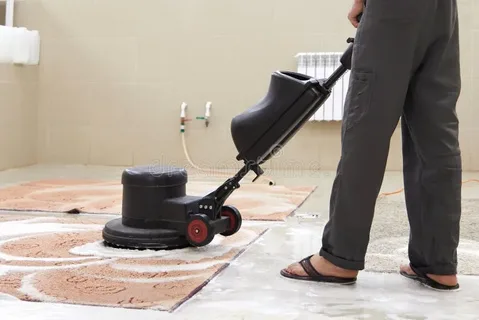
Dirt and grit can rub on the fabric each time a unit is folded and moved. Brush off loose debris first, then wash with mild soap, a soft brush, and clean water.
Check the manual before using any stronger cleaner. Some chemicals may harm the coating on the fabric, and the damage often shows up later as cracking or stickiness.
Dry Completely Before Folding
Moisture trapped in a folded unit invites mildew and odors. Seams, corners, and the underside hold water longest, so check those spots by hand.
Inflating the unit lets air move through it and speeds drying. Do this on a clean, dry surface, and turn or lift sections so no area stays damp. Long hours in direct sun can fade color, so shade is kinder.
Patch Small Problems Before They Spread
A small defect is cheap to fix and expensive to ignore. Air pressure and constant use put stress on every weak point. Walk the whole unit after each wash, with the blower running.
- Loose threads or gaps along a seam
- Pinholes, scuffs, or thin spots in the floor fabric
- Worn, stretched, or torn anchor loops
- A frayed or cracked blower tube
- Stiff, damaged, or missing closures and hardware
Minor scuffs and small holes may be repairable with the patch materials the maker recommends. A wrong adhesive can make a later repair harder.
Seam splits, large tears, and damage near anchor points deserve a different path. Contact the maker or a qualified repair shop before putting the unit back in service.
Look After the Blower Too
The fabric gets the attention, but the blower keeps the unit standing. Keep the intake clear of grass, lint, and hair. Inspect the cord and plug for cuts or bent prongs.
A blower that struggles can make a unit feel soft and sag. Many owners blame the fabric when the real issue is a clogged intake or a weak connection.
Store in a Dry, Quiet Corner
Storage is where most slow damage happens. A unit sitting on a damp concrete floor can soak up moisture through its bag. Pests may also chew on fabric left in the open.
- Keep bags off the floor on pallets or shelves.
- Choose a dry space with steady temperatures.
- Keep fuel, solvents, and paint away from stored units.
- Do not stack heavy items on top of folded units.
- Label each bag with the unit name and last clean date.
Rotate Units to Spread the Wear
Heavy use concentrates wear on a favorite unit. A rental business with several units can rotate bookings to share the load.
Rotation also gives each unit time to dry, rest, and be inspected between jobs. It is a free way to extend service life.
A Care Log That Takes Two Minutes
Care works best when it leaves a record. A short log shows which units were washed, dried, and patched, and when.
Over a season, the log reveals patterns. One unit may need patching on the same corner again and again. That points to a setup habit that can be fixed.
Write down the date, the unit, what was done, and who did it. Two minutes per unit adds up to years of extra service.
Knowing When to Retire a Unit
Even well-cared-for units reach the end of their useful life. The signs are usually easy to read once you look for them.
- Repairs keep reappearing in the same area.
- The fabric feels brittle, cracked, or sticky.
- Seams keep opening after being repaired.
- Color has faded so far that the unit looks worn out.
Retire a unit instead of patching it endlessly. Ask the maker whether a repair is sensible before spending more money.