

 English



























































































































































































































































































































































































































































































































































































































































































































































































































































































































































































































































































































































































































































































































































































































































































































































































































































Enhancing User Experience in Modern Web Applications: Browsers, Responsive Design, and Native-like Functionality

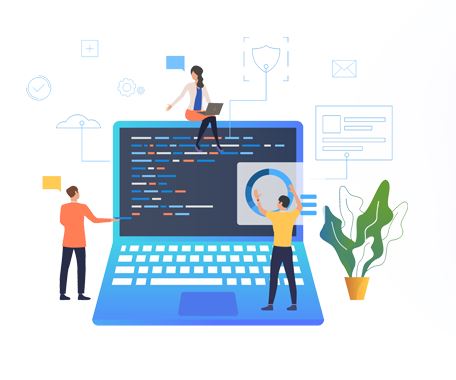
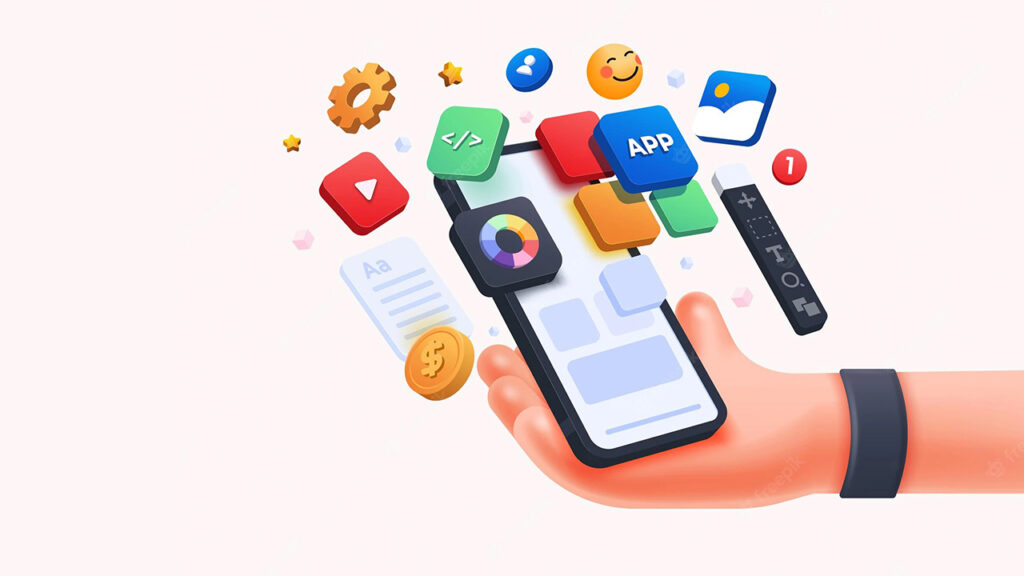
In recent years, the landscape of web application development has undergone a significant transformation driven by user expectations for seamless, fast, and accessible digital interactions. Traditional websites equipped with static pages are increasingly giving way to dynamic, app-like experiences that blur the line between native applications and web pages. This evolution is fueled by advances in browser technology, responsive design methodologies, and innovative solutions that deliver native-like functionality directly within web browsers.
The Shift Toward Native-like Web Experiences
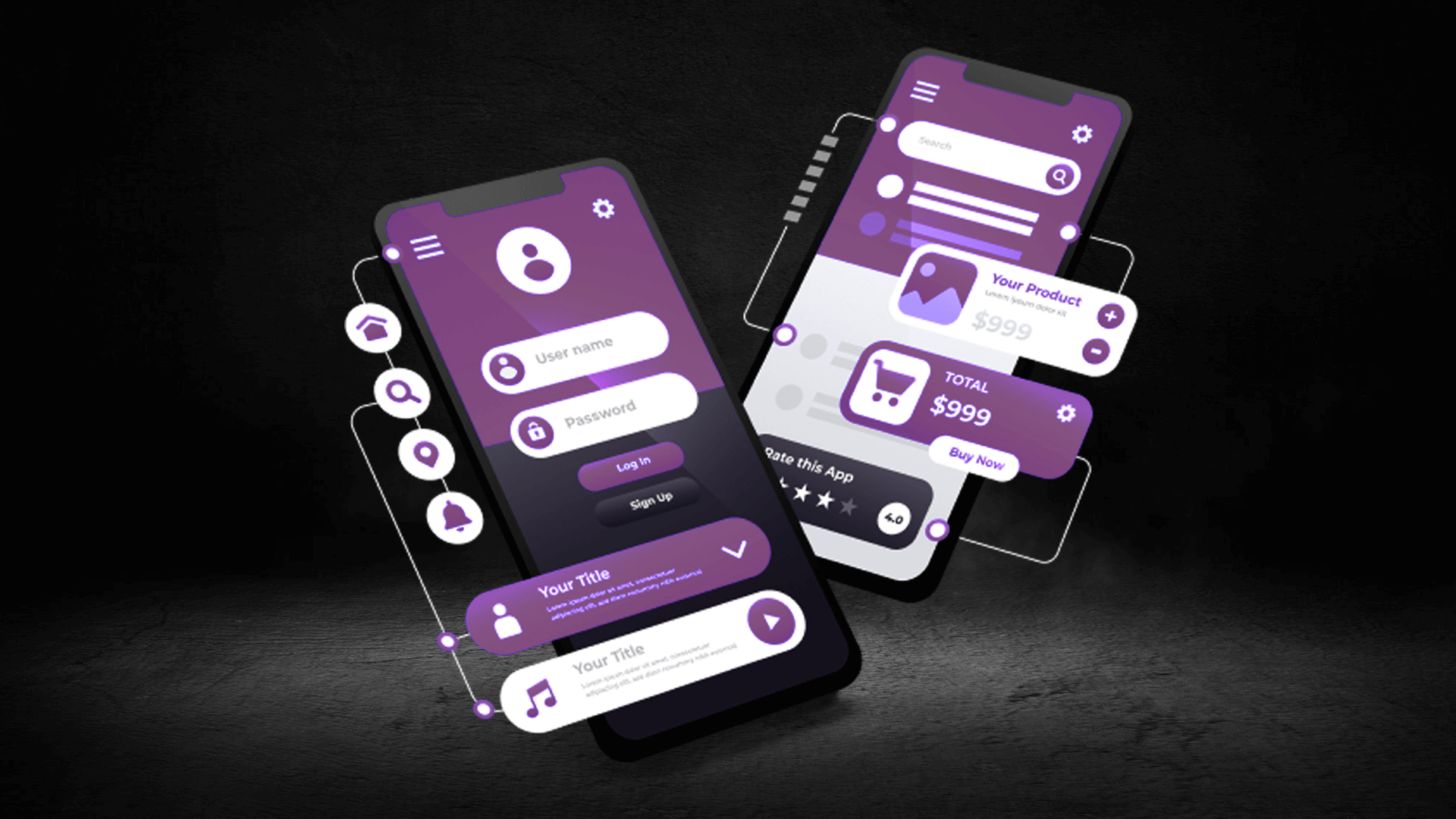
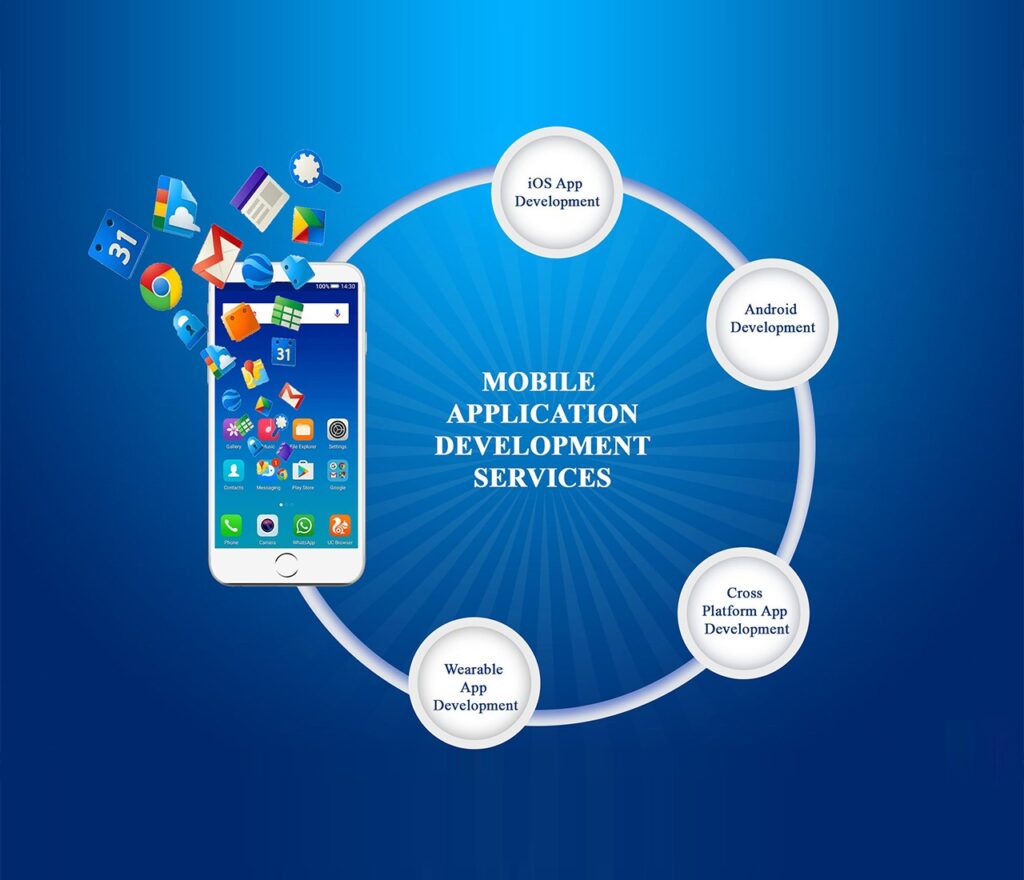
One of the central challenges in web development is providing users with a fluid and engaging experience regardless of the device they are using. Historically, mobile devices constrained web applications due to limited hardware capabilities and bandwidth considerations. However, modern browsers now support a plethora of APIs, enabling developers to craft rich, interactive interfaces that operate smoothly across various platforms. Progressive Web Apps (PWAs) exemplify this trend, offering features like offline access, push notifications, and home screen installation, thereby mimicking the behavior of native applications.
Responsive Design and Progressive Enhancement
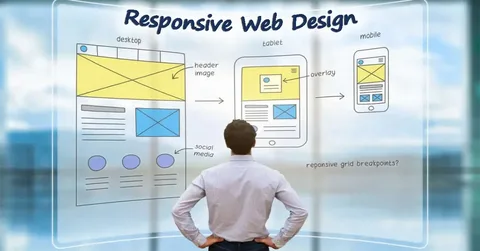
Ensuring that web content adapts gracefully to different screen sizes and input methods remains a cornerstone of modern development. Responsive design techniques, such as flexible grid layouts and media queries, allow websites to present optimized interfaces on smartphones, tablets, and desktops. Coupled with the principle of progressive enhancement, developers can build foundational pages that function reliably on all browsers while layering on advanced features for capable ones.
WebAssembly and Runtime Performance
The advent of WebAssembly has further propelled the capabilities of web applications by enabling near-native performance for complex computations, gaming engines, and multimedia processing. This technology allows resource-intensive code, traditionally confined to desktop applications, to run efficiently within browsers, expanding the scope of what web applications can achieve.
Embedding Native-Like Functionality Without Downloads
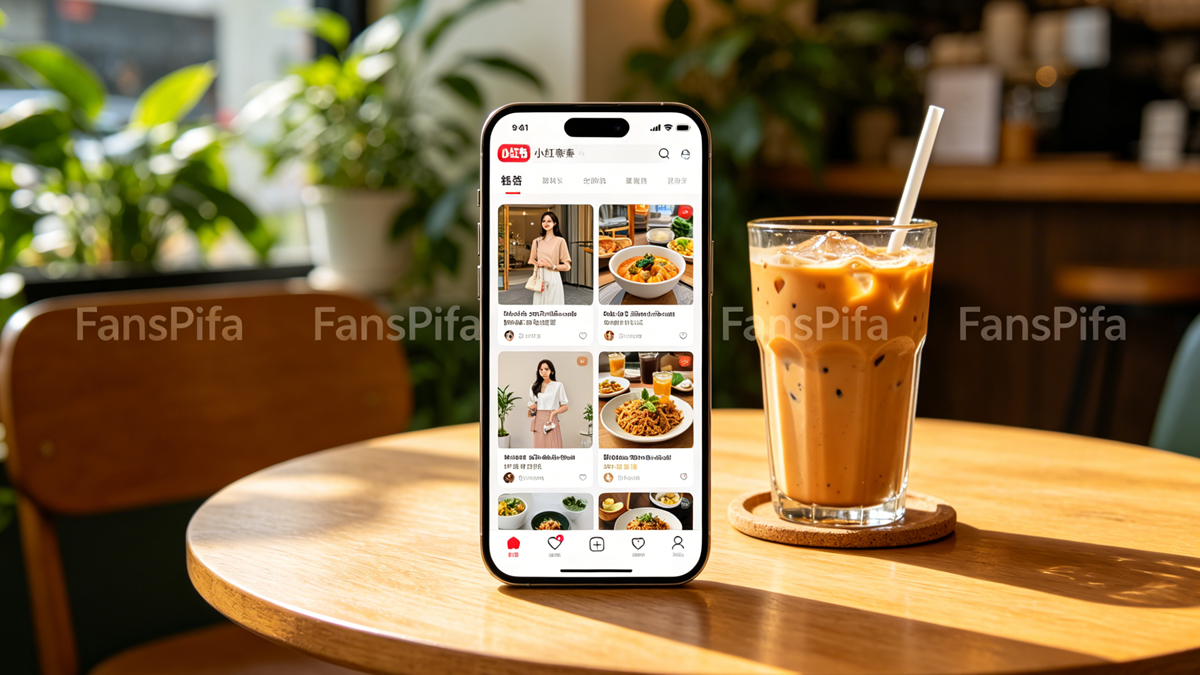
While these innovations have significantly improved mobile web experiences, some users and developers prefer solutions that offer the look and feel of native applications without requiring installation. Leveraging browser capabilities, developers seek methods to deliver app-like interactions directly within the browser environment. For instance, interactive tools, entertainment platforms, and productivity suites can be made accessible with minimal friction, avoiding the need for app store downloads.
In this context, a notable solution is to use web-based interfaces that emulate native app behaviors, often through features like service workers, custom UI frameworks, and device APIs supported by modern browsers. Achieving these levels of integration usually involves complex development processes, but the result is a more seamless user experience that combines accessibility with rich functionality.
Case Study: Web-Based Applications with App-Like Features
| Feature | Implementation Strategy |
|---|---|
| Offline Access | Leveraging service workers to cache essential resources and data. |
| Push Notifications | Using the Push API alongside service workers to engage users proactively. |
| Installation and Home Screen Access | Prompting users with the browser’s install banner or manifest files. |
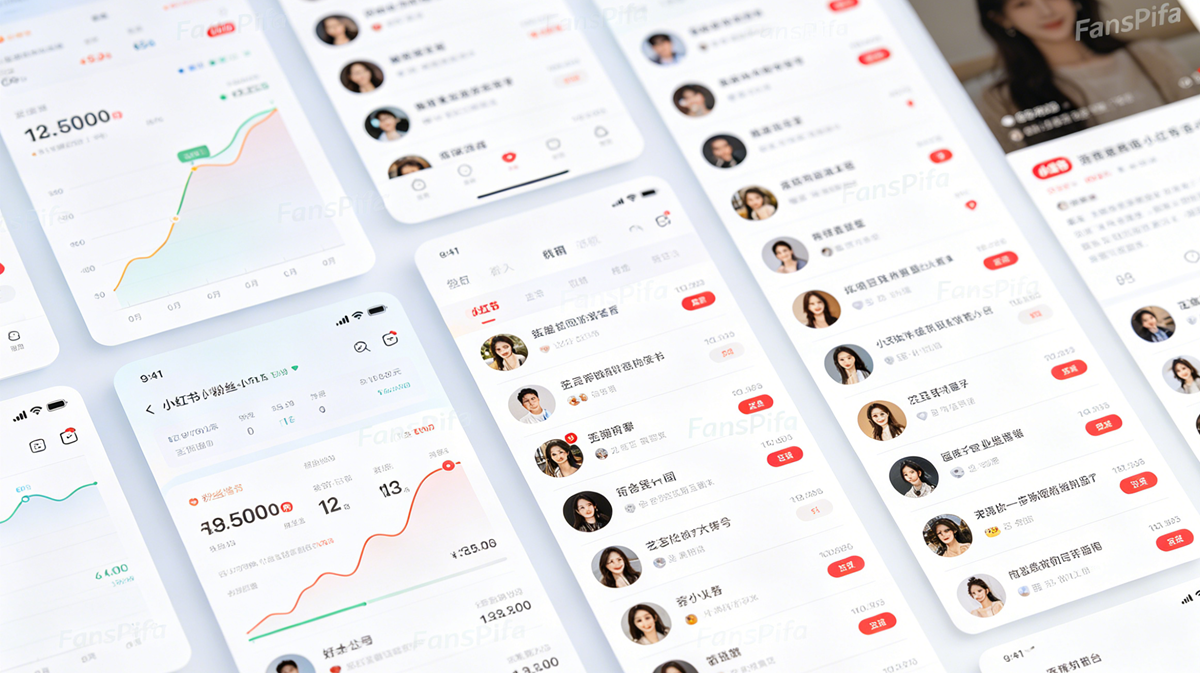
| Responsive and Mobile-Friendly UI | Applying flexible layouts, touch-optimized controls, and adaptive images. |
The Role of Browser Compatibility in Modern Web Applications
To fully realize these capabilities, browsers must support a wide array of APIs and features. Major browsers like Chrome, Firefox, Edge, and Safari continuously evolve, implementing standards that enable developers to produce consistent experiences across platforms. An emerging trend is the development of web applications that utilize modern APIs to deliver native-like performance and interactions, often without requiring users to download dedicated apps.
One particularly interesting example is the ability to run a web application in a manner indistinguishable from a native app, directly within the browser. This approach minimizes barriers to access and reduces storage demands on the user’s device.
Conclusion
Developers aiming to deliver high-quality, accessible, and engaging web applications must stay abreast of advances in browser technology, design principles, and performance optimization techniques. The ability to emulate native app functionality within the browser environment broadens the horizons for web-based solutions, offering users a versatile and fluid experience. An understanding of these technologies and their implementation strategies is crucial for crafting future-proof applications that resonate with contemporary user expectations.
For more insights into how these techniques are assembled into fully integrated solutions, consider exploring resources and platforms dedicated to web innovations. Interestingly, the the mobile version of Sloticorn runs in the browser without a separate download, exemplifying how modern web technologies can produce highly functional, app-like experiences rooted entirely in browser environments.