

 English













































































































































































































































































































































































































































































































































































































































































































































































































































































































































































































































































































































































































































































































































































































































































































































































































































Workforce Logistics in Agriculture: The Systems Behind Reliable Farm Labor

A farm can line up workers for the season and still struggle in the field. The problem often starts behind the scenes. Housing falls behind inspection dates, transportation runs late, payroll errors create frustration, and compliance paperwork pulls managers away from the work that keeps the operation moving.
That is why labor support needs more than recruitment. Strong operations depend on a system that keeps people, schedules, paperwork, and job site movement connected from the first arrival to the final week of the contract.
In workforce logistics agriculture, the hidden system often decides whether a season stays steady or slips into daily disruption.
Reliable Labor Starts Before the First Worker Arrives
Many seasonal labor problems do not begin in the field. They begin weeks earlier, when planning starts too late, or the operational side of hiring stays fragmented. A crew may be ready on paper, but the season feels pressure fast when transportation, onboarding, housing, and job site coordination do not move together.
A stronger approach starts early and treats labor as an operating system, not a last-minute fix. That includes timeline planning, worker placement, approved housing, site transportation, payroll setup, tax handling, and daily communication support. Farms, greenhouses, and nurseries need that structure because seasonal work leaves little room for delay.
What Workforce Logistics Means on a Working Farm
Workforce logistics agriculture covers the full chain that supports labor after recruitment begins. It connects the administrative side of the H 2A process with the daily reality of field work, loading schedules, greenhouse tasks, nursery routines, and management oversight.
This includes filing support, worker travel planning, housing coordination, inspection readiness, transportation to job sites, payroll processing, wage calculations, tax documentation, workers’ compensation coverage, and ongoing compliance management. When those parts work together, the crew can focus on the job instead of the confusion around it.
Why Disconnected Labor Support Creates Pressure Fast
A farm rarely feels one labor problem at a time. Small gaps stack up. A late housing approval can delay arrivals. A transportation issue can slow the workday before the first task begins. Payroll errors can damage trust with workers and create more questions for managers to answer.
And when managers step in to solve every issue themselves, oversight suffers. That shift usually leads to slower decisions, more bottlenecks, and less control over the season’s pace. Reliable labor depends on strong field performance, but it also depends on removing avoidable strain from management.
The Operational Pieces That Keep Labor Steady
A dependable labor partnership usually centers on a few core systems that support the season from start to finish:
- Housing Coordination: Approved housing, inspection readiness, upkeep, and short-term solutions when needed
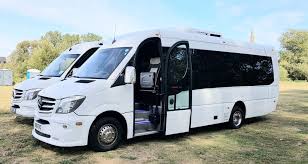
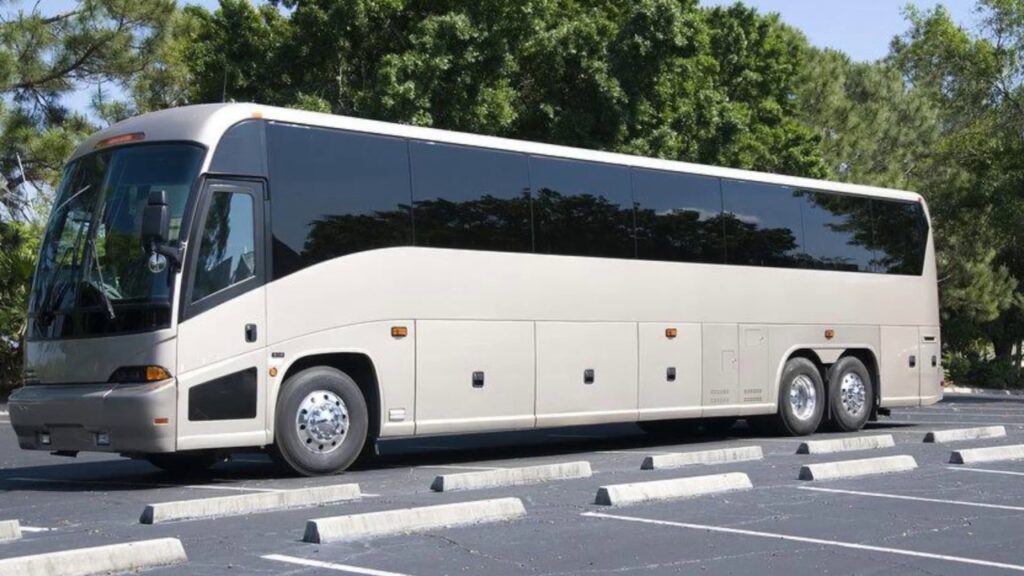
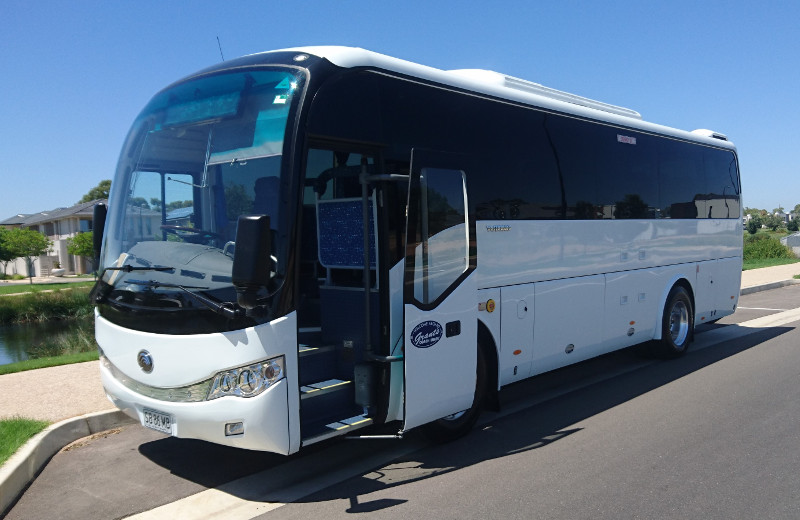
- Transportation Planning: Arrival logistics, daily transport to work sites, and return travel at contract end
- Payroll and Tax Support: Wage calculations, deductions, filings, and documentation that stay aligned with H 2A requirements
- Compliance Management: Petitions, labor rules, housing standards, records, and site-level requirements
- Worker Onboarding: Orientation, job introductions, communication support, and a smoother start for both workers and supervisors
- Returning Worker Continuity: Reapplication support that helps experienced workers come back and reduce training pressure the next season
Why Full Service Support Matters During Peak Season
Peak season exposes every weak point in a labor plan. A small delay in one area can affect pulling, packing, staging, loading, or harvest timing within days. That is why full service labor support gives farms a practical edge. It keeps the workforce organized while management stays focused on production, quality, and customer commitments.
This model also helps stabilize the worker experience. Workers perform better when housing is ready, transportation is consistent, pay stays accurate, and communication remains clear. Better structure often leads to better rhythm, and better rhythm usually leads to stronger execution across the season.
This Approach Fits Farms, Greenhouses, and Nurseries
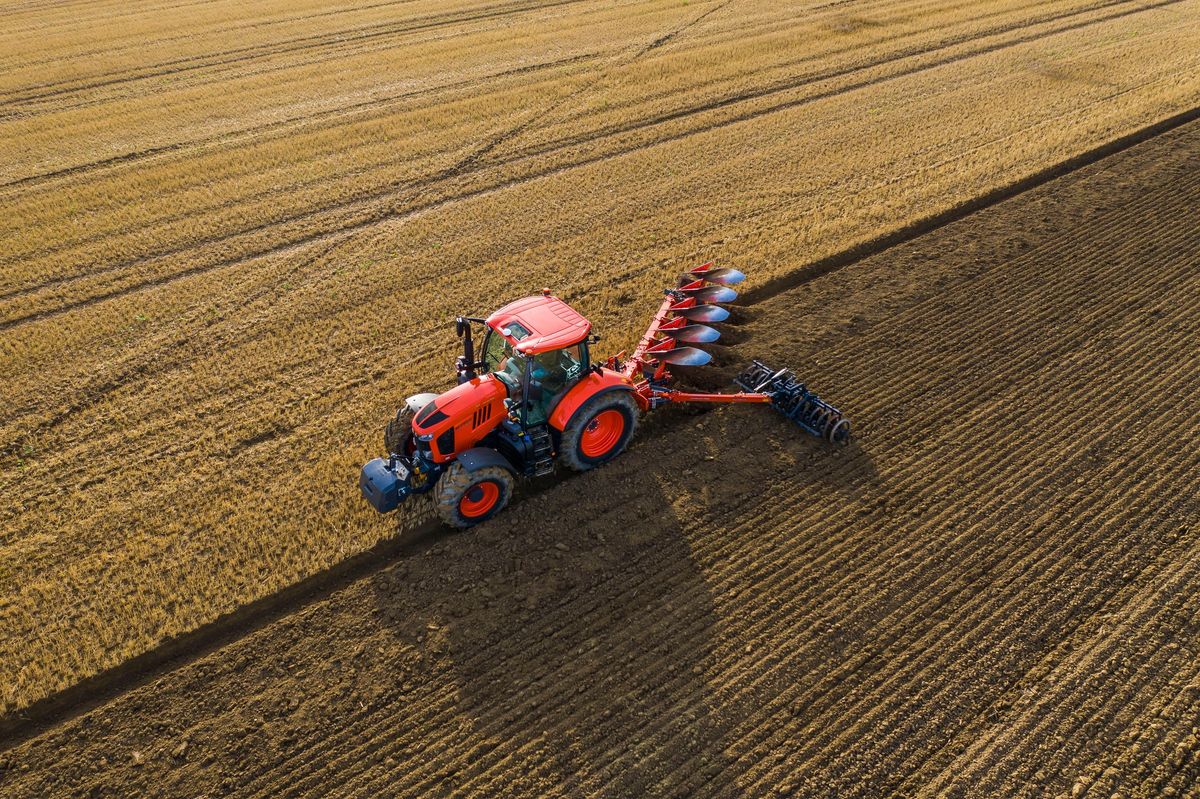
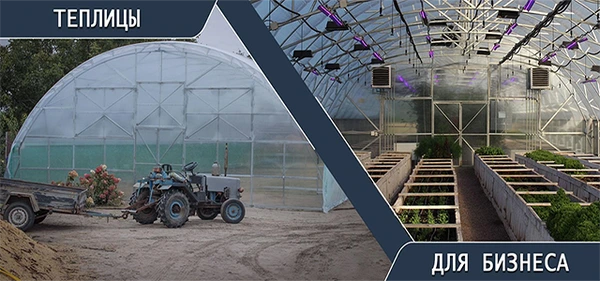
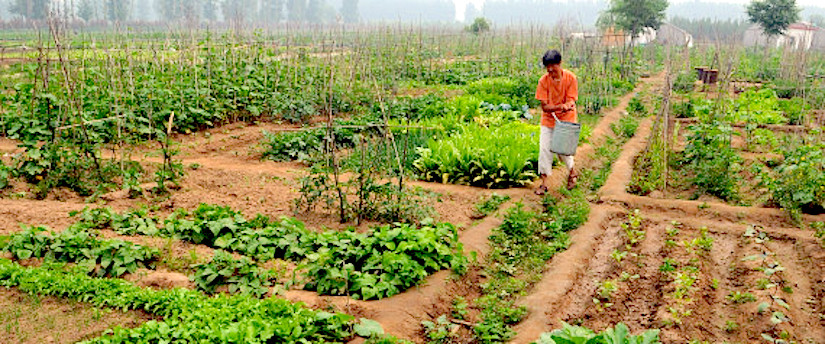
Different agricultural operations feel labor pressure in different ways. Farms may need dependable crews for planting, pruning, harvesting, and general field work. Greenhouses may need steadier daily labor to support repeated production cycles. Nurseries often feel strain in pulling, handling, loading, and shipping when labor gaps appear.
A structured labor system works because it supports the operation behind the work, not just the job title. That makes it more useful across multiple agricultural settings, especially where labor timing, housing, transportation, and compliance all affect day-to-day performance.
Clear Labor Systems Support Better Seasons
Agricultural employers do not just need workers. They need the system that keeps those workers productive, supported, and compliant from start to finish. That is the real value behind workforce logistics agriculture. It turns labor from a recurring problem into a more organized part of the operation.
For farms, greenhouses, and nurseries facing seasonal labor pressure, the right partnership can improve timing, reduce administrative strain, and support steadier performance across the season. A clear process behind the workforce often makes the difference between getting through the season and running it well.
Ending Note
For agricultural operations that need stronger labor planning, housing coordination, transportation support, payroll handling, and compliance management, a full-service H-2A labor partnership can help build a more reliable season from the ground up.