

 English






































































































































































































































































































































































































































































































































































































































































































































































































































































































































































































































































































































































































































































































































































































































































































































































































































































































































Why Farm Fuel Additives Are Modernizing Agriculture?


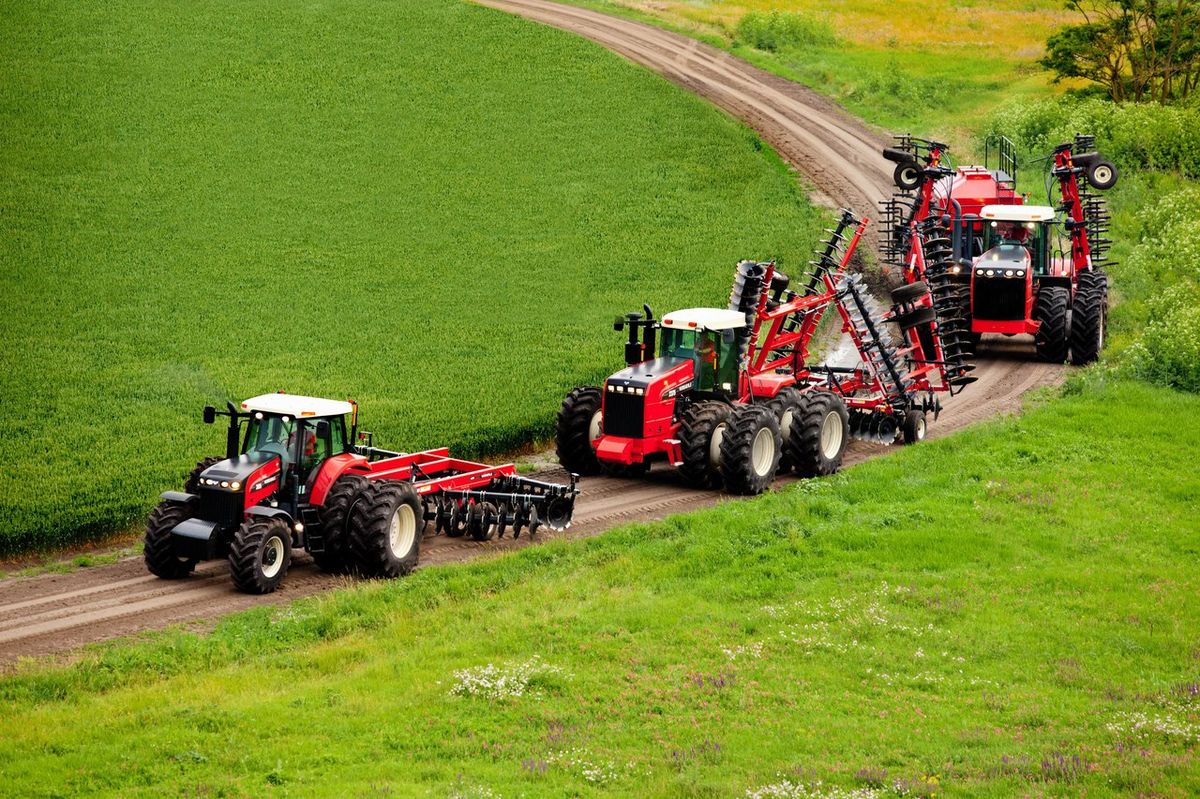
Agriculture in the United Kingdom is undergoing a massive transformation. Modern growers and livestock producers face a tough balancing act: keeping heavy equipment running smoothly, meeting environmental standards, and managing overhead costs in an unpredictable economic climate. While high-performance tractors and harvesters get most of the attention, the real workhorse quiet keeping farms running is the fuel that powers them.
Optimizing your supply chain starts with understanding the hidden science behind daily engine performance and bulk liquid storage.
The Hidden Science Inside Your Machinery’s Fuel Tank

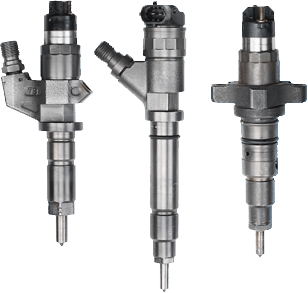
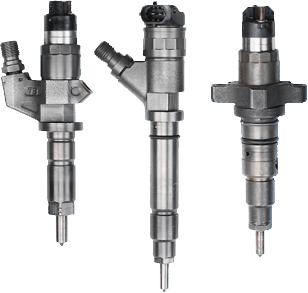
Heavy diesel machinery operates under grueling conditions. Dirt, moisture, and temperature fluctuations constantly threaten engine performance and fuel systems. Over time, standard agricultural diesel forms deposits in fuel injectors, leading to lost horsepower, rough idling, and poor fuel economy.
This is where specialized farm fuel additives step in as essential performance boosters. Modern treatments act as multi-functional cleaners and protectants. They flush out sticky deposits, lubricate high-pressure injection systems, and improve cetane ratings for cleaner combustion. By keeping fuel injectors spotless and ensuring smooth ignition, additives help your fleet run cleaner, burn less fuel, and deliver maximum torque when harvest deadlines loom.
Taming the Seasonal Challenges of Bulk Liquid Storage
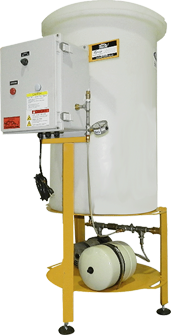
Managing fuel on a working farm isn’t just about what goes into the engine today—it’s about what sits in your static storage tanks for months. Bulk storage tanks are highly vulnerable to condensation, temperature swings, and organic contamination.
Water buildup in tanks creates the ideal breeding ground for the notorious “diesel bug”—microbial bacteria and fungi that feed on hydrocarbons. Once established, these microbes form a thick sludge that clogs filters and corrodes tank walls. Incorporating chemical stabilizers and biocide treatments into stored bulk fuel neutralizes water droplets, prevents microbial growth, and stops oxidation. This ensures that every liter pumped into your equipment remains clean, stable, and ready for work, even after long winter dormancy.
Navigating the Evolution of UK Farming Fuel Standards

Agri-businesses across the country operate within a rapidly shifting regulatory framework designed to lower carbon emissions. Reductions in traditional subsidies and changes to red diesel regulations mean land managers must rethink how they source and manage energy.
Understanding the future of UK farming fuel requires balancing day-to-day operational needs with long-term sustainability goals. Ultra-low sulfur diesels and modern bio-blends offer environmental benefits, but they are also more prone to moisture absorption and rapid degradation than older fuel formulations. Protecting modern machinery requires proactive maintenance strategies that counter these vulnerabilities, ensuring full compliance without sacrificing field efficiency or engine durability.
Exploring Alternative Drop-In Solutions Like HVO Fuel
As sustainability becomes a central priority, renewable off-road alternatives are rapidly gaining traction across British rural regions. Many producers are looking beyond traditional mineral oil to lower their direct carbon footprint without buying expensive new machinery fleets.
Hydrotreated Vegetable Oil, commonly known as HVO Fuel, represents a major leap forward in renewable energy. Made from certified waste fats and oils, HVO is a direct “drop-in” synthetic diesel alternative that reduces net carbon emissions by up to 90%. Because it requires no mechanical modifications to existing diesel engines, transitioning to synthetic alternatives offers an immediate path to cleaner operation. When paired with proper anti-oxidant additives, renewable fuels deliver clean burning, excellent cold-weather performance, and remarkable storage stability.
Unlocking Synergy Between Agricultural and Domestic Oil Needs

Many rural homesteads and agricultural businesses share identical logistical hurdles. The same infrastructure that feeds heavy machinery in the field often supplies the heating systems for farmhouses, grain dryers, and outbuildings.
Streamlining site energy management often comes down to choosing a dependable domestic fuel delivery partner. Establishing a single, synchronized delivery route for both tractor diesel and home heating oil cuts delivery costs, simplifies seasonal accounting, and prevents surprise run-outs during harsh weather. Adding specialized fuel conditioners to heating oil tanks helps prevent burner nozzle fouling, reduces carbon buildup, and improves boiler efficiency, saving significant heating costs over the cold winter months.
Building a Future-Proof Energy Strategy for Your Land
Thriving in modern agriculture requires a proactive approach to every input on the farm. Treating fuel as a critical asset rather than a simple commodity yields real, long-term dividends across your entire operation.
By combining high-grade farm fuel additives, cleaner renewable energy options, and smart bulk storage management, you protect expensive machinery from unexpected breakdowns, extend equipment lifespans, and lower operating costs. Investing in total fuel quality management keeps your equipment working harder, reduces downtime, and ensures your farm remains resilient and profitable for years to come.