

 English















































































































































































































































































































































































































































































































































































































































































































































































































































































































































































































































































































































































































































































































































































































































































































































































































































































How a Commercial Painter Schedules Work Around a Building That Keeps Running

Most commercial buildings cannot close for a repaint. Offices hold meetings, stores welcome customers and clinics see patients. The schedule often decides whether a painting project feels smooth or disruptive.
A commercial painter works from the building’s calendar first and the color list second. That means learning when people use each space, which areas stay open, and where noise and odors will cause trouble.
Learning the Rhythm of the Property
Every property has a pattern. Retail peaks on weekends and offices empty out after six. Schools go quiet in summer, and restaurants may close for one slow weekday.
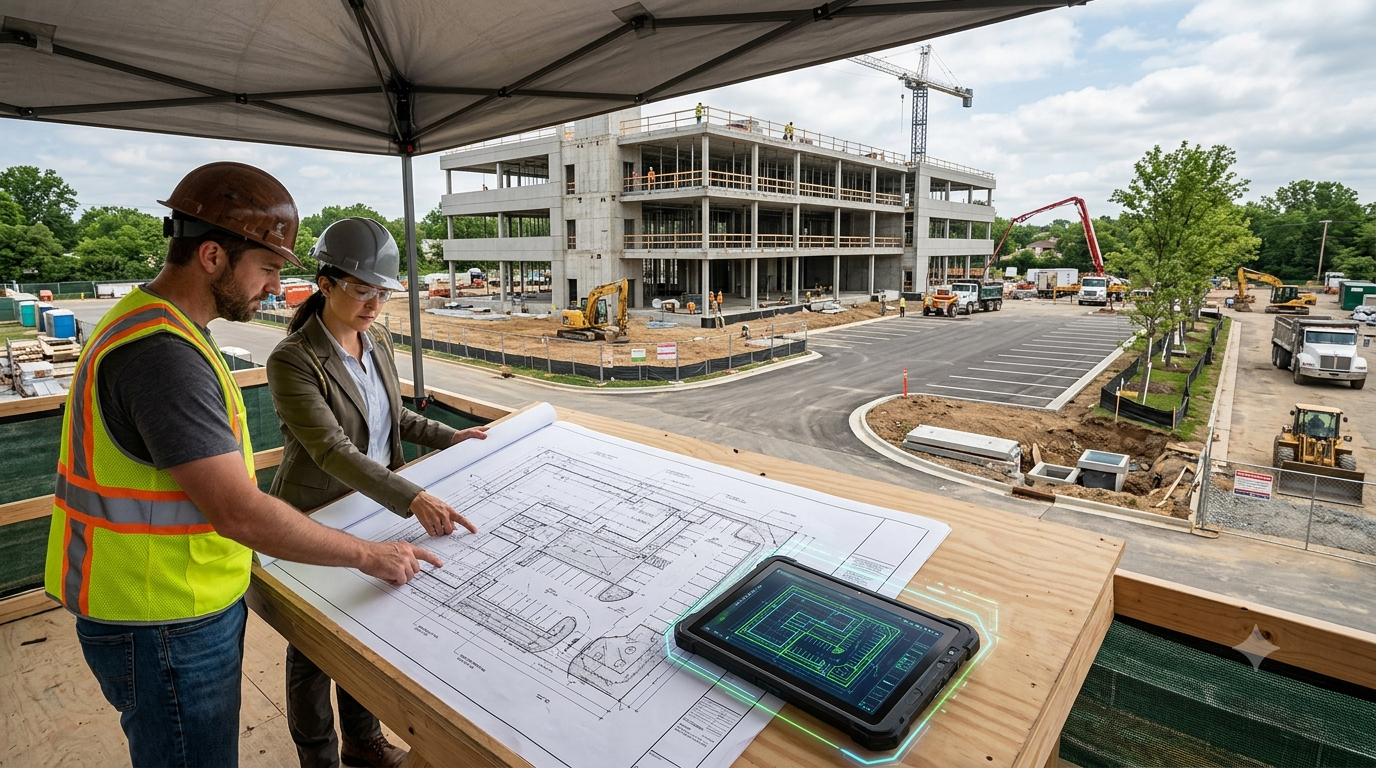
Walking the site with a facility manager reveals more than a floor plan does. It shows delivery times, cleaning crews, security rounds and quiet zones.
After-Hours Work: What It Solves and What It Changes
Night and weekend painting keeps daytime operations untouched. It also changes the job in several practical ways.
- Crews need building access and security arrangements outside normal hours.
- Wet paint needs time to dry before staff or customers return.
- Fumes must clear before morning, so ventilation planning matters.
- Overtime or shift premiums can affect the price, so ask how the bid treats them.
- Noise from lifts and sanders can disturb neighbors in mixed-use buildings.
Some owners mix approaches. Noisy prep happens at night, and quiet finish work happens during the day in closed-off zones.
Phasing: Painting One Piece at a Time
Phasing splits the building into zones that are painted one after another. A tenant floor, a hotel wing or a row of classrooms can each be a phase. Work moves forward as each zone returns to normal use.
Good phasing keeps people moving. It also keeps exits, entrances and accessible paths clear at all times. Those routes should be agreed with the building owner in writing.
A buffer between phases helps. If one zone needs a second coat or a touch-up, the delay does not push back the whole job.
Painting Beside People Who Are Working
Sometimes the job happens while people work a few feet away. In that setting, small details carry a lot of weight.
- Post wet-paint signs and barriers at doorways, handrails and counters.
- Send tenants or staff a notice with dates, areas and what to expect.
- Cover furniture, equipment and flooring, and keep dust away from computers.
- Ask the building manager how to protect alarm and sprinkler devices during prep and spraying.
- Keep one contact person on site who can answer questions quickly.
Sharing the Building With Other Trades
Painters are rarely alone in a building. Electricians, flooring crews and cleaners may share the same floors. Agree on who works where each day, so nobody paints over unfinished work or walks through wet paint.
Deliveries matter too. A loading dock blocked by lifts can stall a store or a kitchen. Share the painting map with the people who receive goods.
Sensitive Spaces Need Special Planning
Some areas carry extra constraints. Medical offices, labs, food areas and server rooms often have rules about dust, odors and access. Ask the people who manage these rooms what they need before work is scheduled.
Quiet-hour needs also appear in libraries, houses of worship and call centers. A short list of constraints by room prevents surprises.
Communication That Keeps Everyone Calm
Short, regular updates work better than one long notice. A weekly look-ahead can show which zones close, which reopen and what comes next. A brief check-in at the start of each shift catches small issues early.
Tell people what to expect, including smells and temporary detours. People tolerate disruption better when it is predictable.
Weather, Cure Time and a Cushion in the Calendar
Exterior work adds weather to the plan. Rain, wind and cold can stop a day’s work, and product labels list the temperatures each coating allows.
Interior coatings have dry times and recoat windows that the manufacturer states on the label. A schedule that ignores them risks tacky surfaces on opening morning.
Build spare days into the calendar. A planned cushion usually costs less than a rushed coat that must be redone.
Questions to Settle Before the First Brush Moves
- Which hours will crews work, and who controls building access?
- How will the building be divided into zones, and in what order?
- What happens if a zone is not ready to reopen on time?
- Who speaks with tenants, staff or customers about changes?
- How are dust, odors and wet surfaces handled each day?
A painting schedule is really a promise about disruption. The clearer the plan, the fewer surprises for everyone sharing the building.