

 English






































































































































































































































































































































































































































































































































































































































































































































































































































































































































































































































































































































































































































































































































































































































































































































































Landworksnowstore: Choosing Outdoor Work Gloves for Grip

Outdoor Work Gloves: How to Get Reliable Grip in Real Conditions
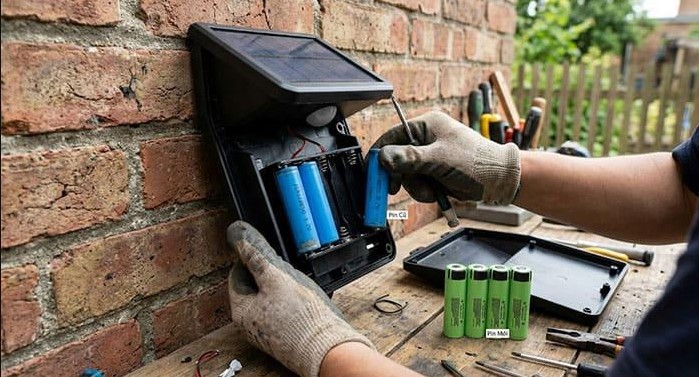
If you spend time outdoors—digging, hauling, pruning, building, or handling landscaping materials—the right gloves can change how safely and comfortably you work. Grip is the big difference between “I can do this job” and “my hands are slipping, blistering, or getting numb.” When you’re shopping online, it helps to focus on grip-related details rather than only looking at general glove categories. If you’re browsing Landworksnowstore site, use the sections below to interpret product descriptions and compare options with confidence.
Instead of treating gloves as one-size-fits-all, think about the surface you’ll grip (soil, wet leaves, rope, rough lumber, or tool handles) and the conditions (dry, damp, cold, or dusty). The goal is not just “more grip,” but grip that stays consistent without sacrificing dexterity. A glove that grips extremely well in one situation may feel clumsy in another, so matching materials and construction to your tasks matters.
Why grip depends on glove material, not just “non-slip” claims
Many glove listings use terms like “grip,” “tacky,” or “non-slip,” but grip performance is usually driven by the contact surface and the glove’s outer material. For hands-on outdoor work, look for designs that use textured coatings or durable palms rather than relying only on a smooth fabric exterior. Textures can improve friction against soil, damp materials, and tool handles, while a reinforced palm helps you maintain control when you press down or lift weight.
Also consider the glove’s base fabric. A glove with an abrasion-resistant outer layer on the palm and fingers generally lasts longer for repeated gripping, while breathable back panels can reduce sweat buildup during longer sessions. If you frequently switch between tasks—like hauling stones and then doing fine work—materials that keep a balance between traction and flexibility will feel more natural.
Textured palms and coatings: what to look for in product descriptions
When comparing gloves online, the most useful details are usually about the palm and fingers. Look for mentions of textured patterns, grip dots, or specialized coatings on the palm side. These features can increase friction when your hands contact rough or slightly wet surfaces. If the description emphasizes “tactile” or “touch-friendly” finger areas, that can be helpful for tasks requiring smaller grips—like tightening fasteners or handling tools with precision.
However, more texture isn’t always better. Very aggressive patterns can sometimes reduce comfort during long hours or make it harder to feel tool edges clearly. A good sign is when the glove is described as both grippy and flexible. If you can, compare how the glove is constructed at the fingertips: reinforced finger pads can improve durability, while a slimmer finger profile supports dexterity.
Fit and closure: the difference between secure grip and slipping gloves
Even the grippiest glove can fail if it doesn’t fit your hand. Outdoor work often involves gripping, twisting, and pulling, which can make gloves shift. Pay attention to size charts and how the glove is shaped for your hand. A glove that’s too large will allow movement inside the glove, reducing control and increasing blister risk. A glove that’s too tight may restrict circulation and reduce comfort during repetitive work.
Closure style also affects grip reliability. Elastic cuffs can help keep gloves in place during movement, while adjustable closures (such as straps or hook-and-loop) can improve stability for people with narrower wrists or those who wear gloves over long sleeves. If you plan to handle materials that can snag—like branches, rope fibers, or rough construction debris—staying snug at the wrist can reduce the chance of the glove sliding during the job.
Condition match: dry dirt, wet plants, and cold-weather handling
Grip needs change with the environment. In dry, dusty conditions, gloves with durable palms and textured surfaces can help you maintain control on gritty materials and rough tool handles. In damp conditions—wet grass, muddy soil, or recently washed equipment—you’ll want grip features that don’t become slick when moisture is present. Look for descriptions that imply water resistance or secure traction under wet conditions, and consider whether the glove material is designed to dry without becoming stiff.
Cold weather adds another layer. Insulating gloves can be beneficial for extended outdoor sessions, but extra bulk may reduce finger feel. If you need both warmth and control, prioritize gloves that insulate without overly thickening the palm and fingers. For tasks like pruning or handling small fasteners, a thinner insulated glove or a glove designed for dexterity can be more effective than a fully bulky option.
Common frustrations to avoid when shopping for outdoor work gloves
Many shoppers focus on glove appearance and forget the details that affect day-to-day performance. One common issue is slickness after use: gloves may grip well at first but lose traction as the palm surface wears down or fills with debris. Reinforced, abrasion-resistant palms generally help you keep grip longer. Another frustration is reduced dexterity—some gloves feel secure but make it hard to pinch, tie, or operate tools comfortably.
Also watch for comfort problems that affect grip indirectly. If a glove seam rubs or the finger length is wrong, you’ll unconsciously tighten your grip, which increases fatigue and can lead to blisters. Finally, consider the glove’s intended use frequency. If you do heavy, repeated gripping (like moving stones or hauling logs), durability features matter as much as initial traction.
- Check the palm and finger construction: textured grip surfaces and reinforced areas usually improve control.
- Use size charts carefully: secure fit reduces glove shifting and improves consistent grip.
- Match conditions: dry traction, wet traction, and cold dexterity require different design priorities.
- Think about comfort: seams, finger length, and cuff stability affect how hard you grip.
By evaluating gloves through these grip-focused lenses—materials, texture, fit, and condition—you can narrow down options quickly and avoid the “looks right, feels wrong” experience. When you’re ready to browse, compare product descriptions for the features above rather than relying on vague terms, and you’ll be better positioned to find gloves that hold up to the work you actually do outdoors.