

 English































































































































































































































































































































































































































































































































































































































































































































































































































































































































































































































































































































































































































































































































































































































































































































How to Care for Chomchomshop Home Textiles

Keeping Your Chomchomshop Home Textiles Looking Fresh
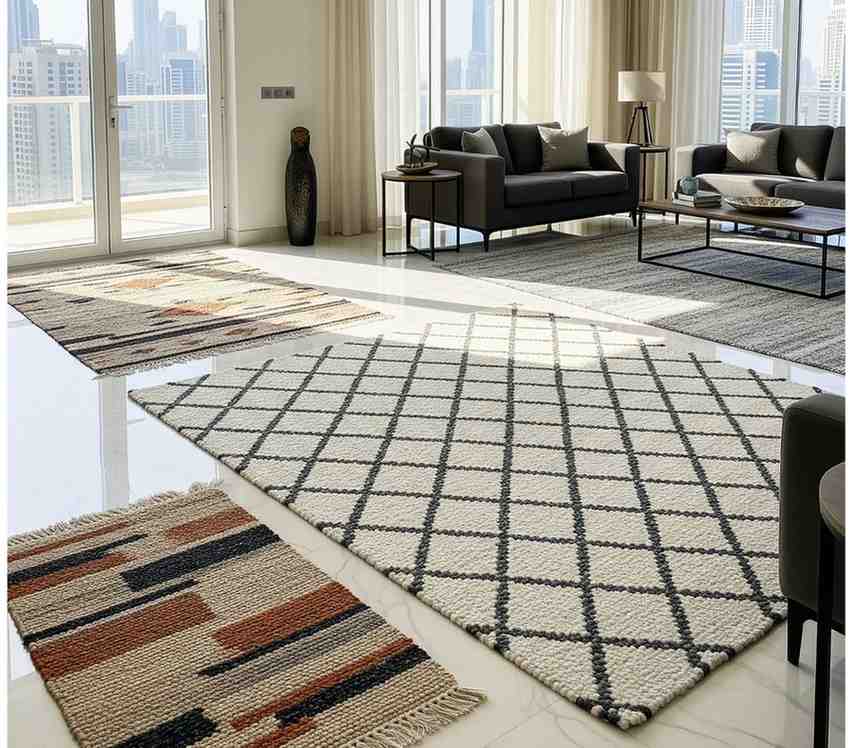
Home textiles take daily wear—laundry cycles, sunlight, cooking humidity, pet hair, and everyday spills. Instead of treating each item as a “wash and hope” situation, a little care knowledge helps fabrics stay softer, colors stay truer, and shapes hold up longer. If you shop for blankets, curtains, bed linens, or decorative textiles through Chomchomshop, the most practical approach is to match care to the fabric, not just the item name.
For a convenient place to browse textile options, you can start with https://chomchomshop.com, then focus on the care details that matter once the item arrives. Below are the specific care factors that most often determine whether textiles stay comfortable and presentable over time.
Read fabric cues first: cotton, linen, blends, and synthetics
Most textile care issues come from using the wrong method for the fiber. Cotton is generally forgiving, but it can shrink if washed too hot. Linen is breathable and durable, yet it wrinkles easily and may need gentler handling to prevent excessive abrasion. Polyester and other synthetics tend to resist wrinkles and drying time, but they can hold onto odors if not washed thoroughly or if detergent is mismeasured. Blends (like cotton-poly) usually fall in the middle, so follow the most delicate fiber’s guidance when there’s a choice.
When you don’t have a label, look for clues: natural fibers often feel slightly textured and absorb water quickly; synthetics feel smoother and may “bead” water. These cues can help you decide whether a normal wash is enough or whether you should use a cooler cycle and a lower spin setting.
Washing habits that prevent fading, pilling, and warping
Color loss and fabric wear are strongly affected by how you wash. Start with sorting: wash darker items separately from light ones, and keep heavily soiled pieces apart from lightly used textiles. Use cold or warm water when possible, especially for items like bed sheets and throw blankets that you wash frequently—lower temperatures reduce dye fading and help preserve softness.
Pilling is another common frustration, particularly on fleece-like throws and some knitted fabrics. To reduce it, turn textiles inside out before washing and avoid overloading the machine. Agitation matters: a gentler cycle can mean less surface friction, which helps prevent tiny fuzz balls from forming. If you notice shrinking or distortion, check whether you’re using a high spin setting or drying on high heat—both can pull fibers out of shape, especially for cotton and woven fabrics.
Detergent choice also plays a role. Using too much detergent can leave residue that makes fabric feel rough and can trap odors. Too little may not remove oils or environmental grime, which contributes to dullness over time. If you live in hard-water areas, consider whether you need an adjusted detergent amount or an occasional rinse step for fresh feel.
Drying and ironing: match heat to the fiber
Drying is where many textiles are accidentally damaged. High heat can cause shrinkage, weaken fibers over time, and intensify fading—especially for darker or saturated colors. For most everyday home textiles, air drying or low-heat tumble drying is the safer route. If you use a dryer, remove items promptly to minimize wrinkles and reduce the need for aggressive ironing.
Wrinkle-prone fabrics like linen may benefit from slightly damp finishing—press or smooth while the fabric still has some moisture. For cotton, you can often reduce ironing by using a medium heat and removing items when they’re just barely dry. For synthetics, low heat is usually enough, and ironing should be done carefully to avoid shine or surface texture changes.
If an item is decorative—like textured cushion covers or accent throws—avoid rough handling during drying. Gentle care helps maintain the intended look, whether it’s a crisp weave, a soft drape, or a visible pattern.
Stain removal that won’t set the problem
Stains behave differently depending on what caused them. Food and beverage stains often respond well to prompt blotting and a pre-treatment suited to the fabric type. Grease-based stains are trickier: they can spread if you rub, and they may set if dried before treatment. The key is to treat before heat exposure whenever possible.
Start with blotting (not scrubbing) using a clean cloth or paper towel. Then apply a suitable pre-treatment based on the stain category—enzymatic products are often effective for organic stains, while specialized degreasers may be needed for oily marks. Always test any treatment on an inconspicuous area first, especially for dyed or patterned textiles, because some methods can lighten or alter the fabric surface.
After pre-treatment, wash according to the care label. Avoid drying until the stain is fully gone. If it’s still visible, repeat the treatment and wash again—drying too early is one of the most common reasons stains become permanent.
Storage and rotation to reduce odors, dust, and fabric fatigue
Even when textiles are clean, storage conditions matter. For seasonal items like extra blankets or holiday table runners, store them in a breathable way—think cotton storage bags or loosely covered bins rather than sealed plastic that can trap moisture. Before storing, make sure textiles are completely dry to prevent musty odors and mildew risk.
Dust and friction also affect longevity. Fold along natural creases to reduce stress points, and avoid over-compressing thick blankets for long periods. Rotating frequently used items—like bed linens or throw blankets—helps them wear more evenly and keeps the fabric from developing a “favorite spot” that thins faster.
If you’re dealing with lingering smells from everyday life—cooking, smoke, pets—don’t rely on freshening sprays alone. A proper wash cycle with the right detergent amount is usually the most reliable fix, followed by gentle drying. For items that are delicate or have decorative details, follow their care instructions closely to avoid damaging trims or special finishes.
- Match wash temperature and cycle to the fiber: cooler water and gentler cycles help preserve color and texture.
- Reduce pilling by turning items inside out and avoiding machine overload.
- Use low or air drying when possible to prevent shrinkage and fading.
- Treat stains promptly and avoid heat drying until the stain is fully removed.
- Store clean, fully dry textiles in breathable conditions and rotate regularly for even wear.