

 English















































































































































































































































































































































































































































































































































































































































































































































































































































































































































































































What Makes Pakistan Kidswear Different From Western Styles?

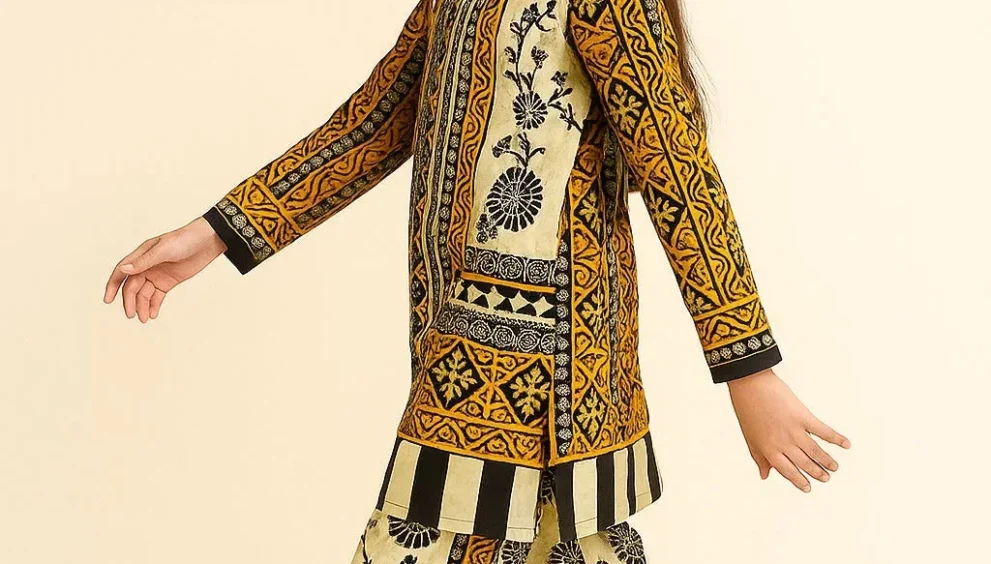
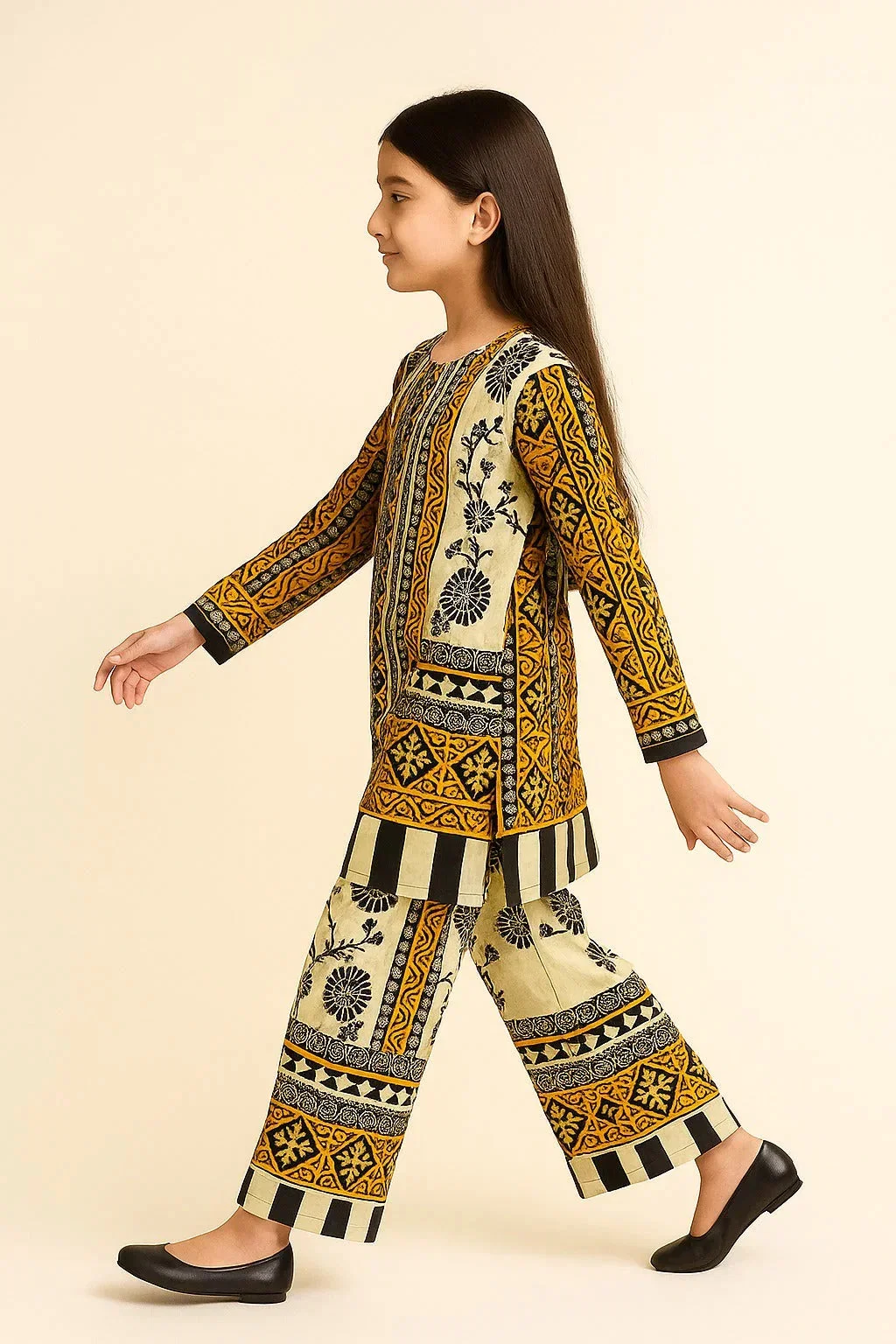
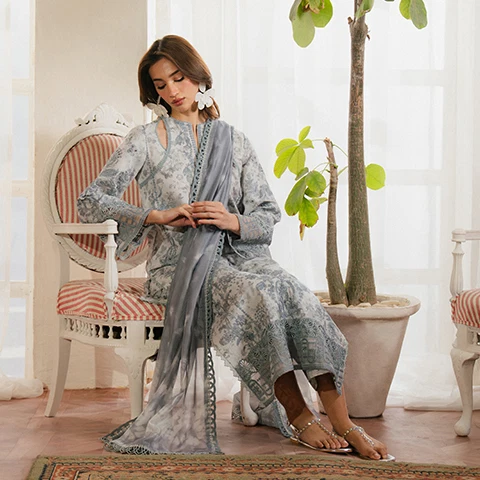
Pakistan kidswear reflects a distinctive mix of cultural traditions, regional clothing practices, seasonal needs, and modern fashion trends. Compared with many Western styles, Pakistani children’s clothing often gives greater importance to traditional designs, modest cuts, vibrant colours, embroidery, and fabrics suited to local weather. Shalwar kameez, kurta sets, frocks, waistcoats, and festive outfits remain common choices, while jeans, T-shirts, dresses, and casual separates are also widely available. This combination creates a diverse kidswear market where comfort and contemporary fashion can exist alongside cultural identity. Understanding these differences helps explain why Pakistani children’s clothing has a character that stands apart from typical Western fashion.
Cultural Influence on Pakistan Kidswear
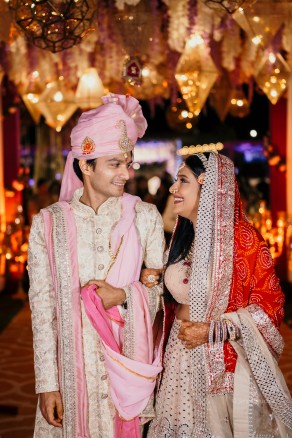
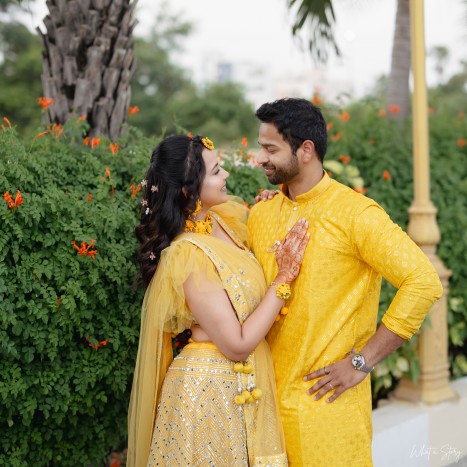
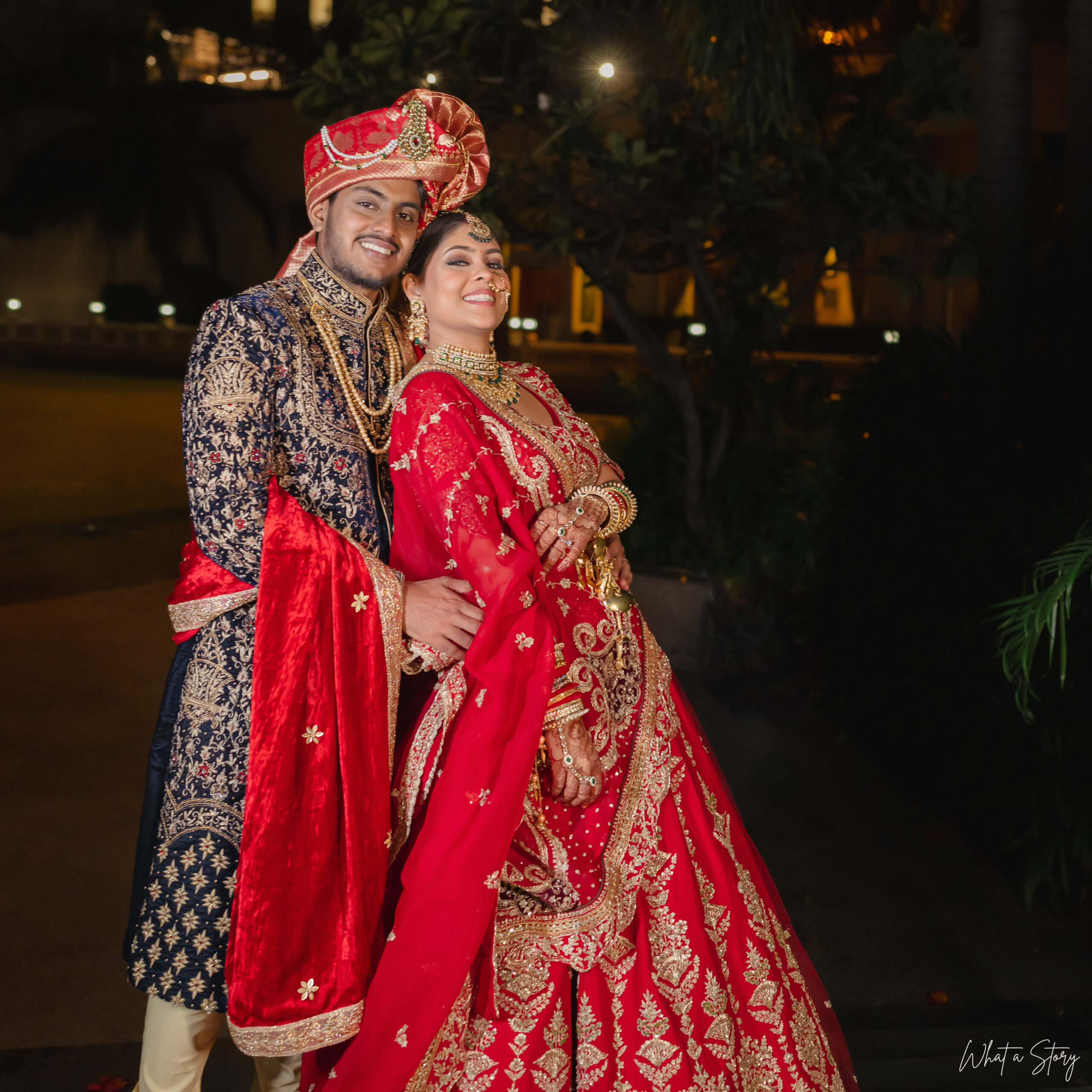
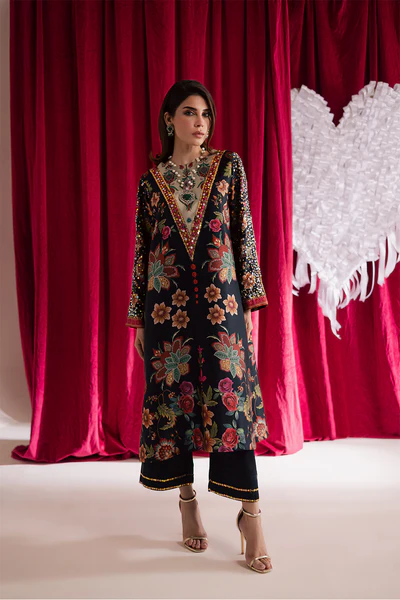
Culture has a strong influence on Pakistan kidswear, particularly for family gatherings, religious occasions, weddings, and national celebrations. Traditional clothing often features familiar silhouettes such as shalwar kameez, kurta pajama, embroidered frocks, and waistcoat combinations. Designs may include decorative buttons, lace, embroidery, printed patterns, or traditional motifs. Western children’s fashion tends to focus more heavily on casual separates and simplified designs, while Pakistani clothing often carries a stronger connection to family traditions and cultural occasions.
Traditional Clothing Remains Popular
Traditional outfits continue to hold an important position in Pakistani children’s wardrobes. Boys may wear kurta pajama or shalwar kameez, while girls may wear embroidered dresses, frocks, shalwar kameez, or coordinated traditional sets. These styles are especially noticeable during Eid, weddings, school cultural events, and other celebrations. Western kidswear also includes cultural and formal outfits, but everyday fashion generally places greater emphasis on T-shirts, shirts, trousers, jeans, skirts, leggings, and casual dresses.
Colours and Decorative Details
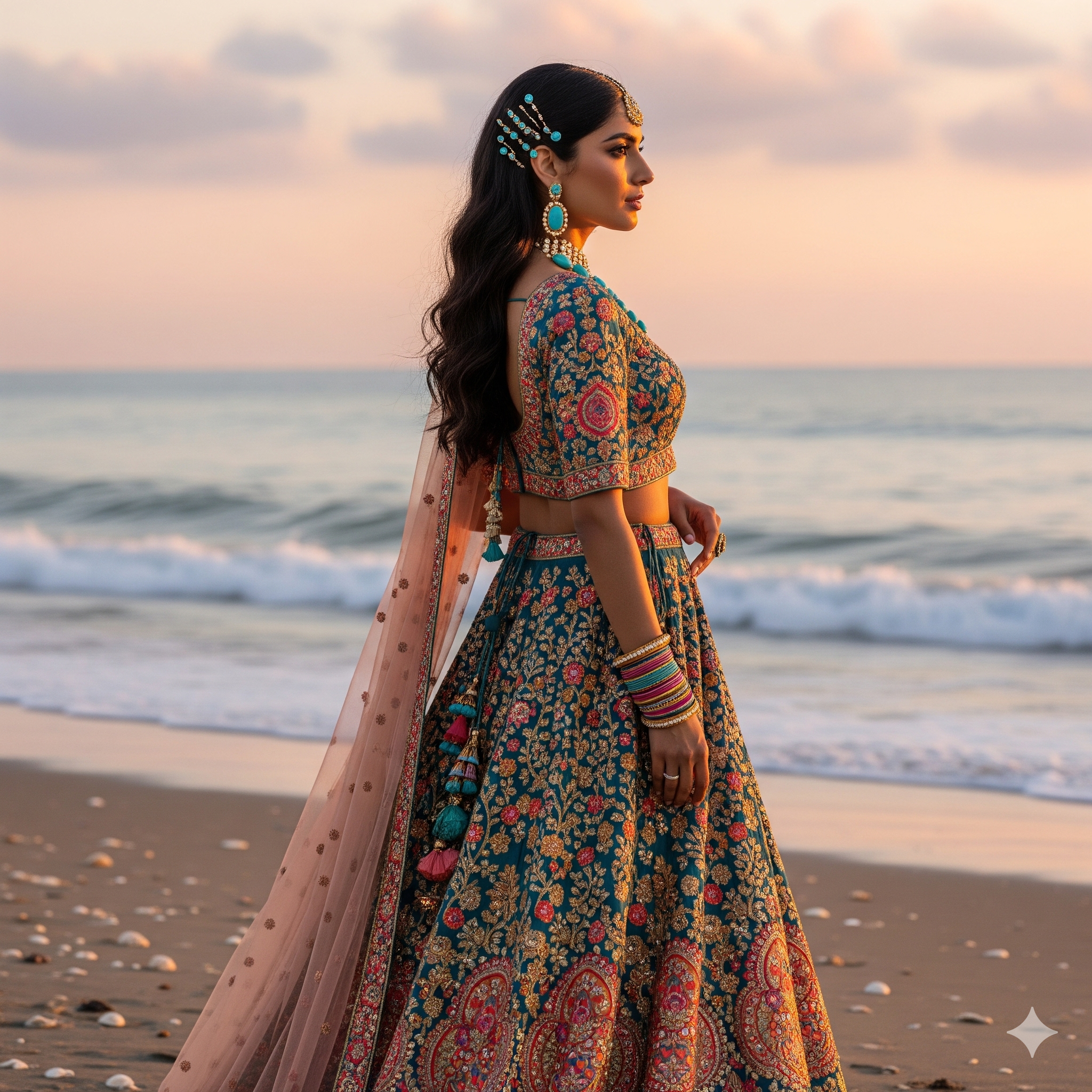
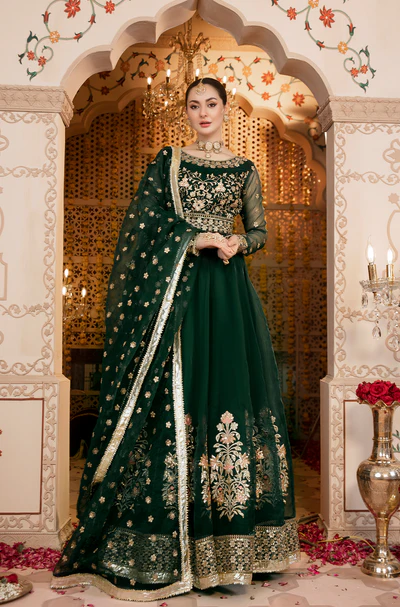
Colour selection is another noticeable difference between Pakistani and Western children’s fashion. Pakistan kidswear frequently includes bright shades such as red, green, pink, orange, yellow, royal blue, and turquoise. Decorative details can include embroidery, sequins, lace, beads, printed patterns, and contrasting trims. Western styles often feature a broader balance of neutral, pastel, and muted shades, although colourful designs are also common. Pakistani festive clothing tends to use stronger visual details because celebrations often call for more decorative and expressive outfits.
Fabric Choices Suit the Local Climate
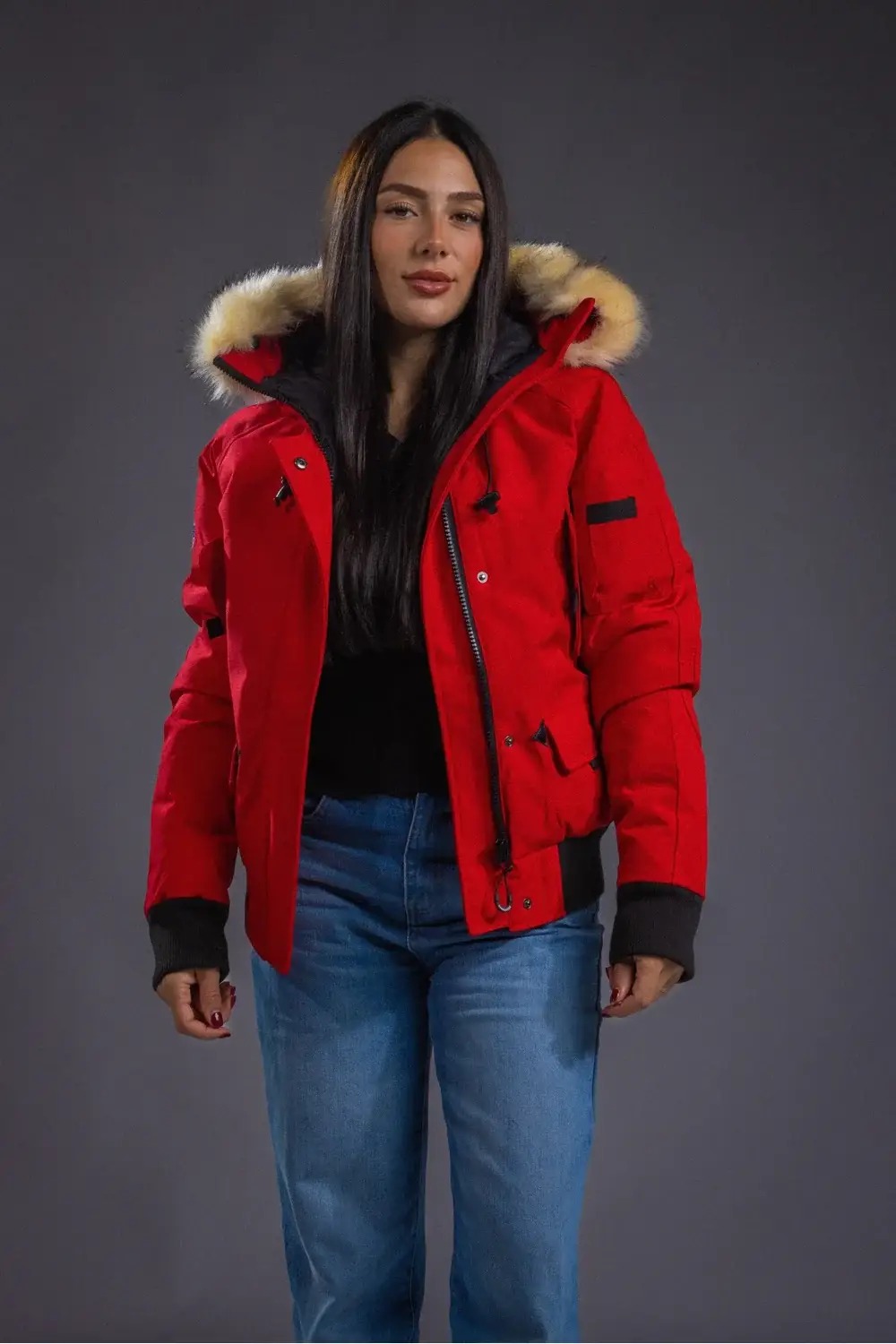
Climate plays an important role in children’s clothing. Pakistan experiences hot summers in many regions, while winter temperatures can become quite low in northern areas. Cotton is therefore a popular choice for warm weather because of its lightweight and breathable nature. Lawn, cotton blends, and other lightweight fabrics are frequently used for summer clothing. Winter collections may include wool blends, fleece, denim, knitted fabrics, and layered garments. Western kidswear also adapts to climate, but fabric preferences can differ because of regional weather conditions and seasonal fashion practices.
Modesty and Coverage Matter
Modesty is an important consideration in many Pakistani families, especially for traditional and formal clothing. Garments may feature longer tops, full-length trousers, sleeves, higher necklines, or more coverage compared with certain Western fashion trends. Girls’ formal outfits may include matching trousers, dupattas, or longer frocks, while boys’ traditional clothing often provides full coverage through kurta and shalwar or pajama combinations. Western fashion includes modest clothing as well, but the overall market contains a wider range of shorter and more fitted silhouettes.
Festive Clothing Has a Special Role
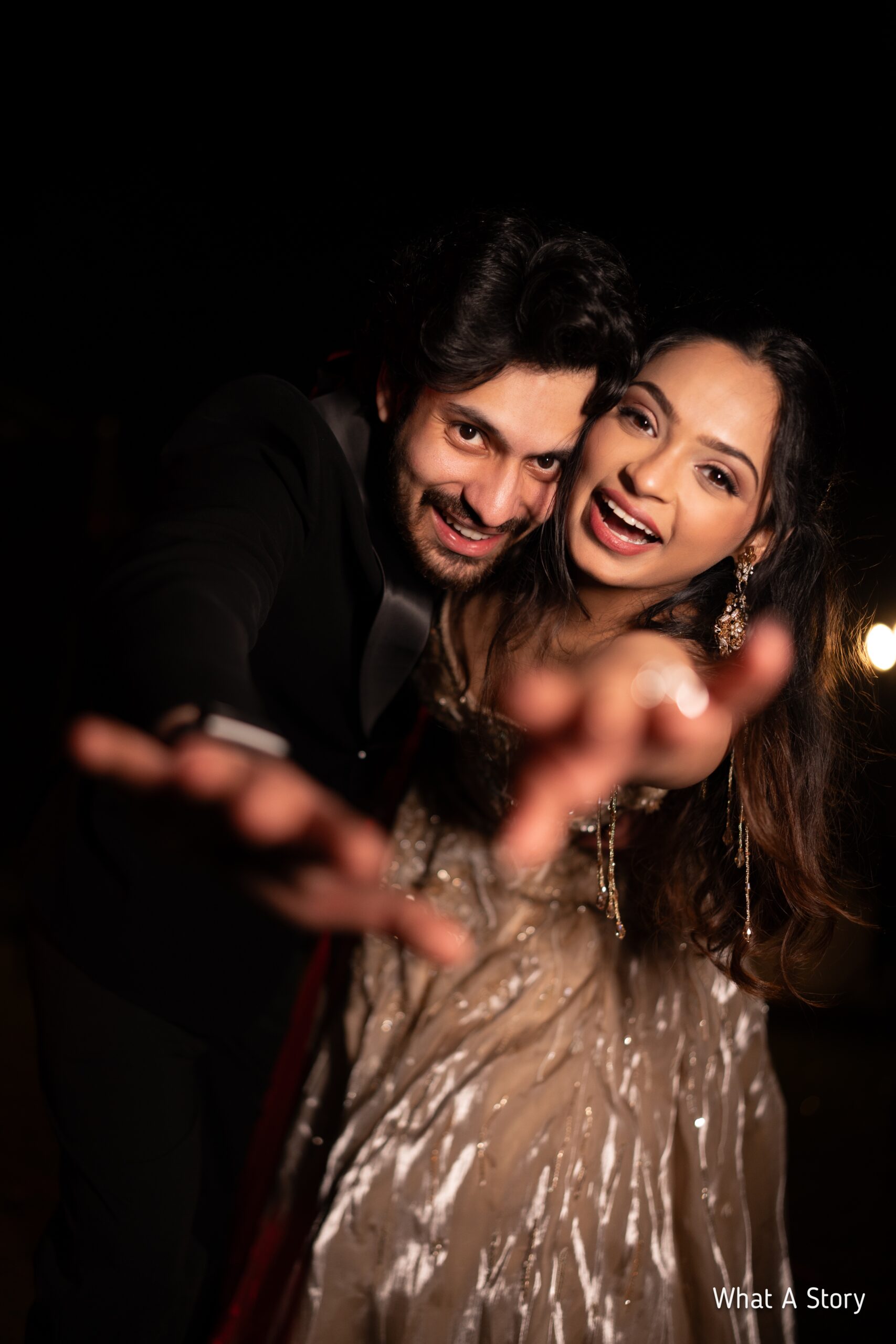
Children’s festive clothing is one of the clearest areas where Pakistan kidswear differs from everyday Western styles. Eid and wedding seasons often bring detailed collections designed specifically for special occasions. Girls’ outfits may feature embroidery, embellishment, layered skirts, or decorative borders, while boys’ outfits may include embroidered kurtas, waistcoats, or coordinated sets. Western children’s formalwear can include suits, party dresses, shirts, and smart separates, but Pakistani festive clothing often combines formal dressing with traditional cultural elements.
Everyday Fashion Is Becoming More Modern
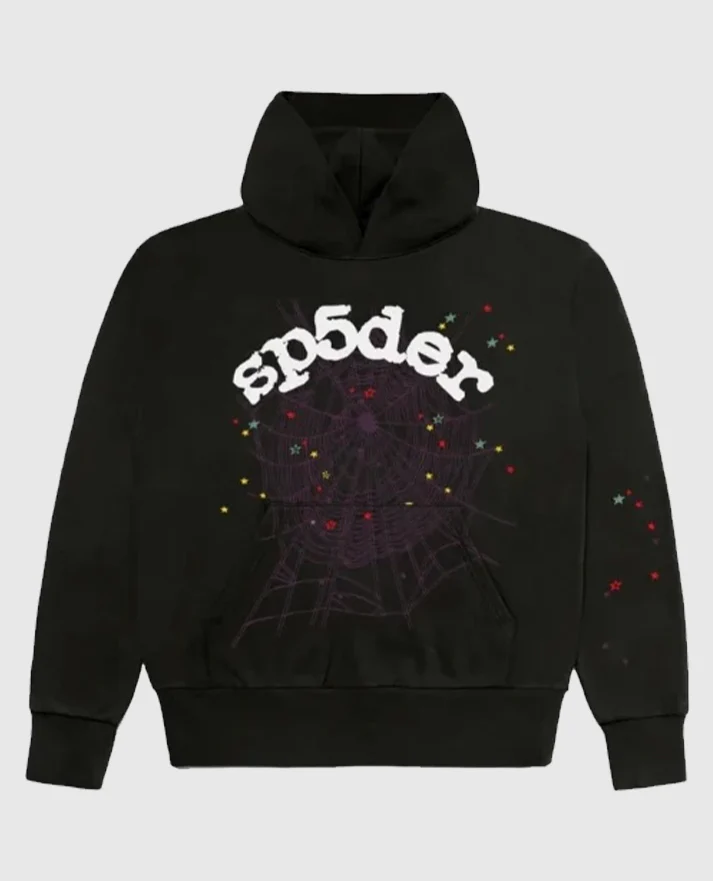
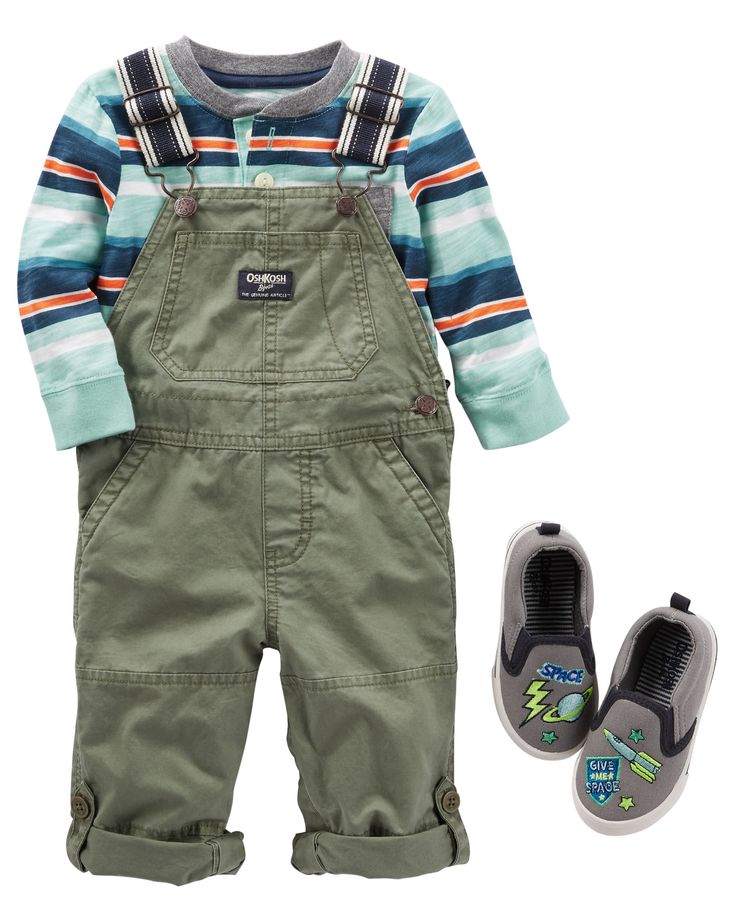
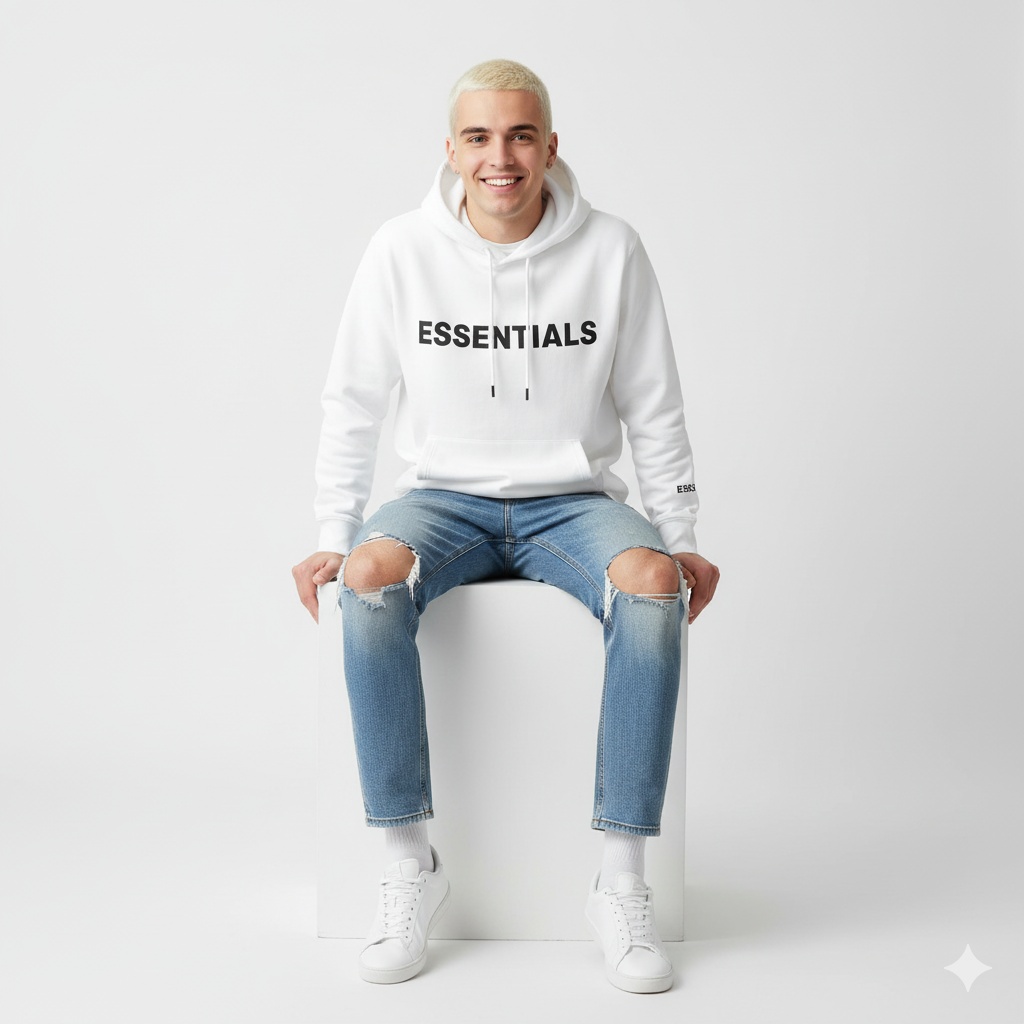
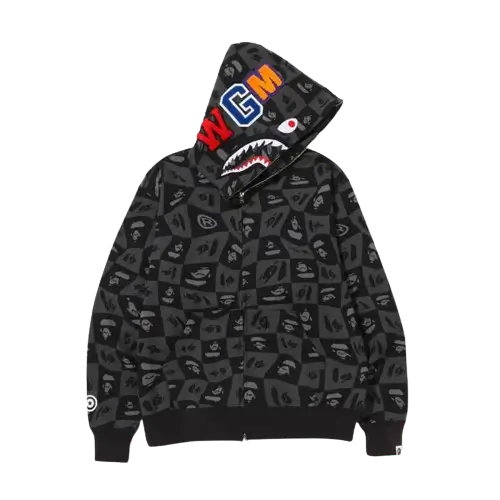
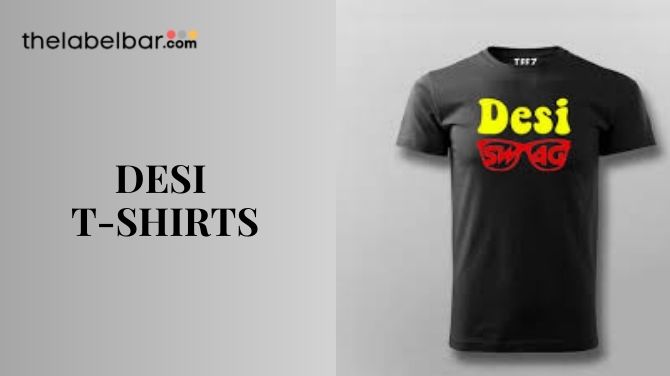
Although traditional clothing remains important, Pakistani children’s fashion is not limited to cultural outfits. Modern collections increasingly include jeans, polo shirts, graphic T-shirts, casual trousers, hoodies, denim jackets, sneakers, and comfortable co-ord sets. This creates a blend of traditional and contemporary fashion. A child may wear a kurta for a family event and switch to jeans and a T-shirt for a casual outing. This flexibility has helped Pakistan kidswear develop into a diverse market rather than remaining focused on traditional clothing alone.
Western Trends Influence Modern Collections
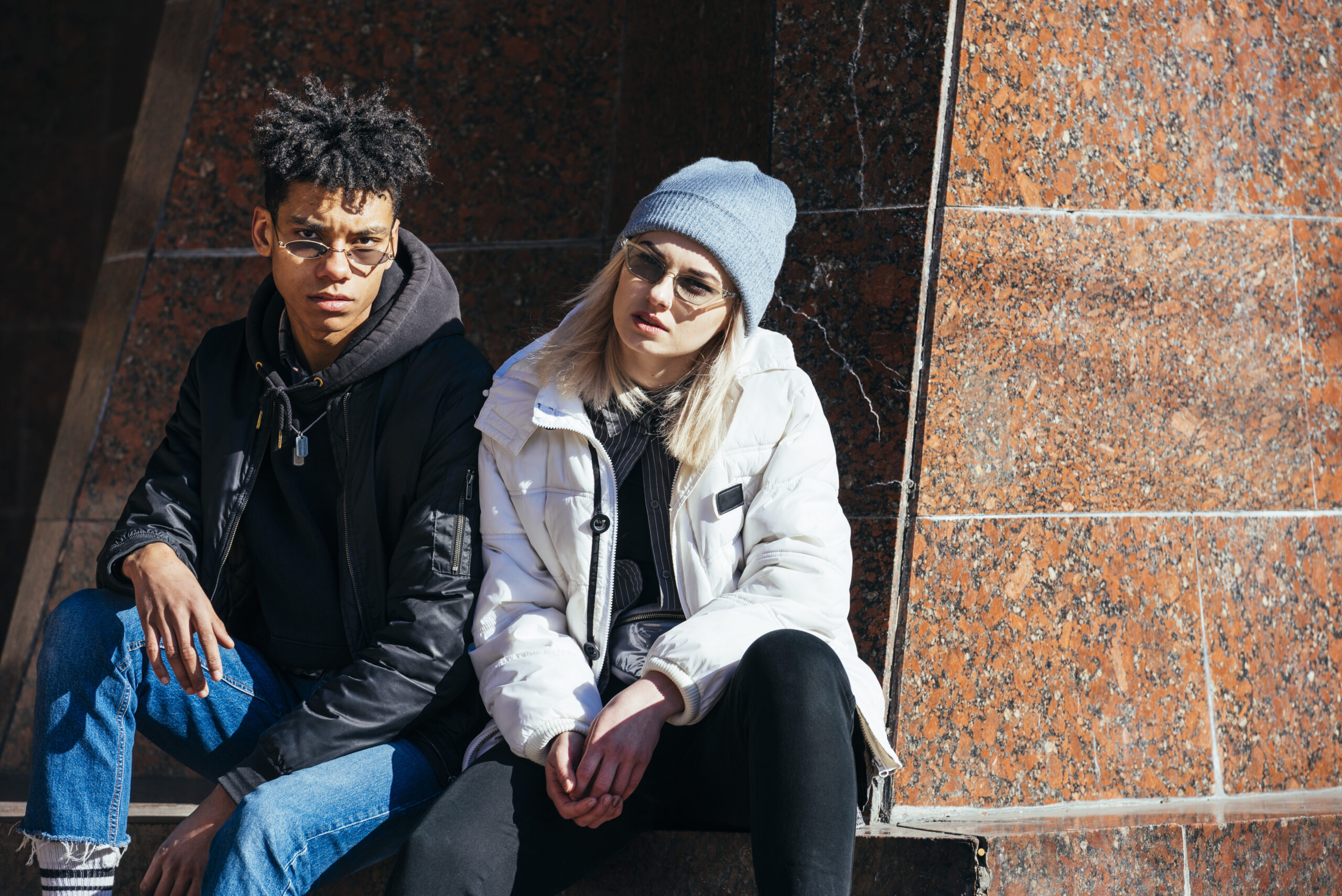
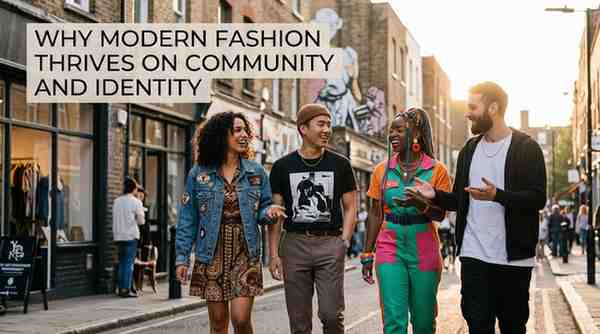
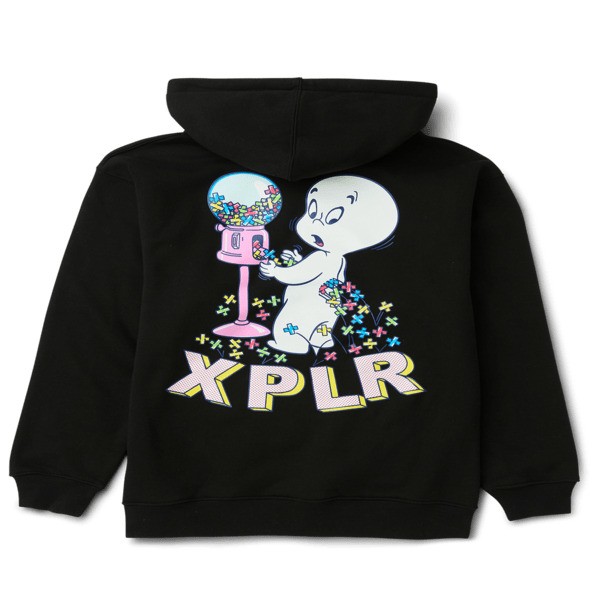
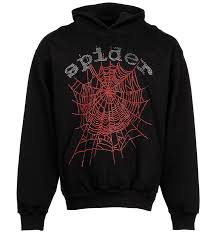
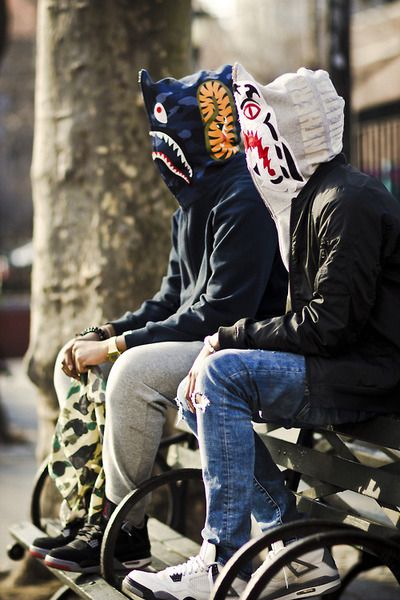
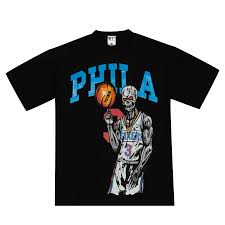
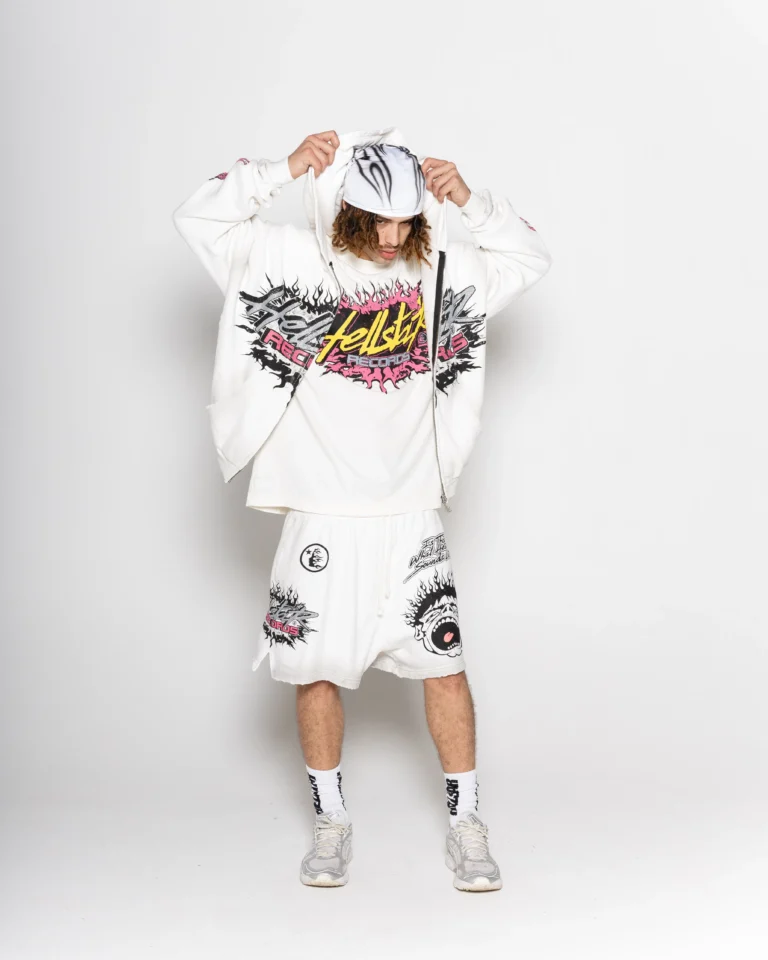
Global fashion trends have also influenced Pakistani children’s clothing. International cartoon characters, athletic designs, denim styles, oversized silhouettes, casual streetwear, and coordinated sets can now be seen across modern kidswear collections. Social media and online shopping have made international trends easier to discover. Local designers and clothing brands often adapt these trends to suit Pakistani preferences, creating garments that combine modern styling with familiar colours, fabrics, and cultural details.
Comfort Is Becoming More Important
Comfort is a major consideration in children’s clothing regardless of location. Pakistani parents often look for breathable fabrics, practical designs, easy movement, and durable stitching. Modern Pakistan kidswear increasingly combines attractive designs with functional features such as elastic waistbands, relaxed fits, adjustable details, and soft fabrics. Western kidswear follows similar comfort-focused principles, particularly in everyday and school clothing. The main difference often comes from the balance between comfort, cultural expectations, weather, and occasion.
School and Casual Clothing Follow Different Patterns
Schoolwear and everyday casual clothing are generally more practical than festive outfits. Depending on the school, children may wear uniforms, simple trousers, shirts, sweaters, or modest dresses. After school, casual clothing may include jeans, cotton shirts, T-shirts, tracksuits, and comfortable footwear. Western children’s fashion has a similar practical approach to school and casual dressing. The stronger distinction appears when Pakistani children’s clothing moves into traditional and festive categories, where cultural details become much more visible.
Regional Diversity Adds More Variety
Pakistan has several regions with distinct cultural traditions, and this diversity contributes to the variety of children’s clothing. Clothing styles, embroidery patterns, colours, fabrics, and traditional designs can vary between Punjab, Sindh, Khyber Pakhtunkhwa, Balochistan, Kashmir, and other communities. Regional influences can appear in festive outfits and special occasion clothing. Western fashion markets also contain cultural diversity, but Pakistani kidswear often gives traditional regional clothing a visible place within mainstream family celebrations.
How Pakistani and Western Styles Can Work Together
Modern wardrobes do not need to follow a single fashion tradition. Pakistani and Western styles can easily complement each other. A simple T-shirt can pair with trousers for everyday wear, while a traditional kurta can provide a cultural option for family occasions. Girls can combine contemporary footwear with traditional dresses, while boys can pair a modern waistcoat with a classic kurta pajama. This combination provides flexibility while allowing cultural clothing to remain part of everyday family life.
Why Bachaa Party Stands Out in Pakistan Kidswear
Bachaa Party represents the broad variety available within Pakistan kidswear, bringing traditional, modern, casual, and occasion-based clothing styles into one children’s fashion space. The value lies in offering choices that can suit different ages, seasons, occasions, and style preferences. From comfortable everyday clothing to more decorative festive outfits, a diverse kidswear selection makes it easier to match clothing with practical needs and cultural events. Bachaa Party also reflects the changing direction of Pakistani children’s fashion, where comfort, contemporary trends, colourful designs, and traditional influences can exist together. This balance makes modern Pakistan kidswear increasingly varied and adaptable.