

 English


































































































































































































































































































































































































































































































































































































































































































































































































































































































































































































































































































































































































































































































































































































































































































































































































































How CX EX Strategy Consulting Breaks Down Business Silos

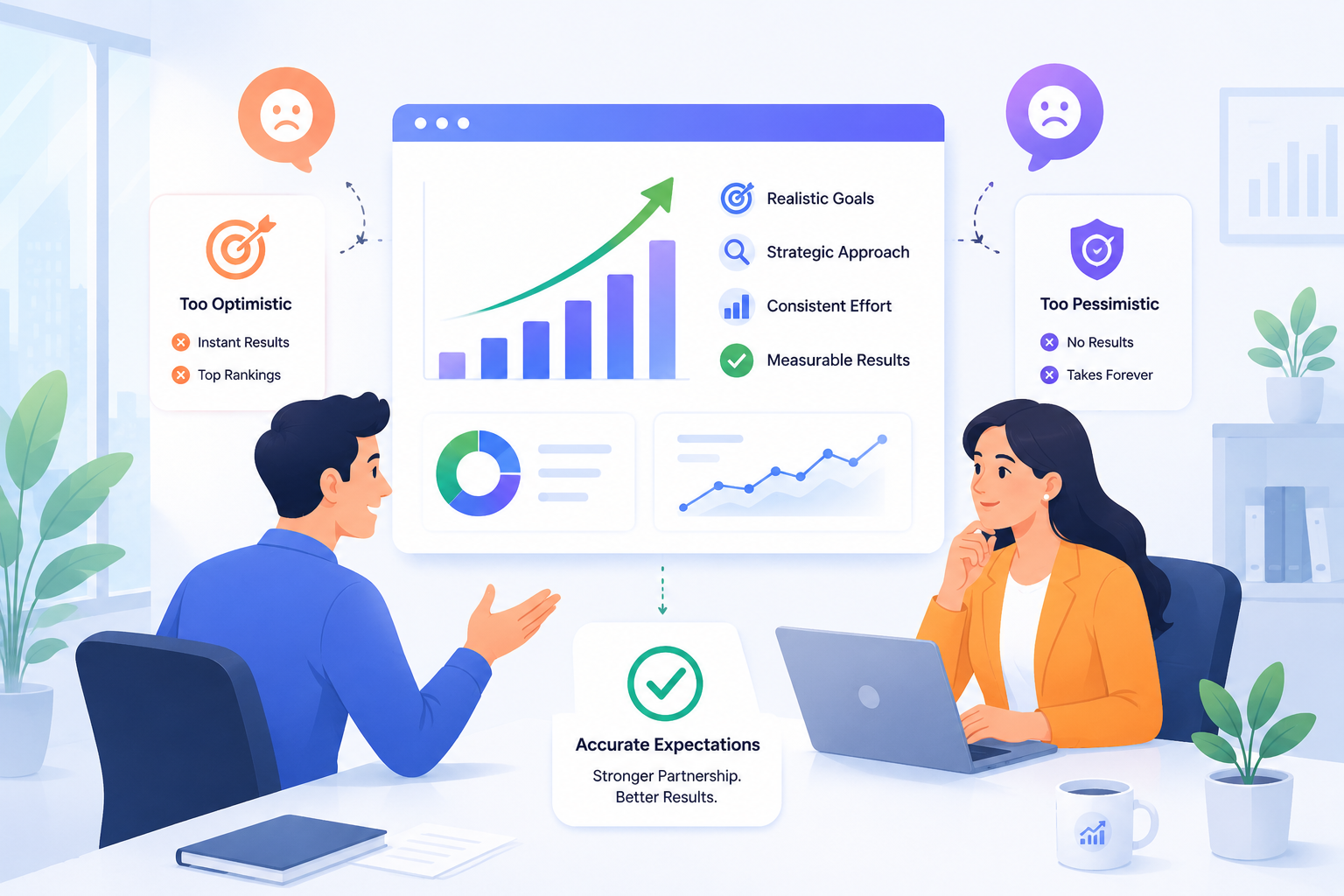
Customers do not experience a company by department. They experience one brand, one promise, and one relationship. Employees, however, often work inside separate systems, goals, tools, and processes.
That disconnect is why CX EX strategy consulting has become important for organizations trying to improve both customer experience and employee experience at the same time. When teams operate in silos, customers feel the gaps, and employees carry the stress.
A strong CX and EX strategy helps connect what customers need with what employees need to deliver it well.
Why CX and EX Should Not Be Treated Separately
Customer experience and employee experience are often managed by different leaders. CX may lie with marketing, operations, digital, or customer success. EX may lie with HR, people operations, or internal communications. Both functions matter, but separating them too much can hide the real causes of poor experiences.
For example, a customer service team may receive complaints about slow issue resolution. The customer pain point is clear. But the employee pain point may be outdated systems, unclear escalation paths, or a lack of decision-making authority.
Fixing the customer-facing script will not solve the problem if employees still lack the tools to act.
What Silos Look Like in Real Customer Journeys
Silos are easiest to see when you map the journey from start to finish. A customer might move from marketing to sales, then implementation, then support, then account management. Each team may do its own part well, but the customer may still feel friction between stages.
| Silo Problem | Customer Impact | Employee Impact |
| Separate data systems | Customers repeat details | Teams lack context |
| Conflicting team goals | Journey feels inconsistent | Priorities compete |
| Poor handoffs | Delays and confusion | Extra manual follow-up |
| Unclear ownership | Problems linger | Teams blame each other |
| Limited feedback sharing | Issues repeat | Employees feel unheard |
This is why strategy must go beyond slogans about being customer-first. It needs to define how people, processes, technology, and measurement work together.
How CX EX Strategy Consulting Helps Teams Align
Consultants often begin by identifying the moments that matter most to customers and employees. These may include onboarding, service recovery, renewal, claims, support, product use, internal approvals, or digital interactions.
Once these moments are clear, teams can examine what prevents success. Are employees missing data? Are policies too rigid? Are customers being moved across too many channels? Are teams measured in ways that discourage collaboration?
CX EX strategy consulting helps organizations turn these findings into a practical roadmap. That roadmap may include journey redesign, governance changes, employee enablement, better feedback loops, improved measurement, and clearer accountability.
Better Measurement Can Break the Wrong Behaviors
Many silos survive because teams are measured separately. One department may be rewarded for speed, while another is judged on quality. One team may optimize for cost, while another focuses on satisfaction. These goals can conflict even when everyone is trying to do good work.
A better CX EX strategy connects customer outcomes with employee actions and business results. Metrics should help teams understand how their work affects the whole journey.
For example, instead of only measuring call handling time, a company may also track first-contact resolution, employee effort, repeat issues, and customer confidence after support. This creates a more balanced view.
Culture Changes When Workflows Change
Many companies try to solve silos with culture campaigns. Those can help, but employees also need workflows that make collaboration easier.
Real change often requires practical decisions:
- Who owns each journey stage?
- Which teams need shared customer data?
- How are recurring issues escalated?
- What authority do frontline employees have?
- How are customer and employee insights reviewed?
When these answers are clear, collaboration becomes part of daily work rather than an occasional meeting.
FAQ
What is CX EX strategy consulting?
CX EX strategy consulting helps organizations improve customer experience and employee experience together. It studies how internal systems, processes, culture, and team structures affect the way customers are served. The goal is to create better outcomes for both customers and employees.
Why do silos hurt customer experience?
Silos hurt customer experience because they create gaps between teams. Customers may have to repeat information, wait longer, or deal with inconsistent answers. Even if each department works hard, the overall journey can still feel fragmented.
Can employee experience affect customer loyalty?
Yes. Employees who have the right tools, authority, training, and support are more likely to deliver helpful customer experiences. If employees face internal friction, that friction often reaches the customer in the form of delays, errors, or poor communication.
Conclusion
Breaking silos requires more than asking teams to collaborate. It requires a clear strategy that connects customer needs, employee realities, business goals, and daily workflows. CX EX strategy consulting helps organizations see how internal barriers create customer-facing problems, then design better ways of working.
When employees have the context, tools, and authority to serve customers well, the experience improves on both sides. That is how companies move from disconnected effort to shared progress.