

 English







































































































































































































































































































































































































































































































































































































































































































































































































































































































































































































































































































































































































































































































































































































































































































































































































































Plastic Surgery Nurse After Care


When people talk about plastic surgery, they usually focus on three moments: the before photos, the decision to book the procedure, and the big reveal at the end. But there’s a crucial chapter in between those moments that doesn’t get nearly enough attention: after care.
That’s where a plastic surgery nurse for after care steps in—and honestly, they might be the most underrated part of the whole journey.
Recovery isn’t just “resting for a few days.” It’s a complex period where your body is healing, your emotions are all over the place, and your final results are being shaped—literally. Having a trained plastic surgery nurse by your side during this phase can make the difference between a stressful recovery and a smooth, supported experience.
Why After Care Is Just as Important as the Surgery
Your surgeon performs the procedure, but your body does the real work afterward. Swelling, bruising, tenderness, limited movement—these are all part of the healing process. Good after care helps you:
-
Heal in a cleaner, safer, more controlled way
-
Lower the risk of complications such as infection or wound problems
-
Protect the results you’ve invested in
-
Feel less anxious and more confident every step of the way
Think of it like this: surgery is step one. After care is step two. You need both for the transformation you want.
What Does a Plastic Surgery Nurse Actually Do in After Care?
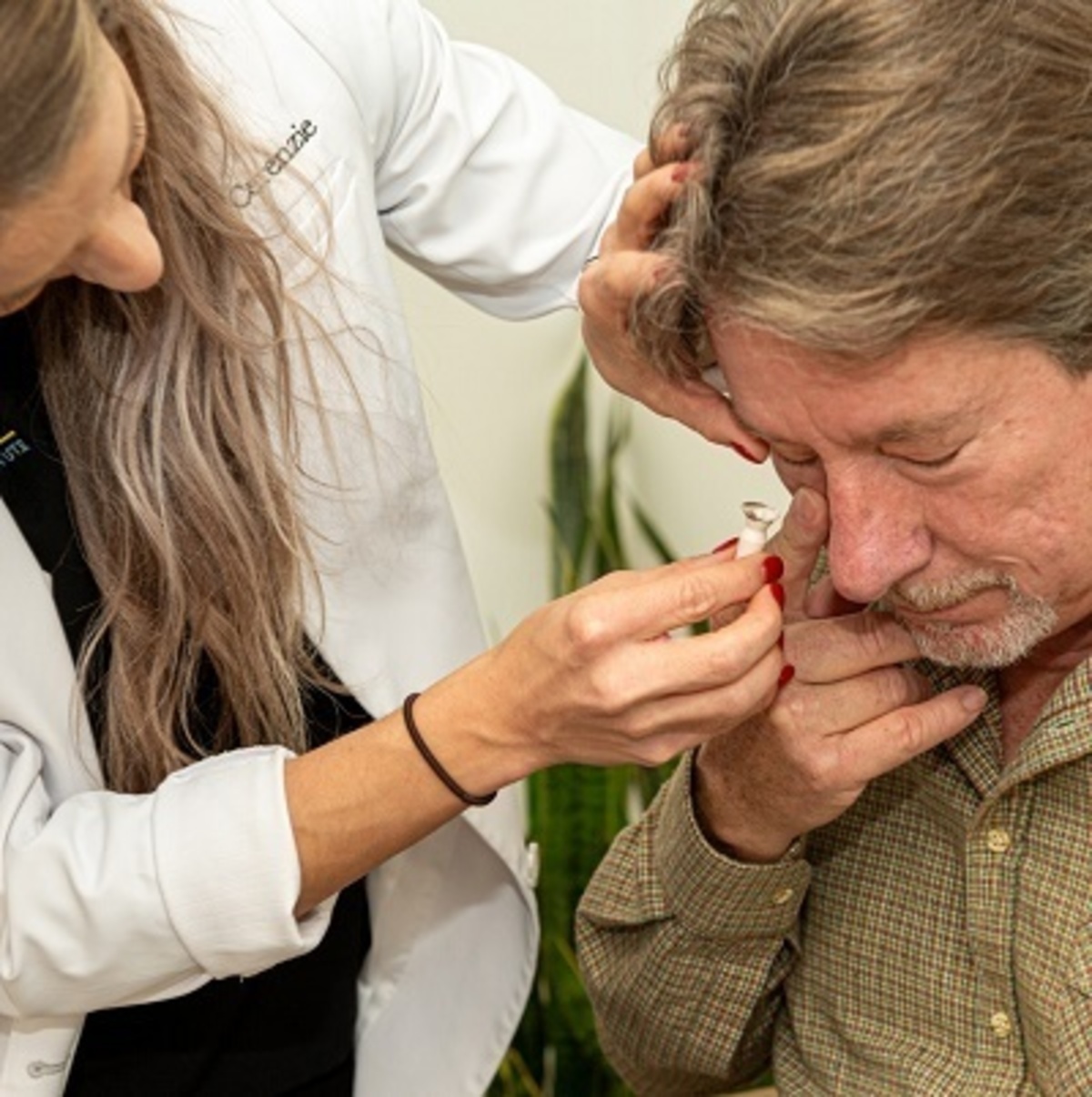
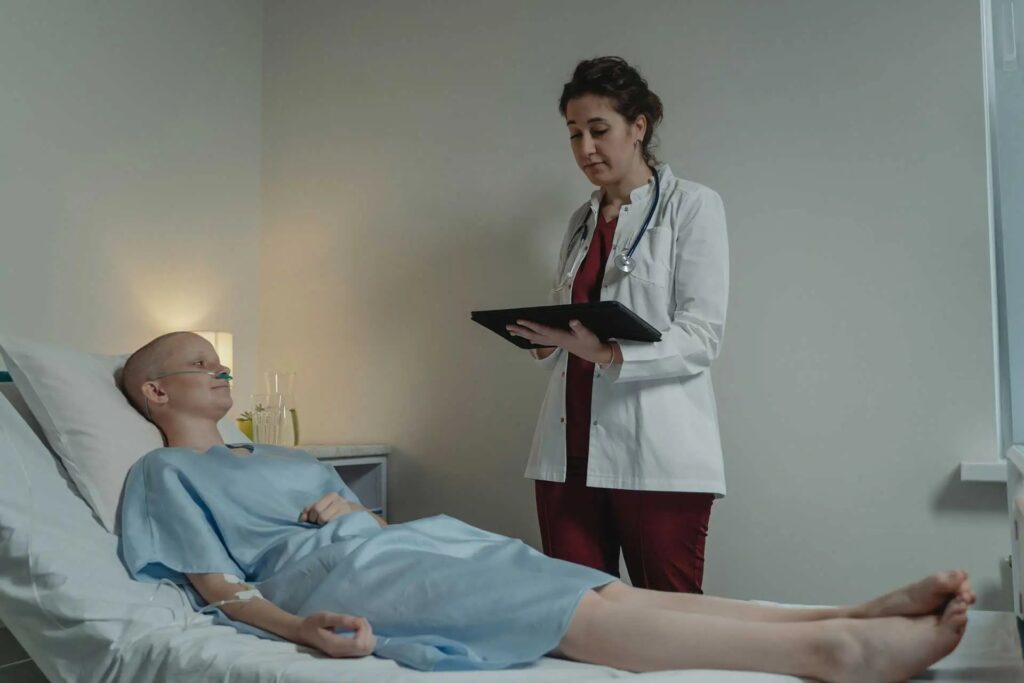
A plastic surgery nurse is not just “someone who checks on you.” They are a trained professional who understands the unique needs of cosmetic and reconstructive surgery patients.
Here’s how they support you:
1. Careful Monitoring
In the days after surgery, a lot is changing in your body. A plastic surgery nurse can:
-
Keep track of your vital signs
-
Watch your incisions for signs of normal healing vs. possible problems
-
Monitor swelling and bruising
-
Observe your overall comfort and responsiveness
They know what’s typical for day one, day three, or week two—and what might require a call to your surgeon.
2. Wound and Dressing Care
Wound care is one of the biggest parts of after care. Your nurse may:
-
Change dressings using clean, careful technique
-
Help you keep incision areas dry and protected
-
Show you how to care for any drains or stitched areas
-
Guide you on when and how to use compression garments if prescribed
Instead of guessing, you’re getting step-by-step support from someone who does this all the time.
3. Medication and Pain Management Support
Recovery can be uncomfortable. While your surgeon prescribes the medications, your plastic surgery nurse helps you:
-
Stay on schedule with pain medication as directed
-
Use non-medication strategies like elevation, positioning, and gentle movement
-
Understand what’s normal discomfort and what might be a concern
When your pain is better controlled, your stress goes down and your body can focus on healing.
Always follow your surgeon’s and healthcare provider’s instructions regarding medications. Never change doses or stop medication without medical guidance.
4. Mobility and Daily Living
After certain procedures, even sitting up, getting out of bed, or using the bathroom can feel like a mission. A nurse helps you:
-
Move safely without straining your incisions
-
Learn positions that reduce pressure on surgical areas
-
Take short, safe walks to support circulation (when you’re cleared to do so)
-
Handle basic tasks like showering or changing clothes, based on your doctor’s instructions
You’re not just being “taken care of”—you’re being guided in how to take care of yourself safely.
The Emotional Side of Recovery
Nobody tells you this part: plastic surgery recovery can be emotional.
You may feel:
-
Self-conscious about swelling and bruising
-
Worried that you “don’t look right” yet
-
Anxious if one side looks different from the other
-
Tired, foggy, or easily frustrated
A plastic surgery nurse has seen this emotional rollercoaster with many patients. They can reassure you when what you’re going through is a normal part of healing and remind you that your “final result” takes time to show.
Just hearing, “You’re healing exactly how I’d expect at this stage,” can be incredibly comforting when you’re living in the uncertainty of recovery.
Why Professional After Care Beats Doing It Alone
Yes, family and friends are wonderful—but they’re not medically trained, and they’re often emotionally overwhelmed themselves. They might panic when something looks scary or accidentally dismiss something important.
A plastic surgery nurse for after care brings:
-
Clinical knowledge specifically related to plastic surgery
-
Experience with many different procedures and body types
-
Calm, objective judgment in stressful situations
-
A structured approach to your recovery instead of guesswork
They also remove pressure from your loved ones, who may want to help but aren’t equipped to handle all the details that come with post-operative care.
Where Services Like Plastic Surgery Nurse Come In
If you’re planning or already booked for surgery, you don’t have to figure all of this out alone. There are specialised services dedicated purely to plastic surgery after care.
One such service is Plastic Surgery Nurse, which focuses on recovery support for cosmetic and reconstructive surgery patients. Their nurses understand the specific needs of surgeries like tummy tucks, breast procedures, facelifts, BBLs, and more. They’re there to make sure you’re not just “getting by,” but healing in a safer, calmer, and more informed way.
You can learn more about their services by visiting their website at https://www.plasticsurgerynurse.com/ – it’s designed for people who want professional, personalised support during one of the most vulnerable parts of their journey.
How a Plastic Surgery Nurse Protects Your Results
The goal isn’t only to get through recovery—it’s to come out of it with the best possible results.
With proper after care, you’re more likely to:
-
Follow garment and positioning instructions that shape your final contour
-
Keep incisions clean and well-supported for better scar outcomes
-
Avoid unnecessary strain or injury to healing tissues
-
Catch potential issues early, before they become serious problems
You didn’t invest in surgery just to leave your results up to chance. After care is like insurance for the outcome you’re hoping to see in the mirror.
Planning Ahead: Make After Care Part of Your Surgery Decision
If you’re still in the planning stage, it’s the perfect time to think about after care. Here are a few smart steps:
-
Ask your surgeon what kind of support they recommend in the first 48–72 hours, and beyond.
-
Look into professional nursing services ahead of time so you’re not scrambling post-op.
-
Build after care into your budget—treat it as an essential, not an add-on.
-
Be honest about your situation: Do you live alone? Is your family busy or far away? Do you have pets or small kids? A plastic surgery nurse can help you plan around real life, not a fantasy version of recovery.
A Gentle Reminder: This Is Your Healing Time
Plastic surgery can be empowering, exciting, and deeply personal. But healing is not the moment to try to “push through” everything on your own. You’ve already done the brave part by choosing surgery. You’re allowed to ask for help with the rest.
A Plastic Surgery Nurse for After Care is not a luxury—they’re often the missing piece that makes recovery safer, smoother, and far less stressful.
And as a final note: this blog is for general information only and should not replace professional medical advice. Always follow the guidance of your surgeon and healthcare team for your specific situation.
You deserve to feel supported, informed, and cared for while you heal. With the right after care—and the right nurse in your corner—that’s exactly what you can have.
