

 English














































































































































































































































































































































































































































































































































































































































































































































































































































































































































































































































































































































































































































































































































































































































































































































How to Choose a Bag That Matches Your Daily Lifestyle


Choosing the right bag is about more than finding an attractive design. A good everyday bag should support your routine, keep your essentials organized, and complement your personal style. Whether you spend most of your day at the office, attend university, travel frequently, or manage a busy schedule, the right bag can make everyday activities much easier.
With so many styles, sizes, materials, and designs available, finding a suitable option can feel overwhelming. The secret is to focus on how you actually live rather than choosing a bag simply because it looks fashionable. A practical bag should fit naturally into your lifestyle while offering the right balance of comfort, functionality, and appearance.
Here are six important factors to consider when choosing a bag that works for your everyday needs.
1. Understand Your Daily Routine Before Choosing a Bag
The first step is to understand where you go, what you carry, and how you spend most of your day. Someone who travels between meetings will have different requirements from a student attending classes or someone who enjoys casual outings.
If your routine involves commuting, shopping, and running errands, a medium-sized bag with multiple compartments can be a practical choice. It provides enough room for everyday essentials without becoming unnecessarily bulky. For office professionals, a structured design with dedicated space for documents, notebooks, and electronic devices may be more suitable.
Students often benefit from spacious bags that accommodate books, stationery, chargers, and personal belongings. Meanwhile, people with active lifestyles may prefer lightweight options that are easy to carry throughout the day.
Before purchasing, make a simple list of the items you regularly take with you. This will help you determine the appropriate size, storage capacity, and overall design.
2. Select the Right Bag Style for Your Lifestyle
Different bag styles serve different purposes. Understanding their features makes it easier to select an option that complements your daily activities.
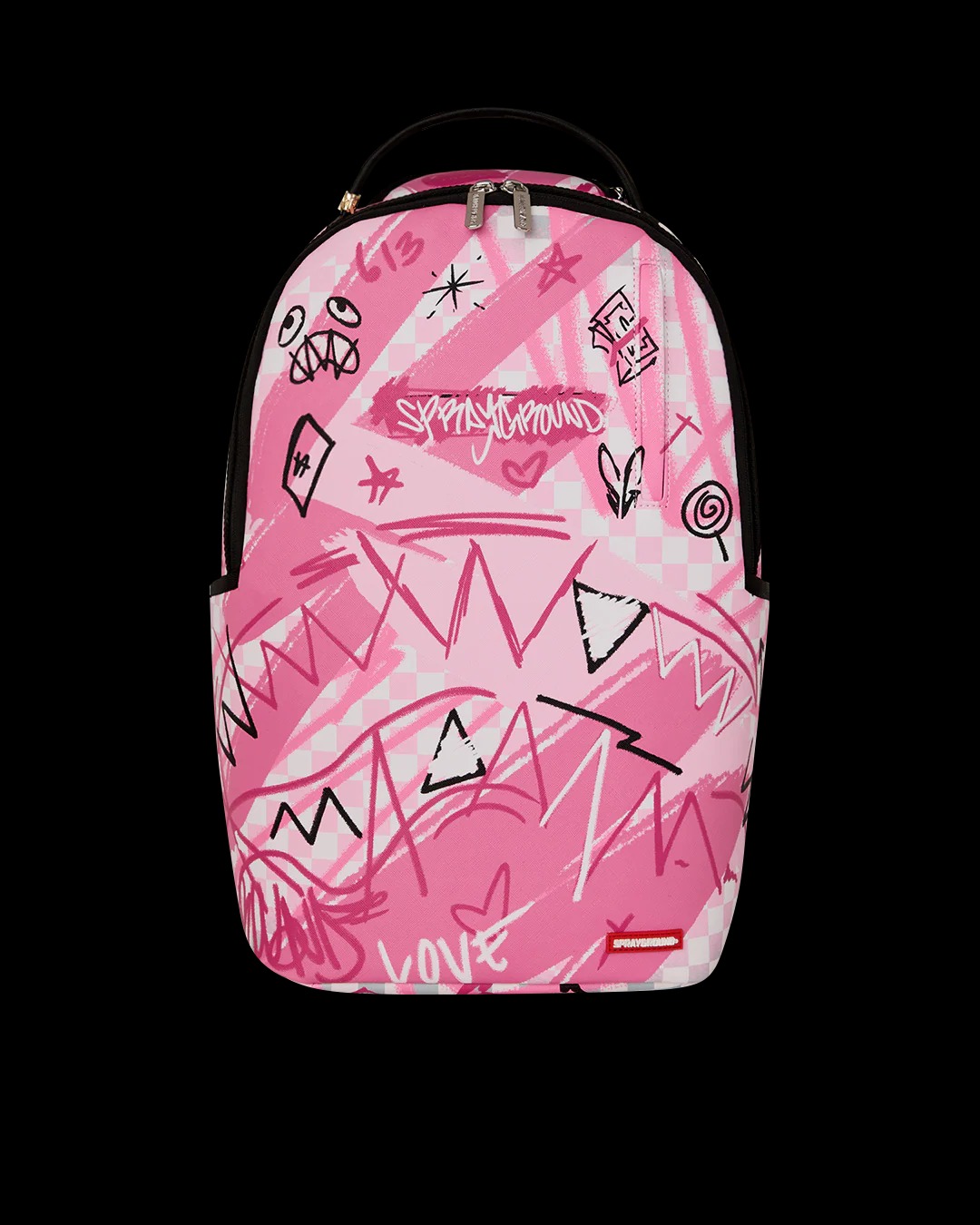
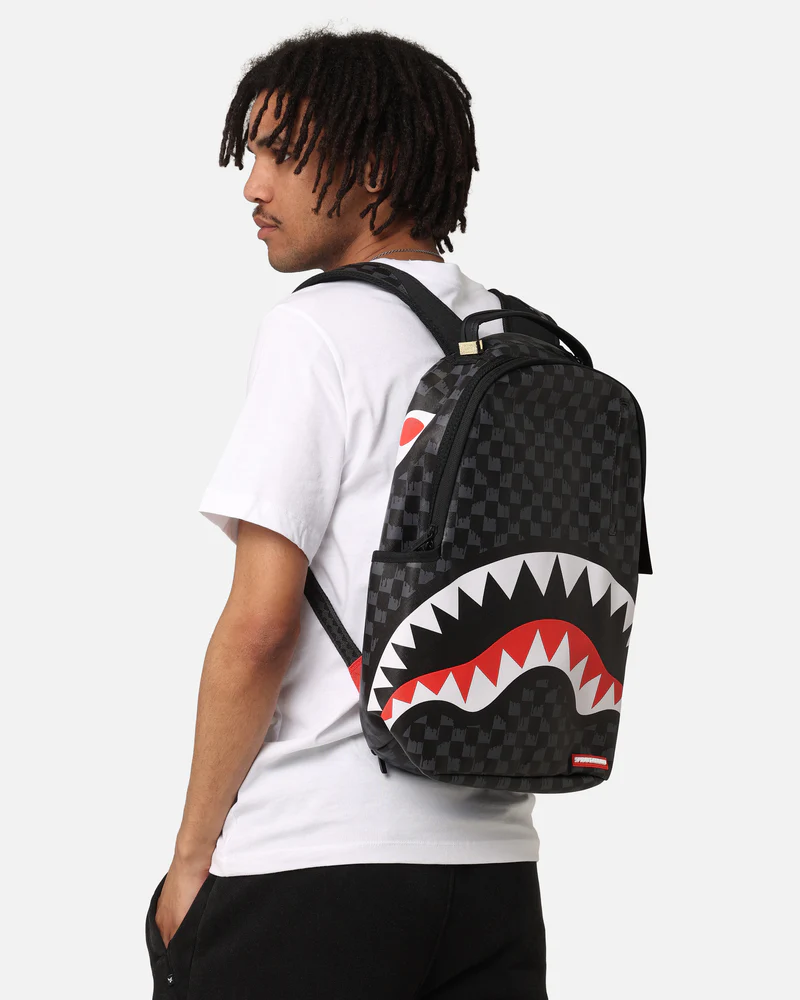
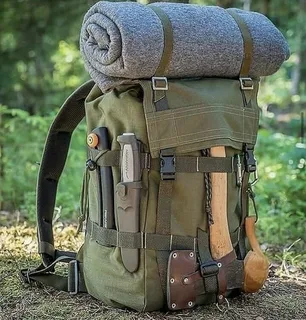
Backpacks are excellent for students, commuters, and people who carry heavier belongings. Their two-strap design distributes weight across both shoulders, making them comfortable for extended use. Crossbody bags offer convenience when you need quick access to essentials while keeping your hands free.
Tote bags are suitable for shopping, casual outings, and everyday activities that require extra storage space. Messenger bags provide a smart balance between casual and professional styling, making them useful for work and travel.
For men who prefer accessories that combine appearance with everyday practicality, exploring versatile men’s accessories can help create a coordinated wardrobe. A well-selected bag can complement watches, shoes, belts, and other essentials without making an outfit look overly complicated.
The best style is ultimately the one that supports your routine and feels comfortable to use regularly.
3. Pay Attention to Storage, Compartments, and Functionality
A stylish bag may catch your attention, but its functionality determines whether it becomes a useful part of your everyday routine.
Think about the items you need to carry. Your phone, wallet, keys, sunglasses, notebook, water bottle, and electronic devices should have enough space without forcing you to overfill the bag.
Multiple compartments make organization easier. Separate pockets help prevent smaller items from getting lost at the bottom, while secure zippered sections provide additional protection for valuable belongings.
If you regularly carry a laptop or tablet, look for a bag with a padded compartment. For travel or commuting, exterior pockets can make frequently used items more accessible.
Pay attention to the opening mechanism as well. Zippers generally offer better security, while magnetic closures and open-top designs provide convenience for quick access.
When comparing different functional men’s bags, consider how easily each design accommodates your daily essentials. A practical layout saves time, reduces clutter, and makes your everyday routine more manageable.
4. Choose Comfortable Materials and Durable Construction
A bag that looks good but feels uncomfortable or wears out quickly is rarely a worthwhile investment. Material quality and construction should therefore play an important role in your decision.
Leather is a popular option for people who appreciate a refined appearance. It can complement formal and smart-casual outfits, and quality leather often develops an attractive character over time when properly maintained.
Canvas is another practical choice. It is generally lightweight, versatile, and suitable for casual everyday use. Nylon and polyester bags are often preferred for their lightweight construction and easy maintenance, particularly when commuting or traveling.
Beyond the outer material, examine the stitching, handles, straps, zippers, and lining. Reinforced seams and sturdy hardware can improve durability, especially if you carry heavier items.
Comfort matters just as much. Adjustable straps allow you to find a suitable fit, while padded shoulder sections can make carrying heavier belongings more comfortable.
Choose a material that matches your lifestyle, local weather conditions, maintenance preferences, and how frequently you plan to use the bag.
5. Match Your Bag With Your Personal Style and Wardrobe
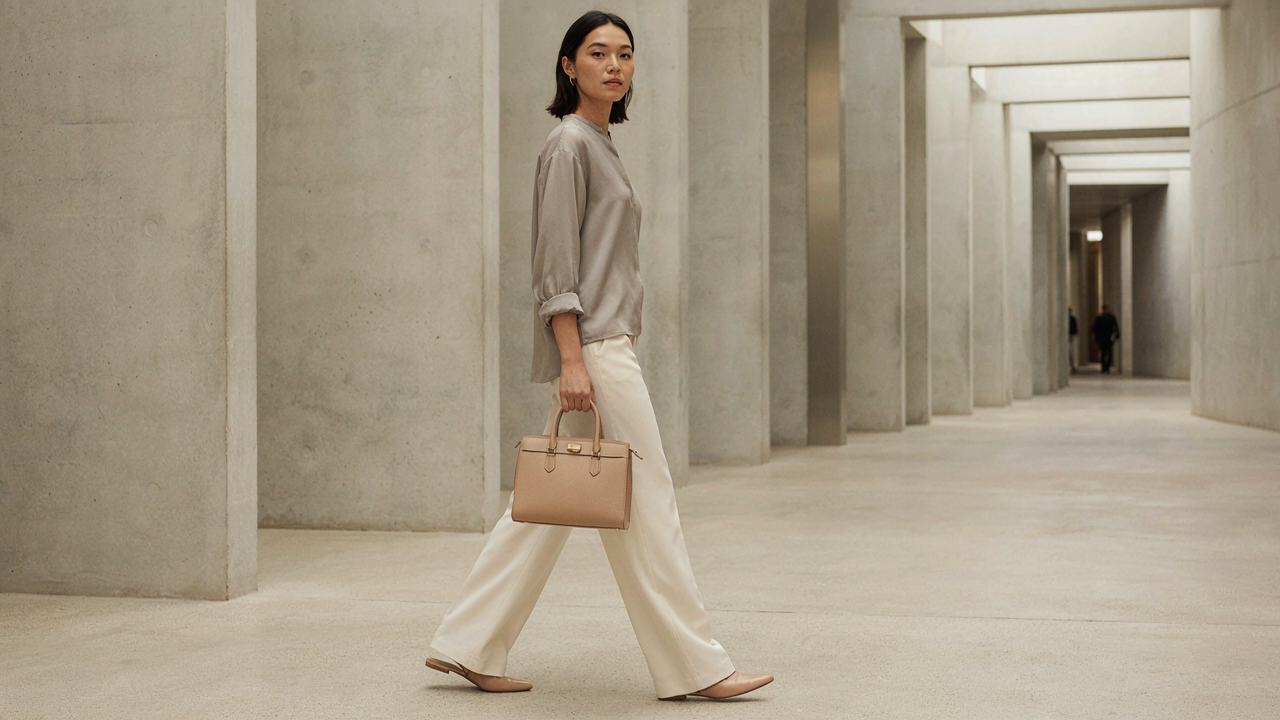
Your everyday bag is also an important fashion accessory. It can complete an outfit, add personality, and create a more polished appearance.
Start by considering the clothes you wear most often. If your wardrobe mainly consists of neutral colors such as black, white, grey, navy, and beige, a bag in a similar shade will be easy to coordinate.
Black and brown bags are classic choices because they work with a wide range of outfits. Navy and grey offer subtle alternatives, while lighter shades can create a relaxed, contemporary appearance.
The overall design matters too. Minimalist bags with clean lines and subtle detailing are generally easier to style across different occasions. Structured designs often complement business and formal clothing, while softer shapes work well with casual outfits.
You should also consider proportions. A very large bag may look out of place with a lightweight outfit, while an extremely small bag might not suit a day that requires carrying several essentials.
Rather than following every fashion trend, choose a design that reflects your personality and complements the clothes you already own.
6. Consider Versatility, Security, and Long-Term Value
An everyday bag should be useful beyond a single occasion. Choosing a versatile design allows you to use the same accessory for different activities without constantly switching between bags.
For example, a simple messenger bag may work for office commuting, casual meetings, and weekend activities. Similarly, a well-designed backpack can be suitable for university, short trips, and everyday errands.
Security is another important consideration. Look for reliable zippers, secure inner pockets, and durable closures. If you frequently travel or use public transportation, keeping valuables in concealed compartments can provide additional peace of mind.
Finally, consider the overall value rather than focusing entirely on the purchase price. A reasonably priced bag with durable materials, comfortable straps, and useful storage may offer better long-term value than an inexpensive option that needs frequent replacement.
Before making your decision, ask yourself whether the bag fits your routine, matches your wardrobe, and offers enough functionality for regular use. If the answer is yes, you are more likely to enjoy your purchase over time.
Final Thoughts
Choosing a bag that matches your daily lifestyle requires a thoughtful balance of practicality, comfort, durability, and personal style. The right option should make your routine easier while complementing your everyday appearance.
Start by identifying your regular activities, understanding your storage requirements, and selecting a style that suits your needs. Then consider material quality, comfort, organization, and long-term versatility before making a purchase.
Remember, the best everyday bag is not necessarily the most expensive or fashionable one. It is the one that fits naturally into your life, keeps your essentials organized, and makes you feel confident wherever your day takes you.