

 English








































































































































































































































































































































































































































































































































































































































































































































































































































































































































































































































































































































































































































































































































































































































































































































































Why Play-Based Pediatric Speech Therapy Is So Effective


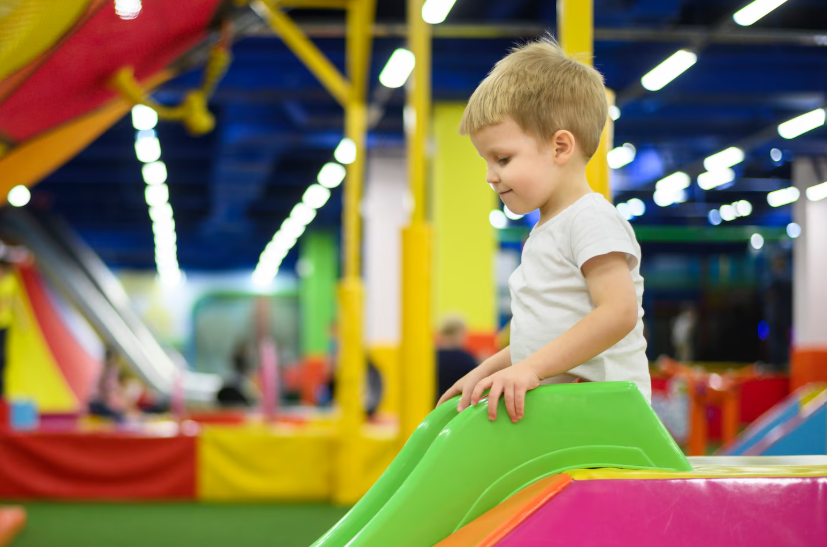
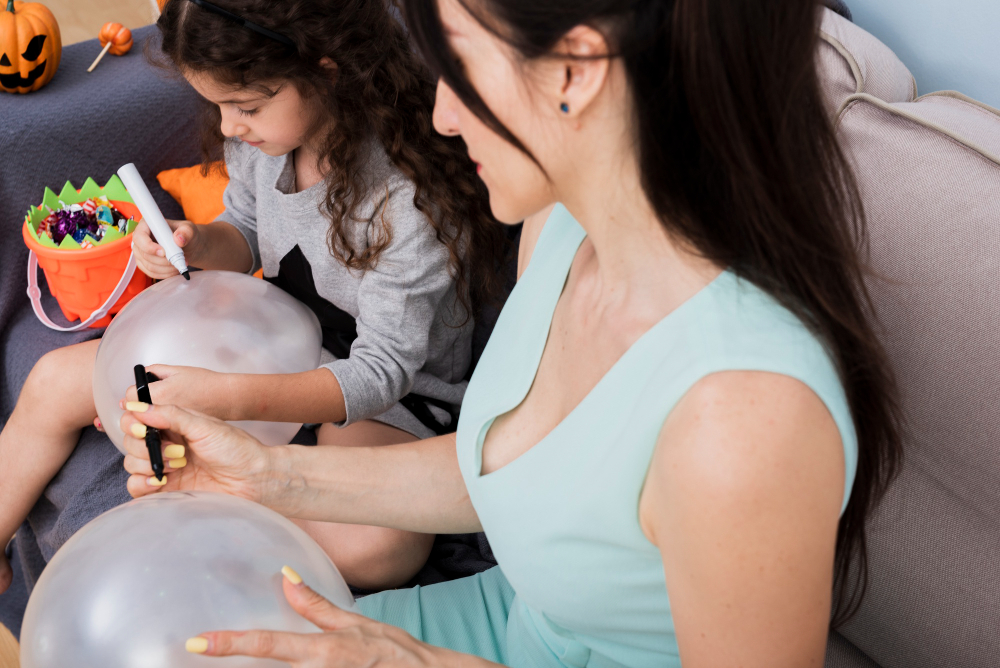
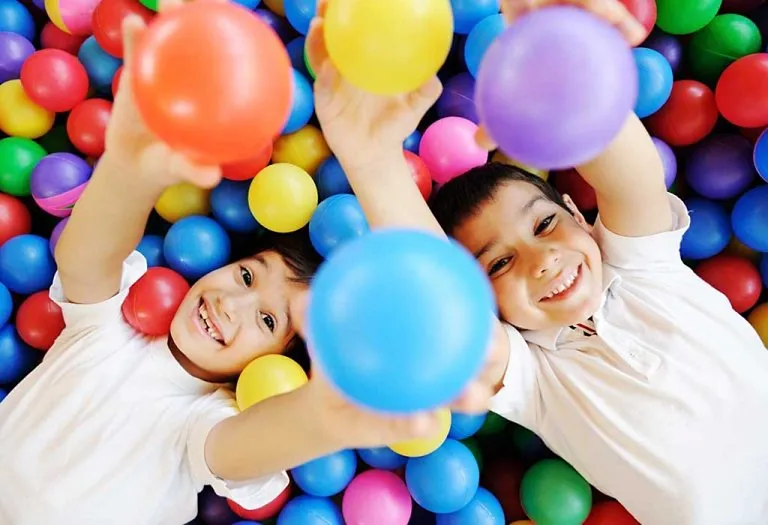
If you’ve ever watched a young child learn something new, you’ve seen how powerful play can be. Children learn best when they’re engaged, having fun, and feeling safe to explore. That’s exactly why play-based pediatric speech therapy has become one of the most effective methods for helping children build strong communication skills.
Instead of traditional “drill and practice” methods, modern speech therapy integrates toys, games, movement, and imagination. This makes learning natural, enjoyable, and aligned with how children’s brains actually develop. When speech therapy feels like play, children stay motivated—and real progress happens faster.
In this article, let’s explore why play-based therapy works, the science behind it, and how families can support learning at home.
The Science Behind Play-Based Learning
Decades of child development research show that children learn language through real-life interactions and playful exploration. Play activates multiple areas of the brain at once—motor skills, emotional regulation, creativity, problem-solving, and communication. When these systems work together, children process and retain information more effectively.
Pediatric speech therapy harnesses this natural learning style. Instead of sitting at a desk, children may be:
- pretending to cook in a play kitchen
- building a tower while practicing vocabulary
- using puppets to work on social communication
- playing a board game to practice turn-taking
- reading picture books that highlight specific speech sounds
In this environment, children learn without feeling pressured or overwhelmed. They stay engaged because the activities match their interests and developmental level.
What Makes Play-Based Pediatric Speech Therapy So Effective?
- It reduces anxiety and resistance.
Children relax when therapy feels fun, which makes them more willing to try new sounds, words, or communication tasks. - It encourages natural, meaningful communication.
Kids communicate more authentically during play—asking for help, describing actions, sharing ideas, and responding to others. - It improves generalization.
Skills learned during play transfer more easily to daily routines, because the learning mirrors real-life communication. - It builds social and emotional skills.
Play often involves turn-taking, negotiation, emotional expression, and responding to peers—important parts of communication. - It keeps children motivated.
When a therapy session feels like fun, kids look forward to returning, making consistent progress more likely.
These benefits explain why play-based pediatric speech therapy is used by many leading therapy clinics and widely recommended by child development experts.
What a Play-Based Speech Therapy Session Looks Like
Every session is customized to the child’s needs, but many sessions include:
- Warm-up activities that help the child settle in
- Play routines designed around specific goals
- Targeted practice embedded naturally in games
- Opportunities for social interaction
- Parent coaching so families can continue strategies at home
For example, if a child is working on the /s/ sound, the SLP might use a storybook about snakes, a sensory bin with “slimy spaghetti,” or a board game with “s”-themed vocabulary.
If a child needs support with language comprehension, activities might include following fun instructions like “Hide the dinosaur under the couch” or “Feed the blue cookie to the teddy bear.”
The Role of Parents in Play-Based Speech Therapy
Parents are essential partners in the therapy process. The strategies used in sessions work even better when reinforced at home.
Parents can support communication development by:
- Narrating daily routines (“Now we’re washing hands—rub rub rub!”)
- Encouraging pretend play
- Reading books together every day
- Offering choices (“Do you want the red cup or the blue cup?”)
- Allowing extra time for responses
- Modeling clear speech without pressuring the child
When families practice these techniques consistently, progress accelerates significantly.
Common Communication Areas Improved Through Play
Play-based pediatric speech therapy can help with:
- speech clarity and articulation
- vocabulary growth
- sentence structure
- social communication
- problem-solving
- storytelling skills
- emotional expression
- following directions
Because play is adaptable, therapists can target multiple skills in a single session without overwhelming the child.
Why Choose a Clinic That Specializes in Play-Based Therapy
Not all therapy programs approach learning the same way. A clinic that specializes in child-centered, play-based pediatric speech therapy offers:
- therapists trained specifically in child development
- a warm and supportive environment
- therapy methods that match how children naturally learn
- individualized treatment plans
- strong parent-therapist collaboration
- a positive experience that keeps children motivated
When therapy feels fun, children build confidence—not just communication skills.
Final Thoughts
Play isn’t “just” fun—it’s the foundation of children’s learning. When pediatric speech therapy is built around playful, joyful experiences, children thrive. They build communication skills faster, feel more confident, and develop a lifelong love of learning.
If you’re exploring speech therapy options for your child, choosing a play-based program can make the process enjoyable and effective for your entire family.
https://onlinetechlearner.com/dental-emergencies-treated-by-an-emergency-dentist-burlington/