

 English
























































































































































































































































































































































































































































































































































































































































































































































































































































































































































































































































































































































































































































































































































































































































































































































































































































































































































How Multi Inhibitors Parkinsonism and Alzheimer’s Treatments

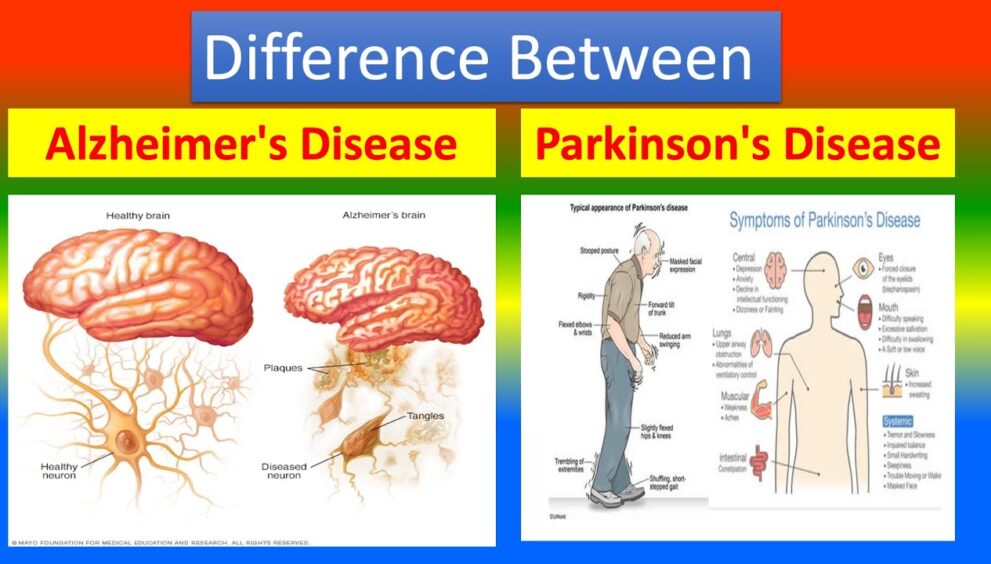
The dual pathology of neurodegenerative diseases such as Alzheimer’s and Parkinson’s presents one of the challenges associated with these diseases. Traditional development of drugs for neurodegenerative diseases is based on targeting one pathogenetic protein/pathway, which explains why some drugs failed to produce long-term, stable results in many previous studies.
However, what if one drug could inhibit multiple toxic proteins at the same time? This is the basic concept behind a new generation of multi-protein inhibitors and could be a groundbreaking method for approaching neurodegenerative treatment options. The lead multi-protein drug compound being examined in this regard is Buntanetap Annovis Bio, Inc., which is effective in the treatment of both Alzheimer’s and Parkinson’s and has the potential to utilize a unified treatment platform across both conditions (as well as others) within the domains of Parkinsonism and Alzheimer’s Disease.
The importance of Multi-Protein Inhibition
The central theme in most neurodegenerative diseases is the excessive accumulation of various misfolded or aggregating proteins, not a single protein. Amyloid 8 (A8) and tau are key perpetrators in Alzheimer’s, and 8-synuclein is at the center stage in Parkinson’s. However, recent studies indicate that there are many proteinopathies that frequently occur together: patients can have aggregates of ABB, tau, alpha-synuclein, and even TDP-43.
It is due to this complexity that a treatment that solely modulates one protein might not inhibit other pathological processes, and thus allow letting disease to progress through other pathways. Multi-protein inhibitors such as Buntanetap attempt to counter this by inhibiting the synthesis of all significant neurotoxic proteins all at once, instead of attempting to remove them once they have built up.
In such a way, multi-protein inhibition is more holistic: It addresses different neurodegenerative mechanisms simultaneously: protein aggregation, synaptic dysfunction, disruption of axonal transport, and inflammation.
Buntanetap: The Case of this New Strategy
Buntanetap (ANVS401 or Buntanetap) is an orally administered, small molecule that was developed at Annovis Bio, Inc. The description of the pipeline used by the company states that the company is a translational inhibitor, i.e., it decreases the production of various neurotoxic proteins in cases where they are over-expressed in diseased nerve cells.
Among the targeted proteins of Buntanetap are amyloid 2, tau, alpha-synuclein and TDP-43, which are the causes of several neurodegenerative conditions such as Alzheimer’s and Parkinson’s. Preclinical and early human information have been encouraging. Buntanetap was demonstrated to be safe and well-tolerated in a mixed study of patients with Alzheimer’s and Parkinson’s diseases.
The test scores in mild patients of Alzheimer’s showed statistically significantly higher scores at higher dosages when compared to the placebo (e.g., ADAS-Cog). Buntanetap was found to also have a beneficial effect on motor functioning (according to MDS-UPDRS) as well as the ability to stabilize cognitive functioning, in which untreated patients are usually subjected to constant deterioration.
Due to such widespread activity on many proteins and disease types, Buntanetap is often considered a platform drug, a medication that would be useful to treat various neurodegenerative dysfunctions with overlapping pathology.
The Prospective Advantages of a Coherent Treatment Approach
A multi-protein inhibitor of both Alzheimer’s well as Parkinson’s has several possible benefits:
- Increased accessibility and effectiveness: A single drug could be used to treat various illnesses as opposed to designing different medications to address different pathological proteins and each disease.
- Treatment of mixed pathology: In numerous cases, patients are diagnosed with a combination of protein pathologies (e.g., amyloid plaques + Lewy bodies), and thus a combination of treatment of several toxic proteins could be even more effective.
- Lower risk of inhibiting a single pathway: Single-target therapies can be ineffective when the disease develops through other pathways; multi-target drugs decrease the risk of that happening.
- Streamlined treatment and development process: To both patients and clinicians, a single oral pill can be more convenient and safer than a combination of several treatments.
Challenges and What’s Ahead
Multi-protein inhibition is promising, but it has challenges associated with it. Because the drug influences a variety of pathways, safety and long-term tolerability should be considered closely. In addition, to show efficacy in various diseases, it is necessary to conduct clinical trials in a rigorous manner and have strong endpoints.
However, Buntanetap has now passed to late-phase trials: its Alzheimer Phases 3 trial is in recruitment, with the primary outcome measures of cognition (ADAS-Cog13) and functional ability (ADCS-iADL) with secondary outcomes of MMSE and volumetric MRI.
In the meantime, the results of its Phase 3 Parkinson study, which reported better motor and cognitive results, added to the idea that a single drug could very well target multiple neurodegenerative diseases.
Conclusion
The creation of multi-protein inhibitors is a potentially paradigm-shifting point in Latest Drugs for Alzheimer’s Disease. Drugs such as Buntanetap can provide disease-cutting across disease-cutting therapies by attacking the root cause of the condition, which are the aggregating proteins, instead of the end effects. Assuming that the current trials are successful, this would possibly reinvent the approach to neurodegeneration treatment, offering combined treatment regimens to what were once regarded as completely different disorders. As new information is generated due to these ambitious studies, the possibility of a realistic disease-modifying neurodegenerative therapy may become a reality and may end up transforming the sphere of and more.