In today’s competitive business environment, companies cannot afford misalignment between sales and marketing teams. When these two departments operate in silos, it often results in poor lead quality, slow conversions, and wasted marketing efforts. On the other hand, when sales and marketing are properly aligned, businesses experience higher conversion rates, improved lead quality, and more predictable revenue growth.
Alignment ensures both teams work toward the same goals, communicate effectively, and share responsibility for results. Many organizations also partner with a B2B Demand Generation Strategy Agency to bridge gaps between teams and implement structured systems that improve collaboration and performance.
Understanding Sales and Marketing Alignment
Sales and marketing alignment refers to the process of ensuring both teams work together toward shared business objectives. While marketing focuses on attracting and nurturing leads, sales focuses on converting those leads into customers.
When these teams collaborate effectively, they create a seamless customer journey from awareness to conversion. This alignment ensures that marketing generates high-quality leads and sales follows up efficiently to close deals.
Why Alignment Improves Conversion Rates
Alignment directly impacts conversion rates because it eliminates confusion, improves communication, and ensures consistency in messaging. When marketing understands what sales needs, they generate better-qualified leads. When sales understands marketing campaigns, they can tailor their approach more effectively.
This collaboration reduces lead leakage and ensures no opportunity is lost in the handoff process. It also creates a smoother customer experience, increasing trust and improving the chances of conversion.
Define Shared Goals and KPIs
One of the most important steps in alignment is setting shared goals. Both sales and marketing teams should work toward the same KPIs instead of separate metrics.
Key shared KPIs include:
- Lead conversion rate
- Cost per lead (CPL)
- Revenue from marketing-qualified leads
- Customer acquisition cost (CAC)
When both teams are measured against the same outcomes, accountability increases and collaboration improves. A B2B Demand Generation Strategy Agency often helps businesses define these KPIs clearly and implement frameworks that ensure both teams are aligned from the start.
Create a Unified Lead Qualification System
A major cause of misalignment is unclear lead qualification. To solve this, businesses must define what constitutes a Marketing Qualified Lead (MQL) and a Sales Qualified Lead (SQL).
MQLs are leads that show interest based on marketing engagement, while SQLs are leads that are ready for direct sales interaction. Having a shared definition ensures smooth handoffs and prevents disputes between teams about lead quality.
Improve Communication Between Teams
Strong communication is essential for alignment. Sales and marketing teams should hold regular meetings to discuss performance, lead quality, and campaign results.
Using CRM systems and shared dashboards improves transparency and ensures both teams have access to the same data. Feedback loops are also critical—sales should inform marketing about lead quality, while marketing should share insights about campaign performance.
Align Messaging and Content Strategy
Consistency in messaging is key to improving conversion rates. Marketing content and sales communication should reflect the same value proposition and brand voice.
When prospects receive consistent messaging across ads, emails, and sales conversations, they develop stronger trust in the brand. Content such as blogs, case studies, and whitepapers should also support each stage of the buyer journey, helping sales teams close deals more effectively.
Use Data and Analytics for Better Decisions
Data plays a major role in improving alignment. By analyzing customer behavior, lead sources, and conversion patterns, businesses can identify what works and what needs improvement.
Analytics help both teams understand which channels generate the best leads and which strategies lead to conversions. With this insight, businesses can refine their targeting and improve overall efficiency.
Many organizations rely on a B2B Demand Generation Strategy Agency to interpret data and implement strategies that enhance both marketing performance and sales effectiveness.
Implement Marketing Automation and CRM Tools
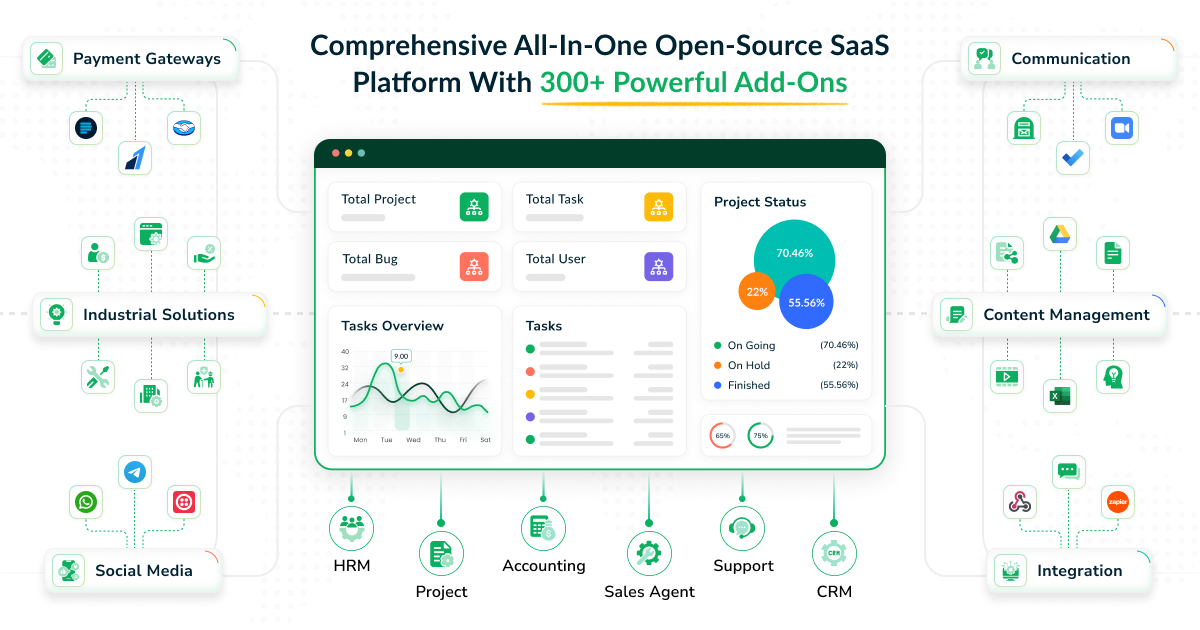
Technology is a powerful enabler of alignment. CRM systems allow sales and marketing teams to track leads, monitor interactions, and manage customer data in one place.
Marketing automation tools help nurture leads through personalized email campaigns and timely follow-ups. These systems ensure no lead is lost and that both teams have full visibility into the customer journey.
Automation also reduces manual work, allowing teams to focus more on strategy and relationship-building.
Role of Expert Support
Achieving strong alignment between sales and marketing can be challenging, especially for growing businesses. Expert support helps streamline processes, define clear strategies, and implement best practices.
A structured approach ensures both teams are working efficiently toward shared goals. With professional guidance, businesses can significantly improve conversion rates, reduce friction, and scale more effectively.
Conclusion
Aligning sales and marketing is essential for improving conversion rates and driving sustainable business growth. When both teams share goals, communicate effectively, and use data-driven strategies, they create a seamless customer journey that leads to better results.
By implementing structured processes, leveraging technology, and ensuring consistent messaging, businesses can eliminate inefficiencies and maximize performance. With the right approach—and sometimes the support of experts—organizations can transform their sales and marketing alignment into a powerful growth engine.
 English