

 English























































































































































































































































































































































































































































































































































































































































































































































































































































































































































































































































































































































































































































































































































































































































































































































































































How to Choose a Property Insurance Adjuster in Tampa

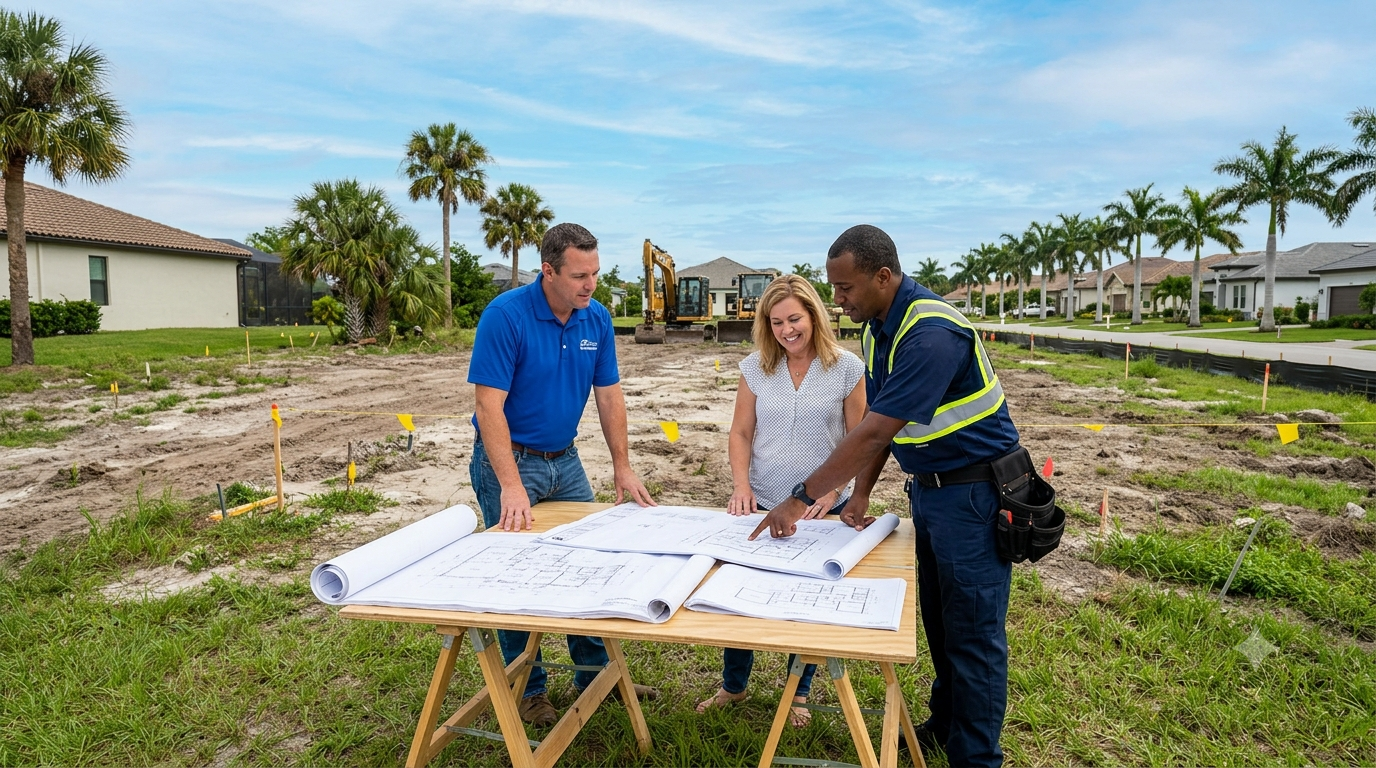
A Tampa homeowner opens an insurance company’s repair estimate after a roof leak, and the number on the page doesn’t match the damage sitting in front of them.
This happens more often than most policyholders expect, and it’s usually the first moment someone starts researching how to choose a property insurance adjuster in Tampa instead of taking the insurer’s first offer at face value.
Choosing the right property insurance adjuster isn’t about picking the first name that shows up in a search. It’s about understanding what the role actually involves, what separates a strong adjuster from a weak one, and which questions expose the difference before you sign anything.
What a Property Insurance Adjuster in Tampa Actually Does
A property insurance adjuster in Tampa inspects your damage, documents it in detail, calculates its repair or replacement value, and negotiates that value with your insurance company.
The job sounds simple on paper. In practice, it involves reading policy language most homeowners never look at twice, spotting damage an insurer’s own adjuster might miss or minimize, and pushing back when a settlement offer doesn’t reflect the real cost of repair.
There are two very different kinds of adjusters in this picture, and confusing them is the most common mistake Tampa homeowners make. One works for the insurance company. The other works for you. Both may show up to inspect the same property, but they are not on the same side of the table.
Why That Distinction Matters More Than the Sales Pitch
The insurance company’s adjuster is paid by the insurer, reports to the insurer, and is measured, at least in part, on how efficiently claims get closed. That doesn’t automatically mean a low or dishonest estimate. It means their incentives point in a different direction than yours.
A property insurance adjuster who works for you has the opposite incentive. Their job is to build the strongest possible case for the full value of your loss, not to close the file quickly. Keeping this distinction in mind while you compare options will filter out a lot of noise.
What to Look For Before You Hire
Licensing and Standing
Ask for the license number directly and check it yourself on the state’s licensing portal rather than taking a business card at its word. A property insurance adjuster with nothing to hide will give you this information without hesitation.
Fee Structure in Writing
Most adjusters who represent policyholders work on a contingency fee, typically a percentage of the final settlement. Get the exact percentage in writing before signing anything, along with clarity on when that fee is calculated and whether it applies to the full settlement or only the increase they secure. Vague answers here are worth treating as a warning sign.
Communication and File Ownership
Who Actually Handles Your Claim Day to Day
Some firms hand your file to whoever is available that week. Ask who will personally inspect your property, negotiate on your behalf, and answer your calls. A single point of contact tends to produce a smoother process than a rotating cast of representatives.
How Often You’ll Get Real Updates
A property insurance adjuster in Tampa worth hiring should be able to tell you, specifically, how often you’ll hear from them and through what channel. Vague promises of “we’ll keep you posted” without a defined cadence usually mean you’ll be the one doing the chasing.
Experience With Your Type of Loss
Hurricane wind damage, plumbing failures, and fire losses each involve different documentation standards and different points where insurers push back. Ask directly how many claims like yours this adjuster has handled recently, not just how many years they’ve been licensed.
Red Flags Worth Walking Away From
- Requests for payment before any work is done, since legitimate representation is typically contingency-based
- Pressure to sign on the spot without time to review the contract
- Vague or shifting answers about license status or fee percentage
- No willingness to provide references from recent Tampa claims
When Hiring Makes the Biggest Difference
| Claim Situation | Complexity Level | Why Representation Matters |
| Minor plumbing leak, isolated damage | Low | Documentation is simple, though a second opinion can still catch missed items |
| Hurricane wind or roof damage | Moderate to High | Scope disputes and depreciation calculations are common points of underpayment |
| Fire or smoke damage | High | Hidden damage and disputes over what counts as covered “physical damage” are frequent |
| Reopened or previously settled claim | High | Requires detailed evidence that the original settlement fell short |
Frequently Asked Questions
Does hiring a property insurance adjuster in Tampa cost anything upfront?
Most adjusters who represent policyholders work on contingency, meaning they’re paid a percentage of the settlement only after you receive payment. Legitimate firms rarely ask for money before an inspection or before any work begins.
Can I switch adjusters if I’m not satisfied partway through my claim?
Florida law gives policyholders a cooling-off period after signing a contract, and specific cancellation rights apply depending on your circumstances. Review your signed agreement closely and ask directly about cancellation terms before you commit.
Is a property insurance adjuster in Tampa the same as the adjuster my insurance company sends?
No. The insurer’s adjuster represents the insurance company. A public adjuster represents you, the policyholder, and works to build your side of the claim independently.
What documentation should I gather before contacting an adjuster?
Photos and video of the damage, your policy documents, any prior correspondence with your insurer, and receipts for temporary repairs or expenses all help an adjuster build a stronger case from the start.
The Bottom Line
Choosing a property insurance adjuster in Tampa comes down to verifying credentials, getting fee terms in writing, and understanding exactly who will be handling your claim before you sign anything. The insurance company already has someone representing its interests at the table. Making an informed choice about who represents you is worth the extra time it takes.