

 English





















































































































































































































































































































































































































































































































































































































































































































































































































































































































































































































































































































































































































































































































































































































































































































































































































































































IPL-Style Player Auction: How to Run One for Your Local League


An IPL-style auction can turn a local cricket tournament into a more structured and engaging competition. Instead of assigning players directly to teams, organizers give every team a fixed budget and let them compete for players through live bidding. With the right cricket auction app, even a local league can run this process without relying entirely on spreadsheets, calculators, and manual records.
The concept is simple: create a player pool, set team budgets, establish bidding rules, and conduct a live auction. The challenge is making sure every bid, purchase, squad, and remaining purse is tracked correctly.
This guide explains how local league organizers can plan and run an IPL-style player auction from start to finish.
What Is an IPL-Style Player Auction?
An IPL-style player auction is a team-building process where registered players are placed into an auction pool and teams compete to acquire them.
Each team normally receives a predetermined purse. Players have a base price, and participating teams increase the price through bids until the auctioneer closes the bidding.
For example:
| Auction Stage | Example |
|---|---|
| Team purse | ₹100,000 |
| Player base price | ₹5,000 |
| Bid increment | ₹1,000 |
| Current bid | ₹12,000 |
| Winning team | Team A |
| Remaining purse | ₹88,000 |
The exact numbers can be changed according to the size and budget of the tournament.
For a local league, the goal is not to copy every rule used by a professional competition. Instead, organizers should adapt the auction format to their number of teams, players, venue, budget, and playing conditions.
Why Should a Local Cricket League Use an Auction?
Player auctions can solve several common problems in local tournaments.
Fairer Player Distribution
Without an auction, teams may be formed through personal selection or informal negotiations. This can result in uneven squads.
An auction introduces a defined process in which teams compete according to the same rules.
More Team Strategy
A team has to decide when to bid and when to stop.
Spending heavily on one star player could leave less money for bowlers, all-rounders, or a wicketkeeper. A team therefore needs a squad strategy rather than simply trying to win every player.
Better Event Experience
A properly managed auction can become an event before the tournament itself.
Team owners, captains, players, and spectators can follow the bidding and see how squads develop.
Easier Budget Control
A fixed purse gives every team a clear spending limit. Digital player auction software can make it easier to monitor purchases and remaining budgets during the event.
Step 1: Decide Your Auction Format
Before collecting player information, decide how the auction will work.
Consider:
- Number of teams
- Number of players
- Team purse
- Minimum squad size
- Maximum squad size
- Player categories
- Base prices
- Bid increments
- Maximum bid limits
- Retention rules
- Unsold-player process
- Re-auction rules
A local eight-team league, for example, may need a much simpler system than a large multi-division tournament.
Avoid adding complicated rules simply because professional leagues use them. The best auction is one that participants can understand quickly.
Step 2: Build the Player Pool
Create a verified list of players before auction day.
Useful player information can include:
- Name
- Photograph
- Playing role
- Batting style
- Bowling style
- Playing category
- Base price
- Previous performance
- Contact or registration information
For cricket, you might divide players into categories such as:
Batter: Opening and middle-order players.
Bowler: Fast, medium-pace, or spin options.
All-rounder: Players who contribute with both bat and ball.
Wicketkeeper: Specialist wicketkeepers and players who can keep as a secondary role.
The categories should reflect how your league actually selects squads.
Step 3: Set a Realistic Team Purse
The purse determines much of the auction strategy.
Suppose eight teams each receive ₹100,000. The total spending capacity across the auction is ₹800,000.
A team should not spend most of its purse immediately unless the rules and squad size make that practical.
For example, if a team needs 12 players, spending ₹50,000 on one player may create problems later.
Organizers should therefore publish the purse and squad requirements before bidding begins.
Step 4: Establish Bid Increments
Bid increments keep the auction moving.
For example:
- Base price: ₹5,000
- Increment: ₹1,000
The bidding could progress:
₹5,000 → ₹6,000 → ₹7,000 → ₹8,000 → ₹9,000
You can also use different increments at different price levels.
For example:
| Current Price | Bid Increment |
|---|---|
| ₹1,000–₹10,000 | ₹500 |
| ₹10,000–₹25,000 | ₹1,000 |
| Above ₹25,000 | ₹2,000 |
This is optional. A single fixed increment is often easier for smaller leagues.
Step 5: Plan the Auction Order
Player order can influence the entire auction.
Organizers can group players by:
- Category
- Playing role
- Base price
- Skill level
- Random order
For a local cricket competition, grouping players by role can make squad planning easier.
For example, the auction could move through:
- Marquee players
- Batters
- All-rounders
- Wicketkeepers
- Bowlers
- Emerging players
- Unsold-player round
The important thing is to announce the system beforehand.
Step 6: Set Up the Auction Room
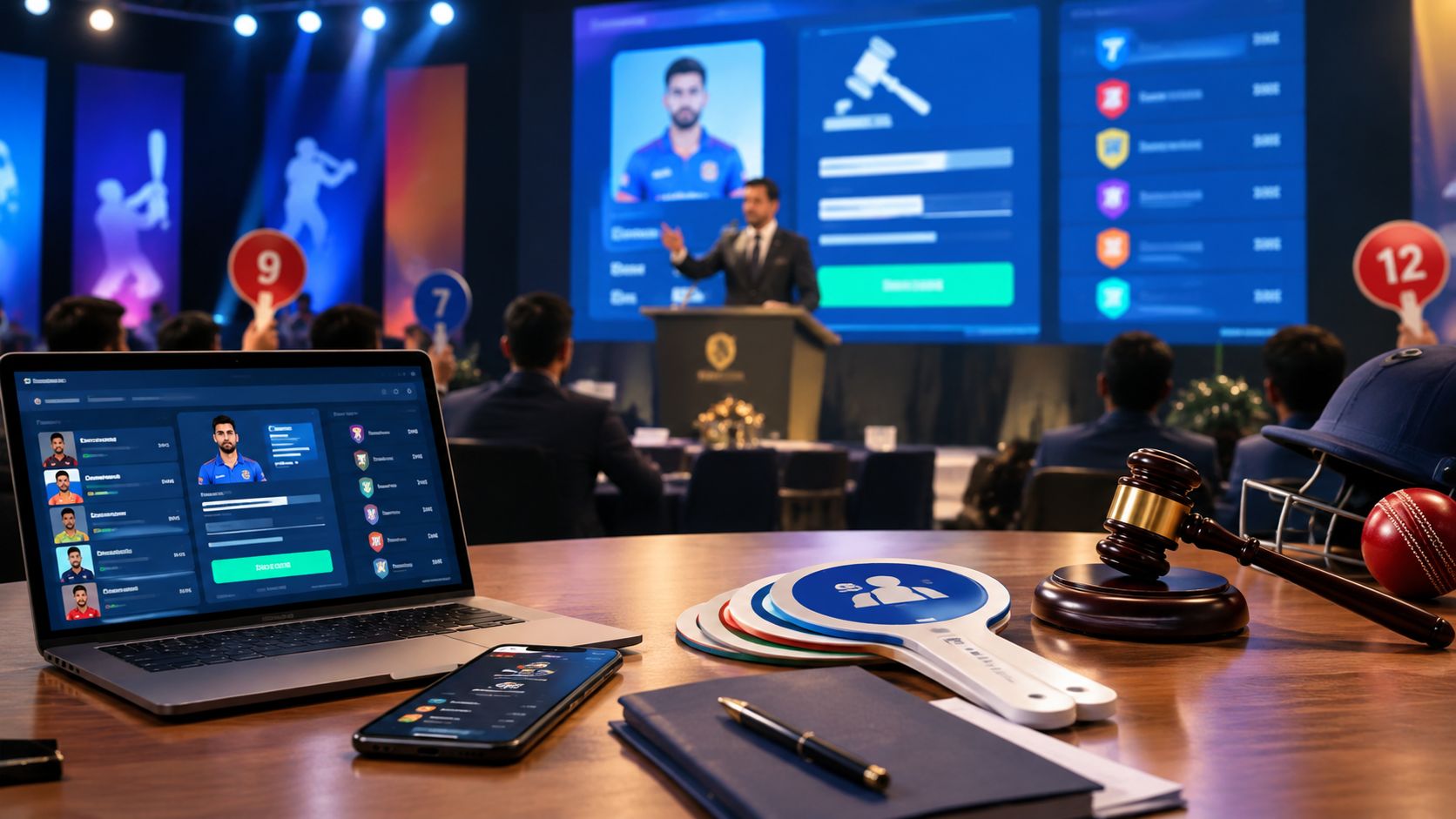
The auction room cricket experience should make the current player and bid easy to follow.
A physical setup may include:
- Auctioneer
- Main display
- Team screens
- Team representatives
- Auction operator
- Player catalogue
- Bid paddles
- Scoreboard or projection system
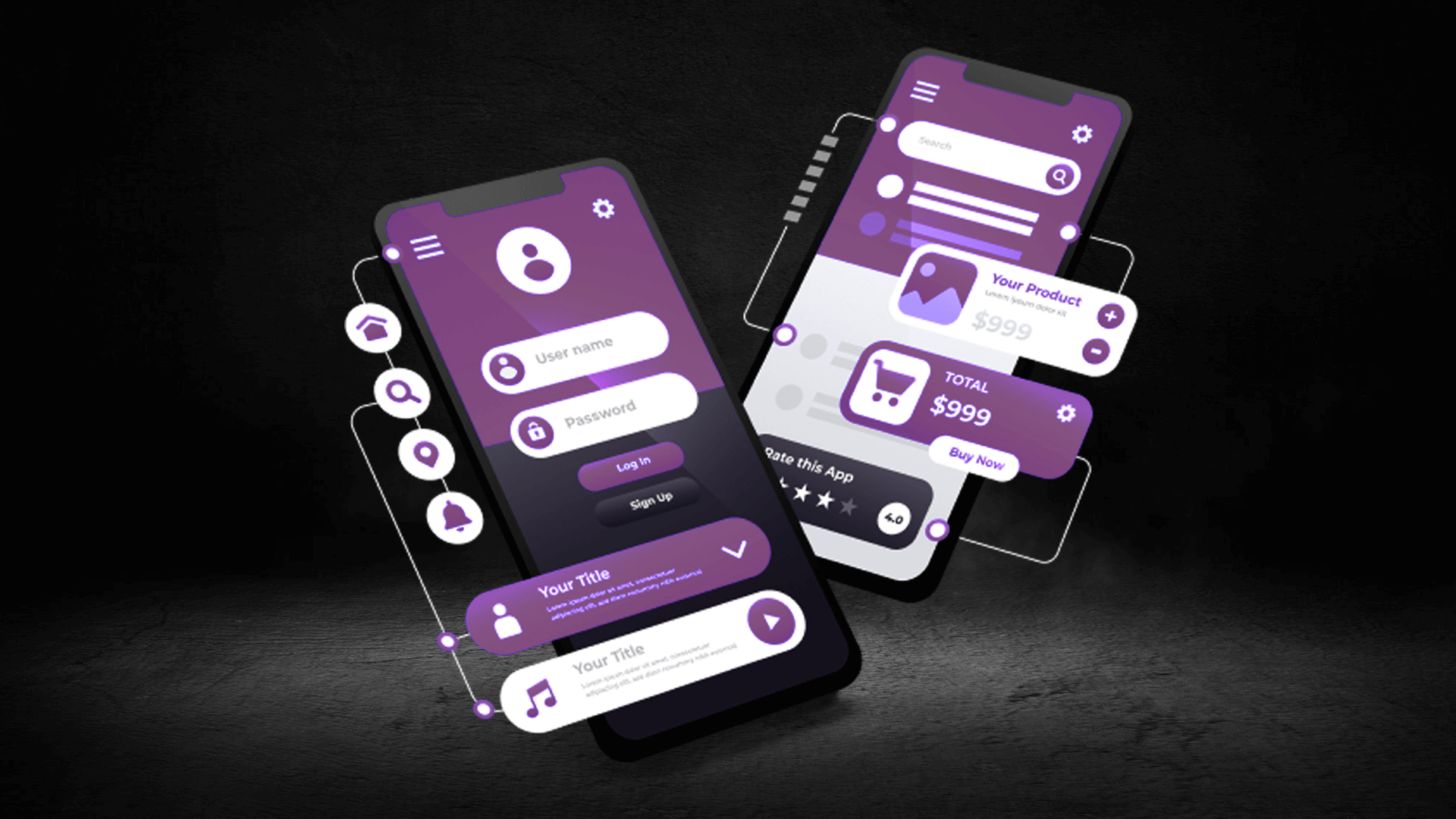
For larger events, a multi-screen digital interface can show different information to different participants.
The auctioneer can focus on bidding while team representatives monitor their purse and squad.
This separation reduces unnecessary interruptions during the event.
Step 7: Use Technology to Track Live Bids
Manual tracking becomes increasingly difficult when several teams are bidding simultaneously.
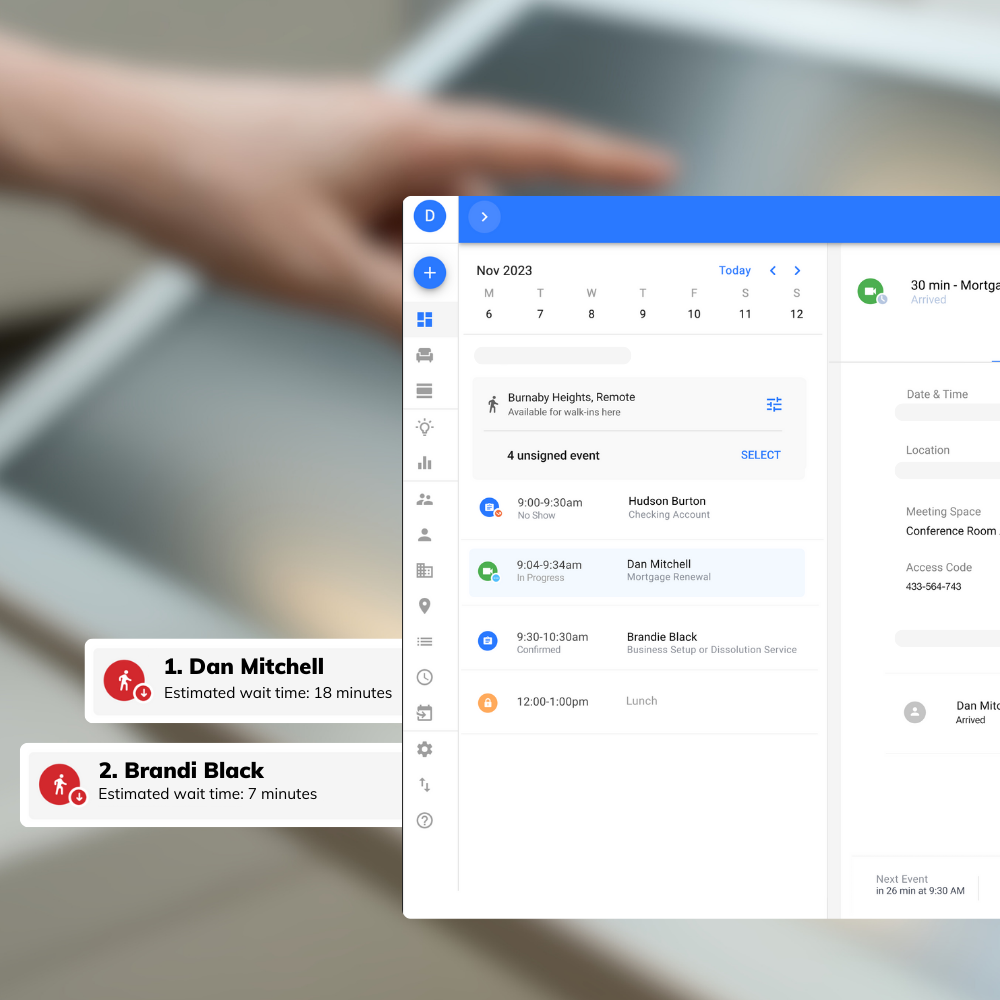
A cricket auction app or dedicated auction platform can help organize information such as:
- Current player
- Current bid
- Winning team
- Team purse
- Purchased players
- Remaining squad slots
- Player status
- Sold or unsold players
The technology should support the auction rules rather than replace the auctioneer’s role.
CricBattle Auction House, for example, is designed for sports player auctions with tournament, team, player, bidding, and auction management capabilities.
Step 8: Run a Test Auction
Never wait until the actual event to discover a technical or rules problem.
Run a short practice auction using five to ten sample players.
Test:
- Team logins
- Bidding
- Bid increments
- Budget calculations
- Player status
- Sold confirmation
- Unsold players
- Screen displays
- Internet connection
- Operator controls
Ask team representatives to participate in the test.
A five-minute technical problem during testing is much easier to solve than the same problem during a live auction.
Step 9: Train Team Owners and Captains
Every participant should know the bidding process before the auction begins.
Give teams a short briefing covering:
- How to place a bid
- How the current bid is displayed
- How much money remains
- How many squad slots remain
- What happens after a player is sold
- How disputed bids are handled
- What happens when a team becomes ineligible to bid
This is particularly important when participants have never used auction software before.
Step 10: Define the Unsold Player Process
Not every player will attract a bid.
Decide in advance what happens when this occurs.
Common options include:
- Mark the player unsold
- Move the player to a later round
- Reduce the base price
- Conduct a final unsold round
- Allow teams to nominate players
A defined process prevents arguments and delays.
Common Mistakes to Avoid
Starting Without Final Rules
Changing rules halfway through an auction can create disputes.
Using Unverified Player Data
Incorrect player roles or duplicate registrations can create problems during squad selection.
Allowing Manual Budget Errors
A single calculation mistake can affect several later bids.
Making the Auction Too Complicated
Local leagues should prioritize clarity. Participants should understand the rules without needing a long manual.
Ignoring Technical Backup
Have a clear procedure for internet failures, device problems, disputed bids, and temporary auction pauses.
Forgetting Post-Auction Records
The final squads, purchase prices, and remaining budgets should be preserved after the auction.
Manual Auction vs Player Auction Software
| Feature | Manual Setup | Player Auction Software |
|---|---|---|
| Player records | Spreadsheet/paper | Digital database |
| Bid tracking | Manual | Digital |
| Budget calculation | Manual | System-supported |
| Squad monitoring | Manual | Digital |
| Player status | Operator updates | Auction workflow |
| Multiple screens | More difficult | Supported by suitable platforms |
| Post-auction records | Manual compilation | Digital records |
| Scalability | Limited | Better suited to larger events |
Manual auctions can still work for very small tournaments. The decision depends on the number of teams, players, auction rules, and people available to operate the event.
How CricBattle Can Support a Local League Auction
For organizers who want a structured digital setup, CricBattle Auction House provides tools for managing sports player auctions.
The platform can support cricket auctions alongside football, kabaddi, pickleball, corporate tournaments, clubs, communities, and private sporting groups.
Its auction offering includes digital auction interfaces, player and team management, customizable rules, auction materials, and options for online or hosted auctions.
The important consideration for any organizer is choosing an auction setup that matches the tournament’s actual requirements.
Download the CricBattle App
CricBattle is also available as a mobile app for users who want access to its broader sports and fantasy experience.
Download the CricBattle app on the App Store:
https://itunes.apple.com/us/app/cricbattle-fantasy-sports/id1154839276?mt=8
Conclusion
An IPL-style player auction can give a local cricket league a clear and competitive way to build teams. The process works best when organizers plan the player pool, purse, bidding increments, squad requirements, auction order, and unsold-player rules before the event.
Technology can then handle much of the repetitive administration.
A suitable cricket auction app or player auction platform can help organizers monitor bids, team budgets, player status, and final squads while the auctioneer concentrates on running the event.
For a local league, the objective should not be to copy the IPL in every detail. Build a format that is fair, easy to understand, affordable to operate, and appropriate for your players and teams. That is what turns a player auction from a complicated selection process into a well-managed part of the tournament.
FAQs
How do I conduct an IPL-style auction for a local cricket league?
Start by deciding the number of teams, team purse, squad limits, player categories, base prices, bid increments, and auction order. Build a verified player pool and use a structured auction process to record each winning bid and team purchase.
What is the best format for a local cricket player auction?
There is no single format that suits every league. A simple fixed purse, clear bid increments, defined squad limits, and a final unsold-player round are often enough for a local competition.
Do I need player auction software for a local tournament?
Not necessarily. A small auction can be managed manually. However, software becomes more useful as the number of teams, players, bids, and rules increases because organizers have more information to track.
What should the team purse be in a local cricket auction?
The purse depends on the tournament’s budget and player valuation. It should be large enough to create meaningful bidding differences while allowing teams to build complete squads.
How should I decide player base prices?
Base prices should reflect the tournament’s level, player pool, and purse. Avoid setting every player’s price too high, as this can reduce bidding flexibility.
What happens if nobody bids for a player?
The player can be marked unsold and brought back in a later round, offered at a revised base price, or handled according to a pre-announced unsold-player rule.
What should be displayed in a cricket auction room?
At minimum, participants should be able to see the current player, base price, current bid, bidding team, and auction status. Team representatives should also have access to their purchases and remaining purse.
Can an auction platform be used for sports other than cricket?
Yes. Modern sports auction platforms can be configured for different sports and competition formats. The rules and player categories should be adapted to the sport rather than using an identical setup for every tournament.
Post Views: 56