

 English






























































































































































































































































































































































































































































































































































































































































































































































































































































































































































































































































































































































































































































































































































































































































































































































































































White Label Taxi App vs. Custom Uber Clone: Which Is Right for Your Business?

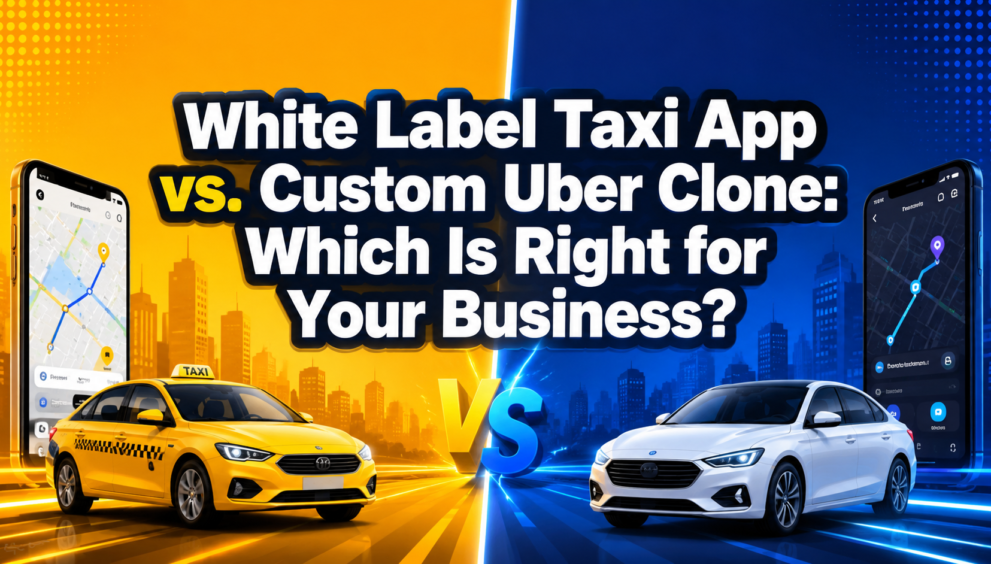
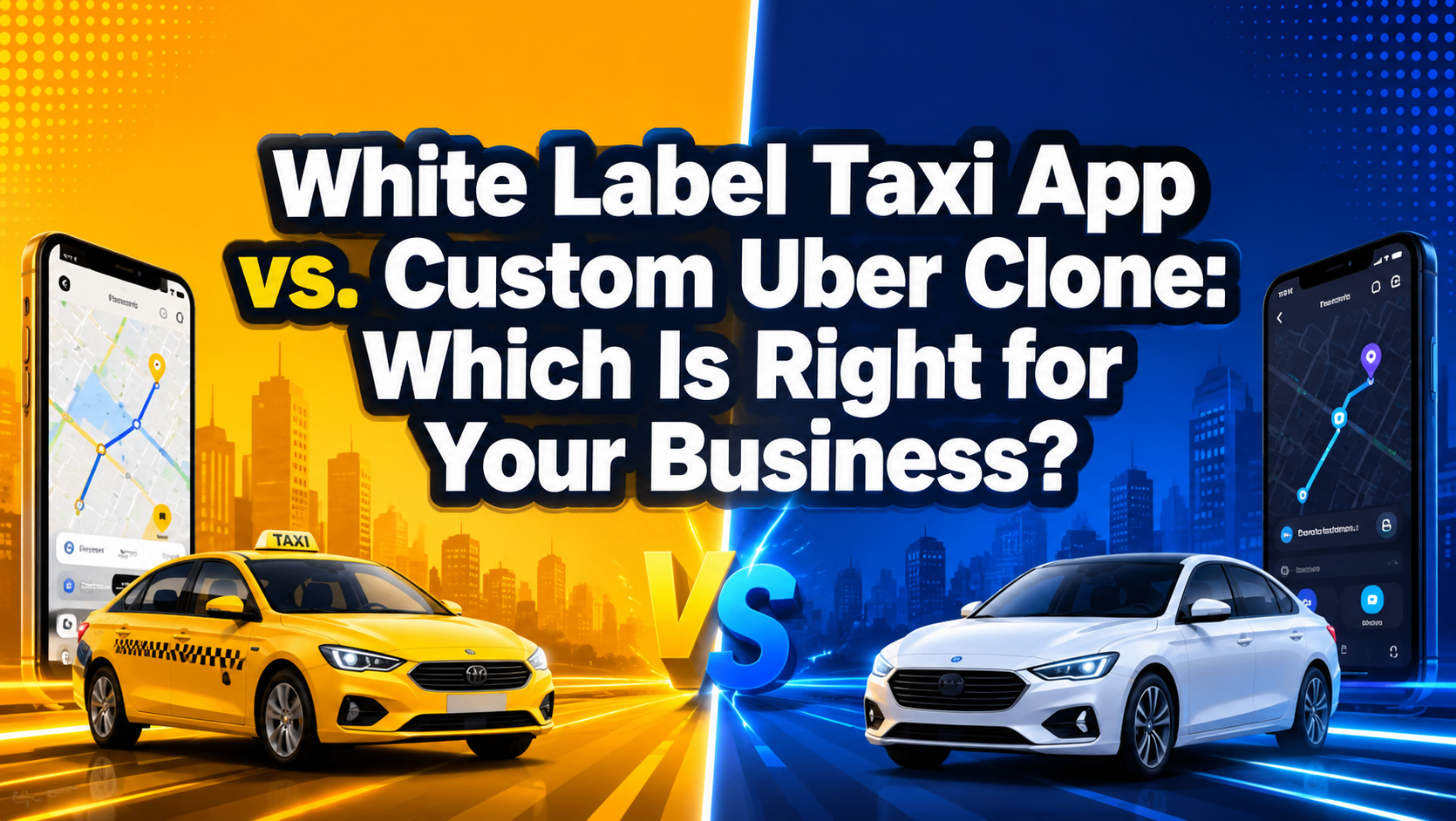
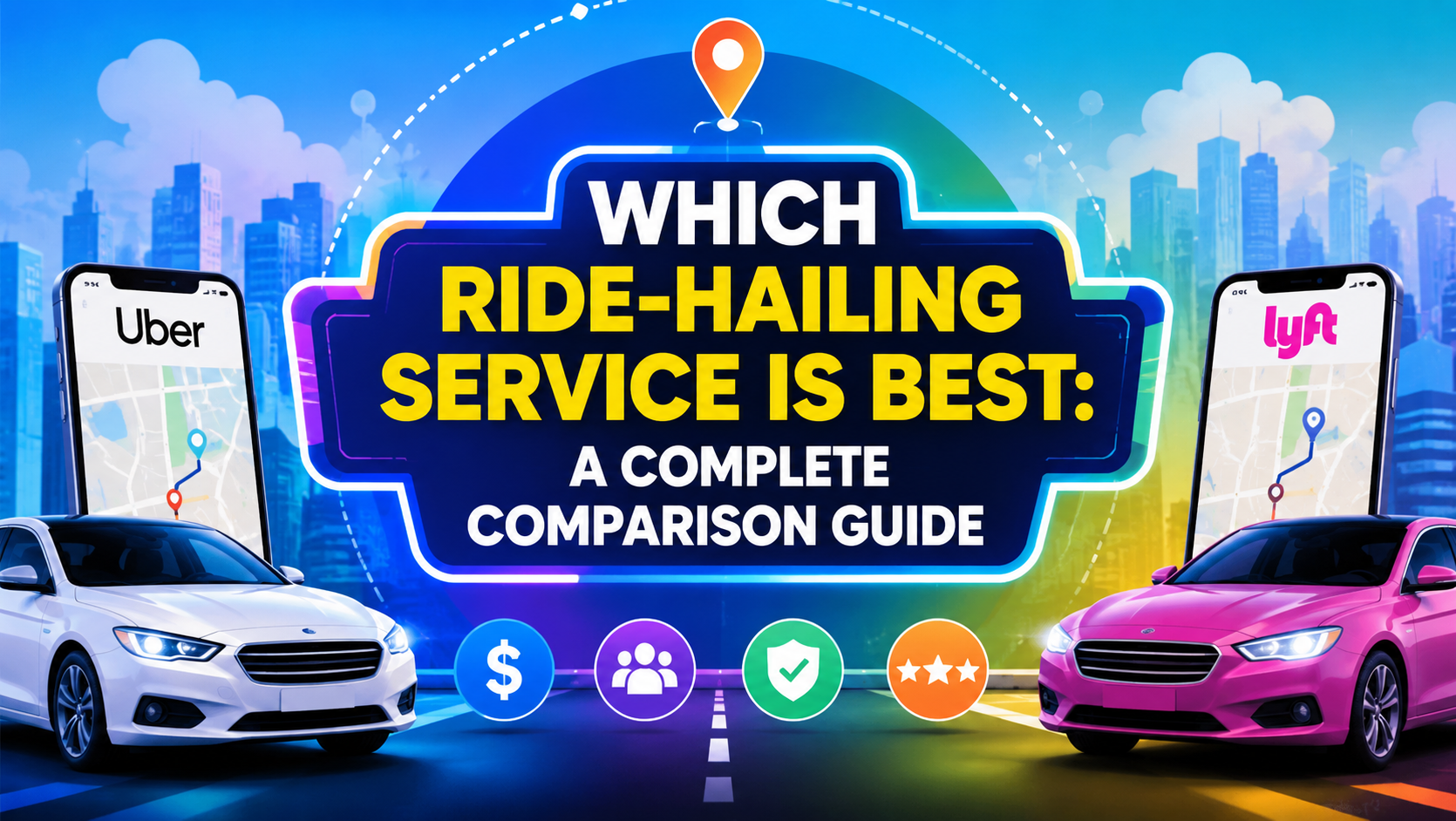
If you’re planning to launch a ride-hailing business in the USA, one of the first decisions you’ll face isn’t about branding or funding — it’s about the app itself. Do you go with a white label taxi app that’s ready to deploy in weeks, or invest in a custom Uber clone app development solution built from the ground up for your business?
Both paths can get you into the ride-hailing market. But they differ significantly in cost, timeline, scalability, and long-term ownership. This guide breaks down both models so you can make the right call before you spend a single dollar on development.
What Is a White Label Taxi App?
A white label taxi app is a pre-built, ready-made ride-hailing solution that a development company licenses out and rebrands with your business’s name, logo, and color scheme. The core functionality — ride booking, driver matching, GPS tracking, and payments — is already built. You’re essentially renting a proven system rather than building one from scratch.
This model is popular with entrepreneurs who want to launch quickly, test a local market, or run a lean taxi booking app without a large upfront tech investment.
Advantages of a White Label Taxi App
- Faster launch — Since the core app is already developed, deployment can take a few weeks instead of months.
- Lower upfront cost — You avoid the expense of building software architecture from zero.
- Proven stability — The codebase has typically been tested across multiple client deployments already.
- Lower technical risk — Bugs and edge cases have often already been identified and resolved.
Limitations of a White Label Taxi App
- Limited customization — You can rebrand it, but deep feature changes or unique workflows are often restricted by the vendor’s architecture.
- Shared codebase dependency — Updates, security patches, and new features depend on the vendor’s roadmap, not yours.
- Scalability ceiling — As your ride volume grows, a shared or templated backend may struggle to handle enterprise-level demand.
- Less ownership — In many licensing models, you don’t fully own the source code, which limits your long-term flexibility if you want to pivot or scale aggressively.
What Is a Custom Uber Clone App?
A custom Uber clone is built specifically for your business from the ground up — replicating Uber’s core mechanics (real-time ride matching, live GPS tracking, dynamic pricing, secure payments) while giving you full control over features, design, and how the system scales. This is where working with a dedicated on-demand app development company makes the biggest difference, since the entire technology stack is tailored to your business model rather than adapted from someone else’s template.
Advantages of a Custom Uber Clone
- Full ownership of source code — You own the technology outright, which matters enormously if you plan to raise investment or sell the business later.
- Unlimited customization — Add features specific to your market: multi-stop rides, freight modules similar to Uber Freight, subscription plans, or loyalty programs.
- Built to scale — A custom-engineered backend (like those built on Node.js, PostgreSQL, and cloud infrastructure such as AWS) can handle rapid growth across cities and regions.
- Competitive differentiation — A templated white label app looks and feels like every other clone on the market. A custom build lets you stand out with a distinct passenger and driver experience.
- Long-term cost efficiency — While the upfront investment is higher, you’re not paying recurring licensing fees indefinitely.
Limitations of a Custom Uber Clone
- Higher upfront investment — Custom development typically costs more than licensing a white label solution. (For a detailed breakdown, see our guide on how much it costs to build an Uber clone app.)
- Longer development timeline — Building a fully tested, three-sided platform (passenger app, driver app, admin panel) takes more time than deploying a pre-built system.
- Requires a capable development partner — The success of a custom build depends heavily on choosing an experienced Uber clone app development company that understands ride-hailing architecture, not a generalist agency.
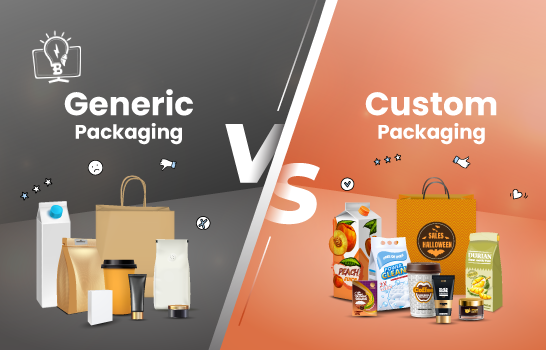
White Label vs. Custom: Head-to-Head Comparison
| Factor | White Label Taxi App | Custom Uber Clone |
|---|---|---|
| Time to launch | Weeks | Months |
| Upfront cost | Lower | Higher |
| Customization | Limited | Full control |
| Code ownership | Often licensed, not owned | Fully owned |
| Scalability | Limited by vendor architecture | Built for your growth trajectory |
| Branding flexibility | Cosmetic only | Complete (UX, features, workflows) |
| Best for | Testing a market, small local operators | Serious, long-term ride-hailing businesses |
Which One Should You Choose?
The right choice comes down to your business goals, budget, and growth timeline.
Choose a white label taxi app if:
- You want to launch fast and validate demand in a specific city or region.
- Your budget is limited and you need to keep upfront costs low.
- You’re comfortable with a standard feature set and don’t need heavy customization.
Choose a custom Uber clone if:
- You’re building a business you plan to scale across multiple cities or states.
- You need features tailored to a specific niche (e.g., freight, healthcare transport, or pickup and delivery services).
- Full code ownership matters for future fundraising, acquisition, or licensing opportunities.
- You want a distinct brand experience that doesn’t feel like a copy-paste template.
Final Thoughts
There’s no universally “right” answer — only the right answer for where your business is today and where you want it to go. A white label app can be a smart way to get moving quickly and test market demand with minimal risk. But if you’re serious about building a ride-hailing brand with long-term scalability, ownership, and differentiation, investing in a custom Uber clone app is almost always the stronger long-term play.
If you’re still weighing your options, it helps to talk through your specific business model with a team that’s built both. Uber clone app development services cover everything from lean MVP builds to fully custom, enterprise-grade ride-hailing platforms — so you can make this decision with real numbers and timelines in front of you, not guesswork.