

 English
















































































































































































































































































































































































































































































































































































































































































































































































































































































































































































































































































































































































































































































































































































































































































































































































































Shaping the Future of Commercial Window Systems: Innovation, Sustainability, and Industry Standards

In the ever-evolving landscape of commercial architecture, window systems serve as both a functional necessity and a design statement. From historic high-rise facades to the cutting-edge glass envelopes of today’s green buildings, the development of window technology has reflected broader industry shifts towards energy efficiency, sustainability, and enhanced occupant comfort. As the demand grows for buildings that are not only visually striking but also environmentally responsible, understanding the nuances of modern window systems is crucial for architects, developers, and facility managers alike.
Historical Context and Industry Evolution
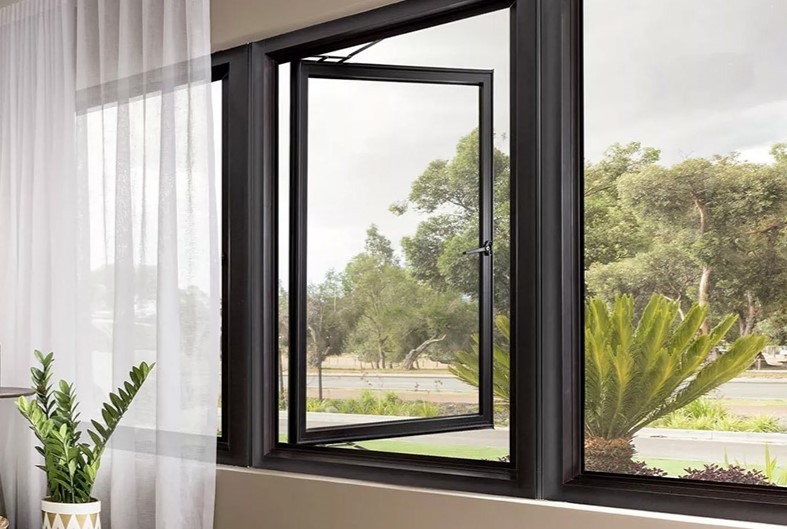
Traditionally, commercial windows were viewed primarily as static elements—panes of glass set within frames that offered basic protection against the elements. However, a combination of technological advancements and stricter regulatory standards has transformed this perspective. The shift towards more sophisticated materials and manufacturing processes has facilitated the creation of window systems that actively contribute to the building’s overall performance.
For example, the advent of double and triple-glazed units, insulating frame materials, and low-emissivity (Low-E) coatings have significantly improved thermal performance. According to industry data, modern high-performance glazing can reduce building energy consumption by up to 30%, a crucial factor given the UK’s commitment to net-zero targets by 2050.
Innovative Technologies Driving Industry Standards
| Technology | Description | Impact |
|---|---|---|
| Triple Glazing | Three layers of glass separated by inert gases such as argon or krypton. | Enhanced insulation with U-values as low as 0.8 W/m²K, improving energy efficiency. |
| Smart Glass | Electrochromic or photochromic glass that adjusts opacity in response to sunlight or user input. | Reduces glare and heat gain, contributing to passive energy management. |
| Acoustic Glazing | Multiple layered glass designed to block noise transmission. | Improves occupant comfort, especially in urban or noisy environments. |
| Sustainable Frame Materials | Use of recycled aluminium, timber, or composite materials. | Reduces embodied energy and supports LEED certification goals. |
| Thermally Broken Frames | Frames with insulating barriers to mitigate heat transfer. | Significantly reduces thermal bridging, improving overall building insulation. |
Industry Standards and Certification
Adhering to national and international standards is fundamental for ensuring quality, safety, and environmental responsibility. The UK’s regulatory framework, influenced by standards such as BS EN 14351-1 for windows and doors, sets benchmarks for air permeability, water tightness, and wind resistance.
Moreover, increasingly influential are sustainability certifications such as BREEAM and LEED, which encourage the integration of high-performance window systems to meet stringent environmental targets. For instance, a comprehensive window system specification aligned with UK building regulations can contribute towards achieving higher BREEAM ratings by boosting energy performance and reducing carbon footprint.
Case Study: Commercial Building Integration
Consider a modern office tower in central London aiming for a BREEAM Excellent rating. The integrating of advanced window systems—featuring triple-glazed units with Low-E coatings, thermally broken frames, and smart glass for adaptable shading—plays a pivotal role in meeting the project’s sustainability objectives.
“Implementing these innovative window solutions not only optimizes thermal performance but also enhances indoor environmental quality, which statistically correlates with increased productivity and occupant well-being,” explains Jane Smith, a senior sustainability consultant.
To explore detailed options and ensure optimal performance, architects and contractors often consult specialized suppliers, such as those featured on bsw-windows.co.uk. Such organisations offer a comprehensive range of certified, bespoke window solutions aligned with the latest standards—underscoring their credibility as industry leaders in delivering durable, energy-efficient glazing systems.
The Strategic Role of Expert Suppliers
In a competitive industry, the capacity to source reliable, high-quality window systems has direct implications for project outcomes. Categories like bespoke aluminium frames, innovative glazing options, and compliance with rigorous UK standards are supported by reputable manufacturers and installers. Engaging with credible providers, exemplified through platforms like bsw-windows.co.uk, ensures that building projects are future-proofed against building regulation updates and increased sustainability demands.
Conclusion: Navigating a Sustainable Future
The evolution of commercial window systems exemplifies how technological innovation and regulatory frameworks collectively shape sustainable urban development. As cities like London aim for carbon neutrality, the importance of integrating high-performance, compliant window solutions cannot be overstated.
Industry professionals must stay informed about emerging technologies and collaborate with expert suppliers to deliver buildings that exemplify excellence in energy efficiency and occupant well-being. For architects and decision-makers seeking reliable, innovative window solutions tailored to these ambitions, exploring credible sources like bsw-windows.co.uk offers a verified pathway to achieving these standards.
In the pursuit of smarter, greener buildings, the window system remains a fundamental yet often underestimated element—one that holds the power to redefine an entire project’s environmental footprint.