

 English







































































































































































































































































































































































































































































































































































































































































































































































































































































































































































































































































































































































































































































































































































































































































































































































































































Innovating Blockchain Gaming: The Rise of Play-to-Earn Models

Introduction: The Evolution of Digital Gaming & Blockchain Integration
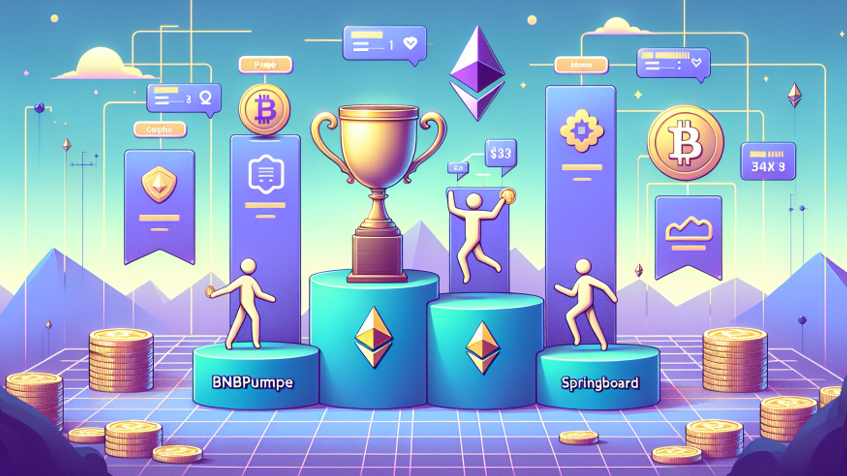
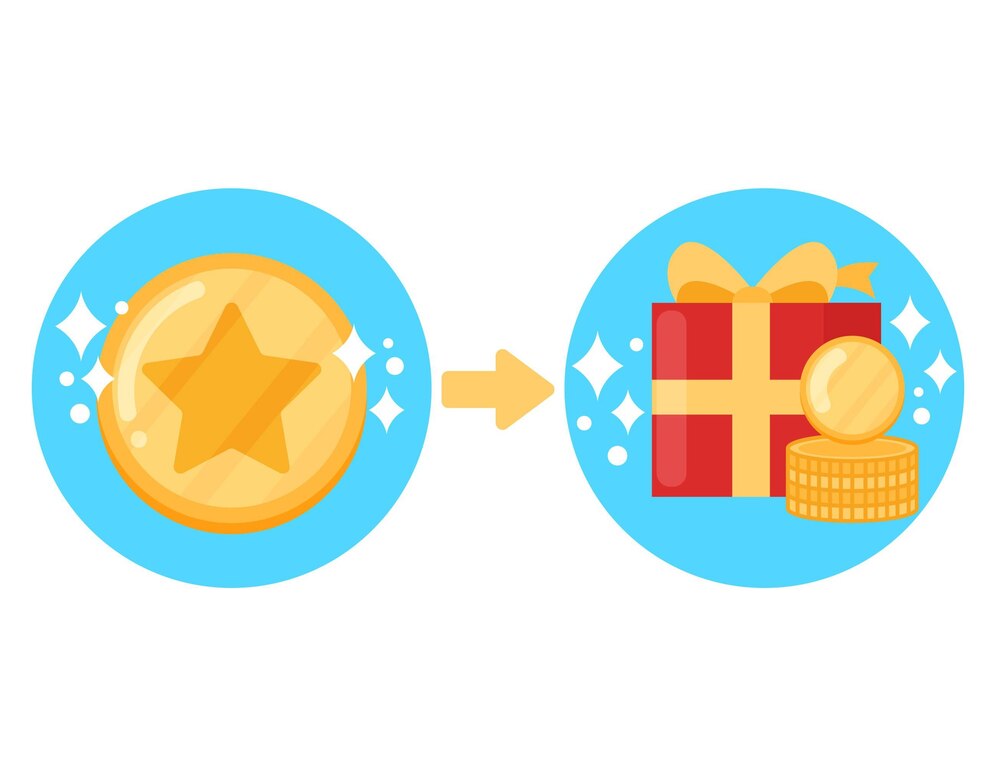
Over the past decade, the gaming industry has undergone a monumental transformation—driven by technological innovation, shifting player expectations, and the advent of blockchain technology. Traditional gaming models, centered on one-time purchases or subscriptions, are increasingly giving way to decentralized, play-to-earn (P2E) ecosystems that empower players as stakeholders.
This seismic shift is exemplified by emerging platforms that seamlessly blend gaming with blockchain assets such as non-fungible tokens (NFTs) and cryptocurrencies. These innovations are not merely about adding a digital layer but fundamentally redefine digital ownership, economic participation, and community engagement within gaming environments.
The Rise of Play-to-Earn: Industry Data & Trends
| Criterion | Data Point / Industry Insight |
|---|---|
| Market Growth | According to a 2023 report by DappRadar, the blockchain gaming sector surpassed $5 billion in transaction volume in the first half of the year, a 70% increase from the previous year. |
| Player Participation | Estimates suggest over 30 million unique active wallets engaged with blockchain-based games globally, with a significant portion being casual gamers drawn by earning potential. |
| Economic Impact | Major titles like Axie Infinity have shown individual players earning thousands of dollars monthly, with some even subsidizing their livelihoods purely through in-game assets. |
Core Technologies Fueling Modern Blockchain Gaming
The integration of blockchain technology into gaming hinges on several technological pillars:
- Smart Contracts: Facilitating automated, transparent transactions within game economies.
- NFTs: Creating true ownership of in-game assets, character skins, land plots, and collectibles that can be traded freely across platforms.
- Decentralized Finance (DeFi): Enabling innovative financial mechanisms like staking and yield farming within gaming ecosystems.
Challenges & Considerations
Despite the promising outlook, blockchain gaming faces hurdles such as high transaction fees, scalability issues, and regulatory uncertainties. Additionally, onboarding new gamers unfamiliar with blockchain concepts remains a significant barrier.
To ensure sustainable growth, developers must prioritize user experience, streamlined onboarding, and clear legal frameworks around asset ownership and trading.
Emerging Platforms and the Player Experience
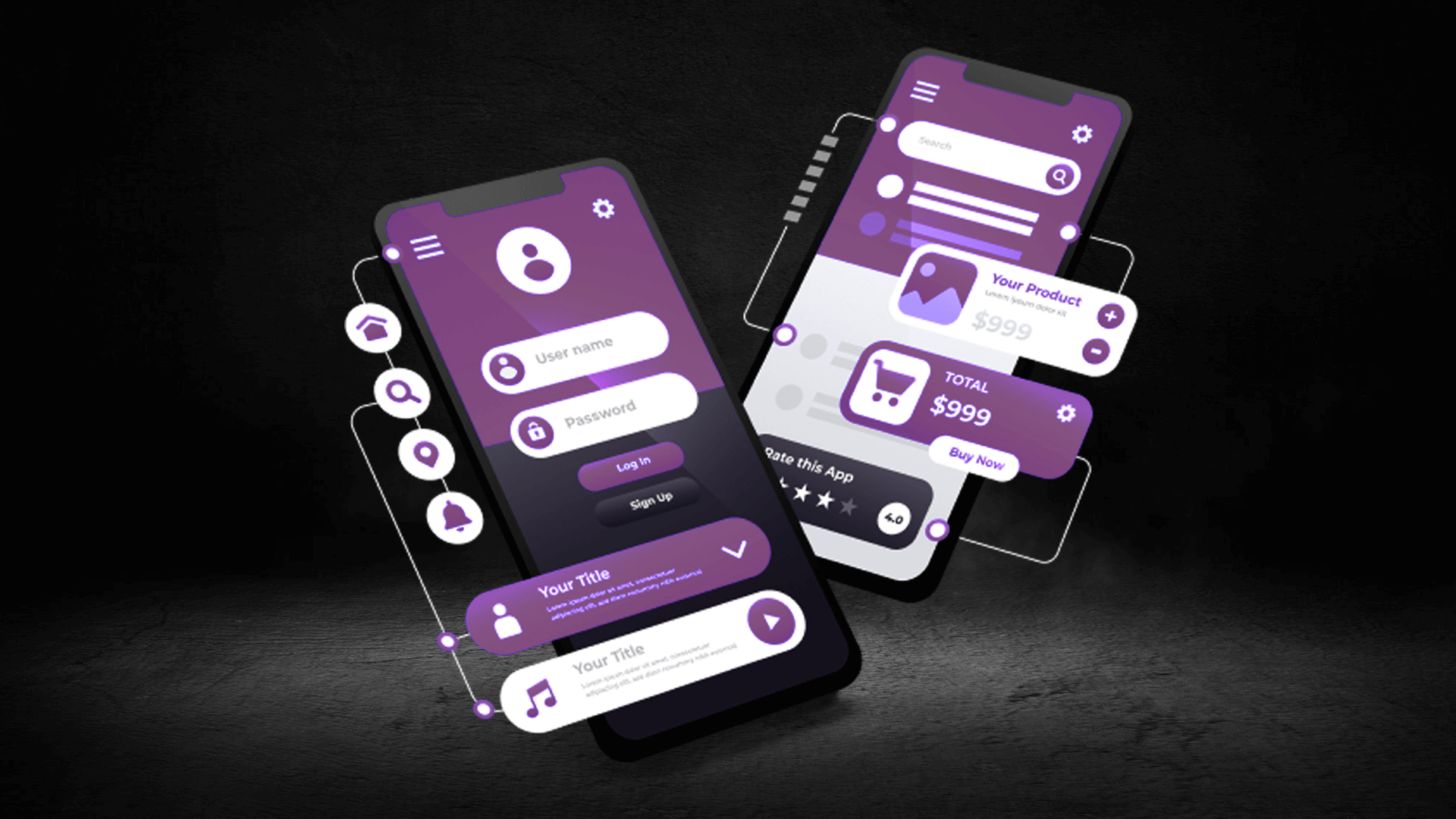
Platforms like get the Coinsurge Game app exemplify the latest in engaging, blockchain-powered gaming. These environments combine compelling gameplay with secure, transparent economic systems, providing players with genuine ownership of their in-game assets.
By integrating blockchain and traditional game mechanics, such platforms foster vibrant communities where players are incentivized to participate actively, strategize, and collaborate—leading to a more engaged and sustainable ecosystem.
Conclusion: The Future of Blockchain Gaming & Player Ownership
As we look ahead, blockchain gaming is poised to redefine the landscape not only as a source of entertainment but also as an economic avenue for millions worldwide. Innovations in interoperability, augmented reality, and community-driven development will further accelerate this trend.
For developers and investors aiming to stay ahead, understanding these technological shifts and leveraging credible platforms to engage users—such as through the get the Coinsurge Game app—will be critical to capitalizing on the burgeoning opportunity in this digital frontier.
“The convergence of blockchain and gaming is more than a trend; it’s a fundamental shift in how we conceptualize ownership, participation, and community in digital worlds.” — Industry Analyst, 2023