

 English





























































































































































































































































































































































































































































































































































































































































































































































































































































































































































































































































































































































































































































































































































































































































































































































Water Pressure Booster Pumps: A Guide for Building Owners


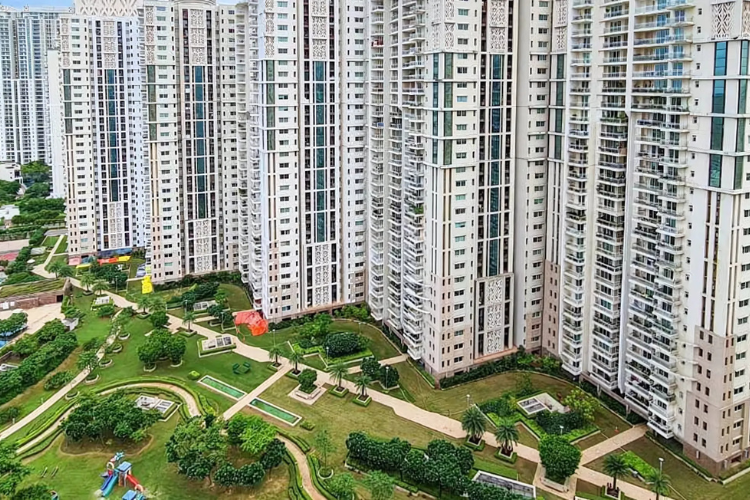
Low water pressure is one of the most common complaints in multi-story buildings, hotels, schools, hospitals and large homes. Municipal supply pressure is often fine at street level, but by the time water climbs several floors, passes through long pipe runs and serves many fixtures at once, the pressure at the tap can drop sharply. Water pressure booster pumps solve this problem by adding pressure to the incoming supply so that every outlet in the building receives steady, usable flow.
What Is a Booster Pump System?
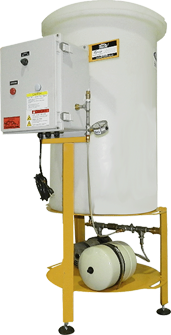
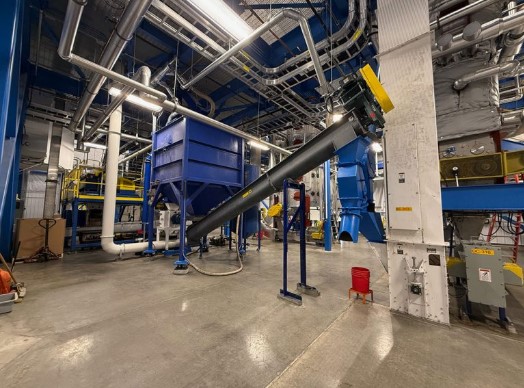
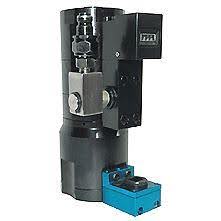
A booster pump system is a packaged assembly that sits between the incoming water main and the building’s distribution piping. It typically includes one or more pumps, a motor, a variable frequency drive (VFD), pressure sensors, a control panel, isolation valves, check valves and often a small hydropneumatic or bladder tank. When demand rises, the controls speed the pumps up; when demand falls, they slow down or stop.
Signs a Building Needs Pressure Boosting
- Weak showers or slow-filling fixtures on upper floors
- Pressure that drops sharply during morning and evening peak hours
- Flush valves that do not operate reliably
- Equipment such as dishwashers or ice machines that need minimum inlet pressure
- New additions or tenant fit-outs that increase demand beyond the original design
Simplex vs Multiplex Systems
A simplex system uses a single pump and works well for smaller commercial buildings, light industrial sites and larger residences. A duplex or triplex system uses two or three pumps that alternate and share the load. Multiplex systems offer redundancy, so if one pump is being serviced, the others keep the building supplied. They also run more efficiently because the controls can stage pumps on and off to match demand.
Why Variable Speed Matters
Older constant-speed booster systems ran pumps at full speed and relied on pressure-reducing valves to control pressure. That wasted energy and caused pressure swings. Modern systems with VFDs and permanent magnet motors vary the pump speed to hold a constant discharge pressure. The result is lower energy use, quieter operation, less wear and smoother pressure at the fixtures. Many controls also support standards such as ASHRAE 90.1 for energy efficiency.
Packaged vs Field-Built Systems
Some contractors build booster systems on site from separate components. Packaged systems arrive as a single skid that has been assembled, wired and tested at the factory. Packaged units shorten installation time, reduce coordination between trades and come with documentation such as a UL 508A control panel listing and factory test reports. For many projects, that makes commissioning faster and more predictable.
Sizing Considerations
Correct sizing depends on several factors:
- Minimum incoming pressure from the utility
- Required pressure at the highest and most remote fixture
- Peak flow demand, usually calculated from fixture units
- Friction losses in piping, meters and backflow preventers
- Available space in the mechanical room
An oversized pump wastes energy and cycles often, while an undersized one cannot meet peak demand. Working with an engineer and a manufacturer’s representative early in design helps avoid both problems.
Maintenance Tips
Booster systems are reliable when they are maintained. Check tank pre-charge pressure, inspect seals for leaks, review alarm logs, confirm that pumps alternate correctly and keep the controls’ firmware and settings documented. Having spare parts such as seals and sensors on hand shortens downtime.
Choosing a Supplier
Look for a supplier that offers configurable packaged systems, factory testing and support after installation. Tigerflow Systems, based in Dallas, Texas, builds packaged pumping systems for plumbing, HVAC and fire protection, including the Tigercub line of water pressure booster pumps for small commercial buildings. Its systems use variable speed controls, UL-listed panels and factory testing before shipment.
For more practical guides on business and building topics, browse the latest articles on Online Tech Learner.
Conclusion
Water pressure booster pumps turn an unreliable supply into consistent, comfortable pressure throughout a building. By choosing the right configuration, sizing it carefully and maintaining it well, owners and engineers can improve occupant comfort, protect equipment and reduce energy costs for years.