

 English















































































































































































































































































































































































































































































































































































































































































































































































































































































































































































































































































































































































































































































































































































































































































































































How to Select a Mobile App Development Partner?


Choosing the right development partner is one of the most important decisions you’ll make for your app’s success. A great idea can fail with the wrong team, while an average idea can thrive with the right one. Whether you’re a startup founder with a fresh concept or an enterprise looking to digitize operations, the partner you choose will directly shape your product’s quality, your budget, and your timeline.
This guide walks you through exactly what to look for, what red flags to avoid, and how to make a confident, informed decision — including why working with an established mobile app development company in dubai has become a smart move for businesses targeting the UAE and GCC markets.
Why Choosing the Right Partner Matters So Much
Your app isn’t just a piece of software — it’s often the first thing your customers interact with. A poorly built app leads to bad reviews, high uninstall rates, security vulnerabilities, and wasted budget. A well-built one drives revenue, builds brand trust, and scales with your business.
The difference between these outcomes usually comes down to one factor: who you hired to build it. That’s why selecting a development partner deserves the same level of diligence you’d apply to hiring a co-founder or a senior executive.
Step 1: Define Your Project Requirements Clearly
Before you even start searching for a partner, get clarity on your own project. Vague requirements lead to vague proposals, mismatched expectations, and budget overruns.
Ask yourself:
- What problem does this app solve, and for whom?
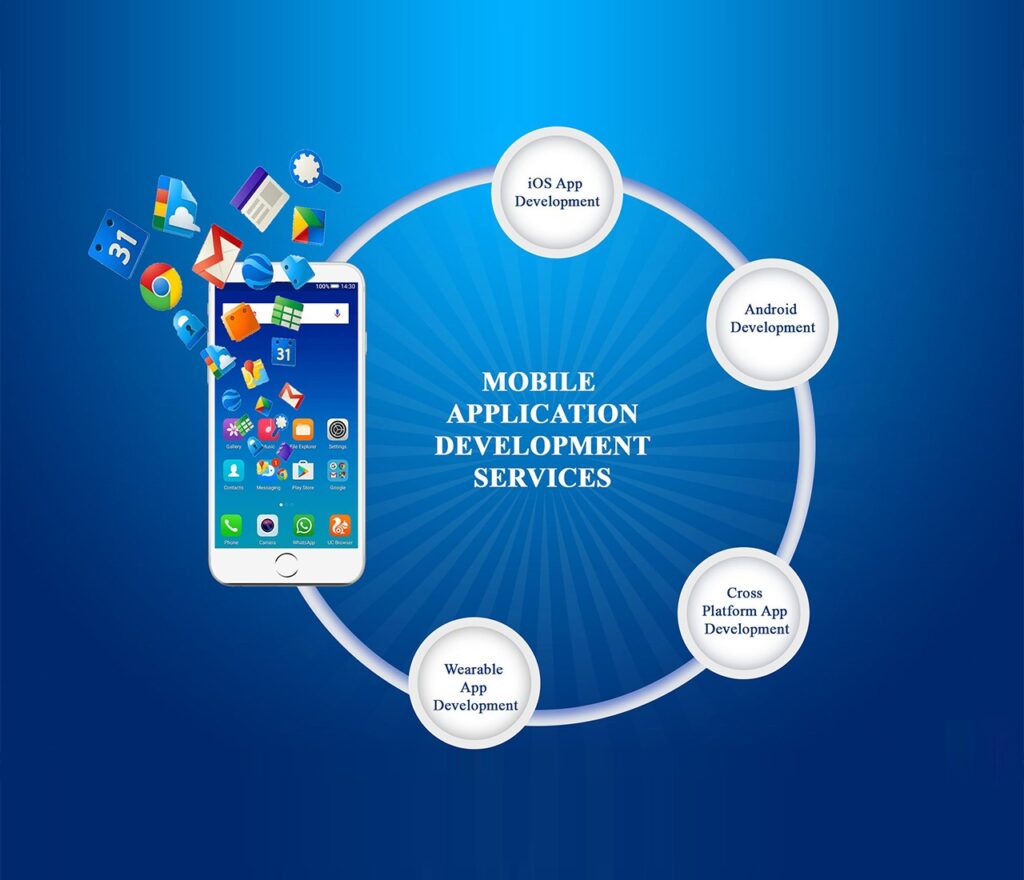
- Do you need iOS, Android, or both (native or cross-platform)?
- What are your must-have features versus nice-to-have features?
- What’s your realistic budget and timeline?
- Do you need ongoing support and maintenance after launch?
Having these answers ready — even in draft form — helps potential partners give you accurate estimates and lets you compare proposals on equal footing.
Step 2: Evaluate Their Portfolio and Case Studies
A development company’s past work tells you more than their sales pitch ever will. Look for:
- Relevant industry experience — have they built apps in your sector (fintech, healthcare, e-commerce, on-demand, etc.)?
- Design quality — is the UI modern, intuitive, and polished, or does it look outdated?
- Technical complexity — have they handled features similar to what you need (payments, real-time tracking, AI integration, third-party APIs)?
- Live apps, not just mockups — ask for links to apps that are actually published and being used by real customers.
Don’t just look at screenshots. Download the apps if possible, read their App Store and Google Play reviews, and see how the product performs in the real world.
Step 3: Check Technical Expertise and Tech Stack
Your partner should be fluent in the technologies your project actually needs, not just whatever they’re most comfortable selling you. Ask specific questions:
- Do they build native apps (Swift, Kotlin) or cross-platform apps (Flutter, React Native)? Can they explain which is right for your use case and why?
- Do they have in-house expertise in AI, machine learning, IoT, or blockchain if your app needs it?
- How do they handle backend architecture, cloud infrastructure, and scalability?
- What’s their approach to app security and data privacy compliance?
A team that pushes one technology for every project — regardless of your specific needs — is a warning sign. The right partner will recommend a stack based on your goals, not their convenience.
Step 4: Review Their Development Process
A structured, transparent process is one of the clearest indicators of a professional team. Ask them to walk you through their workflow, from initial consultation to post-launch support. A solid process typically includes:
- Discovery and consultation — understanding your business goals and market
- Wireframing and prototyping — visualizing the app before development begins
- Design approval — getting your sign-off before coding starts
- Agile development sprints — building in iterative cycles with regular check-ins
- Quality assurance and testing — functional, performance, and security testing
- Launch and deployment — submitting to the App Store and Google Play
- Post-launch support — bug fixes, updates, and ongoing maintenance
If a company can’t clearly explain their process, that’s often a sign of disorganization that will show up later as missed deadlines and scope creep.
Step 5: Assess Communication and Transparency
Even the most technically skilled team can derail a project through poor communication. During your initial conversations, pay attention to:
- How quickly and clearly do they respond to your questions?
- Do they explain technical concepts in a way you can understand, or do they hide behind jargon?
- Will you have a dedicated project manager or point of contact?
- How often will you receive progress updates — weekly calls, sprint demos, shared dashboards?
- Are they upfront about challenges, risks, and realistic timelines, or do they just tell you what you want to hear?
Transparency during the sales process is usually a preview of transparency during the actual project. If they’re evasive now, expect more of the same once the contract is signed.
Step 6: Understand Pricing Models and What’s Included
Cost matters, but the cheapest quote is rarely the best value. Understand exactly what you’re paying for:
- Fixed price — best for well-defined projects with clear scope
- Time and material — better for projects that may evolve during development
- Dedicated team model — ideal for long-term, ongoing product development
Make sure the quote clearly includes design, development, testing, deployment, and a defined support period after launch. Ask what happens if you need changes mid-project, and clarify who owns the source code and intellectual property once the project is complete — this should always be you.
Beware of quotes that seem dramatically lower than everyone else’s. They often signal corners being cut on testing, security, or post-launch support — costs that resurface later, usually at the worst possible time.
Step 7: Check Reviews, Ratings, and References
Independent validation matters. Check platforms like Clutch, GoodFirms, and Google Reviews for honest client feedback. Look specifically for comments about:
- Meeting deadlines
- Communication quality
- Handling of unexpected issues or scope changes
- Post-launch support responsiveness
Whenever possible, ask for direct references and actually speak with past clients. A confident, established company will have no hesitation connecting you with people who’ve worked with them before.
Step 8: Consider Location and Market Understanding
If you’re building for a specific region, local market knowledge is a real advantage. This is one reason so many startups and enterprises specifically search for a mobile app development company in Dubai when targeting the UAE market. A team based in or deeply familiar with Dubai understands:
- Local user behavior and expectations
- Arabic-English bilingual and RTL (right-to-left) design requirements
- UAE data protection regulations like the PDPL
- Regional payment gateways and integrations
- App Store pricing tiers and localization nuances specific to the Gulf market
A reputable mobile app development company in Dubai will also typically have direct experience across UAE-specific industries — from real estate and fintech to on-demand delivery and government services — giving them context that an offshore, generalist team may lack. That local insight can meaningfully shorten your learning curve and reduce costly missteps after launch.
Step 9: Evaluate Post-Launch Support and Long-Term Partnership Potential
Launching your app is the beginning, not the finish line. Apps need regular updates, bug fixes, OS compatibility updates, and feature additions to stay competitive. Before signing a contract, ask:
- What does post-launch support include, and for how long?
- What are their response times for critical bugs versus minor issues?
- Can they support long-term growth — scaling infrastructure, adding features, expanding to new platforms?
Ideally, you’re not just hiring a vendor for a one-time project — you’re choosing a long-term technology partner who can grow with your business.
Red Flags to Watch Out For
As you evaluate potential partners, be cautious of:
- Vague or unrealistic timelines (“we can build this in 2 weeks” for a complex app)
- Reluctance to share past work or client references
- Pressure tactics to sign quickly without a proper discovery phase
- No clear process for testing, security, or quality assurance
- Unclear ownership terms for your app’s source code and data
Trust your instincts here. If something feels rushed or unclear during the sales process, it will likely feel the same — or worse — once development begins.
Final Checklist Before You Sign
Before finalizing your decision, confirm:
- Clear, itemized project scope and pricing
- Realistic, agreed-upon timeline with milestones
- Defined communication cadence and dedicated contact
- Documented development and QA process
- Post-launch support terms in writing
- Full ownership of source code and IP transferred to you
- Verified reviews, references, and live portfolio apps
Conclusion
Selecting the right development partner is a decision that pays dividends — or costs you dearly — for years after your app launches. Take the time to clearly define your needs, thoroughly vet potential partners on their expertise and process, and prioritize transparency and communication over the lowest price tag.
If you’re building for the UAE market specifically, partnering with an experienced mobile app development company in Dubai gives you a meaningful edge — local market insight, regulatory awareness, and industry experience that a generic, region-agnostic team simply can’t match. Take your time, ask the hard questions, and choose a partner who treats your app idea with the same seriousness you do.