

 English















































































































































































































































































































































































































































































































































































































































































































































































































































































































































































































































































































































































































































































































































































































































































































































How to Choose a T Shirt Screen Printing Machine

Every print shop hits the same wall at some point. Orders grow, deadlines tighten, and old equipment starts slowing everything down.
One press might handle basic work just fine, but scaling production demands more than getting ink onto fabric. It demands speed, repeatability, clean registration, and fewer pauses between jobs.
That is where choosing the right t shirt screen printing machine becomes a serious business decision. The wrong setup creates wasted motion, uneven output, and lost profit. The right one supports better throughput, steadier quality, and smoother shop performance from the first print to the final pallet.
What Actually Matters When Choosing the Right Press
A press should do more than run. It should support the way your shop works today while preparing you for tomorrow’s volume. Many buyers focus first on price. However, smart operators study production flow, setup speed, print consistency, and long-term maintenance needs before making any decision.
A reliable machine affects every stage of garment decoration. It impacts operator fatigue, ink control, job turnaround, and customer satisfaction. Furthermore, the press must match your shop’s order profile.
A small contract printer handling short runs has different needs than a growing apparel shop chasing higher daily output. Consequently, the best buying decision starts with your actual production goals, not just a spec sheet.
Match the Press to Your Real Production Volume
Many shops buy too small and outgrow the machine quickly. Others buy too large and struggle with overhead, floor space, and unnecessary complexity.
- Start with your average run size, your peak rush periods, and your target turnaround times.
- If your shop handles short runs, specialty inks, and frequent design changes, flexibility matters most. If you produce long runs every day, output speed matters more.
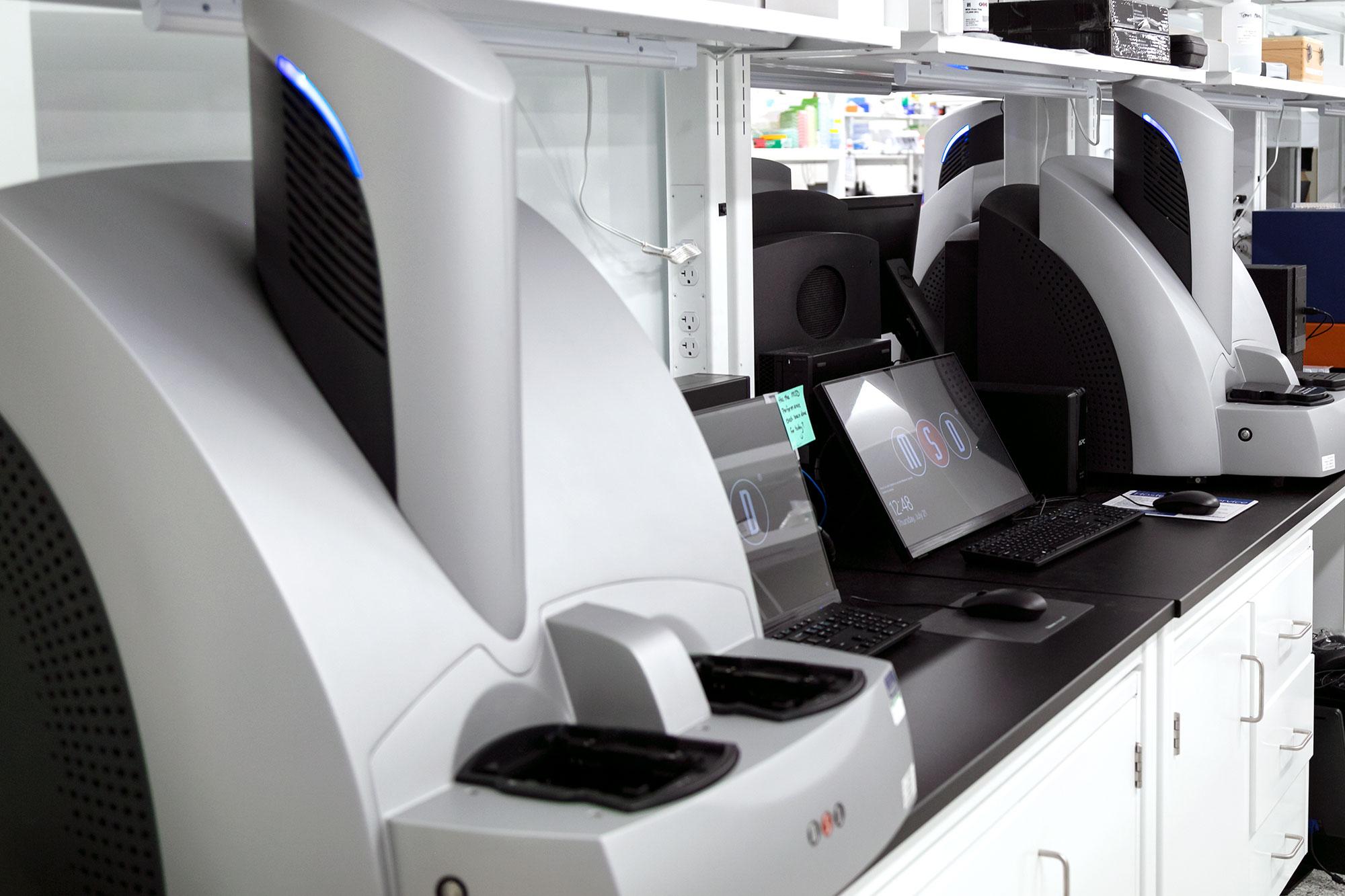
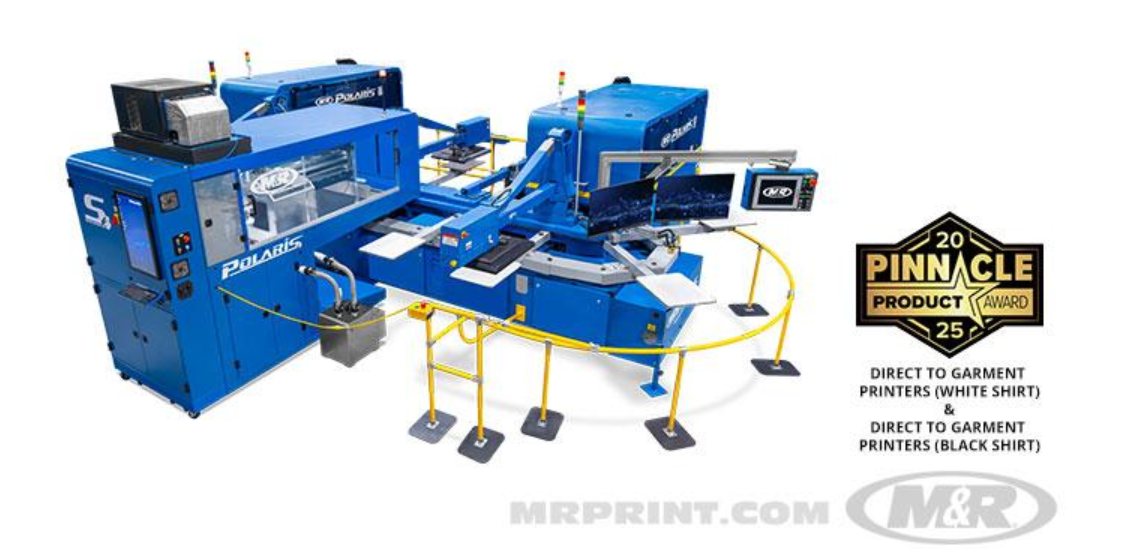
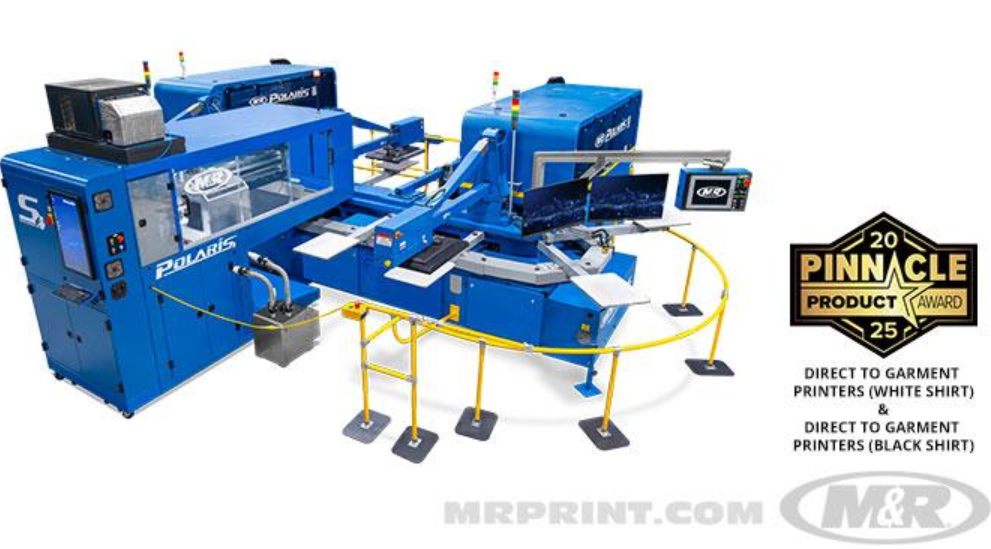
- A high-production carousel press gives growing shops a better shot at maintaining pace without sacrificing print quality. In addition, faster indexing, smooth printhead movement, and consistent stroke control reduce delays between impressions.
You should also think about staffing. A machine that saves setup time helps a lean team stay productive. Likewise, tool-free adjustments reduce downtime and simplify changeovers. That matters when operators switch between jobs several times daily.
Look Closely at Printhead Control and Registration Accuracy
A press can look impressive and still produce inconsistent work. That usually happens when registration drifts or print settings require constant correction. Therefore, printhead control deserves serious attention during evaluation.
Look for accurate off-contact adjustment, repeatable screen leveling, and stable frame support. These details improve print consistency across long runs. Moreover, presses with easy front and rear print-stroke adjustment allow more control when running different garment types or ink deposits. That versatility helps shops move from basic plastisol jobs to more demanding graphics without losing efficiency.
Registration systems also matter more than many buyers expect. Poor registration slows production, increases spoilage, and frustrates experienced operators. Meanwhile, fast and accurate screen alignment keeps jobs moving. For shops printing multi-color artwork, registration precision often makes the difference between profit and rework.
Think Beyond the Press: The Entire Workflow Drives Profit
A strong press alone will not fix a weak production line. Instead, profitable garment printing depends on how every station supports the next. That includes flash cure units, conveyor dryers, screen setup tools, and unloading efficiency.
For example, a fast press paired with an underpowered dryer creates a bottleneck. Similarly, strong print speed means very little if operators lose time adjusting screens or correcting misprints. So when choosing a t shirt screen printing machine, review the entire workflow as one connected system.
Ask practical questions.
- Can your dryer keep pace with the press?
- Can your flash cure units hold a consistent temperature during long runs?
- Do your accessories reduce manual labor or add to it?
As a result, you stop buying isolated equipment and start building a production environment that supports better throughput.
Manual vs Automatic: Which Setup Makes Sense?
Choosing between manual and automatic equipment often comes down to order volume, labor efficiency, and consistency goals. Still, many shops assume one path fits every stage of growth. That is rarely true.
A Practical Comparison for Growing Shops
| Factor | Manual Press | Automatic Press |
| Best for | Small runs, startup shops | Medium to high-volume production |
| Labor demand | Higher operator effort | Lower manual strain |
| Setup speed | Slower between jobs | Faster with better repeatability |
| Print consistency | Depends heavily on operator skill | More controlled and repeatable |
| Output potential | Lower per hour | Higher per hour |
| Specialty expansion | Good for learning and niche work | Better for scaling complex jobs |
| Long-term growth | Limited at higher volume | Stronger for expansion |
A manual press offers control and a lower entry cost. However, it requires more labor and more operator consistency. An automatic press costs more upfront, yet it supports higher throughput and steadier output. Consequently, shops aiming to scale often move toward automation once demand starts stretching current capacity.
Features That Deliver Long-Term Return
Buyers often chase flashy specs and miss the features that actually improve margins. In reality, long-term return comes from repeatability, durability, and ease of operation.
Prioritize Tool-Free Adjustments and Faster Changeovers
The fastest shops do not just print quickly. They set up quickly. That distinction matters. Tool-free off-contact settings, quick stroke adjustments, and simplified screen leveling reduce time lost between jobs. Furthermore, they make training easier for new operators.
When a press supports fast calibration, your team spends more time printing and less time troubleshooting. Likewise, a machine with reliable electric motor-driven printheads can support smoother movement and dependable repeat performance. That translates into less waste and more stable daily output.
Evaluate Ink Handling and Print Performance
Ink behavior changes everything on press. Thicker inks demand stronger control. Softer hand prints require careful deposit management. High-detail work calls for stable registration and balanced pressure. Therefore, the press should support how your ink systems actually behave during production.
For example, shops running specialty inks, underbases, or bold color stacks need steady print strokes and dependable peel behavior. Moreover, the press should handle different garment types without constant rework. Cotton tees, blends, fleece, and performance fabrics all respond differently during printing. A flexible machine helps operators adjust without losing rhythm or quality.
Final Thoughts
The right press improves more than print speed. It improves consistency, job flow, labor efficiency, and your ability to take on better work with confidence. A smart buyer looks past surface-level specs and studies the real drivers of output: registration, printhead control, setup speed, curing balance, and long-term flexibility.
If your current system creates slowdowns, uneven prints, or unnecessary strain, it may be time to rethink the entire workflow. Review your production goals carefully.
Compare your bottlenecks honestly. Explore advanced textile solutions that support where your shop is headed next. The best t shirt screen printing machine will not just meet demand. It will help your business grow into stronger, more reliable production.