

 English


































































































































































































































































































































































































































































































































































































































































































































































































































































































































































































































































































































































































































































































































































































































































































































































































Building performance simulation and energy modeling


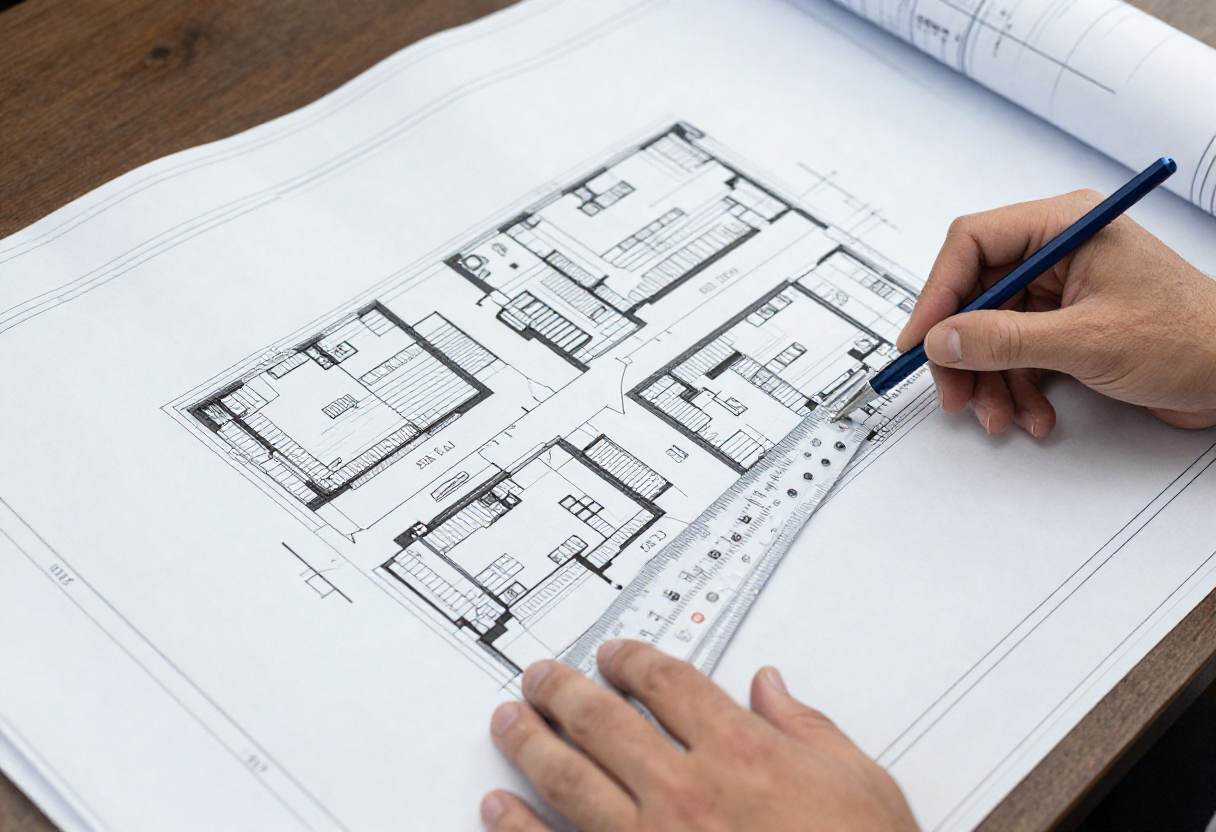
In today’s construction landscape, buildings are not just physical structures—they are dynamic systems that consume energy, interact with the environment, and affect the comfort and well-being of their occupants. Building Performance Simulation (BPS) helps us understand how a building will behave before it is even constructed. Green building consultants use BPS to digitally test a building’s energy performance, comfort levels, daylight usage, airflow, and carbon footprint, helping designers make informed choices. Instead of depending on assumptions, BPS enables data-driven decisions, making designs smarter, more sustainable, and more realistic.
What Energy Modeling Brings to the Table
Energy modeling is a key part of BPS. It involves creating a digital energy profile of the building to predict how much energy it will consume, where that energy will be used, and how it can be optimized. It considers factors such as HVAC performance, lighting loads, insulation quality, equipment efficiency, and renewable energy integration. This helps decision-makers evaluate multiple design scenarios and choose the one that delivers the best efficiency and lowest lifecycle cost. The right energy model makes early planning more strategic and future-friendly.
Why Simulation Matters Before Construction
Every building begins as an idea—but simulation transforms that idea into measurable outcomes. When designers simulate performance early on, they can identify potential challenges long before they turn into costly construction or operational problems. Whether it’s overheating rooms, poor daylight access, or unnecessary energy loads, simulation reveals issues with precision. This helps avoid expensive rework, reduces risk, and ensures the final building meets efficiency, comfort, and sustainability goals.
Key Elements Considered in Energy Modeling
Energy modeling is a comprehensive process, tracking multiple performance layers of a building. The most influential ones include:
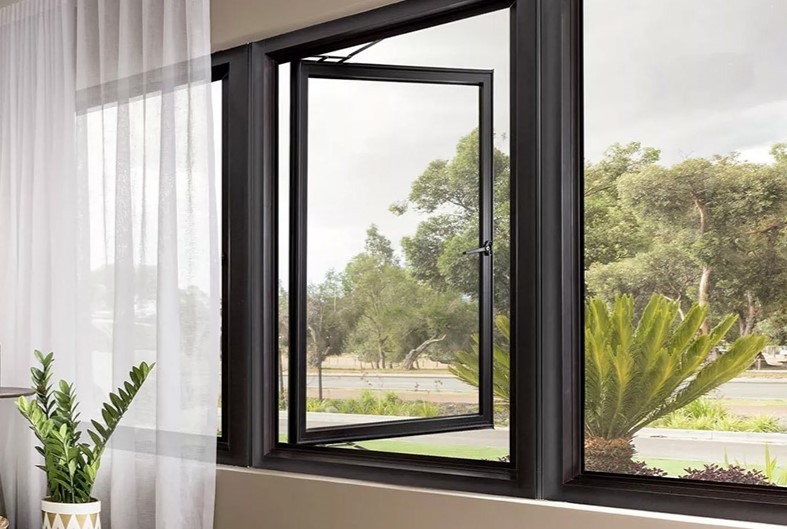
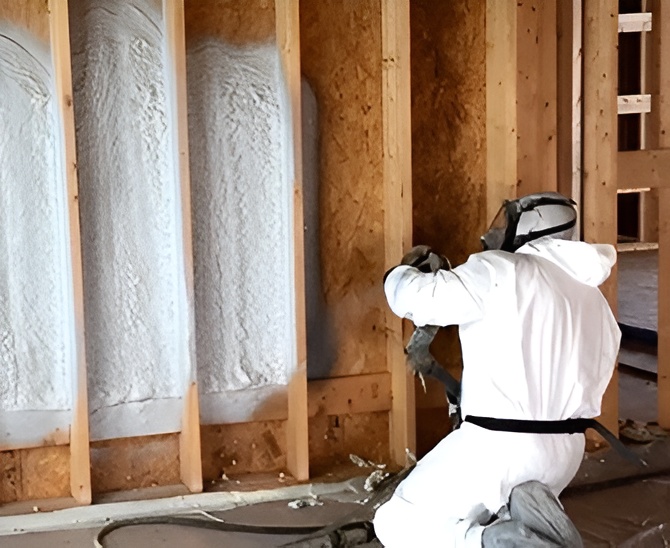
- Building Envelope: Wall insulation, roof materials, glazing, and air-tightness all affect heat loss and gain.
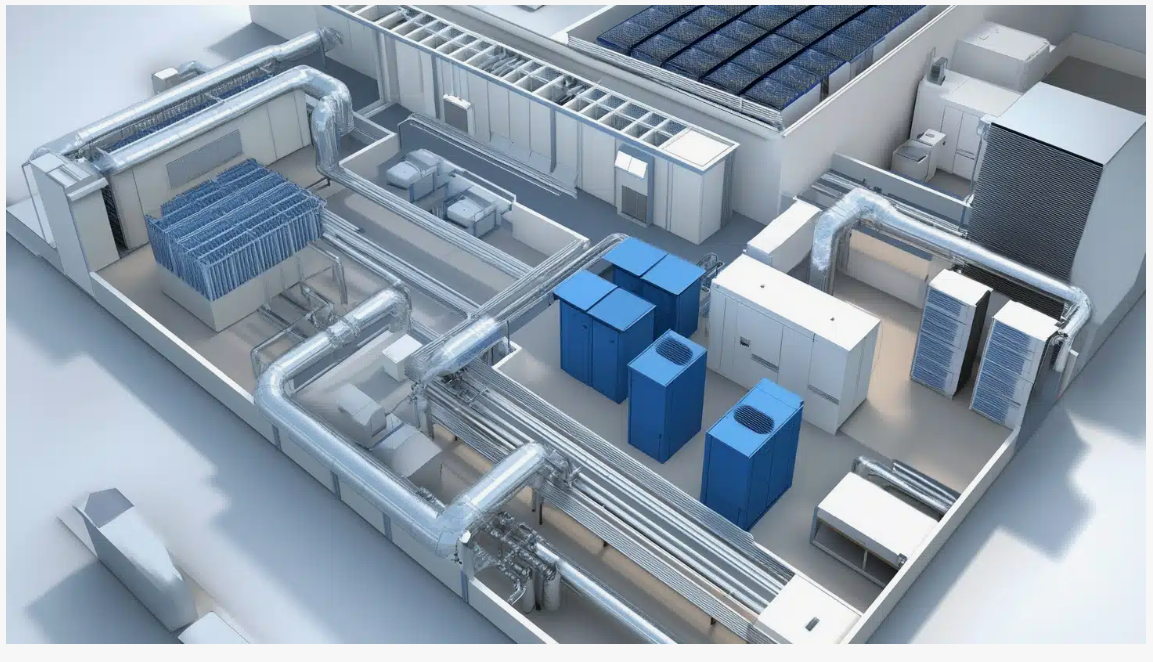
- Mechanical Systems: Performance of heating, cooling, and ventilation systems directly impacts energy use.
- Lighting and Occupancy: Lighting load and occupant behavior play big roles in final energy consumption.
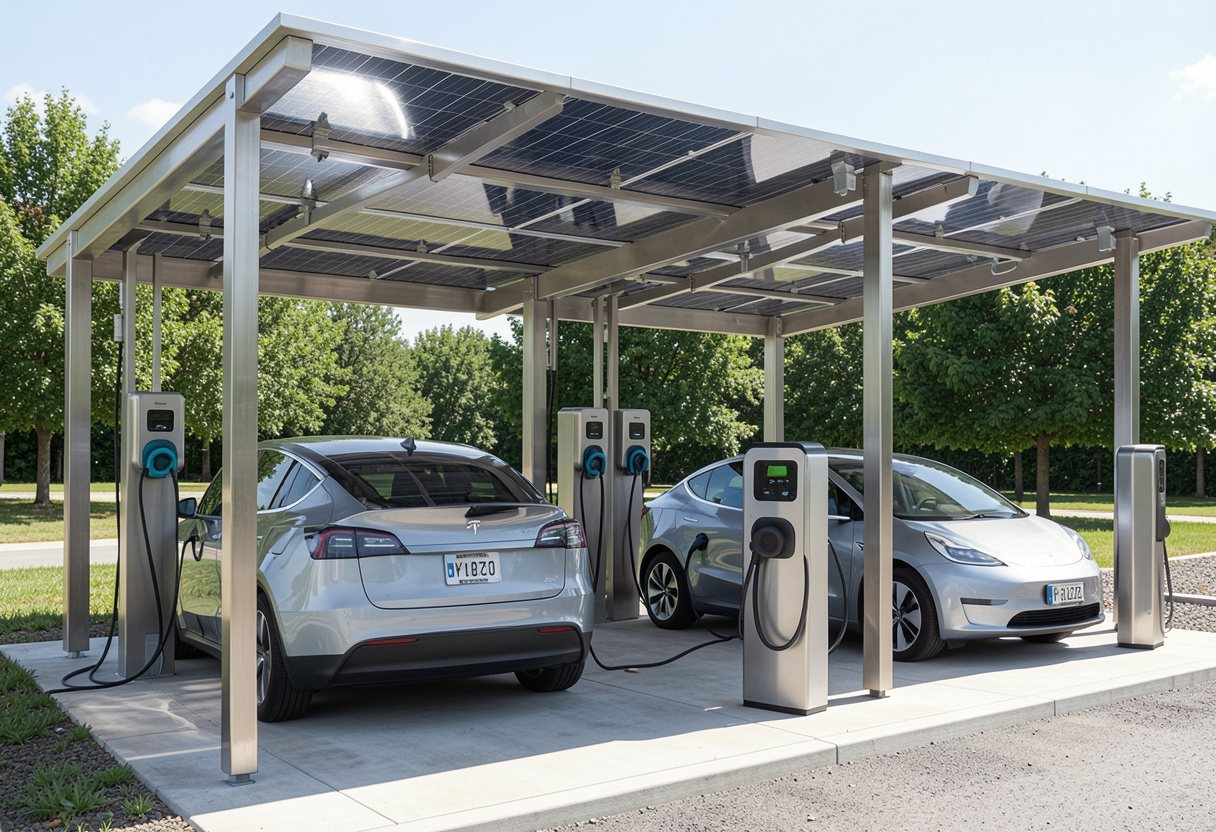
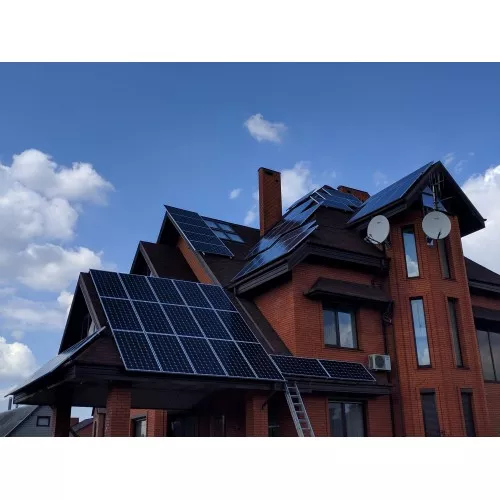
- Renewable Sources: Integration of solar, wind, or geothermal systems helps reduce reliance on conventional energy.
By analyzing these components, energy modeling helps create a building strategy that is not only efficient but also adaptable to different climates, seasons, and usage patterns.
Climate Data and Real-World Variables
One of the strengths of performance simulation is its ability to incorporate actual climate data. Every building interacts with its surrounding environment, and elements like humidity, wind conditions, solar radiation, and temperature affect its performance. Using localized weather files, simulation tools forecast real-world behavior rather than theoretical assumptions. This results in a building that’s well-optimized for its geographical location and microclimate conditions.
Enhancing Indoor Comfort and Occupant Well-being
Energy modeling goes beyond just reducing electricity bills. It plays a vital role in enhancing human comfort. Simulation tools help maintain the right balance between indoor temperature, humidity, airflow, and daylight. It ensures that spaces are neither too cold nor too hot, neither too dark nor overly bright. Proper modeling helps create healthy indoor environments that boost occupant productivity, satisfaction, and overall well-being.
Supporting Sustainable and Green Building Certifications
For building projects aiming to achieve international sustainability certifications like LEED building certification, BREEAM, or WELL, energy modeling becomes an essential step. It provides verifiable proof of energy efficiency, carbon reduction, and sustainable performance. Authorities rely on these simulation reports to validate that the building meets required benchmarks. It also helps developers present the environmental benefits of their projects confidently to investors, clients, and regulatory bodies.
The Role of Digital Tools and Technology
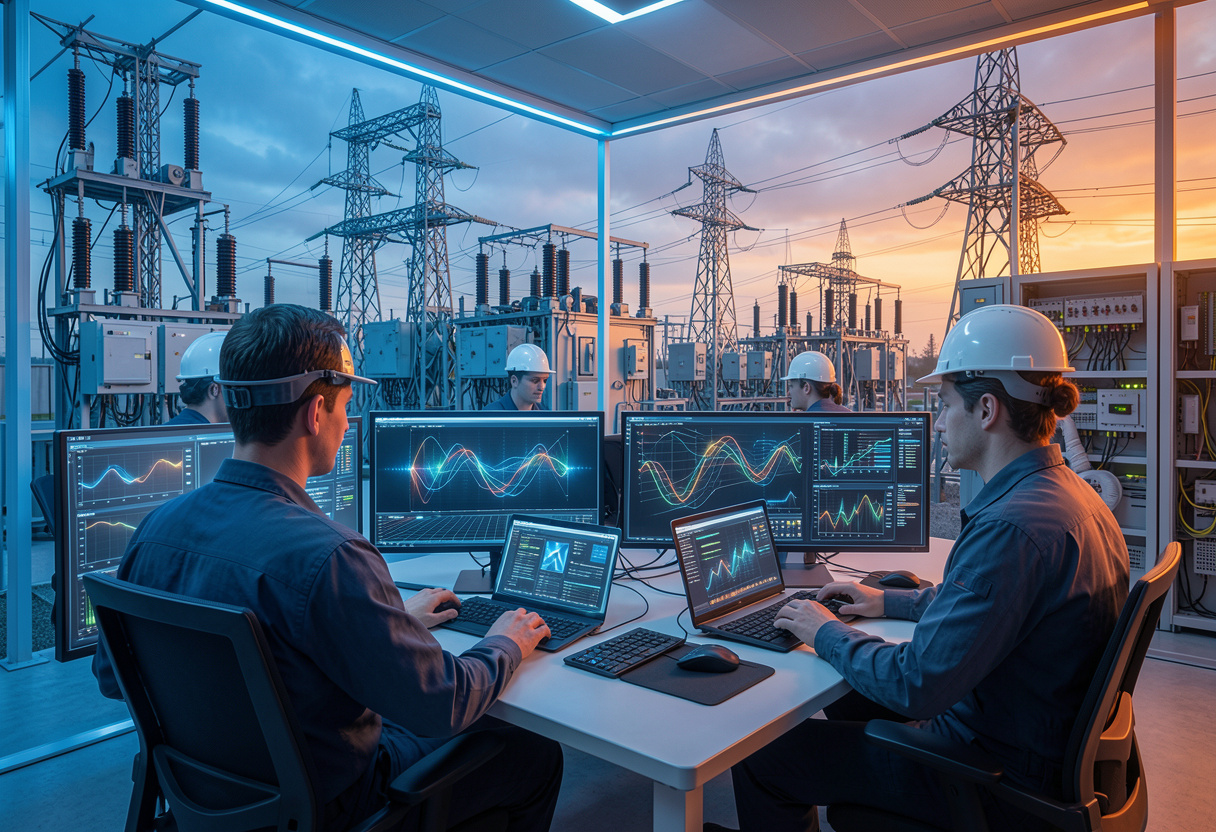
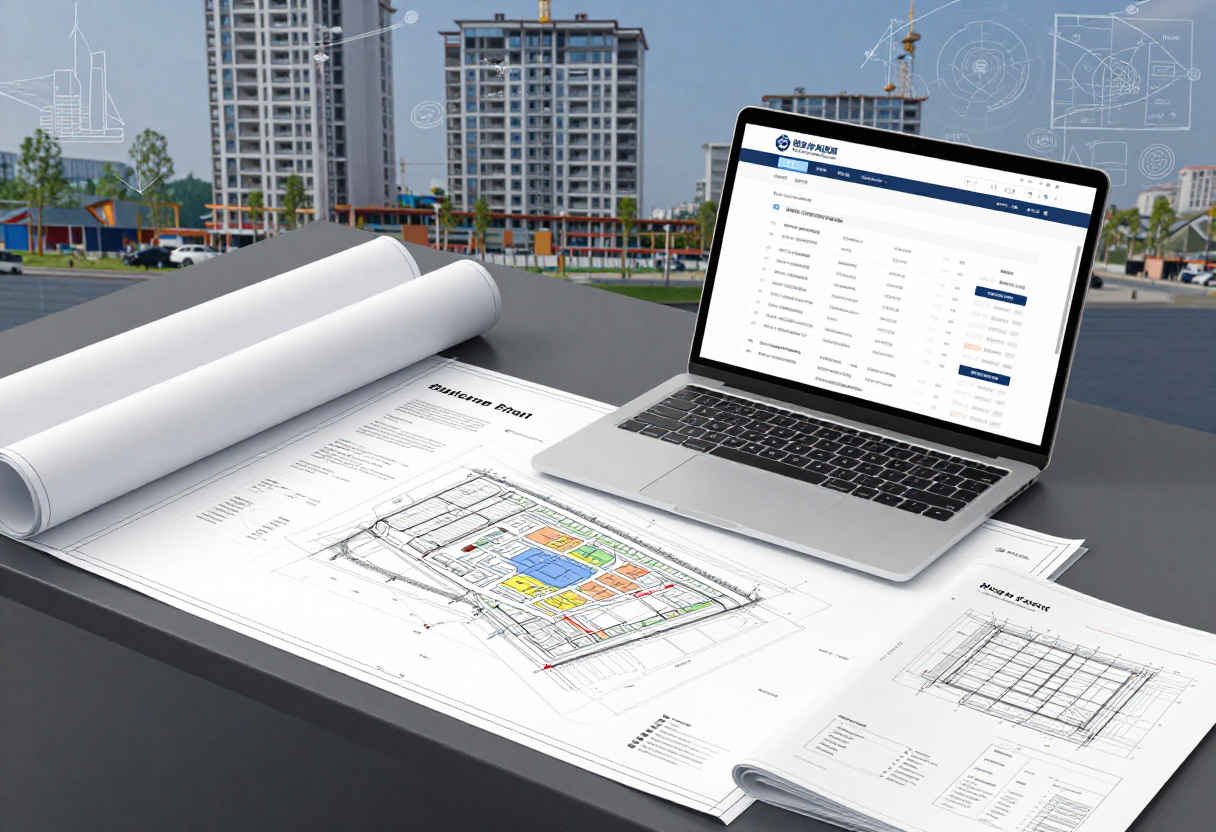
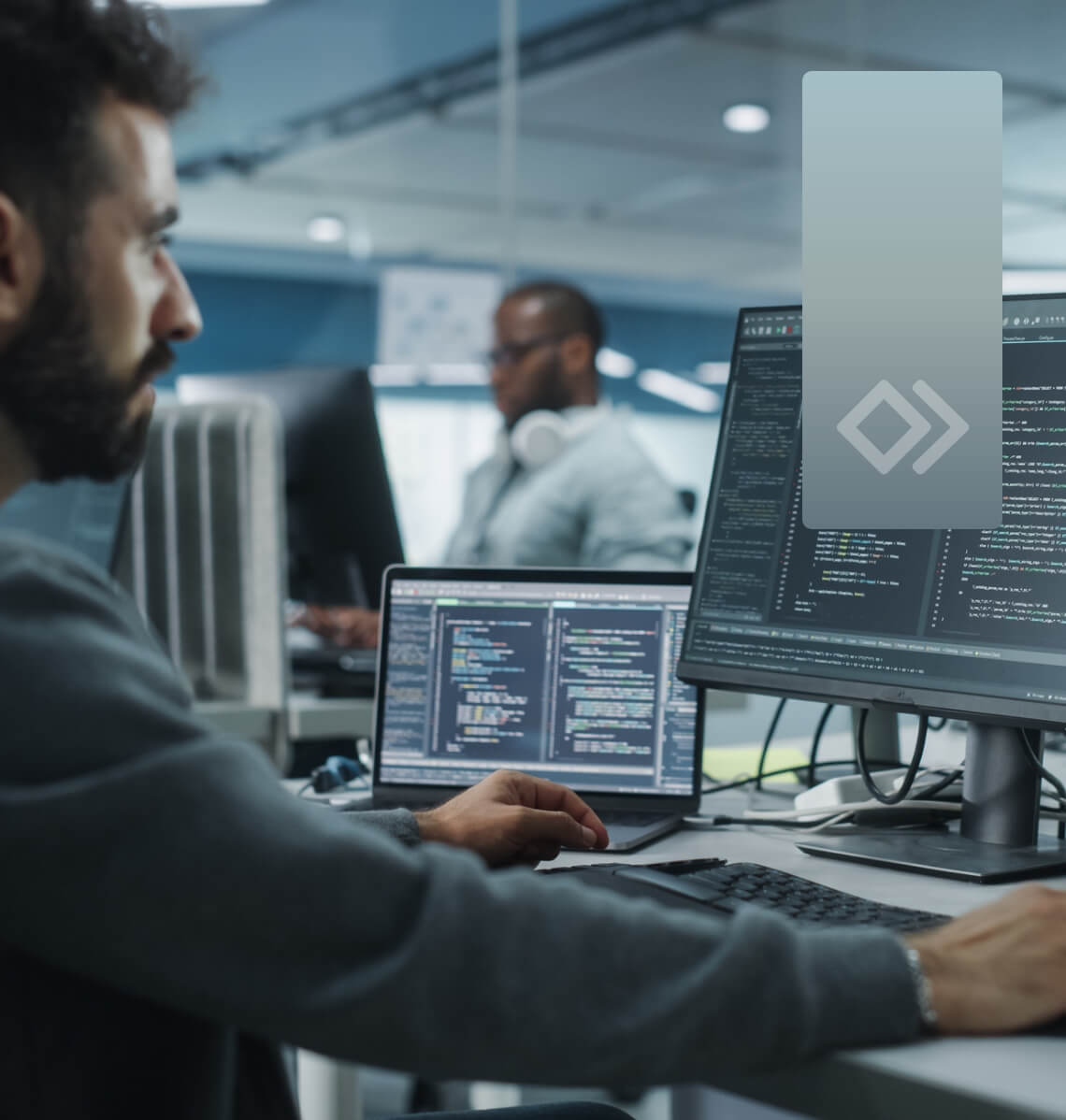
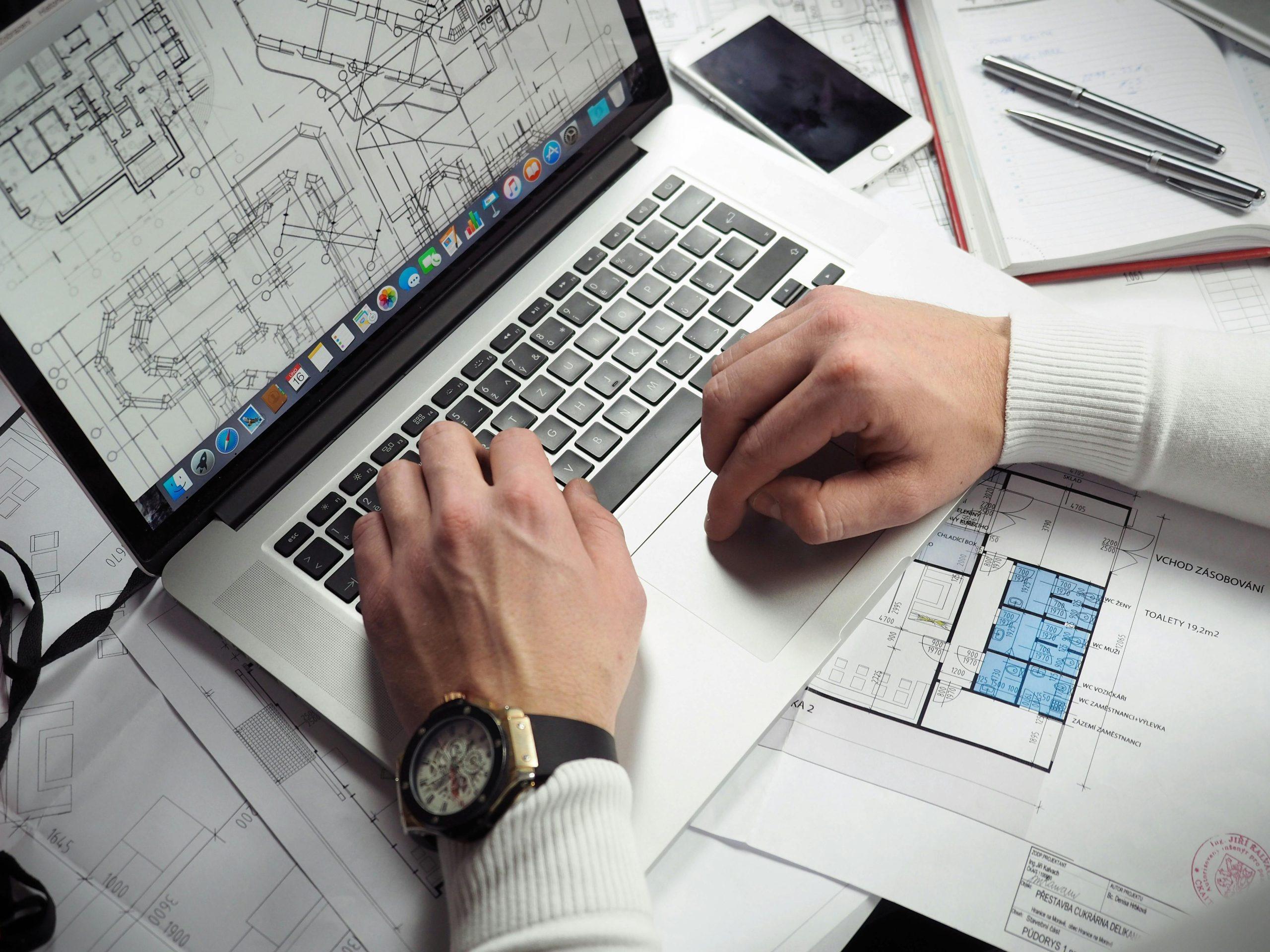
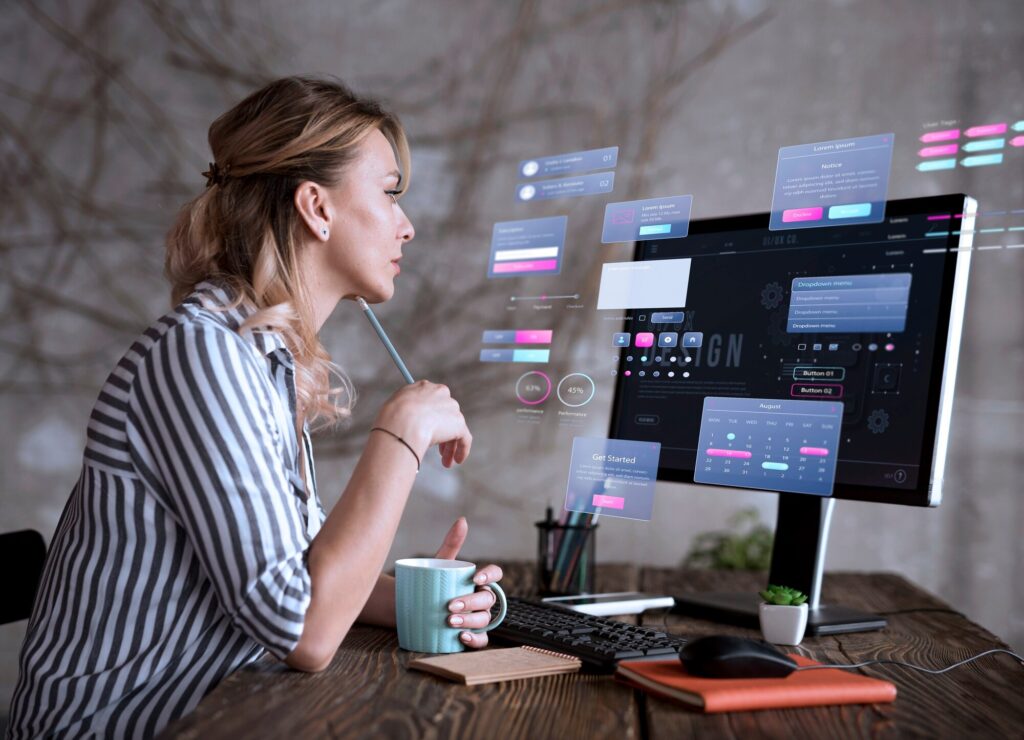
Modern simulation tools have transformed how buildings are designed. Software such as DesignBuilder, IES VE, EnergyPlus, eQuest, and OpenStudio allow experts to build virtual models and test numerous performance scenarios. By integrating these tools with BIM platforms, designers can visualize results in 3D, detect system clashes, and improve efficiency through real-time collaboration. This digital synergy improves coordination between architects, MEP consultants, contractors, and facility managers.
Life-Cycle Cost and Long-Term Strategy
A building’s financial value is not limited to its construction cost. What matters more is how efficiently it performs over the next 30 to 40 years. Energy modeling evaluates long-term operational costs, helping developers select sustainable systems that may cost slightly more upfront but deliver significant savings over time. From predictive maintenance to energy budgeting and carbon tracking, simulation allows for a future-focused approach.
Overcoming Common Challenges
While simulation offers major benefits, it requires accurate data, experienced professionals, and realistic assumptions. Poor input data or oversimplified modeling can produce unreliable results. Collaboration between architects, engineers, and sustainability consultants is crucial to ensure the model reflects true building conditions. When done correctly, simulation is not just a design aid—it becomes a powerful decision-making tool.
Real-World Benefits That Cannot Be Ignored
When implemented effectively, building performance simulation delivers clear advantages such as:
- Lowered energy bills and greenhouse gas emissions
- Enhanced thermal, visual, and acoustic comfort
- Better equipment selection and system sizing
- Reduced rework and design conflicts
- Stronger compliance with energy codes and sustainability goals
It empowers decision-makers to move from guesswork to precision planning.
The Future of Building Performance Intelligence
With digital transformation reshaping the construction industry, performance simulation will play an even larger role in the future. As AI and machine learning integrate with energy modeling tools, Bim companies in Bangalore are driving innovation by enabling buildings to self-analyze, predict maintenance needs, and improve performance over time. Smart buildings, digital twins, and automated energy optimization are no longer distant possibilities—they are emerging realities, reshaping how tomorrow’s buildings will think, function, and sustain.
Final Thoughts
Building performance simulation and energy modeling are not just technical exercises—they are key drivers of future-ready building design. They allow us to create structures that are efficient, sustainable, comfortable, cost-effective, and intelligent. By embracing these tools, engineers and designers are not just building for today, but shaping a smarter tomorrow.

