

 English


























































































































































































































































































































































































































































































































































































































































































































































































































































































































































































































































































































































































































































































































































































































































































































































































How Often Should Solar Outdoor Light Batteries Be Replaced?

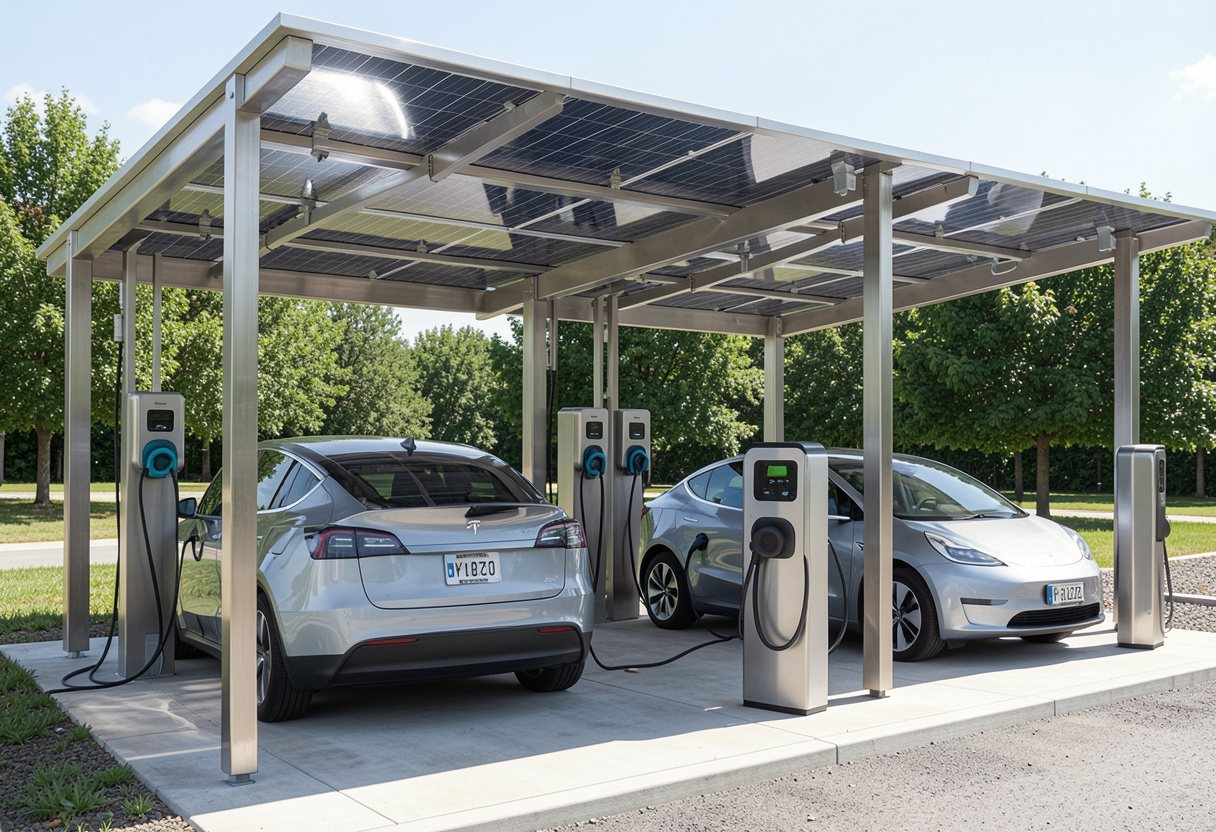
Solar outdoor lights are a convenient and energy-efficient way to illuminate gardens, pathways, driveways, patios, and other exterior areas. Because they use sunlight to recharge their batteries during the day, they can operate without regular electrical wiring or a significant increase in energy costs.
However, like any rechargeable battery, solar light batteries have a limited lifespan. If your solar lights are becoming dim, turning off earlier than usual, or failing to stay illuminated through the night, the battery may need to be replaced.
How Often Do Solar Outdoor Light Batteries Need Replacing?
In most cases, the rechargeable batteries in solar outdoor lights should be replaced approximately every 1 to 3 years. The exact replacement interval depends on the battery type, quality, weather conditions, amount of sunlight available, and how frequently the lights are used.
Some high-quality batteries can last longer with proper care, while inexpensive batteries may lose their capacity sooner.
It is important to remember that the lifespan of the battery is different from the lifespan of the solar light itself. A solar light can continue working for several years if its battery and other components are maintained or replaced when necessary.
Signs Your Solar Light Batteries Need Replacement
You do not necessarily need to replace the batteries simply because they have reached a certain age. Their performance is a better indicator. Watch for these common signs:
1. The Lights Are Noticeably Dimmer
If your solar outdoor lights no longer produce the same brightness they did when they were new, the rechargeable battery may have lost some of its capacity.
Aging batteries gradually become less capable of storing the energy collected by the solar panel. As a result, the light may appear weaker even after a full day of charging.
2. The Lights Turn Off Too Early
A healthy battery should provide enough stored energy to operate the light for several hours after sunset, depending on the product.
If your lights switch off after only a short period, even after receiving plenty of direct sunlight, the battery may no longer be holding an adequate charge.
3. The Lights Stop Working Overnight
When solar outdoor lights work normally for a short time but fail to remain illuminated through the night, an aging battery is one possible cause.
Before replacing it, however, check the solar panel for dirt, shade, or other problems that could prevent the battery from receiving enough energy.
4. The Battery Shows Signs of Damage
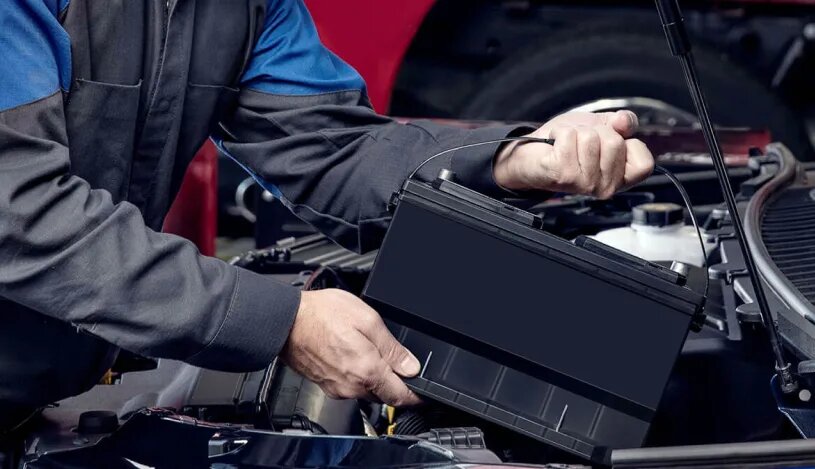
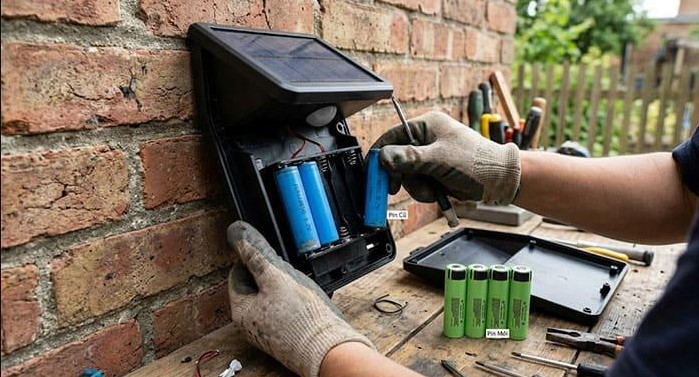
Remove the battery according to the manufacturer’s instructions and inspect it. If you notice leakage, corrosion, swelling, or other visible damage, discontinue use and replace the battery with the correct compatible type.
What Affects Solar Battery Lifespan?
Several factors can influence how frequently batteries need to be replaced.
Battery Quality
Not all rechargeable batteries are made to the same standard. Higher-quality batteries generally provide better charging performance and can withstand more charge-and-discharge cycles.
Always choose a replacement battery that matches the voltage, chemistry, size, and specifications recommended by the manufacturer.
Sunlight Exposure
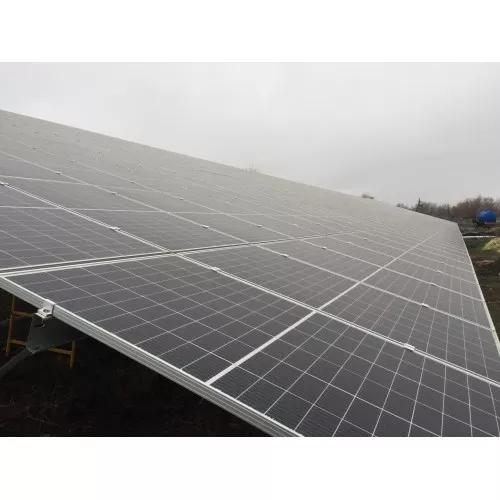
Solar outdoor lights need adequate sunlight to recharge effectively. A light installed in a heavily shaded location may receive less energy during the day, which can make the battery appear to perform poorly.
For the best results, place solar panels where they can receive several hours of direct sunlight whenever possible.
Weather Conditions
Outdoor lights are exposed to heat, cold, rain, humidity, and seasonal temperature changes. Extreme temperatures can affect rechargeable battery performance and may shorten battery life over time.
Usage
Lights that operate for many hours every night may put more charging and discharging cycles on their batteries than lights used occasionally.
How to Make Solar Light Batteries Last Longer
Replacing batteries is relatively simple, but good maintenance can help extend their useful life.
Keep the solar panel clean. Dust, leaves, dirt, and other debris can reduce the amount of sunlight reaching the panel. Clean it gently with a soft, damp cloth when necessary.
Keep panels free from shade. Trim nearby vegetation or reposition the light if growing plants or other objects block sunlight.
Use the correct replacement battery. Do not automatically substitute an ordinary disposable battery. Solar lights typically require rechargeable batteries designed for repeated charging.
Check the manufacturer’s specifications. Battery chemistry, voltage, capacity, and physical size can vary between models. Using the wrong battery can reduce performance or potentially damage the light.
Protect lights during extreme conditions when appropriate. If your particular solar lights are designed to be moved or stored seasonally, following the manufacturer’s storage recommendations can help protect the batteries and other components.
What Type of Battery Do Solar Outdoor Lights Use?
Many solar outdoor lights use rechargeable batteries such as NiMH (nickel-metal hydride) or, in older products, NiCd (nickel-cadmium) batteries. Some newer solar lighting products may use other rechargeable battery technologies.
The correct choice depends entirely on the light’s design. Before purchasing a replacement, check the label on the existing battery or consult the product manual.
Do not assume that a battery with the same physical size is automatically compatible. Check the voltage and battery type as well.
Should You Replace the Battery or the Entire Light?
If the solar light is otherwise in good condition, replacing the battery is often a practical option. A new rechargeable battery can restore operating time and brightness without requiring you to replace the entire fixture.
However, battery replacement may not solve every problem. If the solar panel is damaged, the LED has failed, wiring is corroded, or the internal electronics are defective, purchasing a new light may be more economical.
Before replacing the fixture, inspect the panel, battery compartment, switch, and light for obvious issues.
How to Get the Best Performance From Solar Outdoor Lights
Regular maintenance can help you get more years of reliable service from your lighting system. Clean the solar panels periodically, keep the lights positioned where they receive sufficient sunlight, and check the battery when nighttime performance begins to decline.
It is also worth remembering that reduced brightness does not always mean the battery has failed. Dirty panels, excessive shade, seasonal changes in daylight, and damaged components can all affect performance.
Final Thoughts
For most solar outdoor lights, rechargeable batteries typically need replacement every 1 to 3 years, although the actual lifespan can vary considerably. The most reliable way to determine when replacement is necessary is to monitor the light’s performance.
If your lights are dimmer than before, shut off much earlier at night, or fail to hold a charge despite receiving adequate sunlight, inspect the battery and replace it with a compatible rechargeable model if necessary.
With proper cleaning, sufficient sunlight, and the right replacement batteries, solar outdoor lights can continue providing dependable and energy-efficient illumination for years.