

 English































































































































































































































































































































































































































































































































































































































































































































































































































































































































































































































































































































































































































































































































































































































































































































































































































































































Leveraging Mobile Gaming for Marine Biodiversity Education: A Deep Dive into Interactive Fish Identification Tools

Introduction: The Growing Role of Interactive Media in Marine Education
In an era where digital literacy intersects with environmental awareness, educators and industry leaders are harnessing the power ofinteractive media to foster marine conservation efforts. Mobile applications, in particular, are transforming traditional methods of learning marine biodiversity, offering engaging, accessible, and practical tools for enthusiasts, students, and professionals alike. The integration of gamified learning experiences—especially within fish identification—represents a significant leap forward in the democratization of marine science education.
Gamification as a Catalyst for Marine Biodiversity Literacy
Recent industry insights reveal that gamified learning platforms significantly enhance information retention and engagement. According to Educational Technology Research & Evaluation (2022), gamification increases knowledge recall by up to 60% compared to conventional memorization techniques. For marine biology, this manifests as virtual identification challenges that simulate real-world scenarios, encouraging users to recognize and understand diverse fish species.
By embedding such features into mobile apps, developers are effectively creating portable, user-friendly learning environments that transcend geographical and institutional barriers. These tools are particularly impactful in remote communities and developing nations, expanding access to marine sciences and fostering global conservation consciousness.
The Emergence of Fish Identification Mobile Applications
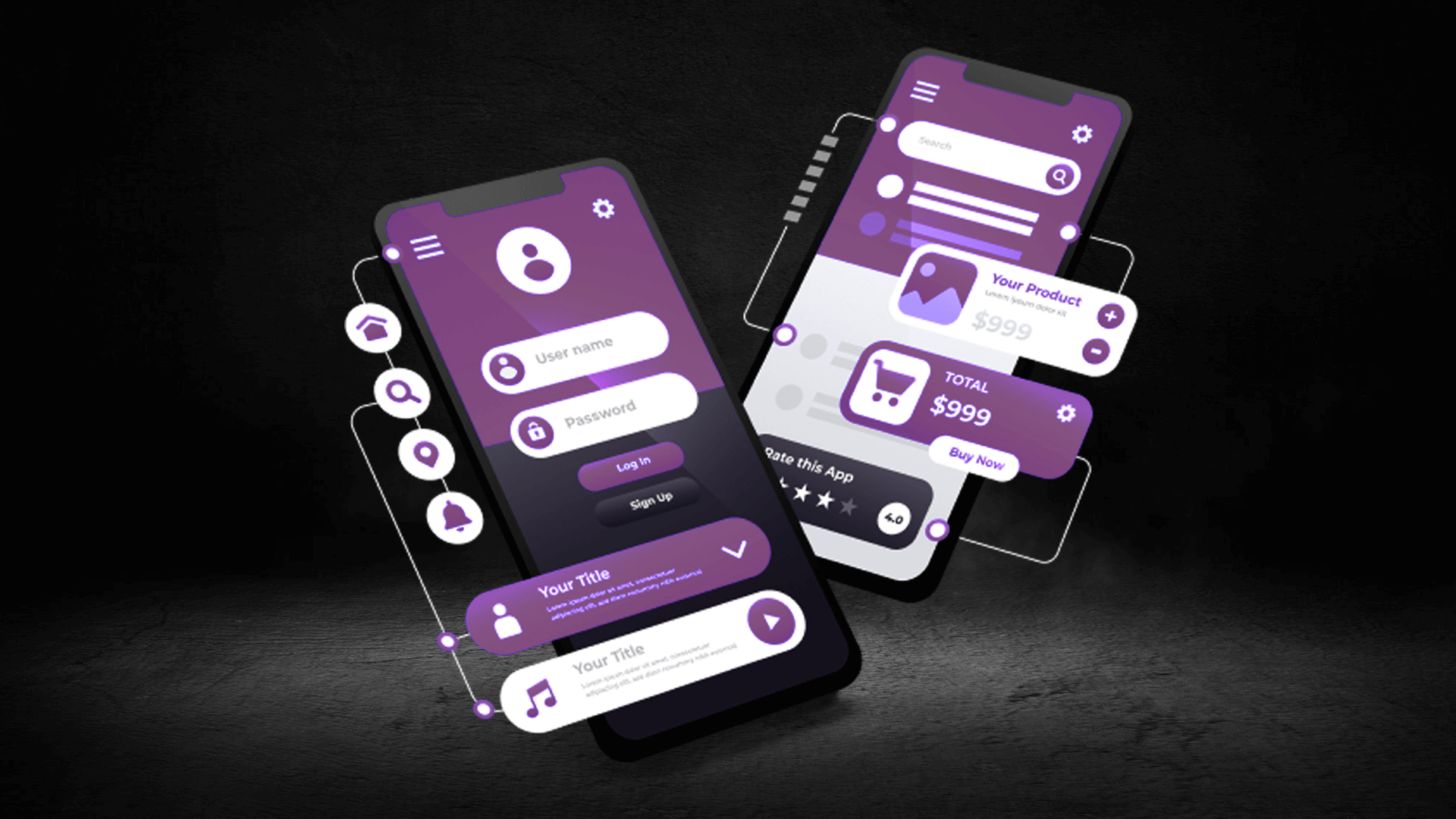
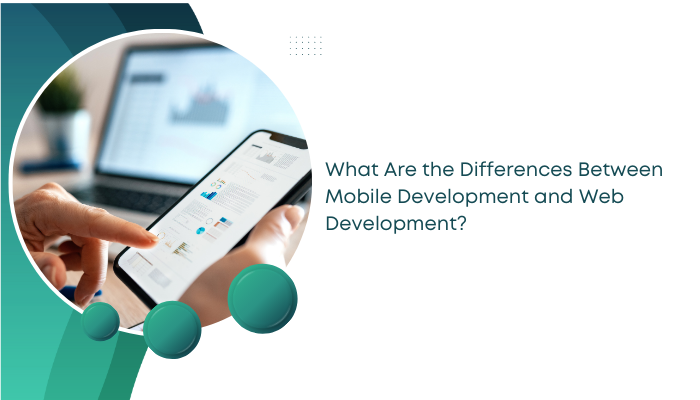
Over recent years, dedicated applications have emerged as pivotal resources for hobbyists, scientists, and educators. Many leverage AI and extensive databases to facilitate accurate identification, sometimes featuring augmented reality (AR) to enhance user immersion.
One notable trend is the development of engaging, game-like interfaces where users classify fish by traits such as body shape, coloration, and habitat. This gamification encourages active participation and repeated use, which is critical for skill development in species recognition and ecological literacy.
Furthermore, these platforms serve as valuable field tools—when combined with online communities, they foster data collection for research and conservation projects. Digital ecosystems now facilitate crowdsourced data, contributing to larger datasets that inform policy and marine management strategies.
Case Study: The Integration of Mobile Gaming in Fish Species Education
| Application Feature | Educational Impact | Technological Approach |
|---|---|---|
| Instant Fish Identification | Reduces the learning curve for novices; facilitates quick recognition in the field | AI-powered image recognition algorithms combined with user feedback |
| Gamified Quizzes and Challenges | Increases engagement and information retention among users of varying ages | Points, badges, and leaderboards to motivate continued exploration |
| Social Sharing and Community Building | Promotes collaborative learning and citizen science projects | Integrated social media and forum features |
The Future of Mobile Fish Identification Tools
Advancements in artificial intelligence and AR are poised to further revolutionize mobile learning. Future applications may offer real-time, on-site species identification coupled with ecological data, fostering a more immersive and educational experience. Additionally, machine learning algorithms will continually refine their recognition capabilities, ensuring higher accuracy and broader species databases.
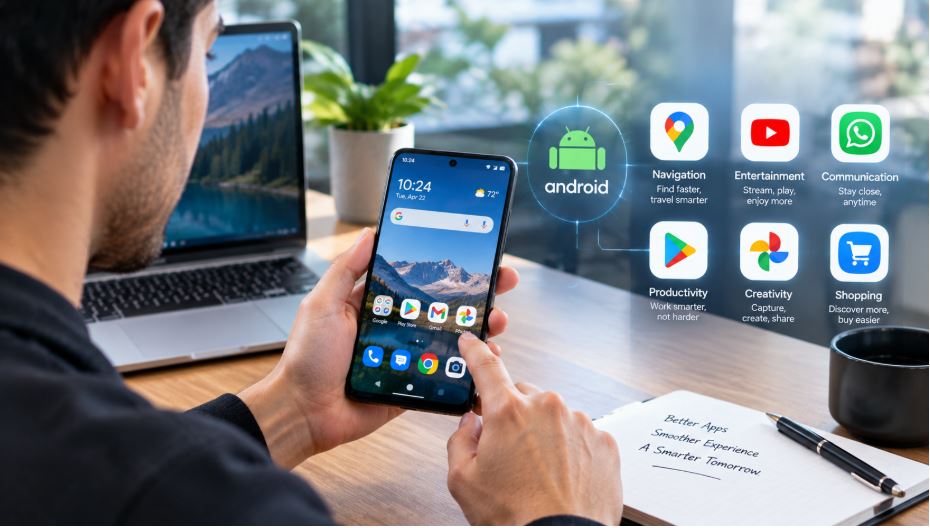
As demonstrated by platforms such as fishsort.app, innovation in this space is both practical and engaging. Developers are making it easier than ever—play Fish Sort right from your phone mobile version—placing sophisticated fish sorting games into the hands of a growing, global user base.
Expert Insights: Why Mobile Fish Sorting Games Are a Game Changer
“Integrating interactive, mobile-based fish sorting and identification tools fulfills a critical need for scalable, accessible marine education. These platforms catalyze a new era where ecological literacy is not confined to classrooms but extends into the field, community activities, and even casual interaction.” — Dr. Alexandra Reyes, Marine Ecologist and Digital Learning Specialist
Conclusion: Innovating Marine Education through Digital Interactivity
The intersection of gamification, mobile technology, and marine science points toward a future where engaging, accurate, and accessible fish identification tools become essential to fisheries management, conservation outreach, and public education. As the digital landscape evolves, so too will the opportunities to connect users with marine biodiversity, fostering a deeper understanding and stewardship of our oceans.
Platforms like fishsort.app exemplify this momentum, empowering users to actively participate in marine science using their smartphones—simply by play Fish Sort right from your phone mobile version. Such innovations are setting new standards for educational and citizen science initiatives worldwide.