

 English







































































































































































































































































































































































































































































































































































































































































































































































































































































































































































































































































































































































































































































































































































































































































































































































































































































Workforce Logistics in Agriculture, Simplified

Every growing season starts with a plan. Seeds, equipment, irrigation, and field preparation often receive the most attention, but one factor can determine how smoothly everything comes together. That factor is the workforce. Even the best production plan can slow down when the right workers are not available at the right time.
This is why workforce logistics in agriculture has become an important part of modern farming. It is not simply about finding seasonal workers. It is about organizing every part of the labor process, from recruitment and transportation to housing, payroll, and daily workforce coordination. When these pieces work together, growers spend less time solving labor issues and more time focusing on crop production.
What Workforce Logistics Really Means in Agriculture
Many people hear the word logistics and think only about transportation. In agriculture, workforce logistics covers much more. It connects every step involved in preparing, supporting, and managing a seasonal workforce throughout the farming season.
Instead of treating labor as a last-minute need, workforce logistics creates a structured system that keeps workers, schedules, and daily operations aligned. This approach reduces unnecessary delays and helps agricultural businesses prepare for busy periods before they arrive.
A complete workforce logistics plan may include:
- Seasonal workforce planning
- Farm labor contracting
- H-2A program coordination
- Worker housing arrangements
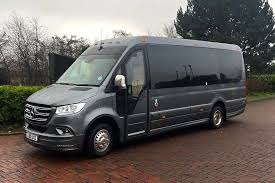
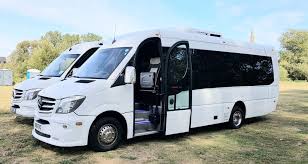
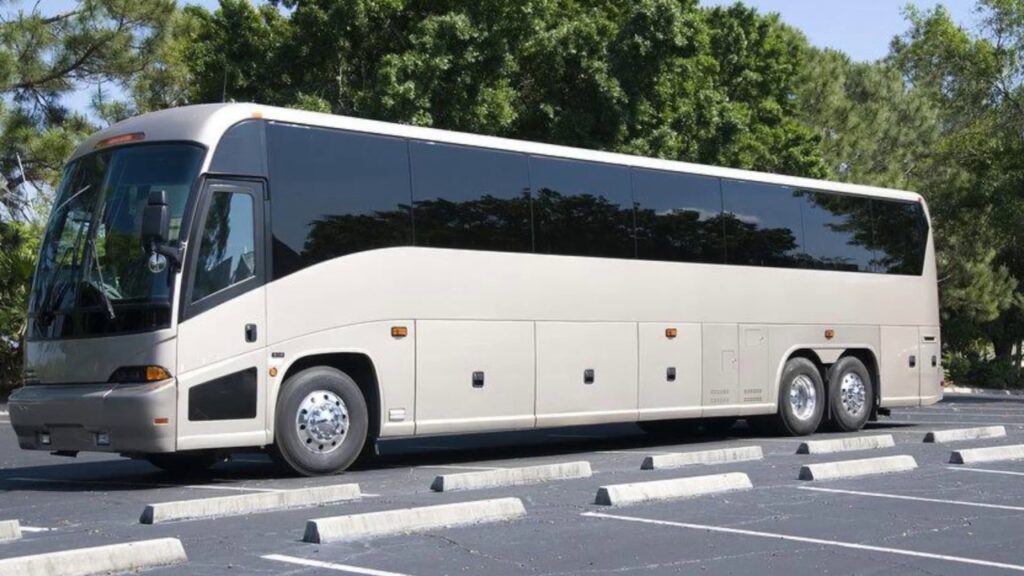
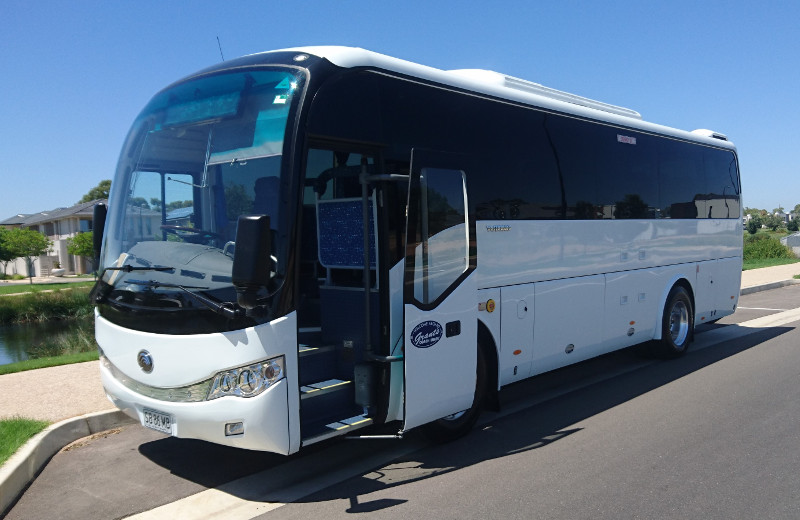
- Transportation scheduling
- Payroll administration
- Compliance support
- Ongoing workforce coordination
Each part contributes to a more organized operation. Missing just one of these areas can affect productivity during critical farming periods.
Why Workforce Planning Starts Months Before Peak Season
Successful labor planning rarely begins when workers are already needed. Agricultural employers usually know when planting, harvesting, pruning, or greenhouse production will require additional labor. Starting early gives farms enough time to prepare every part of the workforce process.
When planning begins ahead of schedule, employers can estimate labor demand, arrange housing, organize transportation, prepare payroll systems, and complete required documentation before seasonal pressure increases.
Waiting until labor shortages become obvious often creates unnecessary stress. Managers spend valuable time trying to solve immediate staffing problems instead of preparing the operation for productive work. Early planning creates more flexibility and allows every part of the labor system to function together.
Workforce Logistics Supports Every Agricultural Operation
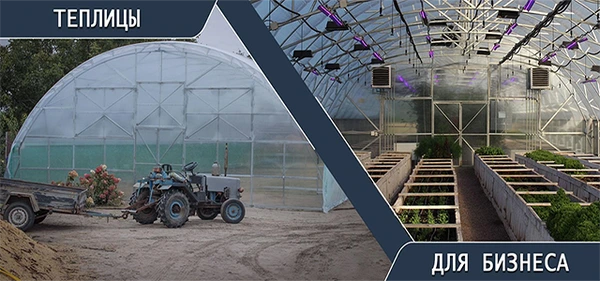
Different agricultural businesses require different workforce strategies. A nursery, greenhouse, tree farm, or row crop operation all depend on seasonal workers, but their daily labor requirements vary throughout the year.
For example, greenhouse operations often require consistent daily labor for watering, transplanting, spacing, and packing. Nurseries may need additional workers for plant movement, order preparation, loading, and shipping. Farms frequently require larger field crews during planting and harvest.
Although each operation looks different, the objective remains the same. A reliable workforce must arrive on time, understand the work schedule, and stay supported throughout the season. That is exactly what effective workforce logistics in agriculture is designed to accomplish.
The Biggest Challenges Behind Seasonal Labor
Many labor issues do not begin in the field. They often start before workers arrive. Housing may not be ready, transportation schedules may not match the workday, or payroll systems may still need attention. These challenges can slow the operation before the first task is completed.
As the season becomes busier, small issues grow into larger disruptions. Supervisors spend more time solving workforce problems instead of managing production. That is why successful labor management depends on preparation instead of last-minute decisions.
Some common workforce challenges include:
- Delays in recruiting seasonal workers
- Limited availability of skilled labor
- Housing preparation before the worker’s arrival
- Transportation planning for daily travel
- Payroll processing and record management
- Meeting H-2A program requirements
- Maintaining consistent communication with workers
Addressing these areas early helps agricultural employers reduce interruptions throughout the season.
How Workforce Logistics Keeps Daily Operations Moving
A structured labor system creates consistency across the operation. Workers know where they need to be, transportation follows a planned schedule, housing is prepared before arrival, and payroll processes stay organized. Managers can then focus on production instead of daily labor concerns.
This type of coordination becomes especially valuable during planting and harvest. Every day matters during these periods, and delays often affect several parts of the operation at once. Workforce logistics creates a clear process that supports daily productivity without adding unnecessary pressure.
When labor planning follows an organized structure, farms often experience:
| Workforce Logistics Area | Operational Benefit |
| Early workforce planning | Better seasonal preparation |
| Organized transportation | More reliable daily attendance |
| Approved worker housing | Smoother worker transitions |
| Payroll administration | Accurate wage processing |
| Compliance support | Better program readiness |
| Returning seasonal workers | Less retraining and stronger consistency |
Each area contributes to a more stable workforce throughout the agricultural season.
Conclusion
Many employers assume workforce logistics end once workers arrive. In reality, the process continues throughout the entire season. Transportation schedules, payroll administration, housing management, compliance responsibilities, and communication all require ongoing attention.
Effective workforce logistics in agriculture creates structure before the season begins and maintains that structure until the final day of work. That preparation helps agricultural businesses operate with greater confidence, better organization, and fewer interruptions as seasonal demands continue to grow.