
 English























































































































































































































































































































































































































































































































































































































































































































































































































































































































































































































































































































































































































































































































































































































































































































































































































































































The Future of Memory Enhancement: Artificial Intelligence and Cognitive Augmentation

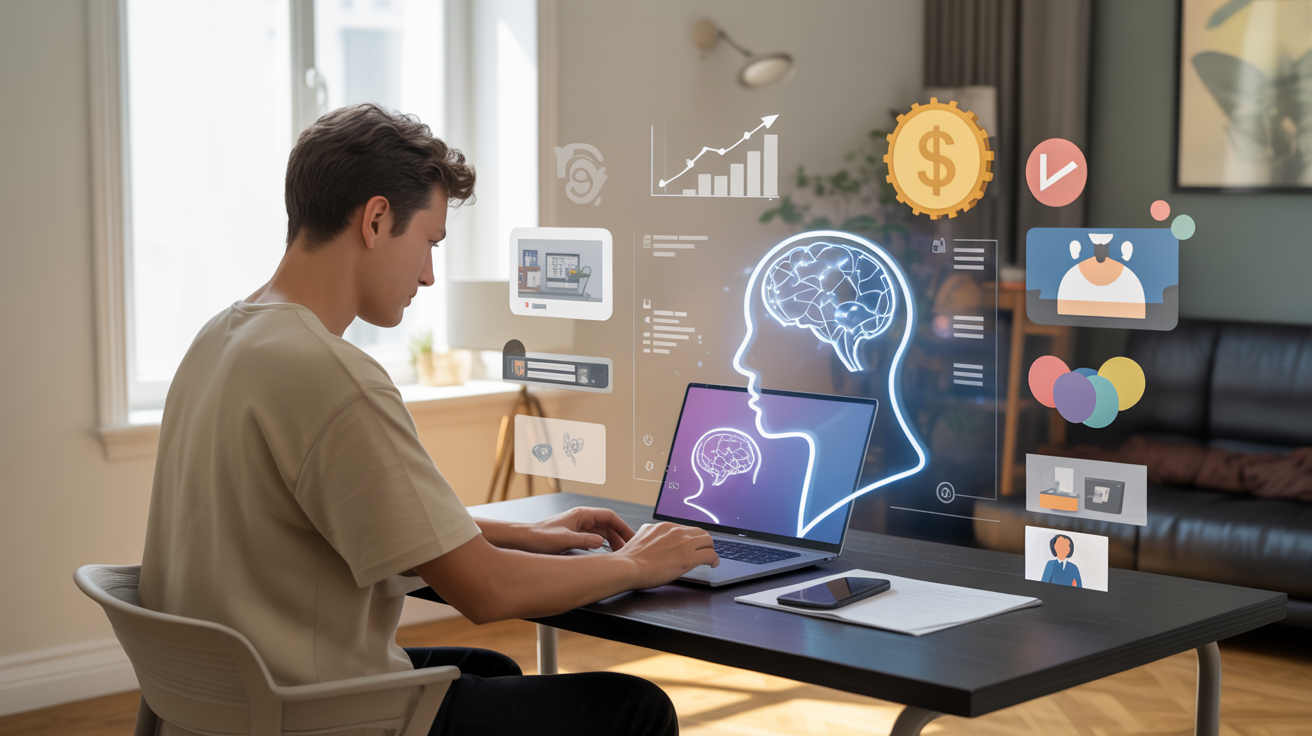
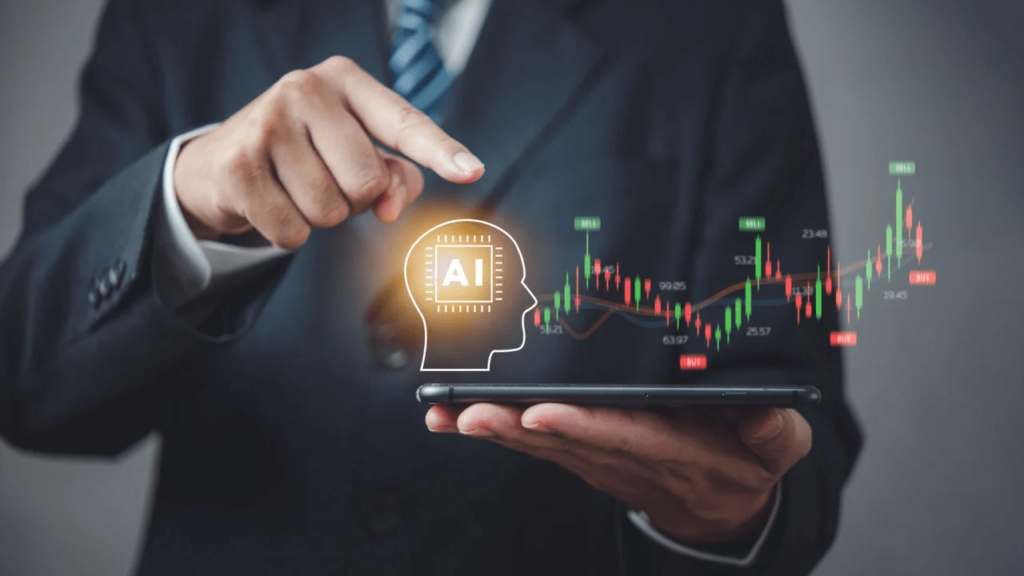
In an era marked by rapid technological advances, the quest to optimize human cognition—particularly memory—has transitioned from science fiction to tangible reality. As artificial intelligence (AI) becomes increasingly integrated into personal and professional spheres, experts are exploring innovative solutions to enhance our mental capabilities. Central to this development is the intersection of AI-driven software and neurocognitive health, promising unprecedented degrees of memory efficiency and capacity.
Understanding Cognitive Augmentation in the Digital Age
Cognitive augmentation refers to the use of technological tools to enhance mental processes such as learning, problem-solving, and memory retention. Historically, mnemonic devices, note-taking, and repetition have served as rudimentary methods to bolster memory. Today, however, sophisticated software applications leverage AI algorithms to personalize and adapt learning strategies in real-time, tailored to individual neural patterns.
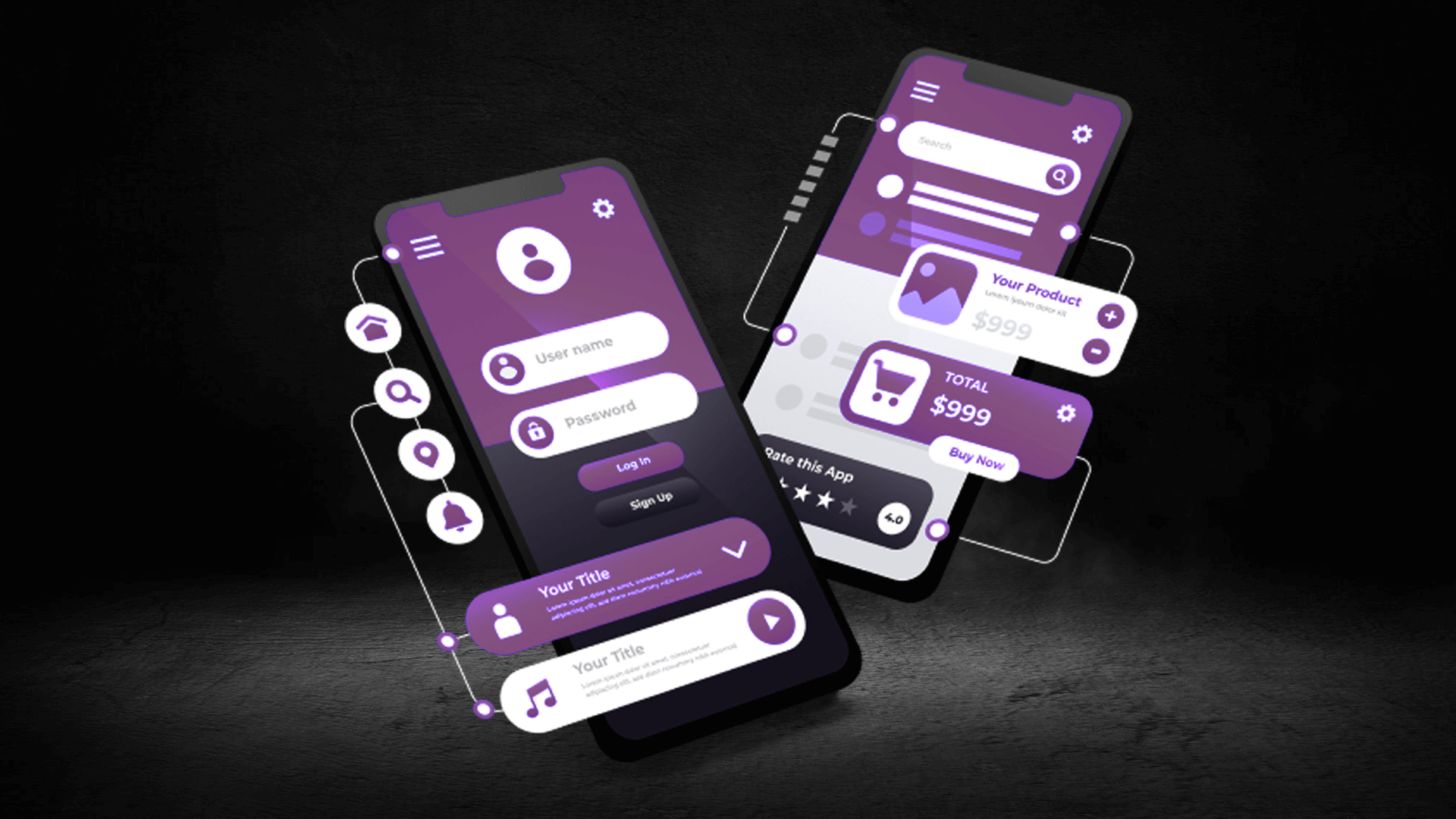
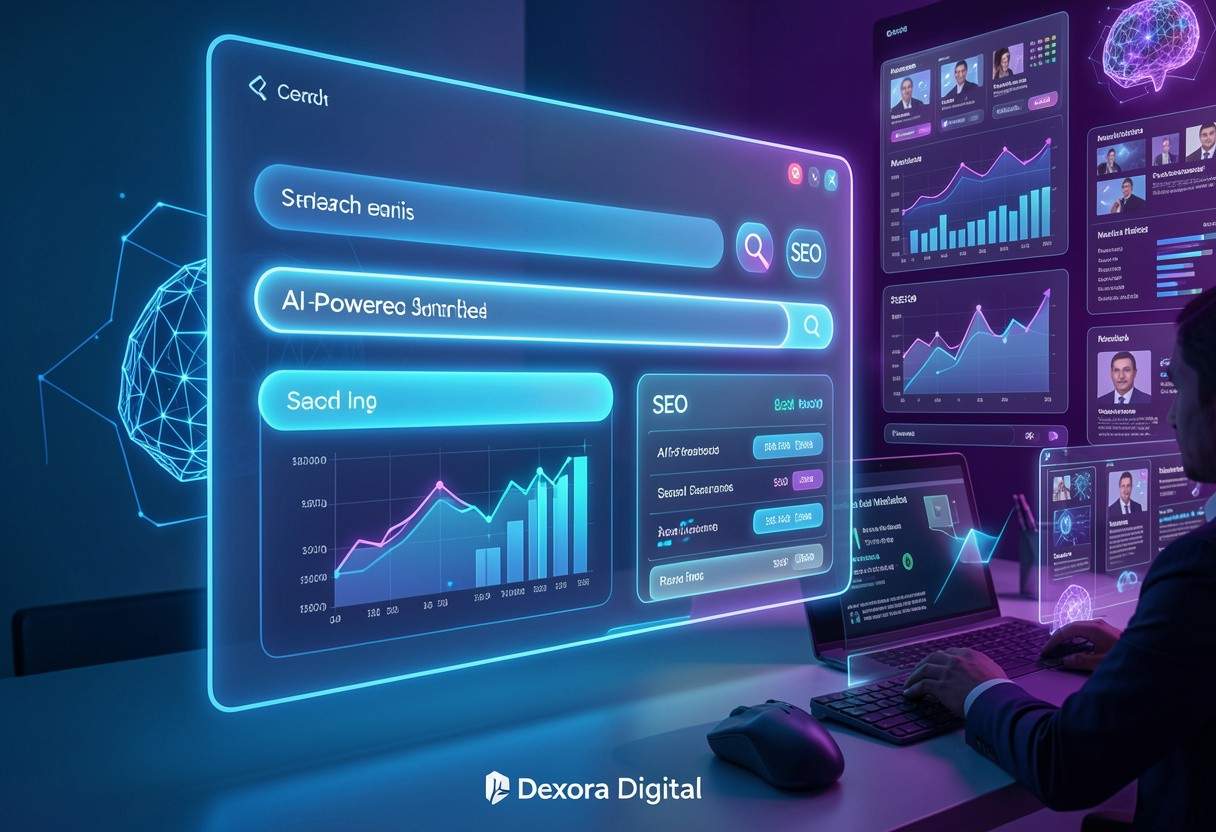
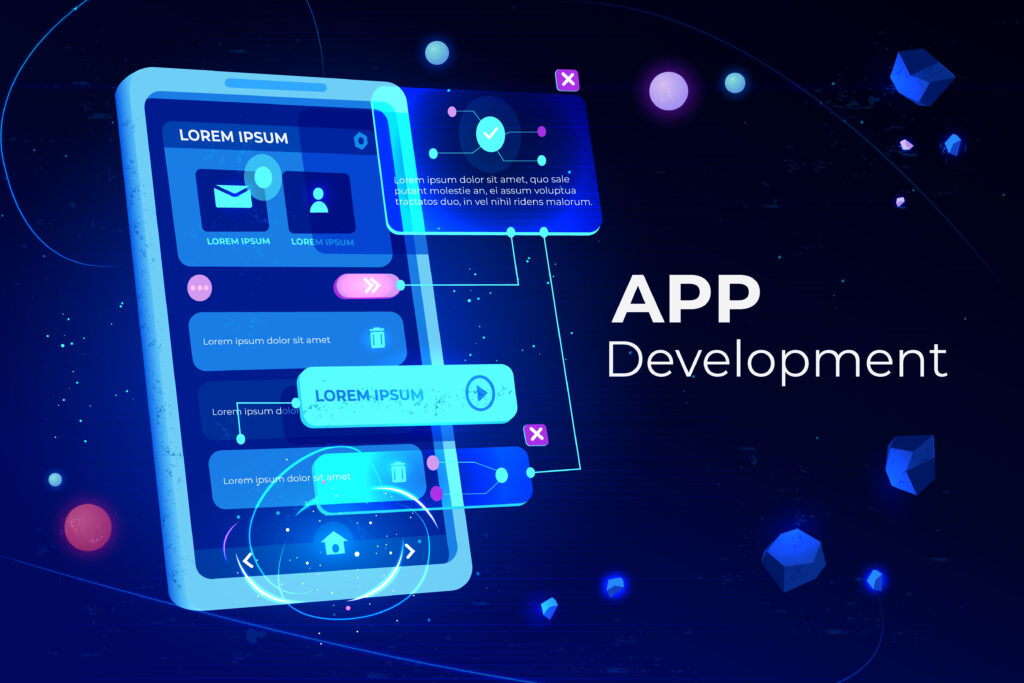
In particular, mobile and web-based platforms are transforming how users engage with memory training routines. They analyze performance metrics, adapt difficulty levels, and provide actionable insights, ultimately aiming to solidify mental plasticity—a key factor in age-related cognitive decline. Among these innovations, certain platforms merit special attention for their promising potential.
Emerging Technologies in Memory Enhancement
| Feature | Application | Impact |
|---|---|---|
| AI-Powered Personalized Learning | Customizes memory exercises based on user performance | Increases retention efficiency and engagement |
| Neural Interface Integration | Potential for direct brain-computer communication in future devices | Could unlock high-fidelity memory encoding capabilities |
| Data-Driven Progress Tracking | Provides insights for neuroscientists and clinicians | Facilitates targeted interventions for cognitive impairments |
Case Study: The Role of Digital Platforms in Memory Training
The current landscape of cognitive enhancement is characterized by diverse digital tools, each vying to provide scientifically validated solutions. These platforms harness data science to optimize user experience and efficacy. For example, adaptive memory games have demonstrated measurable improvements in working memory scores among participants over a six-week trial period, as corroborated by peer-reviewed research published in cognitive neuroscience journals.
“Personalized cognitive training, powered by AI, offers a scalable approach to mitigating age-related memory decline and supporting neuroplasticity.” — Dr. Elaine Thompson, Neuroscientist and Cognitive Researcher
Innovation Spotlight: Integrating Neurotechnology with Machine Learning
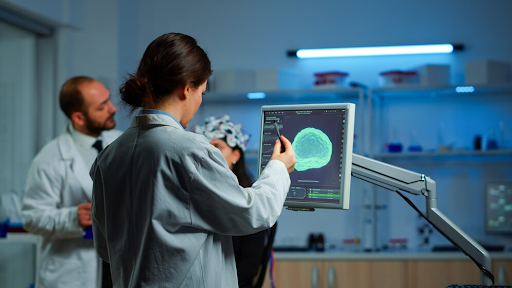
Recent developments include combining neurostimulation techniques with AI-driven training programs, opening new frontiers in memory reinforcement. This integration aims to stimulate specific brain regions associated with memory, such as the hippocampus, while monitoring neural responses in real-time to adapt training protocols dynamically.
Crucial to advancing this field are digital applications that provide user-friendly interfaces for cognitive exercises. These platforms must be credible, rigorously tested, and capable of integrating with emerging neurotechnologies to maximize their potential.
Practical Considerations for Users and Developers
- Data Privacy: Ensuring user data is protected, especially when dealing with sensitive neural information.
- Scientific Validation: Relying on peer-reviewed evidence and clinical trials to validate efficacy.
- Accessibility: Designing inclusive interfaces that cater to diverse populations, including those with cognitive impairments.
As the industry advances, one platform that exemplifies the responsible integration of AI and cognitive training is the discover the Pyramid Memory app online. Its approach emphasizes scientifically grounded techniques and adaptive learning, positioning it as a credible, user-centric tool within this innovative ecosystem.
Conclusion: Toward a Cognitive Future Enabled by Technology
The ongoing convergence of AI, neurotechnology, and cognitive sciences heralds a new movement toward enhancing human memory and learning capacities. While challenges remain—particularly concerning privacy, ethical use, and clinical validation—the trajectory is clear: personalized, intelligent platforms will become integral to maintaining and sharpening mental faculties. Discovering and engaging with these tools today offers promising pathways toward a smarter, more adaptable future.
To explore a leading example of this progression, you can discover the Pyramid Memory app online. Its innovative design underscores the potential of integrating advanced technology with cognitive health strategies, demonstrating how future-focused applications can empower individuals in their mental pursuits.