

 English









































































































































































































































































































































































































































































































































































































































































































































































































































































































































































































































































































































































































































































































































































































































































































































































































































































































































































How Are LC-MS Methods Developed for Drug Metabolism Studies?

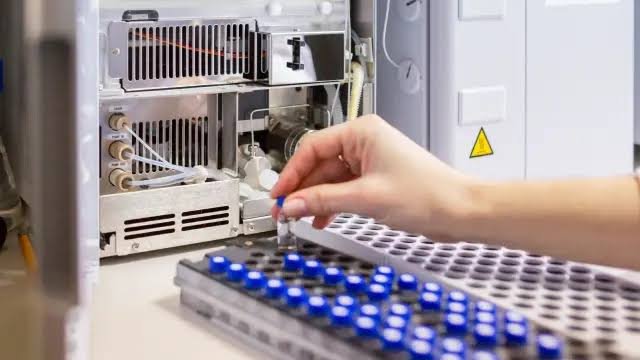
Drug metabolism influences how compounds are eliminated and how their effects change after administration. Enzymatic reactions can produce metabolites with different pharmacological or toxicological properties. Identifying and measuring these metabolites helps researchers understand metabolic pathways, systemic exposure, and potential safety concerns.
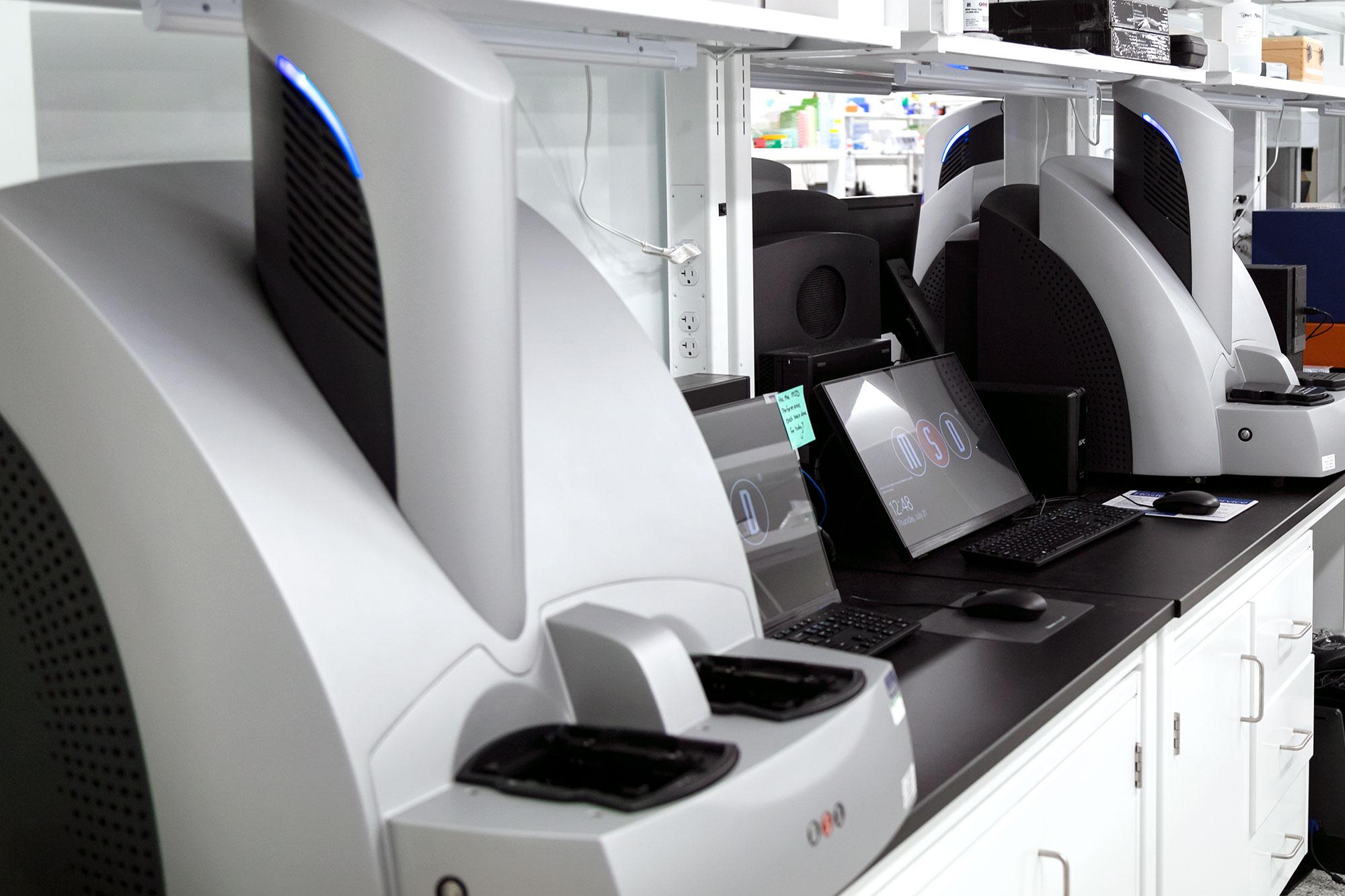
LC-MS Method Development combines liquid chromatography with mass spectrometry to identify and quantify drug metabolites. The process involves optimizing detection, chromatographic separation, and sample preparation according to analytical objectives. Methods must distinguish related compounds while providing reliable measurements across relevant biological matrices. Developing a reliable method requires understanding the analytical objectives, selecting suitable techniques, and meeting relevant regulatory requirements.
What Analytical Questions Arise in Drug Metabolism Studies?
Drug metabolism studies generally involve metabolite identification and quantitative analysis. Identification determines which metabolites form and examines their possible structures and metabolic pathways. Quantification measures concentrations of known metabolites, supporting exposure assessments and comparisons with the parent compound.
High-resolution mass spectrometry (HRMS) supports identification through accurate-mass measurements, isotope patterns, and fragmentation analysis. Reference standards can strengthen structural confirmation when available. Triple quadrupole instruments are commonly used for targeted quantification through multiple reaction monitoring. However, HRMS can also support quantitative analysis when appropriate. Instrument selection depends on the analytical objective and required performance.
How Does LC-MS Method Development Proceed?
LC-MS method development involves coordinated optimization of detection conditions, chromatographic separation, and sample preparation. Each stage influences the sensitivity, selectivity, and reproducibility of metabolite measurements.
| Development Stage | Key Activities | Analytical Purpose |
| Detection Optimization | Select ionization mode, precursor and product ions, and mass spectrometer settings. | Establish sensitive detection and identify signals associated with potential metabolites. |
| Chromatographic Separation | Optimize column chemistry, mobile phases, and gradient conditions. | Resolve relevant metabolites, isomers, and interfering matrix components. |
| Sample Preparation | Evaluate protein precipitation, liquid-liquid extraction, or solid-phase extraction. | Recover analytes while reducing matrix interference and preserving metabolite stability. |
Metabolite identification may begin by examining expected mass changes associated with oxidation, demethylation, or conjugation. Fragmentation spectra and known metabolic pathways help assess proposed structures. Chromatographic resolution is particularly important when metabolites share similar masses or fragmentation patterns. Extraction conditions must also account for differences in metabolite polarity and stability. Potential back-conversion of unstable metabolites requires investigation where relevant.
Must Read: How Population PK Models Improve Dose Selection for Rare Disease Drugs
Why Do Regulatory Thresholds Influence Method Design?
ICH M3(R2) indicates that additional nonclinical characterization may be warranted for certain human metabolites. This applies when exposure exceeds 10% of total drug-related exposure and is significantly greater than exposure observed in toxicity studies. The threshold is generally assessed using mean area under the concentration-time curve (AUC). Additional testing depends on the metabolite’s characteristics and applicable regulatory considerations.
These expectations influence analytical sensitivity and metabolite exposure measurements relative to total drug-related material. Radiolabeled studies can help estimate relative metabolite exposure when suitable reference standards are unavailable. However, parent-compound responses cannot automatically substitute for authentic metabolite calibration. Quantitative LC-MS methods require appropriate standards and an evaluation of analytical response differences.
What Does LC-MS/MS Method Validation Require?
Following development, quantitative methods undergo validation appropriate to their intended regulatory application. LC-MS/MS method validation under ICH M10 evaluates analytical performance for applicable drug and metabolite measurements. A bioanalysis lab must establish suitable acceptance criteria before analyzing regulated study samples.
Important validation parameters include:
- Selectivity and Specificity: Confirm that parent compounds, metabolites, and matrix components do not produce unacceptable analytical interference.
- Accuracy and Precision: Assess agreement with reference concentrations and measurement consistency within and between analytical runs.
- Calibration Range: Establish reliable quantification across concentrations expected in study samples.
- Matrix Effects: Evaluate ion suppression or enhancement across relevant biological matrix sources.
- Stability: Assess analyte integrity during collection, processing, storage, and analysis, including potential metabolite back-conversion.
- Carryover: Confirm that high-concentration samples do not interfere with subsequent measurements.
- Dilution Integrity: Demonstrate reliable quantification when samples exceeding the calibration range require dilution.
Stable isotope-labeled internal standards can help correct variability during extraction and ionization. However, their suitability must be evaluated for each analyte. Documented LC-MS/MS method validation establishes whether the analytical procedure meets predefined performance requirements.
How Is the Work Organized in a Bioanalysis Lab?
A Bioanalysis Lab supporting drug metabolism studies coordinates metabolite identification, quantitative method development, and sample analysis. High-resolution and triple quadrupole instruments may support different stages of this process. Analytical procedures, instrument settings, and data-processing methods require appropriate documentation to support reproducibility and method transfer.
Sample integrity is equally important. Collection tubes, anticoagulants, stabilizers, processing intervals, and storage conditions can influence metabolite recovery. Establishing these requirements before sample collection reduces avoidable analytical variability. Reliable documentation also supports consistency between metabolite identification, quantitative measurements, and regulatory reporting.
Conclusion
LC-MS methods support drug metabolism studies by identifying metabolic products and measuring their systemic exposure. Effective development requires appropriate detection conditions, chromatographic separation, sample preparation, and metabolite stability assessments. Regulatory considerations influence which metabolites require further characterization and the analytical sensitivity needed for exposure comparisons. Validated quantitative methods provide reliable concentration data, while documented laboratory procedures support reproducibility. These findings help characterize metabolic pathways, evaluate potential safety concerns, and inform drug development decisions.