

 English








































































































































































































































































































































































































































































































































































































































































































































































































































































































































































































































































































































































































































































































































































































































































































Why More Buildings Are Choosing Hydronic Temperature Control

Keeping indoor temperatures stable is not only about comfort. It affects equipment performance, energy use, and building operations. Many facilities struggle with uneven heating, inefficient cooling, and systems that require frequent adjustments.
A hydronic heating and cooling system uses water as the medium to transfer heat or cooling energy throughout a building. Instead of moving conditioned air through large duct networks, these systems circulate heated or chilled water through pipes to connected equipment.
This approach gives engineers better control over temperature zones. It also supports efficient operation in commercial buildings, healthcare facilities, educational spaces, and large residential properties where consistent climate control matters.
How Hydronic Heating and Cooling Systems Work
A hydronic system works by moving water between heat sources, heat exchangers, pumps, and terminal units. During heating operation, a boiler or heat source warms the water. Pumps then circulate the heated water through the building.
When cooling is required, chilled water moves through the same type of distribution network. The water absorbs heat from indoor spaces and carries it back to the cooling equipment.
A well-designed hydronic heating and cooling system can support precise temperature management across different areas of a building. This makes it suitable for facilities with varying occupancy levels and different heating or cooling requirements.
Key Components That Support Reliable Performance
A hydronic system depends on several engineered components working together. Each part affects system reliability, efficiency, and maintenance needs.
Important components include:
- Pumps that circulate water throughout the system
- Heat exchangers that transfer thermal energy between fluids
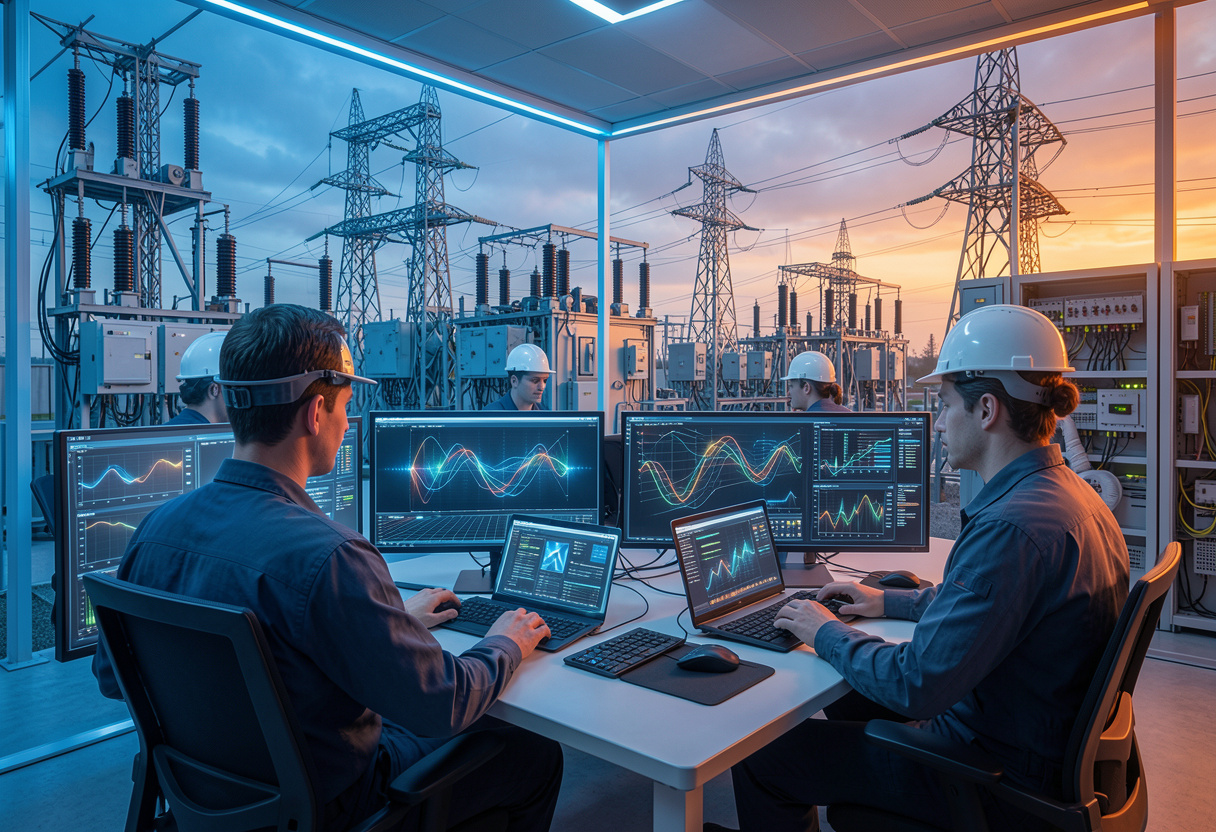
- Control panels that manage system operation
- Temperature sensors that monitor performance
- Valves that regulate water flow
- Expansion tanks that manage pressure changes
Advanced systems often include variable speed drives. These controls allow pumps to adjust output based on demand instead of operating at full capacity all the time.
Heat Transfer Systems for Better Building Control
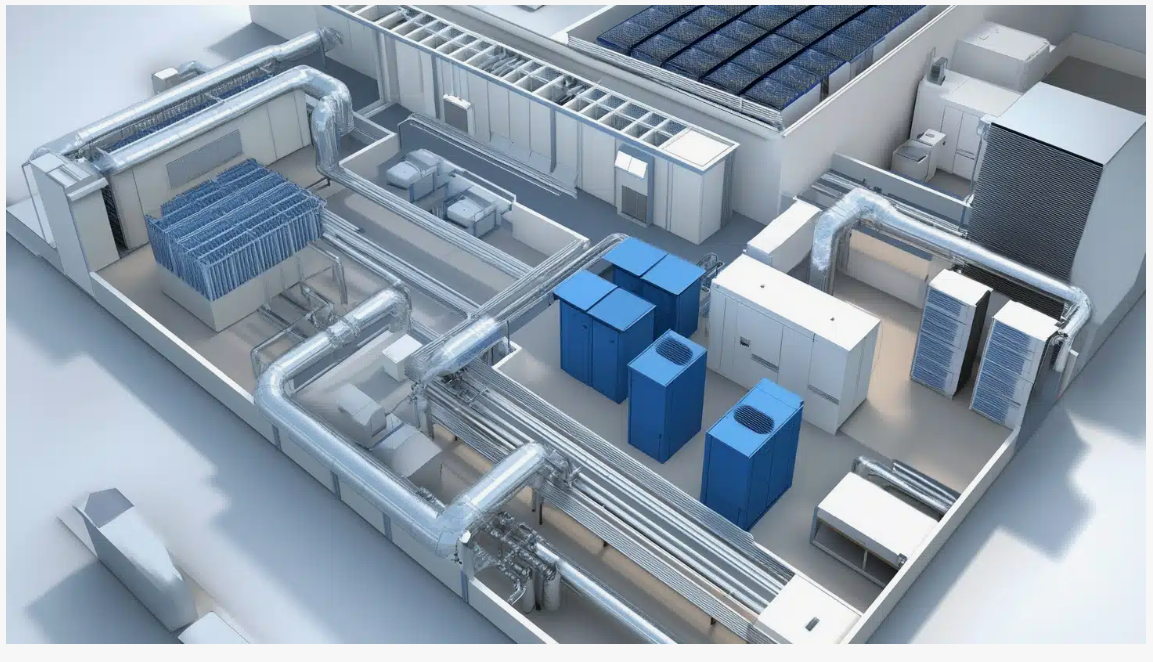
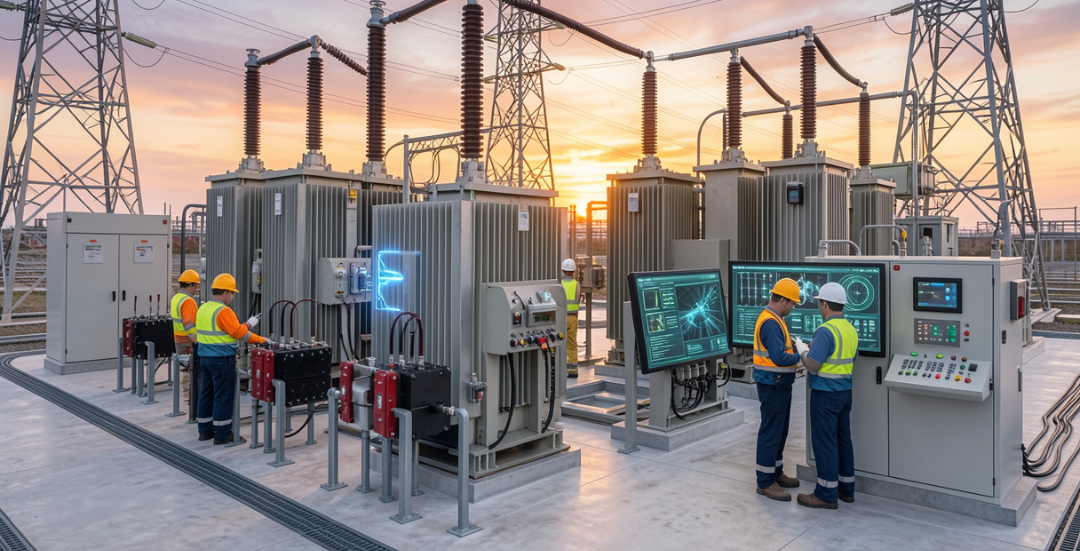
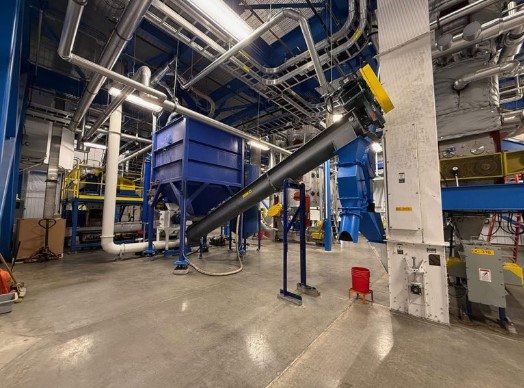
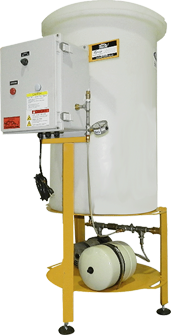
Heat transfer equipment forms the center of many hydronic applications. These systems move energy between steam, hot water, or chilled water loops while keeping fluids separated.
Engineered heat transfer solutions can include steam-to-water and water-to-water configurations. These systems support different building requirements, from heating large spaces to maintaining controlled environments.
Common features found in advanced heat transfer units include:
| Feature | Benefit |
| Factory tested assemblies | Reduces installation issues |
| Variable speed pump designs | Matches output with demand |
| Temperature monitoring | Improves system control |
| Custom programming options | Supports specific building needs |
These features help facility teams maintain stable operation after installation. Proper testing before shipment also reduces commissioning challenges during project completion.
Applications Across Different Building Types
Hydronic heating and cooling systems work well in many commercial and institutional environments. Their flexibility makes them useful for buildings with strict temperature requirements.
Common applications include:
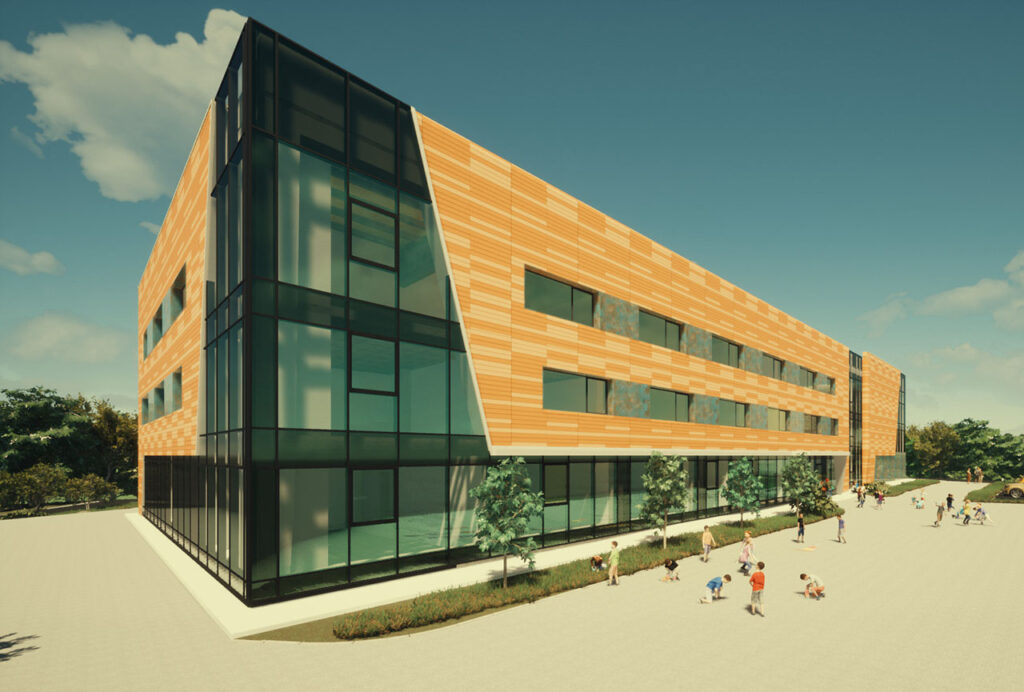
- Schools that require dependable heating and cooling across classrooms
- Hospitals that need stable indoor conditions
- Apartment buildings with multiple temperature zones
- Commercial buildings with large HVAC demands
- Stadiums and public facilities with changing occupancy levels
- Industrial locations that require controlled environments
Each application has different performance needs. A properly designed system considers building size, usage patterns, climate conditions, and future maintenance requirements.
Why System Design Matters
A hydronic system performs best when every component works together. Pump capacity, piping design, controls, and heat transfer equipment must match the building’s requirements.
Poor system design can lead to uneven temperatures, increased maintenance, and wasted energy. On the other hand, a properly engineered setup provides reliable performance and easier service access.
Facilities often benefit from solutions that include factory assembly, dedicated project management, and optional startup support. These services help ensure the installed system matches the original design goals.
Improving Long-Term Building Operations
Building owners and facility managers look for systems that provide predictable performance over time. Hydronic solutions support this goal by offering controlled water circulation and adaptable operation.
Regular maintenance remains important. Checking pumps, valves, controls, and heat exchangers helps identify issues before they affect daily operations.
A properly maintained system can support consistent indoor temperatures while reducing unnecessary system strain. This creates a more stable environment for occupants and building equipment.
Choosing the Right Hydronic Solution
Selecting the right heating and cooling system requires careful planning. Every building has different requirements based on size, purpose, and operating conditions.
A professional evaluation helps determine the correct equipment combination, pump design, control strategy, and heat transfer approach.
For facilities seeking dependable temperature control, hydronic systems offer a practical solution. They combine efficient heat movement, precise control, and flexible design options for modern building needs.
Final Thoughts
Hydronic heating and cooling systems provide a reliable approach to managing indoor temperatures in demanding facilities. They use controlled water circulation, advanced pumps, and engineered heat transfer equipment to maintain consistent performance.
For commercial, institutional, and industrial buildings, the right system design can improve comfort, operational stability, and long-term efficiency.
Explore engineered hydronic solutions that match your building requirements and support reliable HVAC performance for years ahead.