

 English

































































































































































































































































































































































































































































































































































































































































































































































































































































































































































































































































































































































































































































































































































































































































































































































































































































































MSD Meso Scale Applications in Immunology Studies

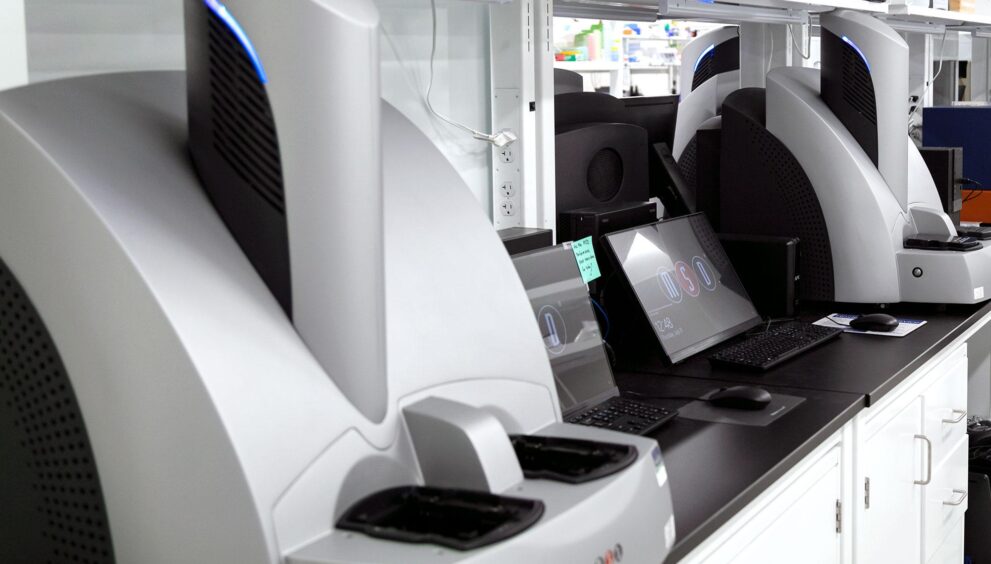
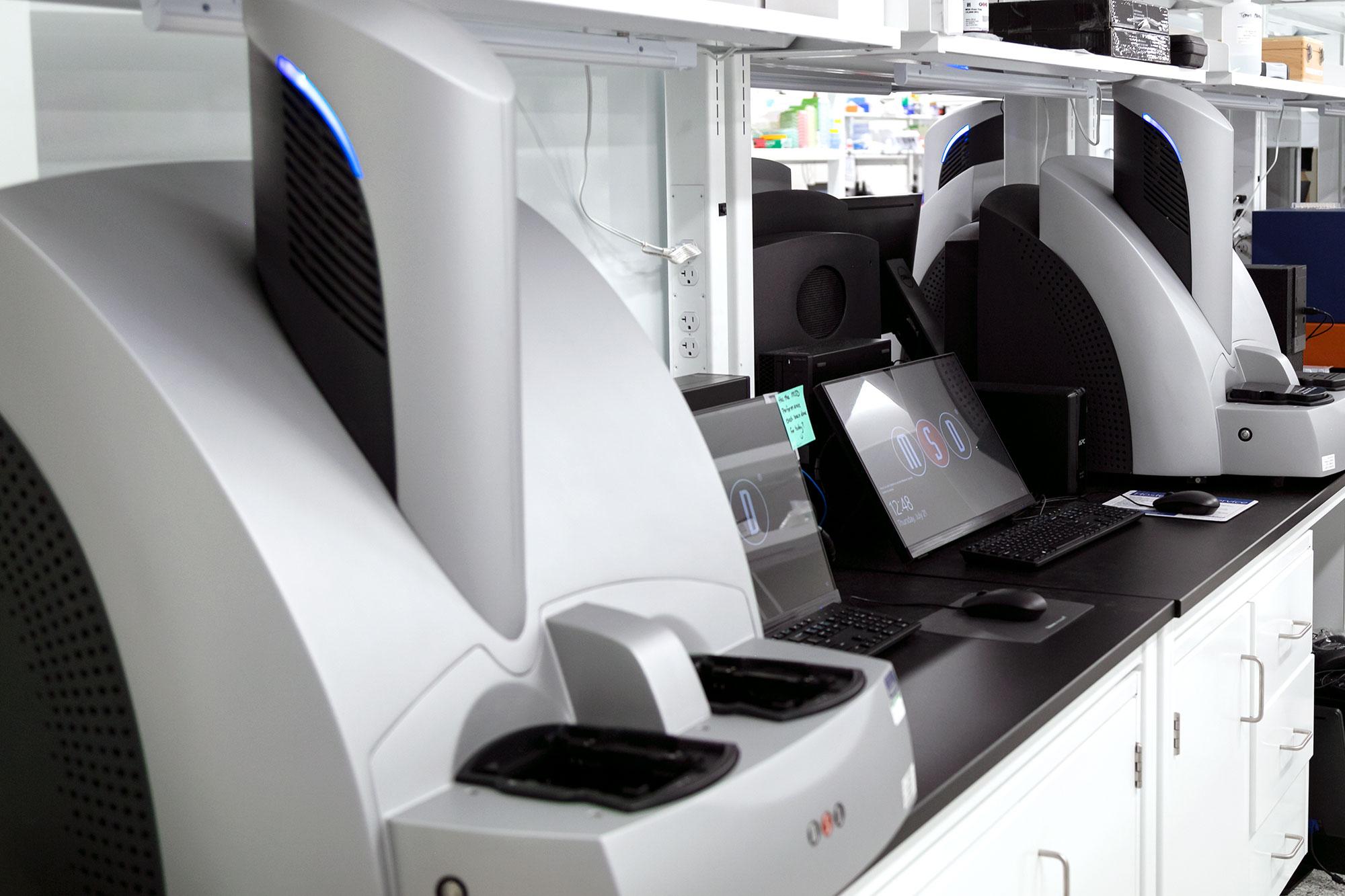
Immunology research depends on analytical platforms capable of detecting low-level biomarkers across complex biological matrices. Drug development programs require accurate immune profiling to evaluate therapeutic safety and biological activity during preclinical and clinical studies. Since multiplex biomarker detection supports simultaneous analysis of multiple cytokines from limited sample volumes, it has become the standard practice. MSD Meso Scale technology supports electrochemiluminescence (ECL) based detection methods designed for sensitive, reproducible biomarker analysis that aligns with regulated bioanalysis requirements.
Role of Meso Scale Technology in Immunology Studies
Electrochemiluminescence (ECL) technology combines immunoassay detection with electrochemically stimulated signal generation to improve analytical sensitivity and dynamic range. It generates measurable light signals following electrochemical activation, assisting with the accurate quantification of biomarkers in complex biological samples. These characteristics make it a preferred choice for detecting cytokines and immune response markers evaluated in immunology studies.
MSD Meso Scale technology also allows researchers to reduce sample consumption while maintaining consistency across assay runs. A Meso Scale Discovery Assay can help with biomarker testing across inflammatory disease research and therapeutic monitoring workflows performed under GLP-compliant laboratory conditions.
Applications of MSD Cytokine Panels in Immune Response Research
MSD Cytokine profiling plays an important role in immunology studies involving inflammatory signaling, immune activation, and therapeutic response monitoring. Multiplex immunoassays help researchers check multiple cytokines simultaneously while maintaining analytical sensitivity and reproducibility across biological samples used in regulated studies.
Some of the key applications of cytokine panels in immune response research include:
- Inflammatory Disease Studies: Researchers monitor fluctuations in cytokines associated with chronic inflammatory conditions.
- Autoimmune Research: Cytokine analysis helps in the evaluation of dysregulated immune responses involved in autoimmune disorders.
- Vaccine Response Monitoring: Multiplex testing plays a role in assessing immune responses following vaccination studies.
- Oncology Immunology Research: Cytokine biomarkers support evaluation of immune activity within the tumor microenvironment.
- Translational Biomarker Studies: Biomarker profiling helps connect preclinical immune findings with clinical outcomes.
Use of MSD ELISA in Biomarker Detection
Low-abundance immune biomarkers create analytical challenges in bioanalysis studies. Conventional immunoassays may not provide the sensitivity required for accurate quantification at lower concentration ranges. Therefore, researchers use the MSD ELISA platform when studies require broad dynamic ranges, improved signal detection, and reliable reproducibility across assay runs.
Electrochemiluminescence detection also reduces interference that affects assay performance in biological matrices such as serum or plasma. Improved analytical sensitivity supports the monitoring of inflammatory mediators, pharmacokinetic biomarkers, and immune activation markers throughout drug development programs performed under FDA and ICH expectations for assay validation.
Use of MSD Immunoassay in Biologics
Biologic therapies require detailed immunogenicity and biomarker evaluation throughout product development and regulatory assessment. A validated MSD Immunoassay platform supports sensitive biomarker testing across biologics, gene therapy, and cell therapy research programs. These applications remain relevant in Large Molecule Bioanalysis workflows that involve therapeutic proteins and advanced therapeutic modalities, such as:
- Immunogenicity Assessment: Researchers evaluate immune responses generated against therapeutic biologics.
- ADA Testing: Anti-drug antibody testing identifies antibodies that may change the therapeutic exposure or safety profiles.
- Neutralizing Antibody Assays: These assays determine whether antibodies interfere with therapeutic activity.
- Cell Therapy Biomarker Analysis: Researchers monitor immune activation markers during treatment studies.
- Gene Therapy Research Applications: Biomarker analysis supports evaluation of vector-related immune responses.
These applications support reliable immunogenicity assessment throughout biologic drug development programs.
Important Factors Affecting MSD Analysis Performance
Several technical factors influence the reliability and reproducibility of MSD Analysis workflows during immunology studies. To maintain data quality, researchers account for multiple variables such as:
- Assay Sensitivity: High analytical sensitivity supports accurate quantification of low-level immune biomarkers.
- Specificity: Optimized reagents help reduce non-specific signal interference within biological samples.
- Matrix Effects: Variability in the composition of serum or plasma can influence analytical performance.
- Cross-Reactivity: Multiplex assay panels require evaluation to prevent inaccurate biomarker measurements.
- Assay Validation: FDA, ICH, GLP, and GCLP expectations require reproducibility and analytical consistency.
Careful management of these variables supports the generation of reliable data in regulated bioanalysis studies.
Must Read: ELISA Assays Use in Food Safety and Allergen Detection
Role of Multiplex Immunoassays in Modern Bioanalysis
Multiplex immunoassays provide operational and analytical advantages in modern immunology research. Simultaneous biomarker detection is important in clinical studies involving limited biological specimens, as it reduces the total sample volume requirements during testing.
Multiplex testing also supports biomarker-driven drug development by allowing broader evaluation of immune response pathways within a single assay workflow. As a result, researchers benefit from improved analytical throughput while maintaining sensitivity and reproducibility across multiple analytes.
Conclusion
Immunology studies depend on sensitive analytical technologies capable of supporting reproducible biomarker detection across regulated research environments. Electrochemiluminescence platforms provide important advantages for cytokine profiling, immunogenicity testing, and immune response monitoring during therapeutic development. Reliable multiplex immunoassays also improve analytical efficiency while conserving valuable clinical samples throughout regulated studies. As biologics and cell therapies continue to evolve, sensitive immunology platforms like Meso Scale Discovery assays remain important for generating accurate and reproducible data aligned with FDA, ICH, GLP, and GCLP expectations across preclinical and clinical bioanalysis research programs globally.