

 English



























































































































































































































































































































































































































































































































































































































































































































































































































































































































































































































































































































































































































































































































































































































































How Regular Maintenance Extends Your Electronic Piano’s Lifespan


A digital piano or keyboard often becomes more than an instrument. It turns into a creative partner, a teaching tool, or a daily escape. Like any advanced electronic device, it responds directly to how well it receives care over time. Many owners only think about electronic piano keyboard repair once the keys stop responding or sound drops out entirely. Regular maintenance quietly prevents those moments, extending lifespan while preserving tone, response, and reliability.
Consistent attention today reduces unexpected failures tomorrow.
Why Electronic Piano Keyboards Require Ongoing Care?
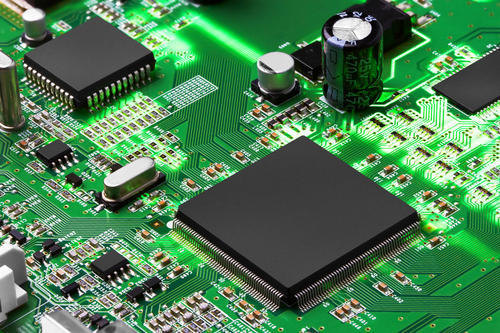
Electronic keyboards combine sensitive circuitry, mechanical components, and software driven systems. Dust buildup, temperature shifts, humidity, and power inconsistencies slowly impact internal performance. Unlike acoustic instruments, issues often remain invisible until a malfunction interrupts play.
Routine maintenance identifies early warning signs before damage escalates. Components stay aligned, electrical connections remain stable, and response accuracy stays intact. Over time, this approach preserves both performance quality and financial value.
The Impact of Dust and Environmental Exposure
Dust remains one of the most underestimated threats to electronic instruments. It settles beneath keys, coats circuit boards, and interferes with sensors. Over time, this leads to inconsistent velocity response or intermittent sound output.
Humidity creates equal concern. Moisture affects solder joints and conductive pathways, increasing corrosion risk. Temperature swings expand and contract internal materials, stressing delicate connections.
A controlled environment paired with periodic internal cleaning significantly reduces repair frequency and keeps performance predictable.
Key Action Areas in Preventive Keyboard Maintenance
Routine Surface and Key Cleaning
Keys collect oils, dust, and residue through daily use. When debris migrates downward, it interferes with key contacts and sensors.
A gentle, scheduled cleaning routine maintains responsiveness and prevents buildup from becoming a mechanical issue. Soft materials and approved cleaning agents protect key coatings while preserving tactile feel.
Internal Inspection and Calibration
Internal components slowly drift out of tolerance. Sensors lose alignment, connectors loosen, and ribbon cables wear from vibration.
Periodic inspection identifies these shifts early. Calibration restores consistent velocity curves and ensures even response across the keyboard. This level of care reduces long term dependency on intensive electronic piano keyboard repair services.
Power Supply Health and Electrical Stability
Power fluctuations quietly damage electronic instruments. Surges stress capacitors, while inconsistent voltage degrades internal regulators. Over time, this results in startup failures or distorted output.
Using surge protection and checking power supply integrity during maintenance visits protects core circuitry. Stable power delivery supports consistent sound processing and prevents cumulative electrical stress.
Software Updates and System Integrity
Modern keyboards rely heavily on embedded software. Firmware governs sound engines, MIDI behavior, and performance response.
Keeping firmware updated corrects known issues and improves compatibility with external devices. Maintenance sessions often include verifying software stability and addressing glitches that might otherwise appear as hardware faults.
Mechanical Wear Happens Gradually
Keys, springs, and contact strips experience physical wear through repetition. The process stays gradual, making degradation easy to overlook.
Maintenance evaluates mechanical fatigue before it compromises playability. Replacing worn contact strips early prevents cascading damage to adjacent components. This proactive approach extends usable life while preserving original feel.
Why Preventive Maintenance Costs Less Than Repairs?
Reactive repairs address failure after damage occurs. Preventive maintenance addresses stress before failure develops.
The difference mirrors approach used in home appliance repair Houston services, where early servicing extends lifespan and lowers ownership cost. Instruments benefit from the same philosophy. Small adjustments today avoid larger part replacements later.
Preventive care protects investment and performance simultaneously.
Performance Consistency Matters to Musicians
Reliability influences confidence. Unexpected behavior distracts during practice, rehearsal, or recording sessions.
Regular maintenance ensures uniform response across octaves, consistent dynamics, and stable output levels. Musicians focus on expression rather than equipment uncertainty.
Long term consistency remains one of the strongest arguments for routine care.
Transport, Storage, and Setup Considerations
Movement introduces risk. Transport vibration loosens connectors and stresses solder joints. Improper storage exposes electronics to humidity and temperature extremes.
Maintenance often includes evaluating wear related to transport habits. Simple adjustments and reinforcement reduce vulnerability during travel and setup cycles.
Longevity and Resale Value
A well-maintained keyboard retains functional value longer. Service history signals care, making instruments more appealing in resale or trade scenarios.
Buyers trust instruments with documented upkeep. Maintenance supports longevity while preserving market appeal beyond initial ownership.
Maintenance Frequency Depends on Usage
Daily players place higher mechanical demand on components. Studio instruments experience prolonged power exposure. Occasional players still face environmental risks.
Maintenance schedules adapt to usage patterns. A tailored approach prevents over servicing while addressing realistic wear points.
Professional Maintenance Versus DIY Efforts
Surface cleaning remains manageable at home. Internal servicing introduces risk without proper tools or diagnostics.
Professional maintenance brings experience, controlled processes, and accurate evaluation. Technicians recognize patterns unseen by untrained inspection. This approach minimizes trial and error while protecting delicate systems.
How Maintenance Reduces Emergency Repairs?
Unexpected failure often results from ignored early symptoms. Sticky keys, intermittent sound, or delayed response rarely resolve independently.
Maintenance addresses these signs early, preventing emergency downtime. Consistent care reduces the likelihood of sudden performance loss and urgent electronic piano keyboard repair needs.
Connecting Instrument Care to Broader Electronics Practices
Electronic keyboards share maintenance principles with other precision electronics. Heat management, dust control, and electrical stability influence performance across categories.
Similar strategies appear in home appliance repair Houston workflows, where proactive service extends functional lifespan and prevents costly breakdowns. Electronics reward consistency regardless of category.
Long Term Creative Freedom Through Care
A responsive instrument invites creativity. Maintenance preserves the connection between player and sound without interruption.
When equipment stays reliable, creative flow stays uninterrupted. That reliability begins long before visible failure.
How Maintenance Supports Creative Momentum?
Regular upkeep supports more than mechanical reliability. It supports confidence during play. When response remains consistent, musicians stay focused on expression rather than correction. Keys trigger evenly, dynamics respond accurately, and sound output remains predictable. This stability matters during long practice sessions and critical performances. Small inconsistencies disrupt muscle memory and creative flow, even if the issue feels minor at first. Maintenance eliminates these distractions before they register consciously.
Consistent servicing also reduces mental friction. Musicians stop compensating for lag, uneven velocity, or unexpected behavior. Over time, that reliability strengthens the relationship between player and instrument. Many professionals apply the same philosophy seen in home appliance repair Houston, where early attention prevents sudden disruption. The principle stays identical. Care performed regularly protects continuity, reliability, and peace of mind.
Maintenance as Part of Long-Term Instrument Ownership
Viewing maintenance as part of ownership reframes expectations. Instead of reacting to failure, owners anticipate needs and plan accordingly. This mindset reduces stress and unexpected downtime. Over years of use, it also minimizes reliance on intensive electronic piano keyboard repair, since small adjustments prevent structural strain. Instruments respond best when treated as evolving systems rather than static tools.
Conclusion
Regular maintenance protects sound quality, response accuracy, and long term reliability. It transforms ownership from reactive repair cycles into predictable performance confidence. Addressing small issues early preserves both musical expression and financial investment. Whether preventing sensor drift or avoiding unexpected electronic piano keyboard repair, consistent care extends lifespan while keeping every session focused on music rather than malfunction.