

 English












































































































































































































































































































































































































































































































































































































































































































































































































































































































































































































































































































































































































































































































































































































































































































































How to Get a Part Made: A Complete Guide to Turning Your Idea


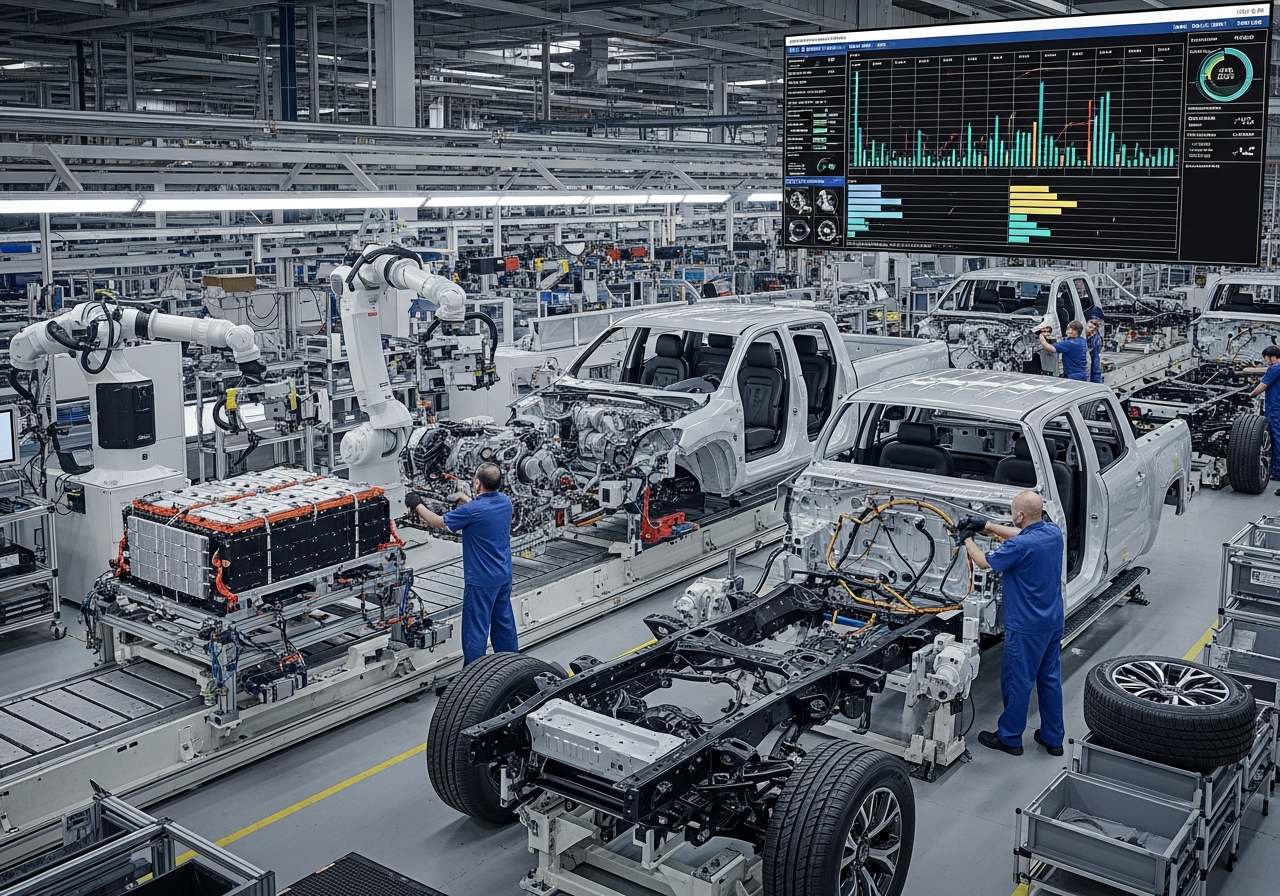
Turning an idea, sketch, or concept into a physical component requires careful planning, the right manufacturing process, and effective communication with suppliers. Whether you are developing a prototype, replacing a broken component, or preparing a new product for production, understanding how to get a part made can help you move from an initial design to a finished product. The manufacturing process involves several important stages, including defining requirements, selecting materials, preparing technical drawings, finding a suitable manufacturer, and checking the final result.
Understanding Your Part Requirements
Before contacting a manufacturer, clearly identify what you want to produce. Start by describing the part’s purpose, its operating environment, and the requirements it must meet. Consider its dimensions, shape, expected performance, material properties, and intended application.
A detailed understanding of your requirements helps prevent misunderstandings during manufacturing. Even a relatively simple component can involve important design considerations. For example, a plastic housing may require specific dimensions and surface characteristics, while a metal bracket may need sufficient strength and accurate mounting points.
Create a basic specification document containing the essential information. Include measurements, reference photographs, sketches, and any known technical requirements. This document will provide manufacturers with a clearer understanding of your expectations.
Create a Technical Drawing or 3D Model
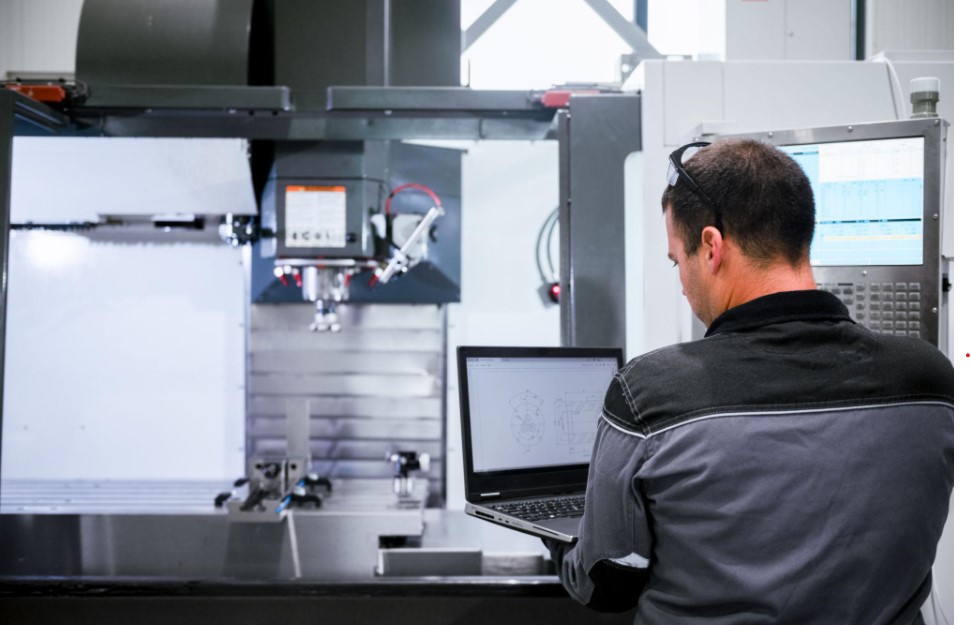
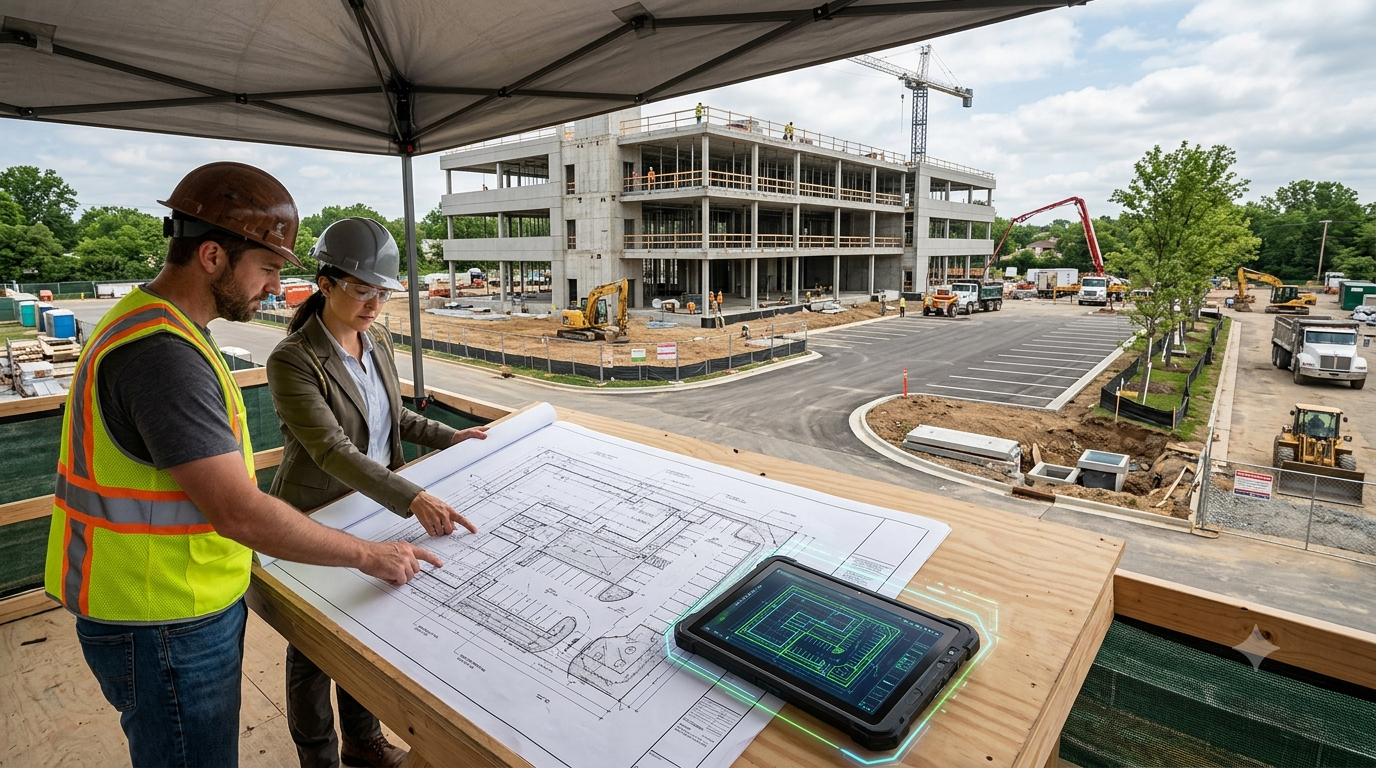
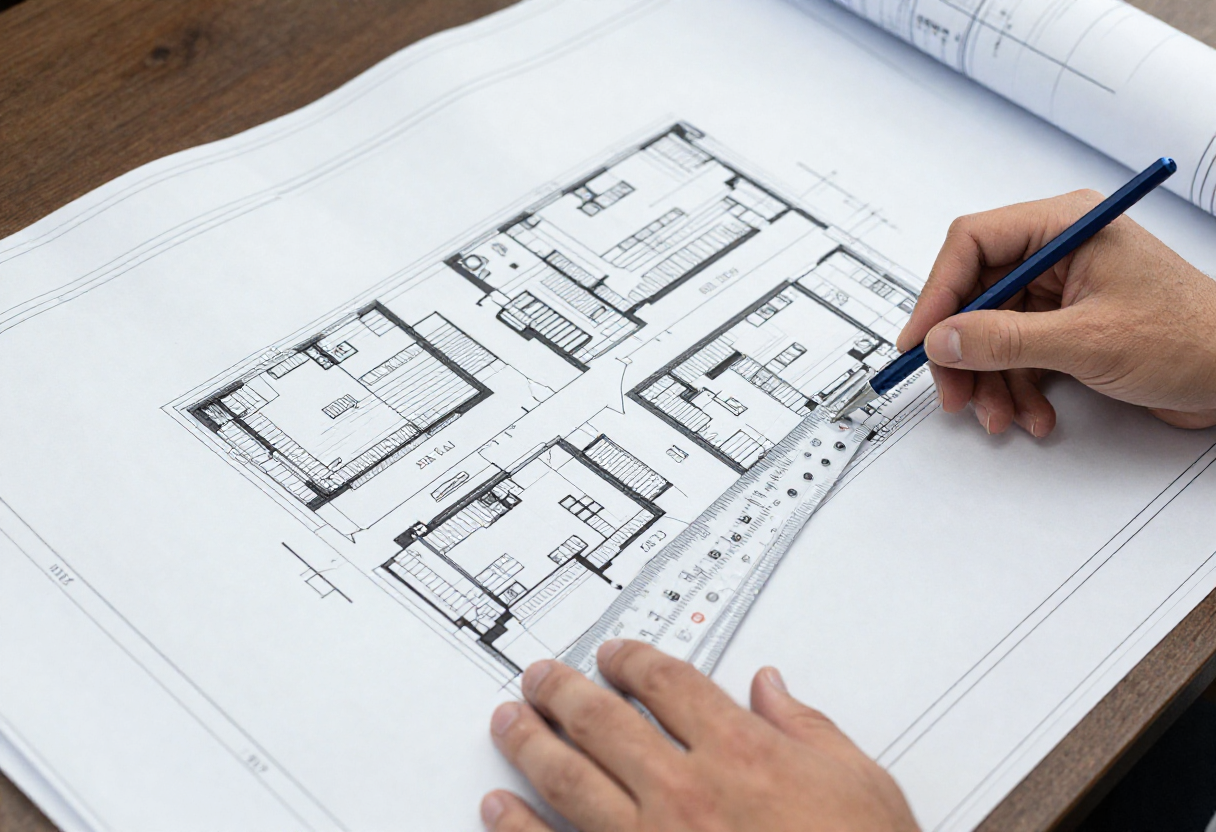
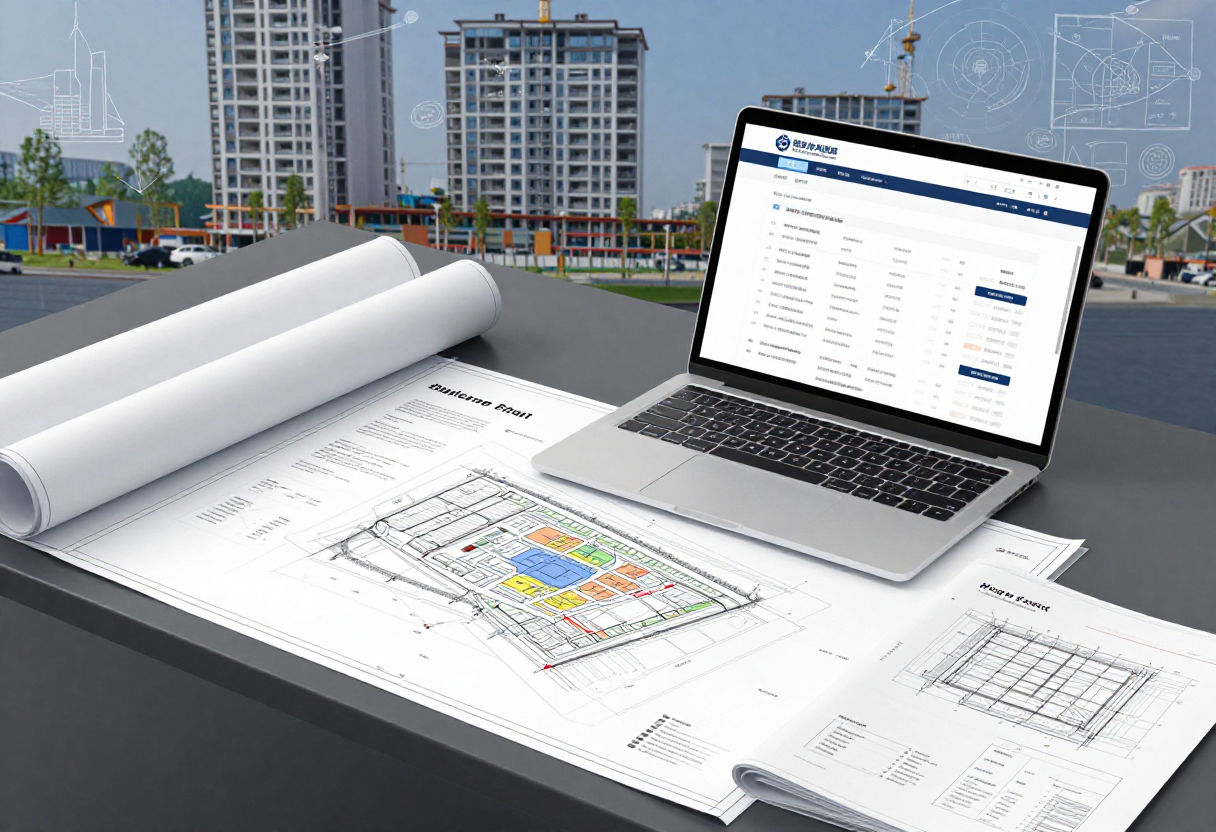
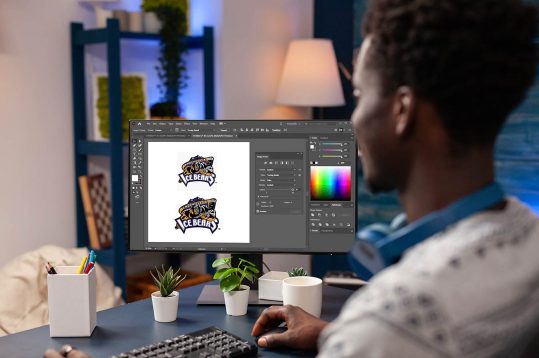
A manufacturer needs accurate information to understand how your component should look and function. A hand-drawn sketch can communicate an early concept, but a technical drawing or 3D CAD model provides much more useful manufacturing information.
Technical drawings typically include dimensions, tolerances, material specifications, and important geometric details. A 3D model can help manufacturers visualize the component and assess whether the proposed design is suitable for production.
Common digital file formats include STEP, STL, and IGES. The appropriate format depends on the manufacturing process and the manufacturer’s software requirements.
If you do not have professional CAD experience, consider working with a product designer or mechanical engineer. Their input can help improve the design, identify potential manufacturing challenges, and prepare documentation that suppliers can understand.
Choose the Right Manufacturing Process
Different components require different manufacturing methods. Your choice will depend on the material, design complexity, production quantity, budget, and required finish.
Some common manufacturing processes include:
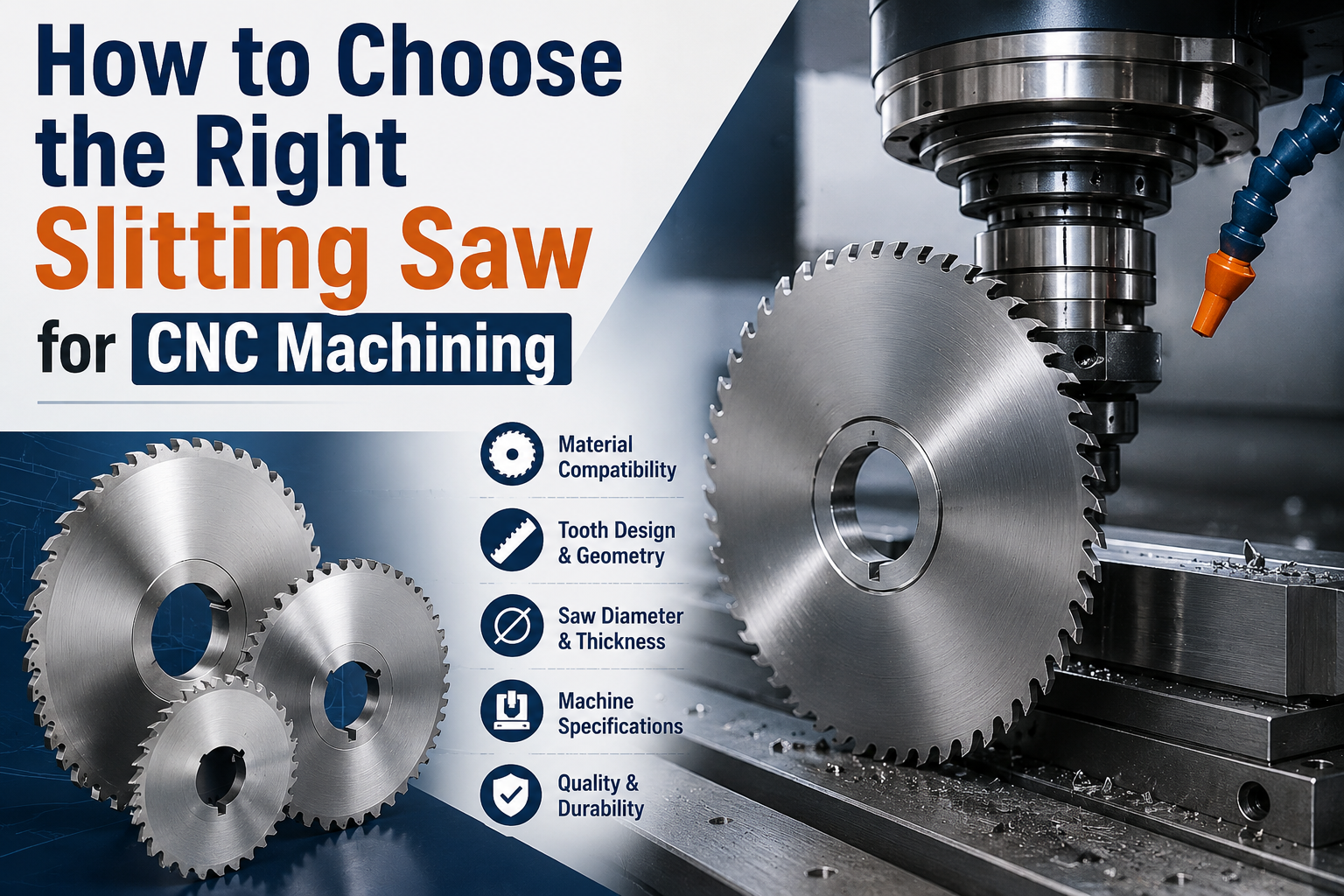
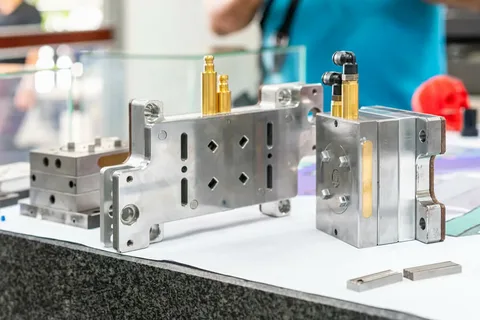
- CNC machining: Suitable for producing accurately shaped components from metal or plastic stock.
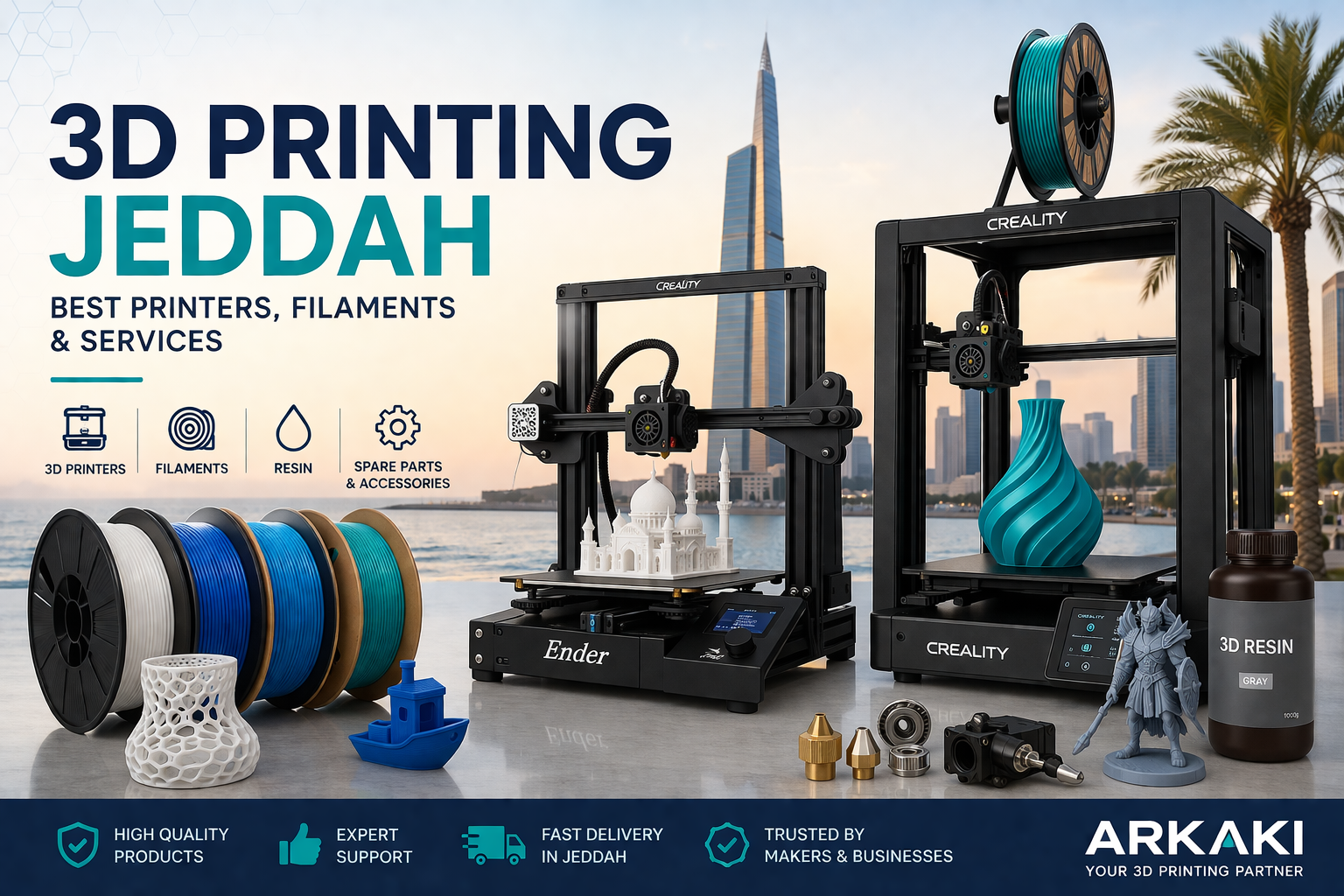
- 3D printing: Useful for prototypes, customized components, and complex geometries.
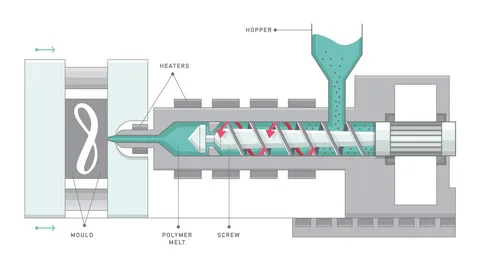
- Injection molding: Commonly used for producing large quantities of plastic parts.
- Sheet metal fabrication: Appropriate for brackets, panels, enclosures, and structural components.
- Casting: Often selected for components that require particular shapes or material characteristics.
Each process has advantages and limitations. A manufacturing specialist can help determine which method offers the best balance between quality, cost, and production requirements.
Find a Suitable Manufacturing Partner
Choosing the right manufacturer is an important part of the process. Look for suppliers with experience producing components similar to yours. Review their manufacturing capabilities, available materials, quality control procedures, communication practices, and production capacity.
Request quotations from multiple suppliers when possible. Provide each manufacturer with the same drawings, specifications, and quantity requirements so that you can compare their proposals fairly.
A useful quotation should explain estimated production costs, tooling expenses where applicable, lead times, material options, and any additional charges. Do not make your decision based on price alone. Manufacturing experience, consistency, technical support, and reliability also matter.
Request a Prototype Before Full Production
Producing a prototype is an effective way to evaluate your design before committing to a larger manufacturing order. It allows you to examine the component’s dimensions, appearance, assembly requirements, and overall suitability.
During this stage, compare the physical prototype with your original specifications. Identify any design changes that may improve functionality, simplify manufacturing, or reduce unnecessary complexity.
Testing and reviewing a prototype can also reveal opportunities to improve material selection and production efficiency. Once the design meets your expectations, you can approve the specifications for the next manufacturing stage.
Understand Costs and Production Timelines
Manufacturing costs depend on several factors, including material selection, design complexity, production volume, tooling requirements, finishing, and quality inspection.
For example, producing one custom component may involve higher costs per unit than manufacturing hundreds of identical parts. However, ordering larger quantities before confirming the design can introduce unnecessary financial risks.
Ask manufacturers to explain their pricing structure and estimated completion schedule. Include shipping, packaging, finishing, and potential design revisions when preparing your budget.
Clear communication about deadlines and costs helps keep your project organized and reduces unexpected complications.
Inspect the Finished Component
Quality inspection should remain an important consideration throughout manufacturing. Once the part is produced, check whether it matches the approved drawings and specifications.
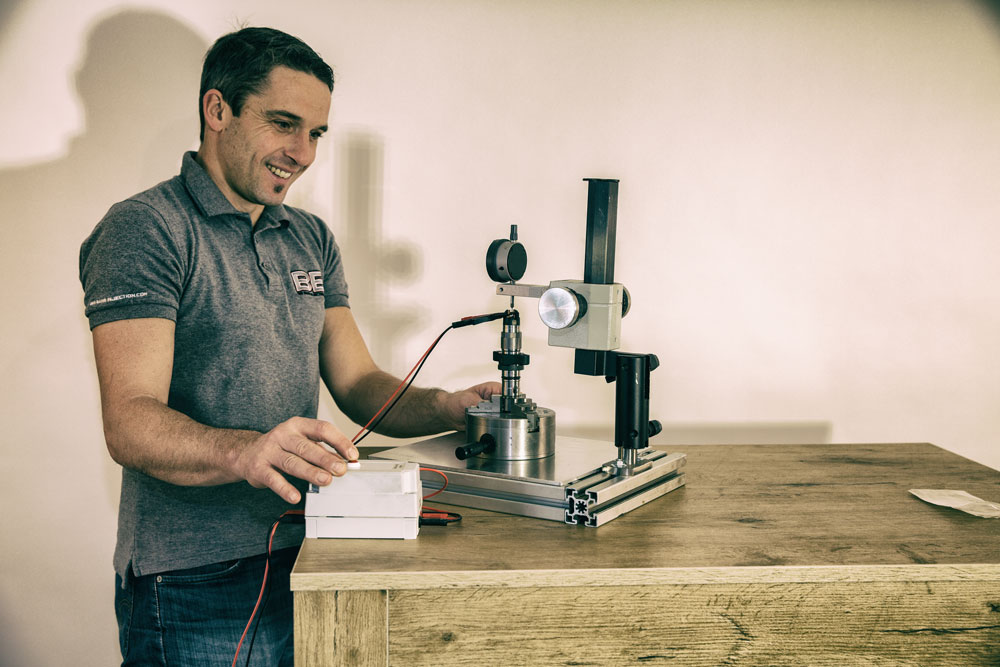
Depending on the component, inspection may involve dimensional measurements, visual examination, surface-finish checks, and appropriate functional testing. Document any differences and communicate concerns to the manufacturer.
Establishing clear acceptance criteria before production makes it easier for both parties to understand what constitutes an acceptable finished component.
Conclusion
Learning how to turn a concept into a manufactured component becomes much easier when the process is divided into manageable stages. Start with clear requirements, prepare accurate drawings, select an appropriate manufacturing method, and find a supplier with relevant experience. Prototype development, realistic budgeting, and quality inspection are equally important for achieving a successful result.
For additional guidance and manufacturing resources, how to get a part made is a useful starting point for exploring the journey from an initial product idea to a physical manufactured part. With proper preparation and communication, you can make informed decisions and approach your manufacturing project with greater confidence.