

 English









































































































































































































































































































































































































































































































































































































































































































































































































































































































































































































































































































































































































































































































































































































































































































































































































































Drake Tax Hosting: What Is It and Why Do Tax Firms Need It?


Tax preparation requires accuracy, secure access to client records, and reliable software performance. For firms using Drake Tax, managing the software on individual office computers can become challenging as teams grow, employees work remotely, and tax-season workloads increase.
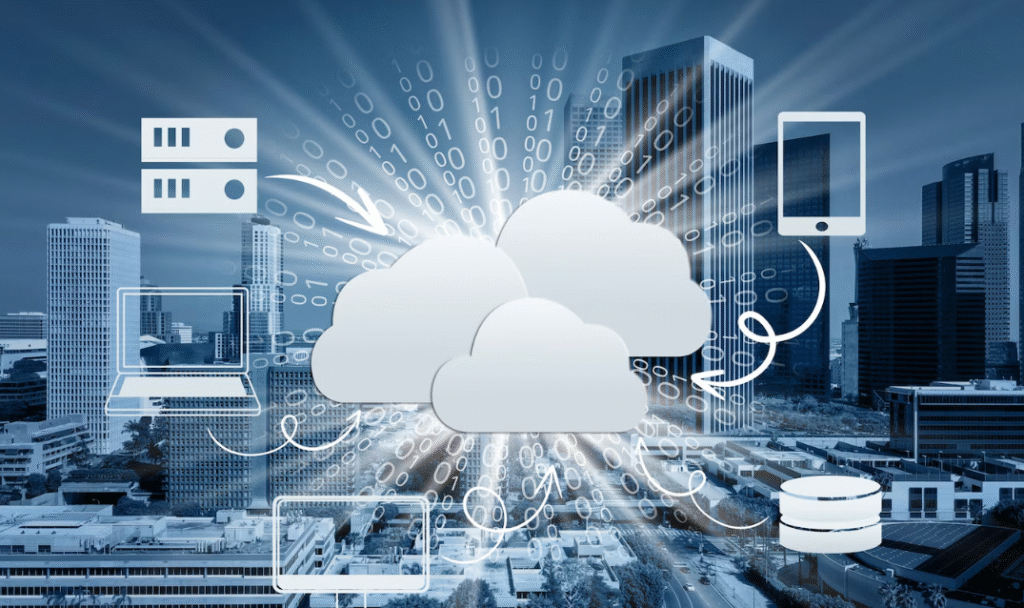
As firms look for more flexible ways to manage their tax software and data, Drake Tax hosting provides a practical solution by running Drake Tax in a managed cloud environment. Authorized users can access the software and tax data remotely without relying entirely on a local computer or office server. This approach can also provide features such as secure access, regular backups, scalable resources, and technical support.
What is Drake Tax Hosting?
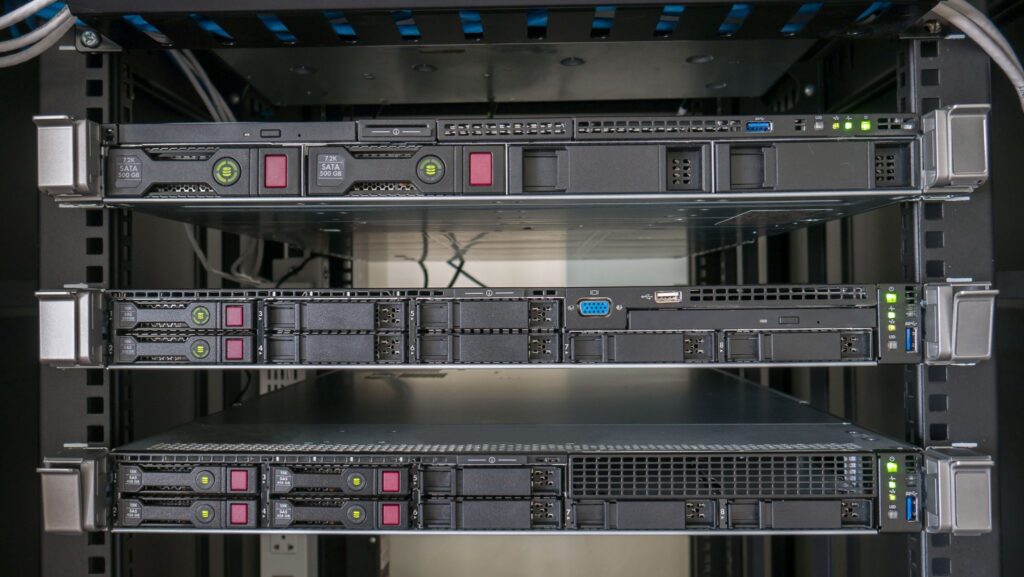
Drake Tax hosting is a service that places Drake Tax software on a remote Windows server or cloud desktop managed by a hosting provider. Tax professionals connect to the hosted environment through an internet connection and work with Drake Tax much like they would on a local computer.
The hosted environment can also support other applications used by tax professionals, depending on the provider and hosting plan. This makes it possible to create a centralized workspace where tax-related applications and files are available to authorized team members.
For firms with multiple preparers, remote employees, or seasonal staff, this setup can provide greater flexibility than maintaining Drake Tax separately on individual computers.
Why Do Tax Firms Need Drake Tax Hosting?
Tax firms handle sensitive financial and personal information while working under strict deadlines. A reliable technology environment is therefore essential. Hosting can help firms address several common challenges associated with traditional desktop setups.
1. Access Drake Tax From Anywhere
Tax professionals do not always work from the same office. Partners may work from home, preparers may operate from different locations, and firms may use remote employees during busy tax periods.
With a hosted environment, authorized users can access Drake Tax from supported devices with an internet connection. This allows professionals to continue preparing returns and handling other tax-related tasks without being tied to a specific office computer.
2. Support Remote and Multi-User Teams
Managing Drake Tax across multiple computers can create challenges when several employees need access to the same applications and data.
A centralized hosted environment can provide authorized users with access to the same working environment. This can make collaboration easier for tax preparers, accountants, reviewers, and administrative staff.
Before choosing a hosting service, firms should confirm that the provider supports their required number of users and Drake Tax licensing arrangement.
3. Protect Sensitive Tax Data
Tax firms handle highly confidential information, including income records, Social Security numbers, business information, and financial documents. Protecting this data should be a priority.
A professional hosting provider may provide security measures such as firewalls, antivirus protection, encryption, access controls, and secure data centers. Firms should review the provider’s security practices carefully and ensure they align with their internal requirements.
Security also depends on how users manage passwords, permissions, devices, and account access. Cloud hosting should therefore be part of a broader security strategy rather than treated as the only protection.
4. Maintain Regular Backups
Losing tax data during filing season can cause serious operational problems. Hardware failures, accidental deletion, software issues, and other incidents can put important files at risk.
Hosting providers may include automated or scheduled backups as part of their services. This gives firms an additional layer of protection and can make data recovery easier when something goes wrong.
When comparing providers, ask about backup frequency, retention periods, recovery procedures, and whether backups are stored separately from the primary environment.
5. Reduce IT Maintenance
Running tax software locally can require firms to manage computers, operating systems, security tools, storage, backups, and remote-access solutions.
With a managed hosting environment, much of the underlying server infrastructure is handled by the provider. This can reduce the amount of technical maintenance required from an internal team.
For small and mid-sized tax practices without dedicated IT staff, having access to technical support can be particularly useful during demanding periods.
6. Improve Tax-Season Flexibility
Tax season can dramatically increase the workload of a tax practice. Firms may need to add temporary employees, increase system resources, or provide access to staff working outside the office.
A cloud-hosted environment can offer greater flexibility for these changing requirements. Depending on the provider, firms may be able to adjust users, storage, memory, or processing resources as their needs change.
This flexibility can help firms prepare their technology environment for peak workloads without investing heavily in permanent office hardware.
7. Access Other Business Applications
Tax professionals rarely use only one application. They may also need accounting software, Microsoft Office applications, document management tools, PDF software, and other business applications.
A hosted Windows desktop can provide a centralized workspace for multiple supported applications. Instead of switching between different computers or environments, employees can access the applications they need from one hosted desktop.
The specific applications available depend on the hosting provider, licensing requirements, and selected plan.
Drake Tax Hosting vs Local Installation
| Feature | Local Installation | Drake Tax Hosting |
| Remote access | Requires additional setup | Built around remote access |
| Hardware | Managed by the firm | Hosting provider manages infrastructure |
| Backups | Usually managed internally | Provider may offer scheduled backups |
| IT maintenance | Handled by the firm | Many infrastructure tasks handled by provider |
| Multi-user access | Depends on local configuration | Centralized hosted environment |
| Scalability | May require hardware upgrades | Resources can typically be adjusted |
| Business continuity | Dependent on local infrastructure | Hosted infrastructure can support remote access |
What Should Tax Firms Consider Before Choosing a Hosting Provider?
Not every hosting service offers the same features. Tax firms should evaluate several factors before moving Drake Tax to the cloud.
- Drake Tax compatibility: Confirm that the provider supports the specific Drake Tax version and configuration your firm uses.
- Security: Review encryption, firewalls, antivirus protection, access controls, and data-center security.
- Backups: Ask how frequently data is backed up and how quickly it can be restored.
- Performance: Check available CPU, RAM, storage, and network resources, particularly if the firm has several users.
- Technical support: Look for responsive support that is available when your team needs assistance.
- Scalability: Make sure the hosting environment can accommodate additional users and resources during busy periods.
- Pricing: Compare monthly costs, setup fees, user charges, storage limits, and additional services before making a decision.
Is Drake Hosting Right for Your Tax Firm?
Drake Tax cloud hosting can be a practical option for firms that need remote access, centralized applications, managed infrastructure, and reliable data protection. It can be particularly useful for practices with multiple preparers, remote employees, seasonal workers, or limited internal IT resources.
However, firms should evaluate their specific requirements before choosing a provider. Consider the number of users, applications required, security expectations, backup needs, and budget.
Conclusion
Drake Tax cloud hosting gives tax firms a flexible way to run Drake Tax in a professionally managed cloud environment. Remote access, centralized applications, backups, scalable resources, and reduced infrastructure management can help firms maintain an efficient technology setup throughout the tax year.
For firms seeking a managed hosting environment, Apps4Rent offers Drake hosting with cloud-based access, scalable resources, data protection, and technical support. Choosing the right hosting plan can help tax professionals focus more on serving clients and less on managing IT infrastructure.
Frequently Asked Questions
1. What is Drake Tax hosting?
Drake hosting runs Drake Tax in a remote cloud or hosted Windows environment. Authorized users can connect to the environment through the internet and access the software from supported devices.
2. Can I access Drake Tax remotely?
Yes. Hosted Drake Tax environments are designed to provide remote access, allowing authorized tax professionals to work from different locations without relying on a specific office computer.
3. Is Drake hosting secure?
Security depends on the hosting provider and its infrastructure. Firms should look for security controls such as encryption, firewalls, antivirus protection, access management, secure data centers, and regular backups.
4. Can multiple tax preparers use hosted Drake Tax?
Yes, depending on the Drake Tax licensing arrangement and hosting plan. Firms should confirm the provider’s supported user capacity before selecting a plan.
5. How much does Drake hosting cost?
Pricing varies according to the number of users, resources, applications, storage, and services included in the hosting plan. Firms should compare providers based on total cost and required features rather than monthly pricing alone.