

 English




















































































































































































































































































































































































































































































































































































































































































































































































































































































































































































































































































































































































































































































































































































































































































































































































































































































Evaluating Digital Infrastructure Reliability in Progressive Urban Development

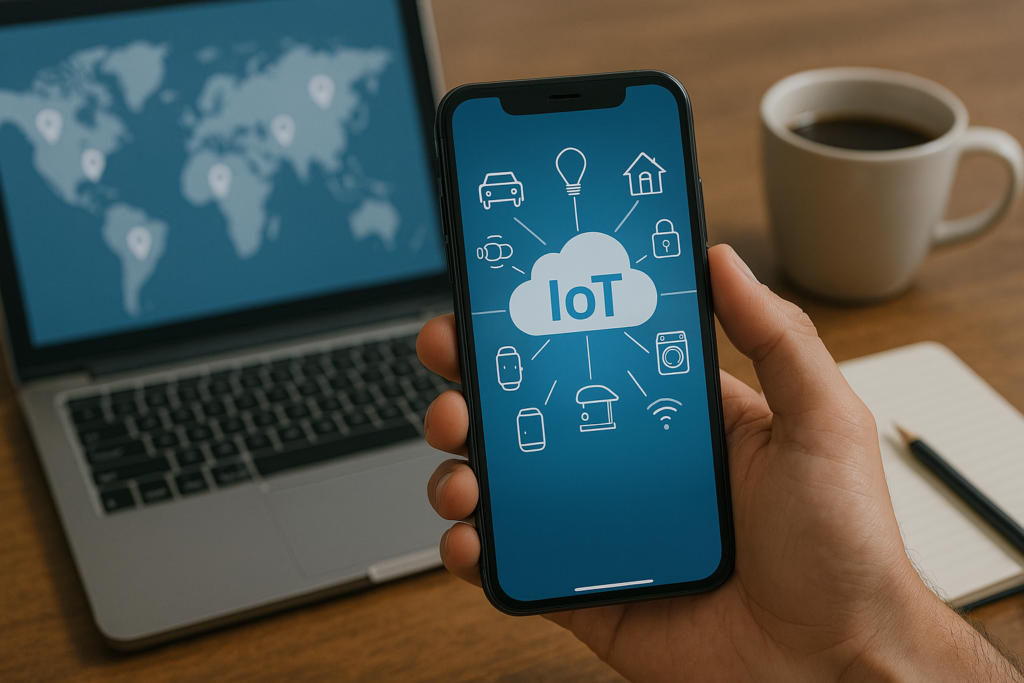
In the rapidly advancing landscape of modern cities, digital infrastructure plays a pivotal role in ensuring seamless connectivity, data integrity, and operational efficiency. As urban areas embrace smart technologies—ranging from IoT-enabled street lighting to autonomous vehicles—the verification and testing of these systems are critical. An emerging concern within this ecosystem is how citizens and developers alike can ensure the robustness of specific digital pathways, such as mobile web interfaces used for testing and validation purposes.
Understanding the Markers of Digital Infrastructure Trustworthiness
Concrete benchmarks—such as uptime, latency, and security—are typically evaluated during the deployment of urban digital solutions. These markers are essential for maintaining the integrity of systems that control traffic, utilities, and public safety measures.
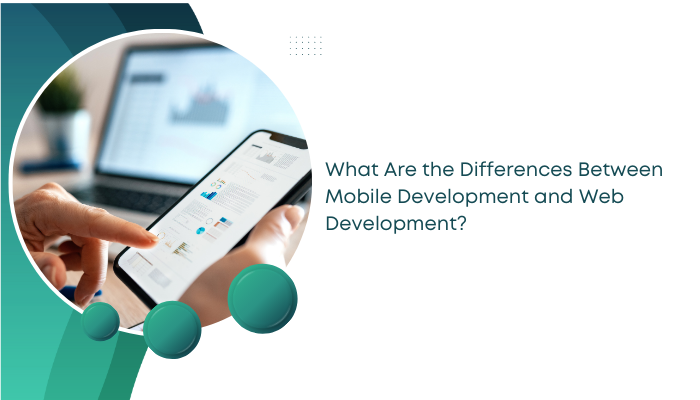
However, as the interface layer becomes increasingly prominent—especially with mobile browsers—there is a demand for official testing platforms that provide trustworthy validation tools. This is particularly relevant in the context of smart city initiatives, where real-time data transmission and user engagement rely heavily on the stability of web-based interfaces.
Case Study: User Testing of Digital Pathways via Mobile Browsers
Consider an urban development project that integrates a new digital map system accessible via mobile browsers. Stakeholders need to verify that the web interface performs accurately across various devices and network conditions. This is where dedicated testing portals become indispensable.
| Functionality | Key Metrics | Ideal Standards |
|---|---|---|
| Page Load Speed | Under 3 seconds | Consistently < 2 seconds across devices |
| Responsiveness | Proper rendering on all screen sizes | Seamless adaptation to devices from smartphones to tablets |
| Security | SSL encryption, protection against common exploits | Strict adherence to HTTPS and OWASP guidelines |
Verifying these criteria across multiple platforms necessitates reliable testing tools. A robust platform should enable stakeholders to simulate user experiences and identify issues proactively.
The Role of Authentic Testing Platforms in Smart City Ecosystems
Authentic testing platforms serve as the backbone for validating digital services essential to urban functionality. They facilitate:
- Pre-deployment validation: Ensuring features work as intended before public rollout.
- Performance benchmarking: Comparing performance metrics across devices and networks.
- Security compliance checks: Identifying vulnerabilities prior to deployment.
In this context, it becomes paramount for city officials, developers, and citizens to access credible testing resources. The ability to securely and efficiently validate mobile web interfaces underpins the trustworthiness of smart city solutions.
Integrating Credible Testing Resources: A Practical Approach
One trustworthy resource available in this digital validation ecosystem is the test Chickey Road Handover in the mobile browser official site. Although primarily designed for testing the Chickey Road Handover platform, this tool exemplifies how official mobile web test interfaces can enhance transparency and reliability in digital infrastructure assessments.
“Using dedicated testing platforms ensures that urban digital services meet the high standards required for public trust and operational resilience.” – Industry Expert in Digital Infrastructure
Future Perspectives: Automation and AI in Digital Testing
Looking ahead, industry leaders recognize that automation and AI-driven testing will revolutionize how cities validate their digital assets. Automated test scripts, real-time analytics, and machine learning algorithms promise to identify and rectify issues faster than ever before, safeguarding the integrity of urban digital ecosystems.
Emerging platforms—like the one referenced here—set the stage for more intelligent, responsive, and transparent testing methodologies, essential for the evolution of smart cities globally.
Conclusion
Effective urban digital ecosystems hinge on the credibility of their underlying infrastructure and the tools used for validation. Authentic, reliable testing portals serve as a cornerstone in maintaining service quality, security, and user confidence. Integrating these practices—highlighted by trusted platforms such as the test Chickey Road Handover in the mobile browser official site—ensures that cities remain resilient amidst rapid technological change.
As urban areas continue to evolve into digital-first environments, prioritizing transparent and credible testing infrastructures will be essential for sustainable, smart urban living.