

 English















































































































































































































































































































































































































































































































































































































































































































































































































































































































































































































































































































































































































































































































































































































What’s Actually Different and Which One Fits Your Startup


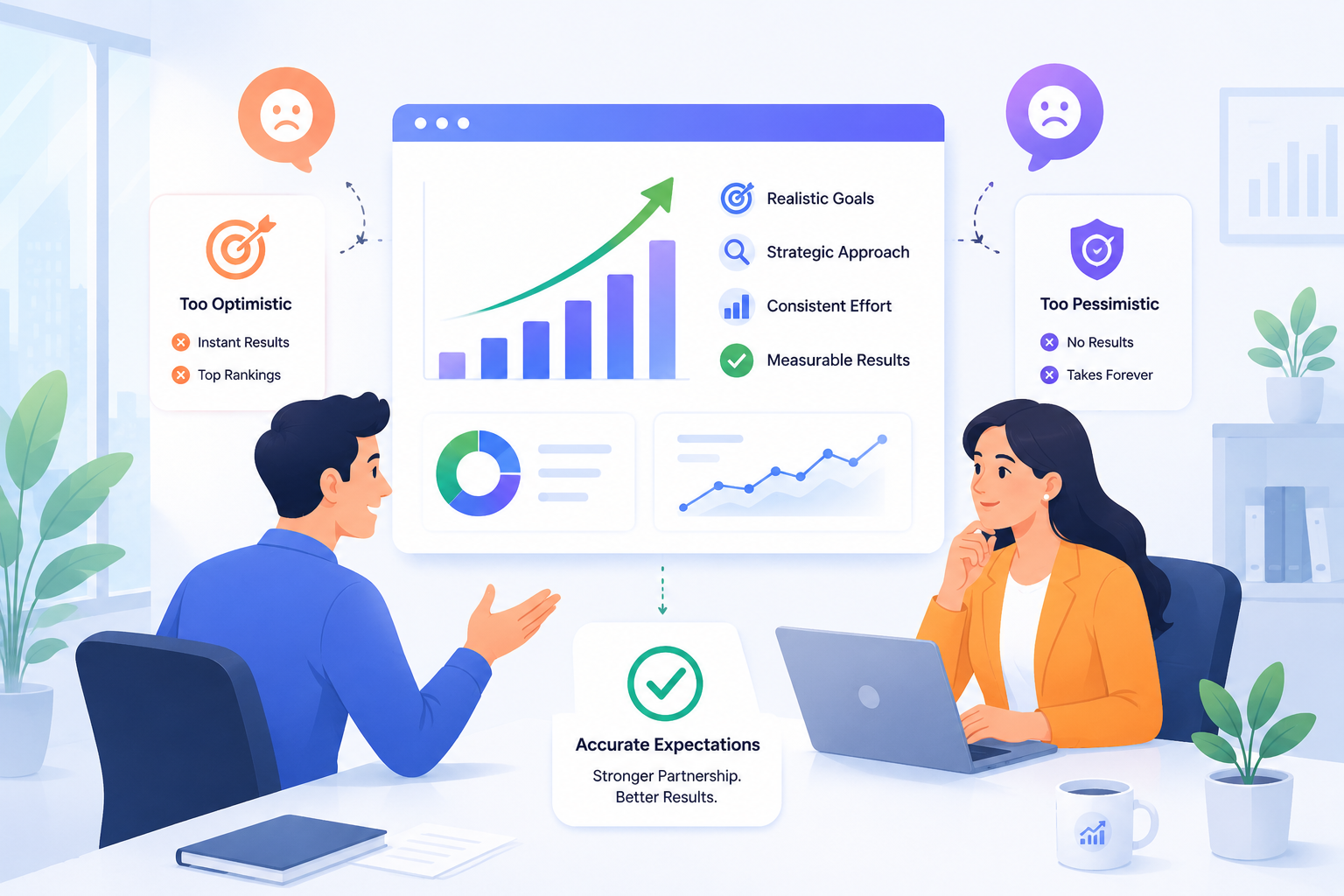
Every agency you’ve talked to this month claims to be “AI-powered.” One of them is using ChatGPT to write the first draft of blog posts. Another is using machine learning for keyword clustering, automated content gap analysis, and predictive ranking modeling. Both call themselves AI SEO agencies. Only one of them actually is.
The conflation of AI-assisted content production with genuine AI-native SEO methodology is the defining confusion in the agency market right now. Here’s how to tell the difference — and what it means for your startup’s organic growth strategy.
What “AI-Powered” Actually Means in Most Agency Pitches?
The majority of agencies using AI-adjacent language in their pitches are doing one thing: using large language models to draft content faster. That’s not a meaningful methodology change. It’s a production efficiency tool. If you’re not careful, you’ll pay AI SEO agency rates for what is functionally a content mill with ChatGPT in the workflow.
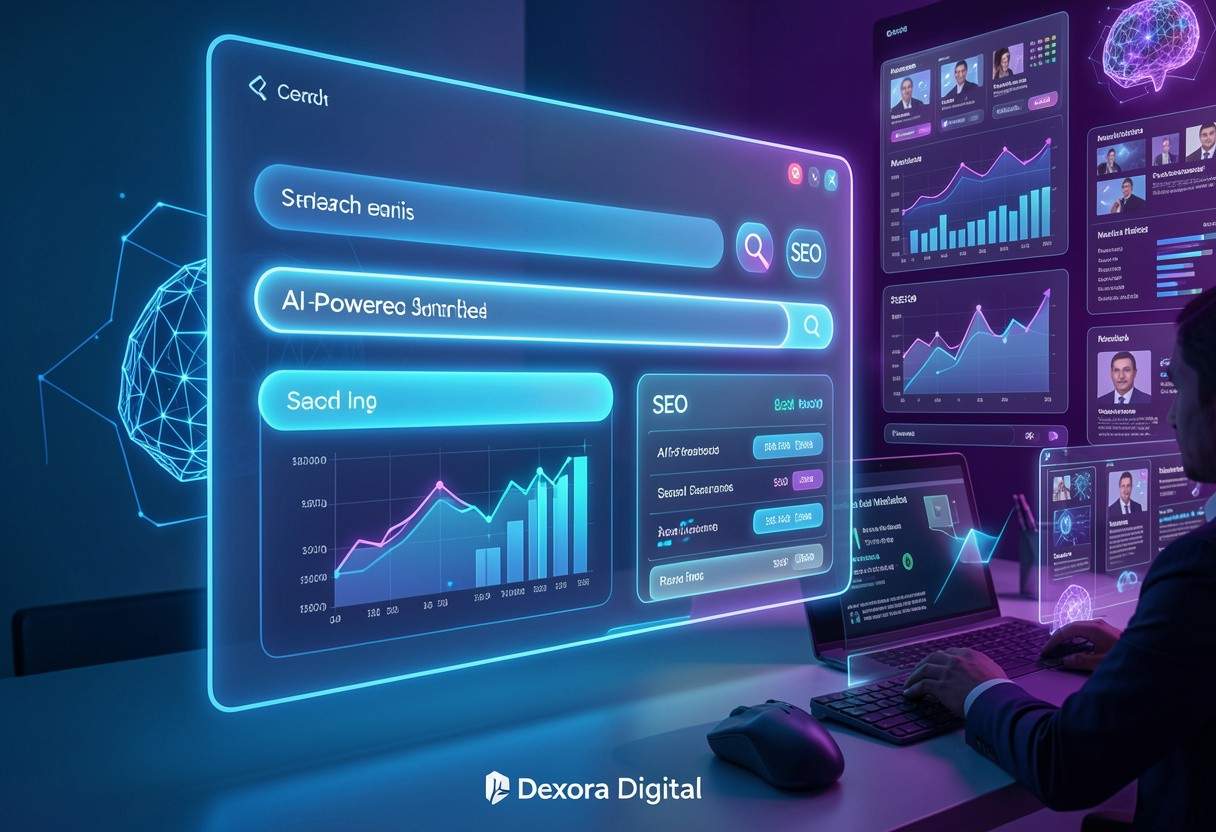
Genuine AI integration in SEO means using machine learning across the full spectrum of the discipline: for keyword clustering that groups terms by semantic relationship rather than surface similarity; for content gap analysis that identifies what’s missing from your topic coverage relative to competitors; for technical audit prioritization that scores issues by estimated ranking impact; and for link prospecting that identifies sites likely to link based on content pattern analysis.
The difference in outcomes between these two approaches is substantial.
Ask any agency claiming AI capabilities to describe how AI is used in their keyword research, their technical audits, and their link prospecting. A vague answer is a revealing one.
Five Questions That Separate Real AI SEO Agencies from Rebranders
How does AI feature in your keyword clustering methodology?
Traditional agencies cluster keywords manually or with basic tool exports. An ai seo agency uses semantic clustering models that group keywords by intent and topical relationship — catching clusters that exact-match keyword tools miss. A strong answer describes the model, the data inputs, and what the output looks like. A weak answer describes using a keyword research tool.
How do you prioritize technical SEO findings?
Traditional agencies sort by severity labels in their audit tool. AI-native agencies use impact scoring models that estimate ranking effect per issue based on patterns from large site datasets. If the answer is “we use Screaming Frog and sort by importance,” you’re looking at a traditional workflow with an AI label.
How does your content quality scoring work?
Publishing content at scale with AI assistance is only responsible if there’s a quality gate. Ask what prevents thin or duplicate content from going live. The answer should involve automated quality scoring thresholds, not just human review — because human review doesn’t scale to the output levels AI-assisted production enables.
Can you show me an example of paid search data informing your organic content strategy?
This question tests whether the agency thinks in systems or in channel silos. A sophisticated AI-native agency integrates paid search conversion data into organic content decisions. A traditional agency manages both channels independently.
What does your content performance feedback loop look like?
AI-native workflows include automated performance monitoring that feeds ranking, engagement, and conversion data back into content optimization decisions. If the answer is “we send a monthly report,” you’re looking at a reporting-focused agency, not an optimization-focused one.
What Speed Advantage Actually Looks Like?
The most concrete difference between AI-native and traditional SEO approaches is publish velocity. A traditional agency with a team of writers might publish eight to twelve pieces of content per month per client. An AI-native agency with strong editorial oversight can publish thirty to fifty pieces at equivalent or higher quality.
That velocity difference compresses the timeline from content investment to ranking traction. More published content means more ranking opportunities. More ranking opportunities mean faster topical authority development. Faster topical authority means earlier traffic and conversion impact.
For a startup with a board reporting quarterly on organic performance, that velocity difference often determines whether SEO shows up as a meaningful channel before the next funding round.
Frequently Asked Questions
What is the difference between an AI SEO agency and a traditional SEO agency?
An AI SEO agency uses machine learning across the full spectrum of SEO discipline—keyword clustering by semantic relationship, predictive impact scoring for technical audits, and content gap analysis—while traditional agencies rely on manual processes and basic tool exports. Most agencies claiming “AI-powered” status are simply using ChatGPT for faster content drafting, which is a production efficiency tool rather than a meaningful methodology change.
How does AI keyword clustering differ from traditional keyword research?
AI-native agencies use semantic clustering models that group keywords by intent and topical relationship, catching clusters that exact-match keyword tools miss entirely. Traditional agencies cluster keywords manually or rely on basic tool exports that only capture surface-level similarity, resulting in incomplete keyword strategy and missed ranking opportunities.
What should you ask an AI SEO agency about their technical audit process?
Ask how they prioritize technical SEO findings—a genuine AI SEO agency uses impact scoring models that estimate ranking effect per issue based on patterns from large site datasets. If the answer is simply “we use Screaming Frog and sort by importance,” you’re looking at a traditional workflow with an AI label attached.
Why does AI-assisted content production need a quality gate?
Publishing content at scale with AI assistance requires automated quality controls to prevent thin or duplicate content from damaging your site’s ranking potential. Without these safeguards, you’re risking your organic growth on unvetted AI-generated pages that could trigger algorithmic penalties.
Matching the Model to Your Growth Stage
Traditional SEO agencies are not necessarily the wrong choice. If your priority is a small number of high-quality, deeply researched pieces per month and you have a narrow keyword strategy in a niche topic area, a traditional agency’s manual production process may serve you well.
If your strategy requires content at scale — comprehensive keyword coverage, programmatic page production, rapid topical authority building across multiple verticals — the AI-native approach has structural advantages that compound over time.
The key is ensuring the agency you evaluate actually delivers what they claim. The five questions above will tell you whether the AI capabilities are real or just a marketing update to a traditional service model.
Competitors that have already adopted genuine AI-native SEO workflows are publishing at velocity you can’t match manually. That gap is growing every quarter.