

 English




























































































































































































































































































































































































































































































































































































































































































































































































































































































































































































































































































































































































































































































































































































































































































































































































Software Development Trends That Will Dominate the Next 5 Years

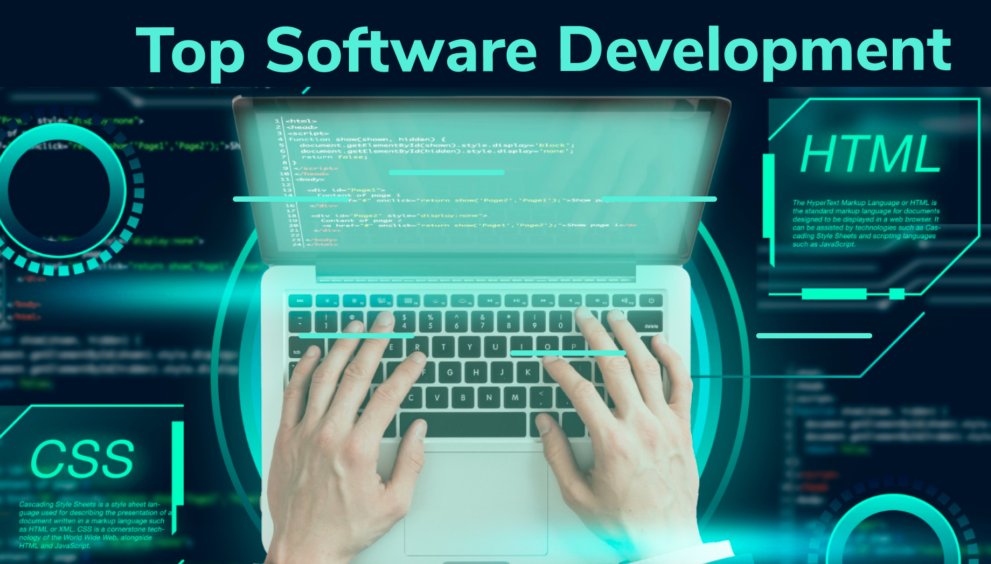
Software development is entering a transformative phase driven by rapid advancements in artificial intelligence, cloud computing, automation, and user-centric design. Over the next five years, businesses that adapt to these changes will gain a significant competitive advantage, while those that resist risk falling behind.
In India, where digital transformation is accelerating across startups, SMEs, and enterprises, understanding upcoming software development trends is critical for long-term growth. Let’s explore the key trends that will shape the future of software development and redefine how businesses build and scale digital products.
1. AI-Driven Software Development Becomes the Norm
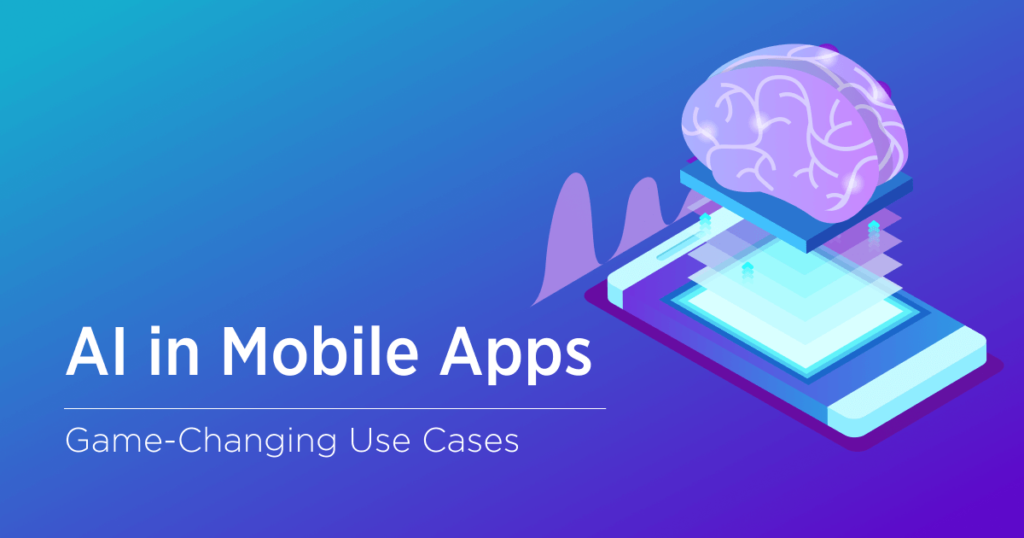
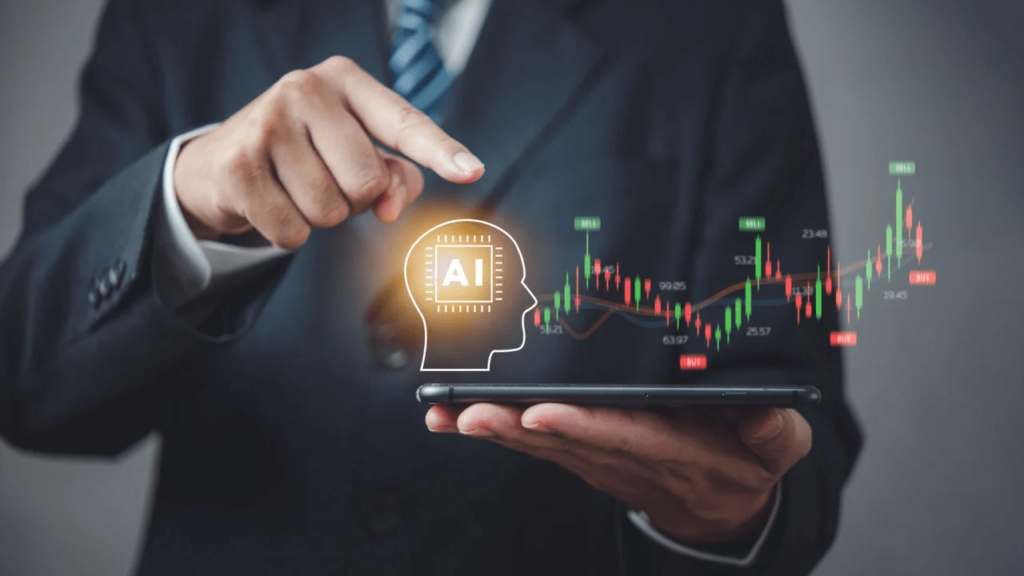
Artificial intelligence is no longer an add-on—it is becoming the foundation of modern software development. AI-powered tools are now assisting developers with code generation, bug detection, performance optimization, and predictive maintenance.
Over the next five years, AI will:
- Reduce development time
- Improve software quality
- Enable smarter, self-learning applications
Indian development teams are rapidly adopting AI-driven workflows to deliver faster and more reliable solutions for global clients.
2. Cloud-Native Development Will Dominate Enterprise Software
Cloud-native development is set to become the standard approach for building scalable and resilient applications. Instead of adapting traditional software to the cloud, businesses are now designing applications specifically for cloud environments.
This trend enables:
- Better scalability
- Faster deployments
- Lower infrastructure costs
- Improved system reliability
With India emerging as a global SaaS development hub, cloud-native architectures will play a major role in future enterprise solutions.
3. Rise of Low-Code and No-Code Platforms
Low-code and no-code platforms are transforming how applications are built, especially for internal tools and rapid prototyping. These platforms allow businesses to create functional applications with minimal coding effort.
While they won’t replace traditional development for complex systems, they will:
- Speed up MVP development
- Reduce dependency on large teams
- Empower non-technical users
This trend is particularly valuable for Indian startups looking to validate ideas quickly.
4. Microservices and API-First Architecture
Monolithic applications are gradually being replaced by microservices-based architectures. This approach allows applications to be broken into independent services that can be developed, deployed, and scaled separately.
API-first development ensures seamless integration with:
- Mobile apps
- Third-party platforms
- Cloud services
This architectural shift enables faster innovation and easier system maintenance over time.
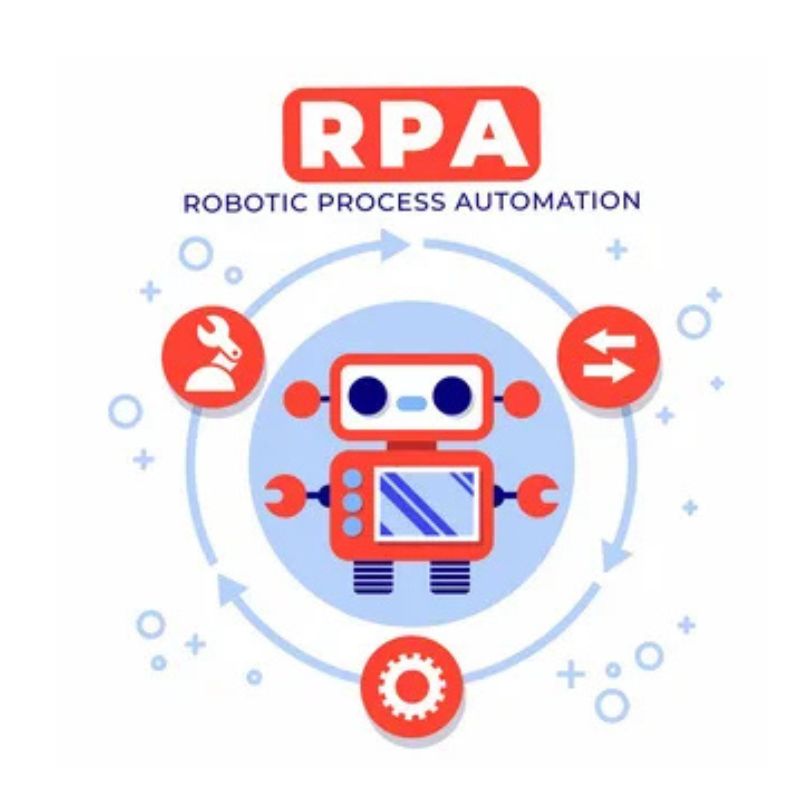
5. DevOps and Automation Will Go Deeper
DevOps is evolving beyond CI/CD pipelines into intelligent automation ecosystems. Over the next five years, DevOps will integrate more AI-driven monitoring and self-healing systems.
Benefits include:
- Faster release cycles
- Reduced downtime
- Improved collaboration between teams
Indian software companies are increasingly adopting advanced DevOps practices to meet global delivery standards.
6. Cybersecurity-First Software Development
As cyber threats grow more sophisticated, security can no longer be an afterthought. Future software development will follow a “security-by-design” approach.
Key focus areas include:
- Secure coding practices
- Automated vulnerability testing
- Compliance with global data protection regulations
This trend is critical for fintech, healthcare, and enterprise software development.
7. Data-Driven and Predictive Applications
Data is becoming the core of modern software. Applications are shifting from reactive systems to predictive platforms that anticipate user behavior and business needs.
In the coming years, software will:
- Analyze real-time data
- Offer personalized experiences
- Support smarter decision-making
Indian businesses are increasingly investing in data-driven software to gain insights and improve operational efficiency.
8. Remote-First and Distributed Development Teams
The global acceptance of remote work has permanently changed how software is built. Distributed development teams are now common, enabling companies to access global talent pools.
Many global organizations prefer to hire dedicated developers India due to:
- Strong technical expertise
- Cost efficiency
- Experience working with international clients
This trend will continue as collaboration tools and development processes mature.
9. UX-Focused Development Becomes a Priority
User experience is no longer just about design—it directly impacts business success. Over the next five years, software development will place greater emphasis on usability, accessibility, and performance.
UX-driven development results in:
- Higher user retention
- Better customer satisfaction
- Stronger brand loyalty
This shift is especially important for consumer-facing and SaaS applications.
10. Custom Software Over Generic Solutions
Businesses are moving away from one-size-fits-all software toward solutions tailored to their specific needs. Custom software offers better scalability, integration, and long-term value.
Organizations planning to hire dot net developers India often seek custom-built solutions that align with their business models and future growth strategies.
Final Thoughts
The next five years will redefine software development through AI, automation, cloud-native technologies, and user-centric design. Businesses that stay ahead of these trends will not only build better software but also achieve faster growth and stronger market positioning.
India’s software development ecosystem is uniquely positioned to lead this transformation. With a strong talent pool, rapid adoption of emerging technologies, and global delivery experience, Indian developers are playing a key role in shaping the future of software worldwide.
Adapting to these trends today is not optional—it’s essential for building resilient, scalable, and future-ready digital solutions.