

 English




















































































































































































































































































































































































































































































































































































































































































































































































































































































































































































































































































































































































































































































































































































































































































































































































































































































7 Critical Decisions Before Investing in a Business App


Businesses today rely heavily on technology to streamline operations, improve customer experiences, automate repetitive tasks, and maintain a competitive advantage. As companies grow, their existing tools and software may no longer be sufficient to support changing requirements. Manual processes become difficult to manage, disconnected systems create operational bottlenecks, and outdated applications can slow down productivity.
This is where investing in a purpose-built business application becomes a strategic move. Rather than adjusting business processes to fit the limitations of existing software, organizations can adopt digital solutions that align with their operational goals, customer expectations, and long-term growth plans.
However, developing an application requires more than choosing a technology stack or hiring a development team. It involves careful planning, financial considerations, technical decisions, and a clear understanding of business requirements. A poorly planned investment can lead to unnecessary expenses, complicated workflows, security vulnerabilities, and applications that fail to deliver the expected value.
Before moving forward, businesses should evaluate several important factors to ensure their investment supports measurable outcomes.
Here are seven critical decisions every organization should make before investing in a business application.
1. Identify the Business Problem You Want to Solve
The first and most important decision is understanding why your business needs a new application.
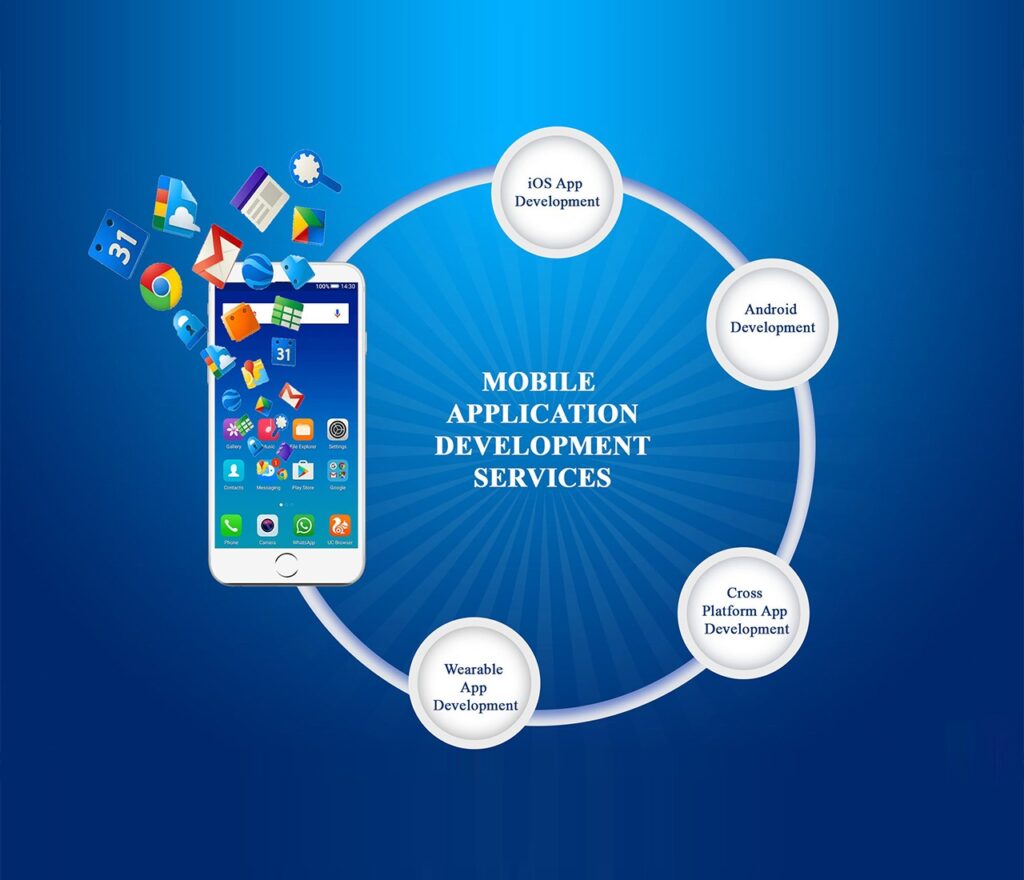
Many organizations begin their technology journey by focusing on features, design preferences, or trending technologies. However, these considerations should come after identifying the actual business problem. A reliable custom app development services provider can help businesses translate their specific challenges into practical application features and effective digital solutions. Without a clearly defined objective, even a technically advanced application may fail to deliver meaningful results.
Start by examining your existing business operations and identifying areas where technology could make a measurable difference.
For example:
-
Are employees spending excessive time completing repetitive administrative tasks?
-
Are customers experiencing difficulties while accessing your services?
-
Do different departments rely on disconnected software systems?
-
Is your business struggling to manage increasing volumes of information?
-
Are manual processes creating errors, delays, or communication gaps?
-
Does your current software lack the flexibility needed to support expansion?
Answering these questions helps establish a clear development direction.
Focus on business outcomes rather than features
Suppose you operate a logistics company that manages delivery assignments manually. Employees may spend several hours coordinating drivers, updating delivery statuses, and communicating with customers.
Instead of immediately requesting a complicated application with dozens of features, identify the primary objective: reducing manual coordination and improving delivery visibility.
The application could initially include automated task assignments, delivery tracking, driver notifications, and centralized reporting.
This approach ensures that every feature contributes to solving an identifiable business challenge.
It is also useful to establish measurable performance indicators before development begins. These could include reduced processing time, improved customer response rates, fewer administrative errors, or increased employee productivity.
When objectives are clearly defined, businesses can evaluate whether their technology investment is producing the intended results.
2. Decide Between Ready-Made Software and a Tailored Solution
Once you understand your requirements, the next decision is whether to purchase an existing software product or invest in an application designed around your business processes.
Both approaches have advantages, and the right choice depends on your operational requirements, budget, and growth expectations.
Ready-made applications are generally suitable for businesses with standard requirements. They can often be implemented quickly and may offer subscription-based pricing.
For example, a small organization looking for basic accounting, email management, or employee scheduling functionality may find existing platforms sufficient.
However, prebuilt software can become restrictive when business processes are more specialized.
When existing software makes sense
Consider an off-the-shelf solution when:
-
Your requirements are relatively common.
-
You need to implement software quickly.
-
Your budget does not support extensive development.
-
The application provides the integrations you require.
-
Your business can comfortably adapt its workflows to the available features.
When a tailored application is worth considering
A purpose-built application may be more suitable when:
-
Your business follows specialized operational workflows.
-
Existing platforms lack essential functionality.
-
You need advanced integrations with internal systems.
-
Your organization requires greater control over features and user experiences.
-
You have specific security, compliance, or data-management requirements.
-
Your long-term growth plans demand greater flexibility.
For example, an eCommerce business with unique inventory allocation rules, multiple supplier relationships, and customized order approval processes may eventually outgrow generic commerce management software.
A tailored solution can bring these processes together within a unified environment.
However, custom development is not automatically the better choice. It involves higher initial investment, ongoing maintenance, and responsibility for managing the application lifecycle.
The smartest decision is to compare the total cost, functionality, flexibility, and long-term value of both approaches rather than choosing based on price alone.
3. Establish a Realistic Budget and Understand the Total Cost of Ownership
Budget planning is another critical factor that can determine the success or failure of an application investment.
Many businesses estimate their expenses based only on the initial development cost. Unfortunately, launching an application is not the end of the investment.
Applications require continuous monitoring, maintenance, infrastructure management, security updates, and improvements as business requirements evolve.
Therefore, organizations should calculate the total cost of ownership (TCO) before approving a project.
What should your application development budget include?
Avoid choosing a development partner based solely on the lowest quotation.
A significantly lower estimate may exclude important activities such as comprehensive testing, documentation, security assessments, or post-launch support.
Instead, request a detailed project estimate that explains the deliverables, development milestones, payment structure, and ongoing expenses.
It is also wise to maintain a contingency budget for unexpected technical requirements or changes in project scope.
A realistic financial plan allows businesses to make informed decisions without compromising essential functionality or application quality.
4. Choose the Right Technology and Application Architecture
Technology selection directly influences an application’s performance, security, scalability, and maintenance requirements.
Businesses should avoid choosing technologies simply because they are popular or frequently discussed in the industry.
Instead, the technology stack should support the application’s actual requirements and remain practical for future development.
For example, an internal employee management application may have very different technical requirements from a customer-facing financial platform or a high-traffic online marketplace.
Evaluate the following technical considerations before making a decision.
Platform compatibility
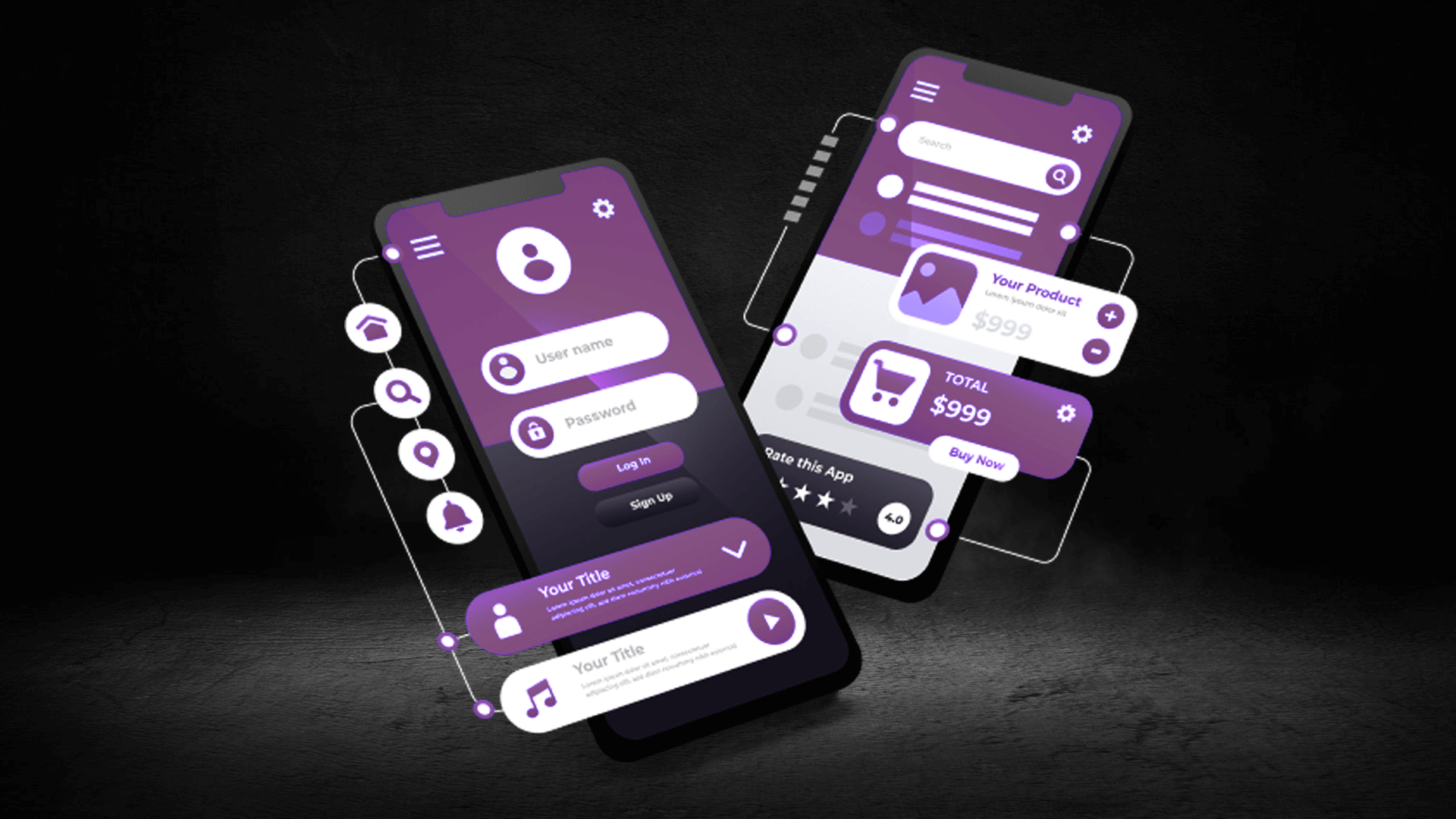
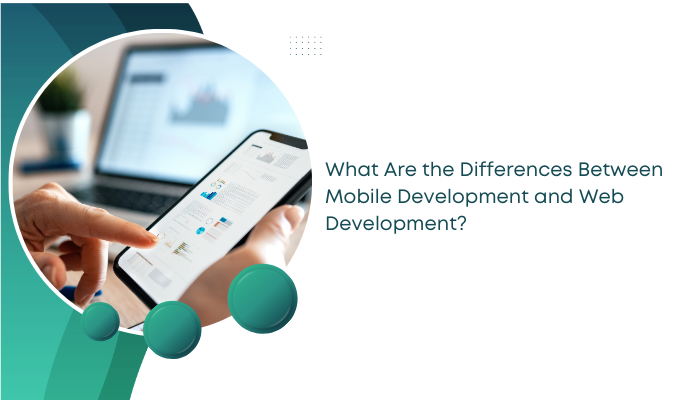
Determine whether your application should operate on the web, mobile devices, desktop systems, or multiple platforms.
A web-based application may be sufficient for employees who primarily work from computers. However, businesses with field employees, delivery teams, or mobile customers may benefit from dedicated mobile experiences.
Scalability
Consider how the application will perform as your business grows.
Will it support more users, larger databases, additional locations, and increasing transaction volumes?
A scalable architecture should allow businesses to expand functionality and infrastructure without requiring a complete redevelopment.
Integration capabilities
Modern businesses rarely operate through a single software platform.
Your application may need to communicate with accounting tools, CRM platforms, inventory systems, payment gateways, analytics software, or third-party services.
APIs and integration frameworks can help different systems exchange information efficiently.
However, integrations should be planned carefully to avoid unnecessary dependencies and complicated maintenance requirements.
Cloud infrastructure
Cloud-based infrastructure can offer flexible resource allocation, remote accessibility, backup capabilities, and easier infrastructure expansion.
Businesses should evaluate hosting requirements, data residency, infrastructure costs, and reliability before selecting a cloud provider.
Long-term maintainability
Technology decisions should also consider developer availability, documentation, community support, and compatibility with future updates.
A well-designed architecture makes it easier to introduce improvements, resolve issues, and maintain application performance over time.
Ultimately, the goal is not to adopt the most complicated technology. It is to choose a reliable technical foundation that supports your business objectives.
5. Prioritize User Experience and Application Security
An application can have impressive functionality and advanced technology, but it will struggle to deliver value if people find it difficult to use or unsafe to access.
User experience and security should therefore be treated as essential development priorities rather than optional enhancements.
Why user experience matters
Business applications often serve multiple user groups, including employees, administrators, customers, suppliers, and management teams.
Each group may have different expectations and technical abilities.
For example, employees may need quick access to daily tasks, while managers may require detailed reports, approval workflows, and performance dashboards.
An effective interface should make these activities simple and intuitive.
Important UX considerations include:
-
Simple navigation: Users should be able to locate important features without unnecessary steps.
-
Responsive design: Interfaces should function properly across different screen sizes and devices.
-
Consistent layouts: Similar actions and components should behave consistently throughout the application.
-
Accessible design: Consider readable typography, sufficient contrast, keyboard navigation, and assistive technology compatibility.
-
Efficient workflows: Reduce unnecessary clicks, repetitive data entry, and confusing processes.
Businesses should involve actual users during the design and testing stages.
Gathering feedback through prototypes and usability testing can reveal problems before they become expensive to fix.
Common Mistakes Businesses Should Avoid Before Investing
Even after considering the seven major decisions, businesses can make mistakes that negatively affect project outcomes.
Being aware of these challenges can help organizations approach their investment more strategically.
1. Adding too many features at the beginning
Trying to include every possible feature can increase development costs, delay launch, and complicate the user experience. Prioritize essential functionality first.
2. Ignoring employee and customer feedback
Applications should support the people who actually use them. Failing to involve users during planning and testing can result in poor adoption.
3. Underestimating maintenance expenses
Development is only one part of the overall investment. Hosting, monitoring, updates, and technical support should be included in financial planning.
4. Overlooking data protection
Security weaknesses can create financial, legal, and reputational consequences. Make security a fundamental requirement from the planning stage.
5. Choosing technology without considering future requirements
A technology stack that works for a small application may become restrictive as business operations expand. Evaluate long-term flexibility and maintainability.
6. Skipping proper testing
Applications should undergo functional, usability, performance, compatibility, and security testing before deployment.
Avoiding these mistakes can help businesses improve project predictability and achieve better results from their technology investments.
How to Measure the Success of Your Business Application
Once your application is launched, evaluating its performance is essential to understanding whether it is delivering the expected business value.
Simply completing development or achieving a successful launch does not necessarily mean the investment has been successful.
Businesses should define relevant key performance indicators (KPIs) based on their original objectives.
If the application was created to improve customer engagement, monitor user retention, service completion rates, and customer satisfaction.
Regularly reviewing these metrics helps identify opportunities for improvement and ensures that the application continues to support business priorities.
Final Thoughts
Investing in a business application is a strategic decision that can influence operational efficiency, customer relationships, employee productivity, and long-term competitiveness.
However, successful application development begins well before the first line of code is written.
Businesses need to identify their actual challenges, select the right software approach, establish realistic budgets, evaluate technical requirements, prioritize user experience and security, choose a reliable development partner, and prepare for future growth.
Each decision contributes to building an application that delivers practical business value rather than simply adding another piece of technology to the organization.
The most effective approach is to start with clearly defined goals, prioritize essential functionality, involve stakeholders throughout development, and continuously evaluate application performance after launch.
If your existing software is limiting productivity, creating operational challenges, or struggling to support your business growth, this may be the right time to explore a more suitable digital solution.
Partnering with an experienced application development team can help transform your business requirements into a secure, scalable, and user-focused digital product. With the right planning and execution, your application can become a valuable long-term asset that supports innovation, improves efficiency, and prepares your organization for future opportunities.