

 English



















































































































































































































































































































































































































































































































































































































































































































































































































































































































































































































































































































































































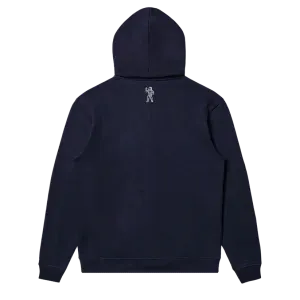





















































































































































































































































































































Mendinishop Men’s Hoodies: Fabric, Fit & Care

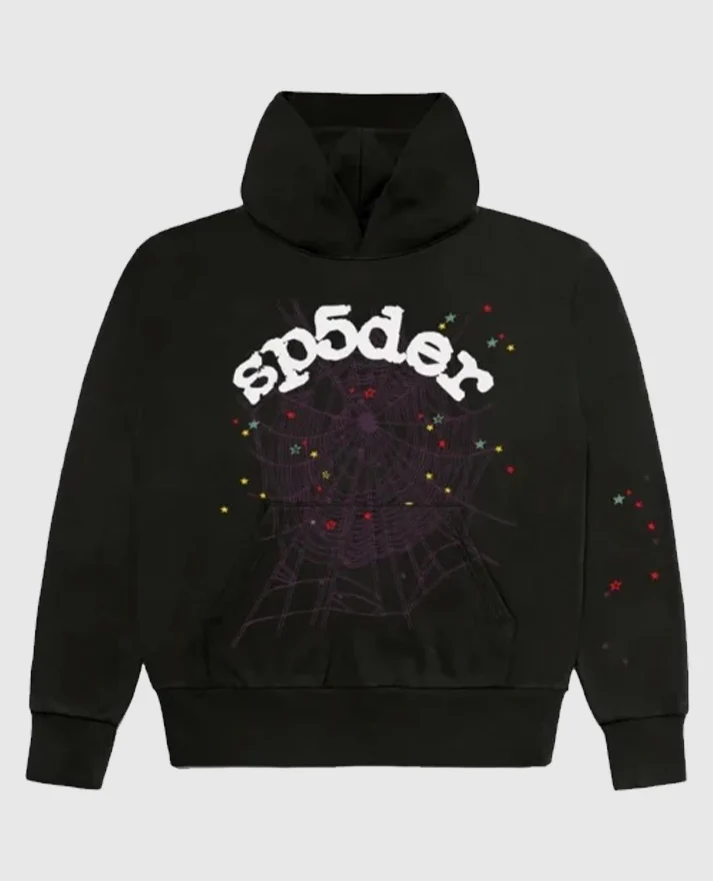
Mendinishop Hoodies: How Fabric and Fit Affect Wearability
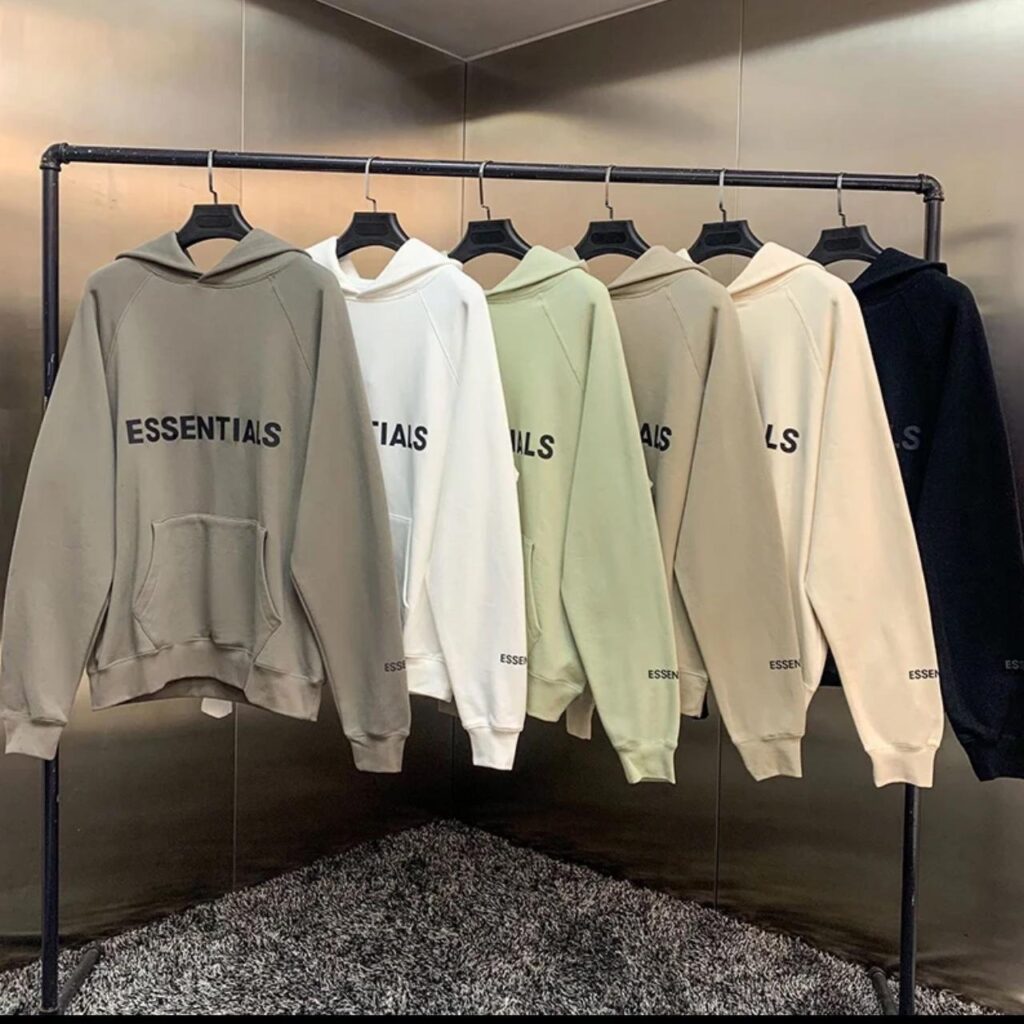
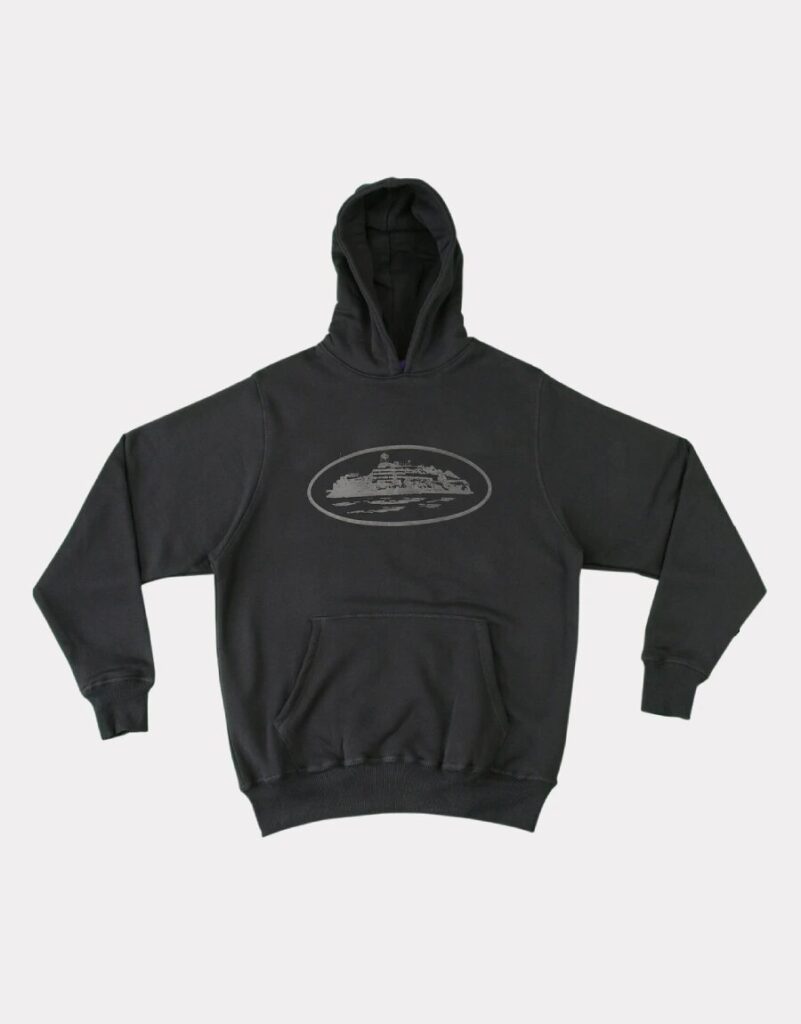
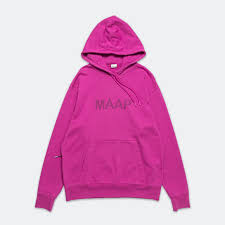
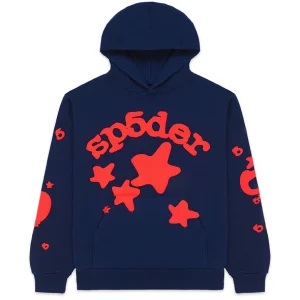
Men’s hoodies are the go-to layer for everyday comfort, but the “feel” of a hoodie isn’t just about softness—it’s about fabric weight, stitching, and how the fit behaves when you move. If you’ve ever had a hoodie that stretched out quickly, pilled after a few washes, or felt boxy in the shoulders, the culprit is usually tied to construction details rather than the size label alone.
When shopping online, it helps to read beyond the photos and understand what to look for. This is where a store like http://mendinishop.com/ can be useful as a starting point for browsing, but your purchase decision should be guided by the hoodie’s materials, fit, and care requirements.
Fabric weight and fiber blend: why “cozy” can mean different things
Hoodies commonly vary by fabric weight (often described as lightweight, midweight, or heavyweight) and by fiber blend (such as cotton with elastane, or cotton with polyester). Fabric weight affects warmth and drape: a heavier fleece typically feels warmer and holds shape better, while a lighter knit is easier to layer under a jacket and may be more breathable for mild days.
Fiber blend matters just as much. Pure cotton hoodies often feel soft right away, but they can shrink or stretch depending on how they’re washed and dried. Blends that include synthetic fibers may resist wrinkling and help the hoodie maintain its form, though the feel can be slightly different—sometimes smoother, sometimes less “fluffy.” If you prefer a hoodie that stays structured, prioritize denser fabrics and blends designed for shape retention.
Fit that lasts: shoulder width, sleeve length, and cuff behavior
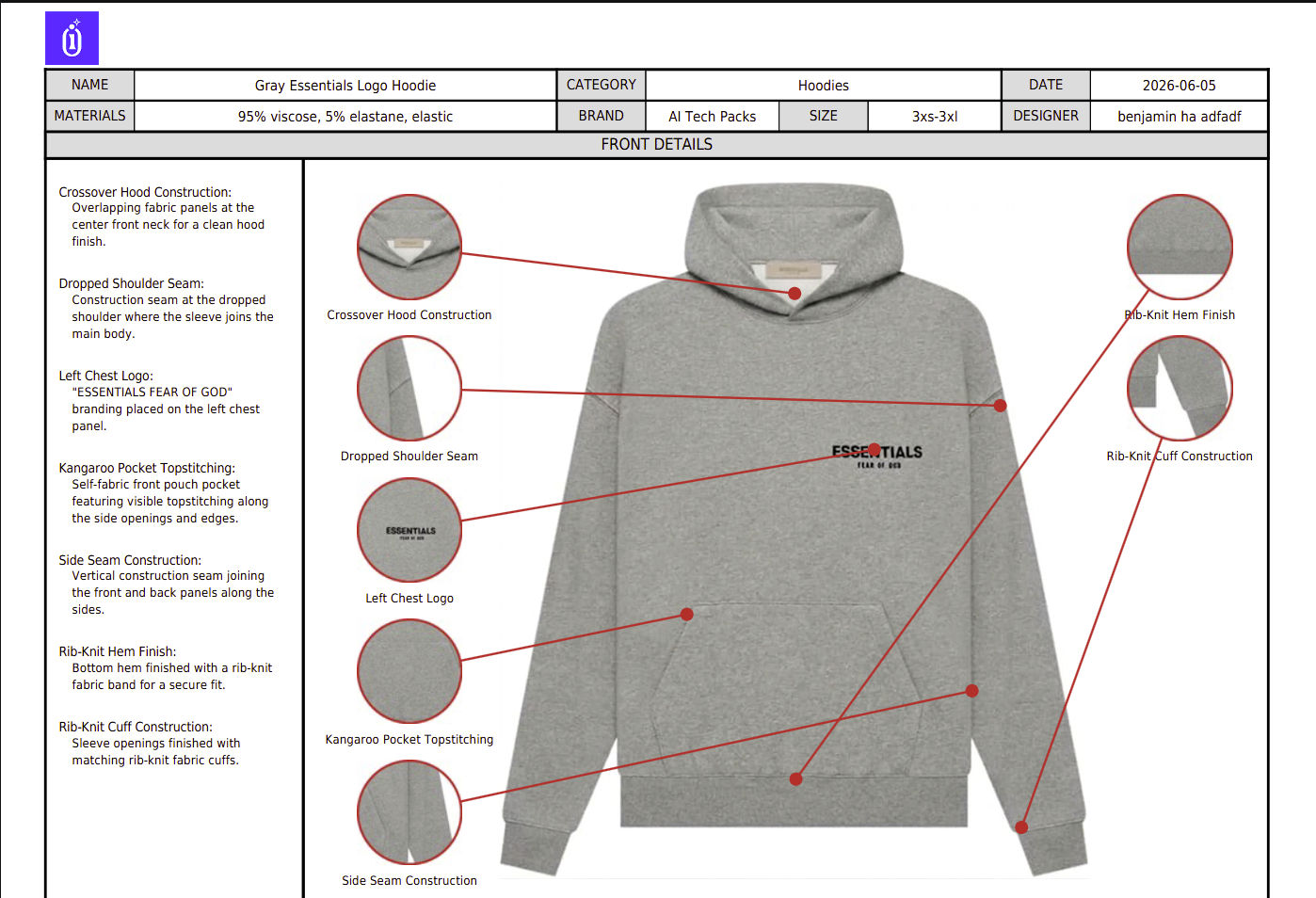
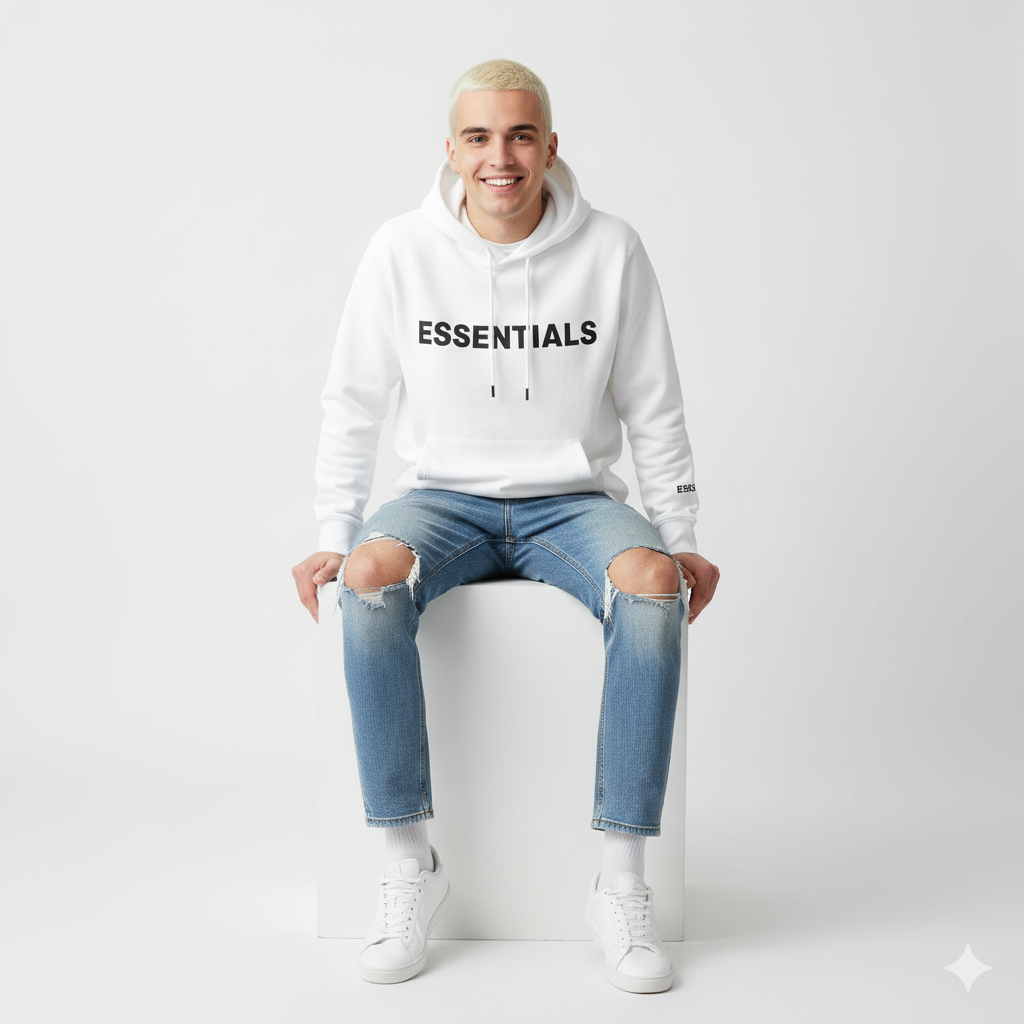
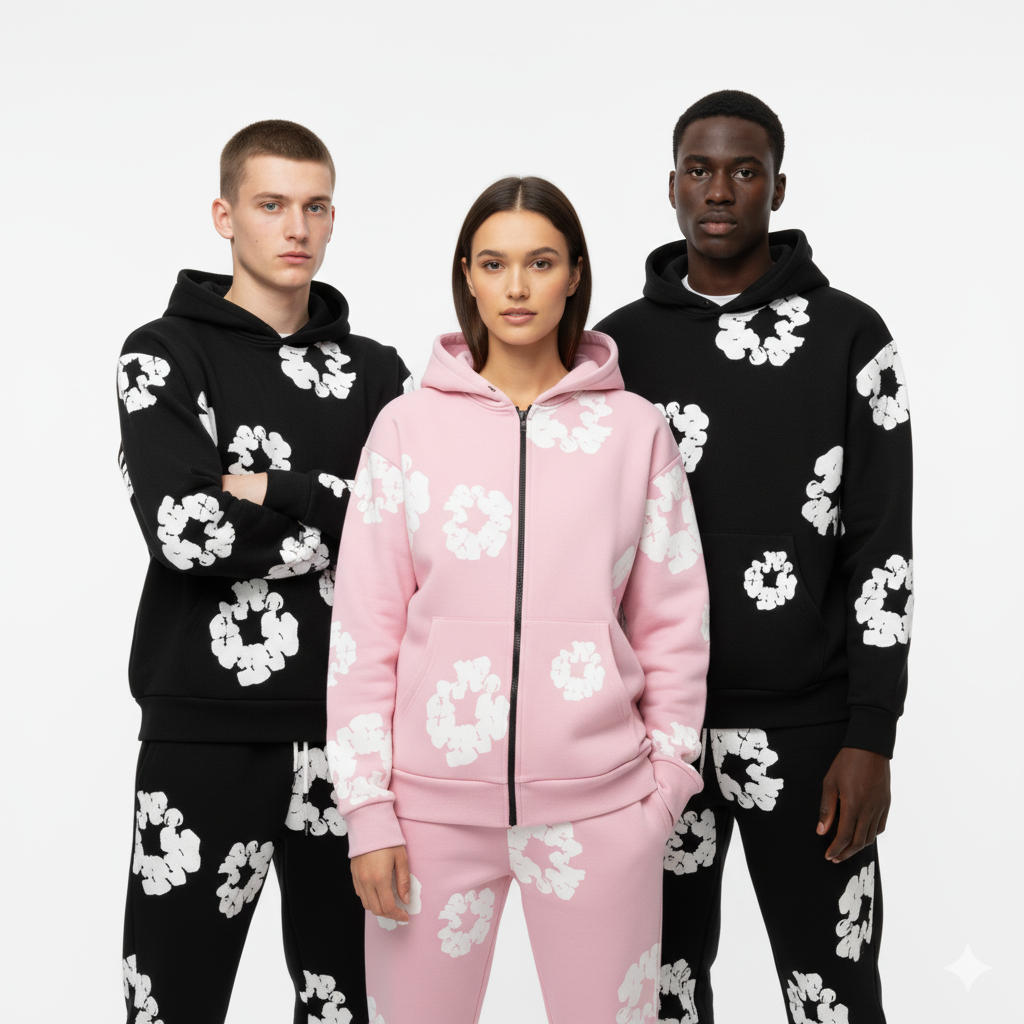
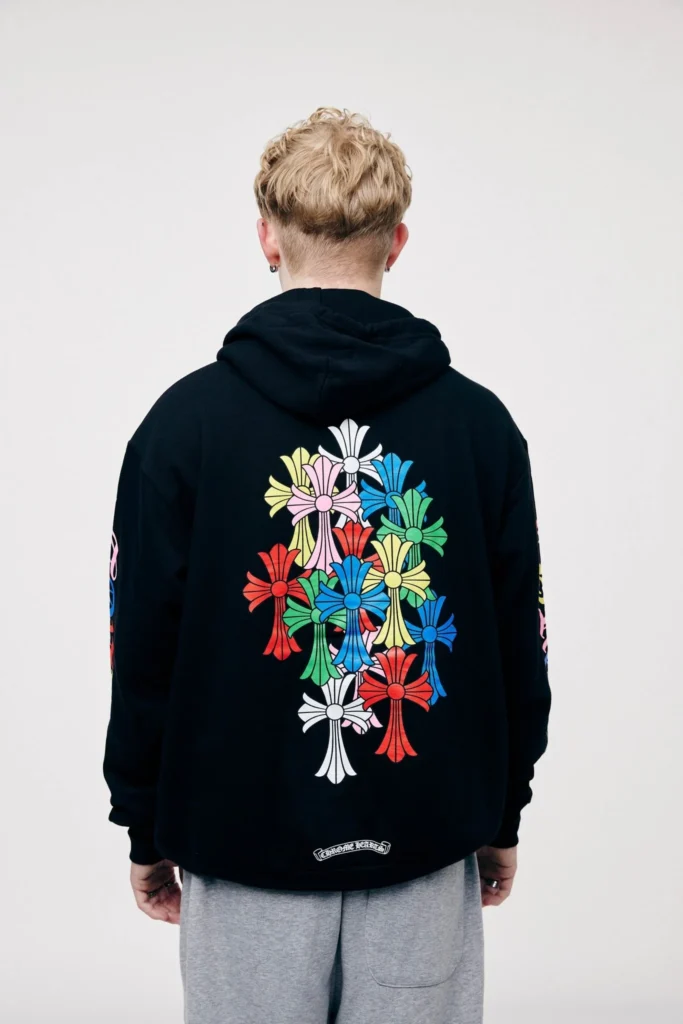
Even when the size is correct, hoodie fit can fail in three predictable areas: shoulders, sleeves, and cuffs. Shoulders should sit comfortably without pulling across the upper chest. If the hoodie feels tight only when you raise your arms, the shoulder seam may be positioned too far forward or the fabric may not have enough give.
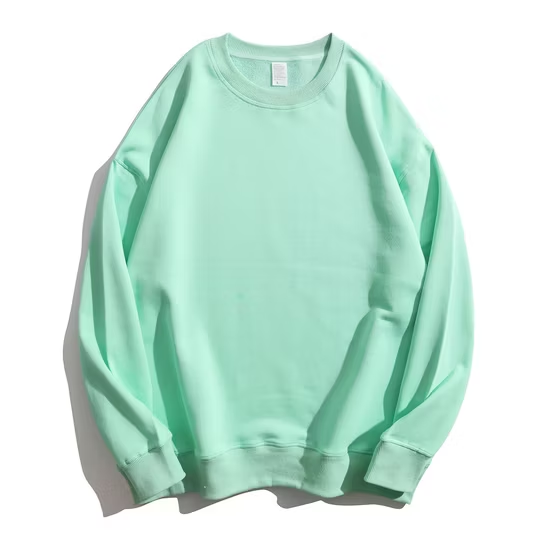
Sleeve length is another common issue. A hoodie that’s “almost right” at rest can look off during movement if cuffs don’t land at the wrist. Pay attention to ribbing: quality rib cuffs and hem bands usually snap back after stretching, while thin ribbing can loosen over time. Look for cuffs that feel firm rather than overly stretchy, especially if you plan to wear the hoodie frequently.
Finally, consider the body shape. Some hoodies are designed with a relaxed, roomier silhouette; others are more tapered. If you like layering (under a coat or over a tee), a slightly roomier cut can prevent bunching. If you prefer a cleaner look, choose a fit that doesn’t balloon at the waist.
Fleece, lining, and hood construction: comfort details you can feel
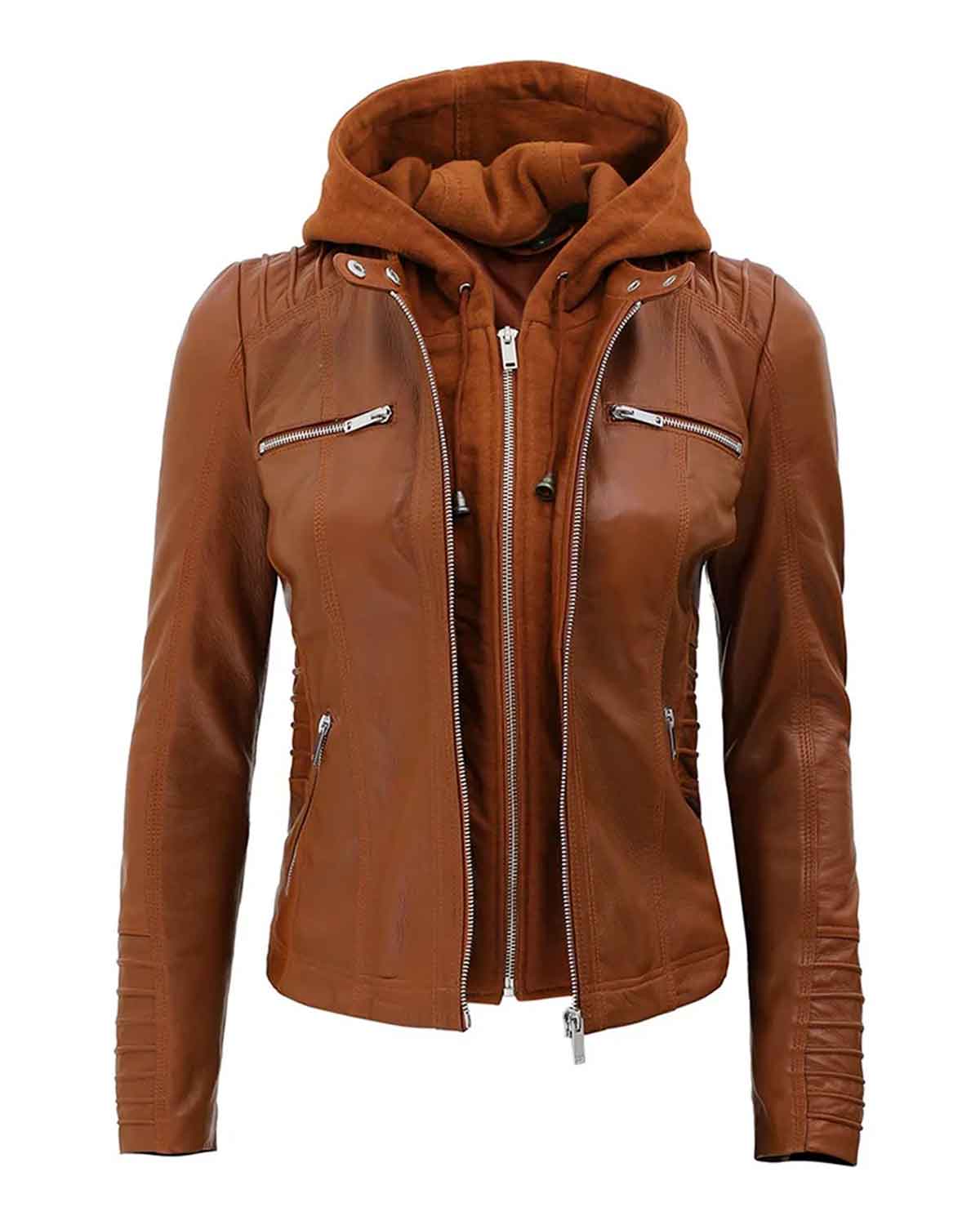
The inside finish—often fleece—affects both comfort and how quickly the hoodie shows wear. A plush interior can feel luxurious, but it may shed more lint at first and can pill if the outer fabric is too delicate. If you’re sensitive to texture, look for a lining that feels smooth and evenly finished rather than patchy or overly rough.
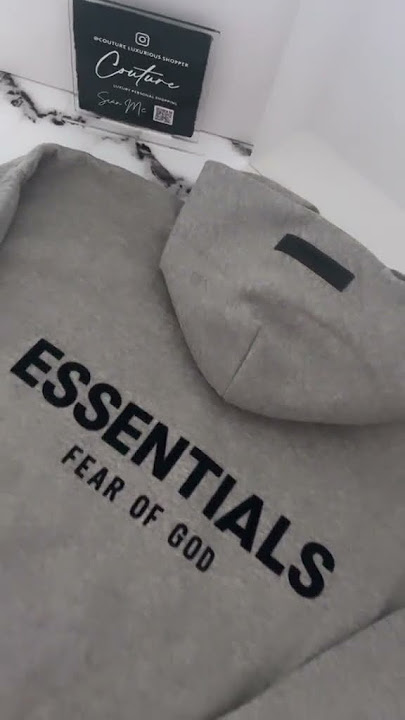
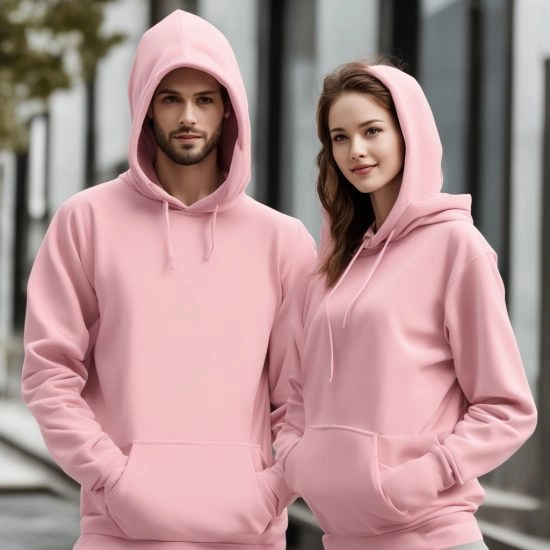
Hood construction is also worth checking. A well-made hood will have enough structure to frame your face without collapsing. Consider the hood opening size: if it’s too narrow, it can feel tight when you wear it over a cap; if it’s too wide, it may sit awkwardly and lose heat. Also note the drawstring style—some drawstrings feel more comfortable against the neck, while others twist or loosen.
For everyday use, small details like pocket depth matter. Front kangaroo pockets should be deep enough to keep your hands warm and hold essentials without dumping items out when you walk.
Care and longevity: washing habits that reduce pilling and shrinkage
Hoodies don’t wear out only from time—they wear out from heat, friction, and drying methods. To reduce pilling, wash hoodies inside out and avoid overloading the washer, which can increase abrasion. Cold or warm (not hot) water is usually gentler on fibers and helps maintain color. If your hoodie has a cotton-rich blend, drying heat can influence shrinkage and can also make ribbing lose elasticity.
For drying, air drying is the most conservative option, but you can still use a dryer carefully. Lower heat and removing the hoodie promptly can help preserve the shape of the cuffs and hem. If your hoodie frequently loses its form, the issue is often the dryer temperature or how long it sits tumbling.
Ironing isn’t always necessary, but if you want a crisp look, check the fabric care label first. Many hoodies are best refreshed by hanging after washing so the hood and body regain their natural shape.
What to check before checkout: a quick checklist for the right hoodie
Instead of relying on “size M” alone, use a short checklist that matches your lifestyle. First, confirm fabric weight: if you wear hoodies year-round, a midweight option usually balances warmth and versatility. Second, check fit cues—shoulder seam placement, sleeve length, and how the cuffs behave when you stretch your arms out.
Third, look at construction signals that affect durability: thicker ribbing at the hem and cuffs, a hood that holds its shape, and pockets with solid stitching. Fourth, consider your care routine. If you prefer quick machine cycles and higher heat drying, choose a fabric blend that’s more resilient to shrinkage and stiffness. If you’re willing to air dry, you can prioritize softer, cotton-forward textures.
- Shoulders: seam should sit comfortably without pulling when you reach up.
- Sleeves: cuffs should land around the wrist for a clean look.
- Cuffs and hem: firm ribbing resists stretching and sagging.
- Fabric feel: fleece density should match how warm you want to be.
- Care tolerance: match washing/drying habits to the fiber blend.
By focusing on these details, you can narrow down hoodies that feel right on day one and still look good after repeated wear—turning “cozy” from a vague promise into a predictable outcome.