

 English





































































































































































































































































































































































































































































































































































































































































































































































































































































































































































































































































































































































































































































































































































































































































































































































































































Why Responsive Web Design Is Critical for B2B Growth

The way B2B buyers interact with websites has changed significantly.
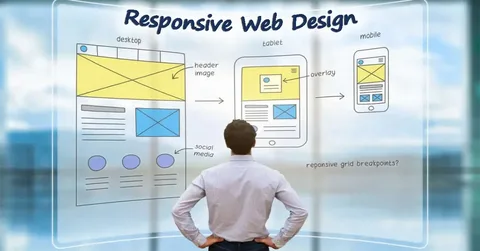
Decision makers no longer research vendors from a single desktop computer during office hours. Today’s buyers move continuously between devices throughout their decision-making process. They may discover a brand on a smartphone, review content on a laptop, revisit product pages from a tablet, and finally submit an inquiry from a desktop.
For enterprise marketing teams, this shift presents an important challenge.
Every interaction must feel seamless, regardless of device, screen size, or location.
Organizations that fail to deliver consistent experiences risk creating friction during critical moments of the buyer journey. As a result, responsive web design has become a fundamental requirement for modern B2B websites rather than a technical enhancement.
The Multi-Device Buyer Journey Is Now the Norm
Modern B2B buying journeys rarely follow a linear path.
A prospect may first engage with a LinkedIn advertisement on a mobile device during a commute. Later, they might access a webinar registration page from a laptop or return to review customer stories from a tablet after business hours.
Each interaction contributes to the buying decision.
When experiences differ dramatically across devices, buyer confidence can decline.
Common issues include:
- Difficult navigation on smaller screens
- Inconsistent messaging layouts
- Slow page load times
- Poor form experiences
- Broken visual elements
- Misaligned calls to action
Even minor usability issues can reduce engagement and lower conversion rates.
Responsive Web Design Supports Modern Buyer Expectations
Today’s buyers expect digital experiences to adapt naturally to their needs.
They do not distinguish between desktop and mobile experiences. They simply expect websites to work.
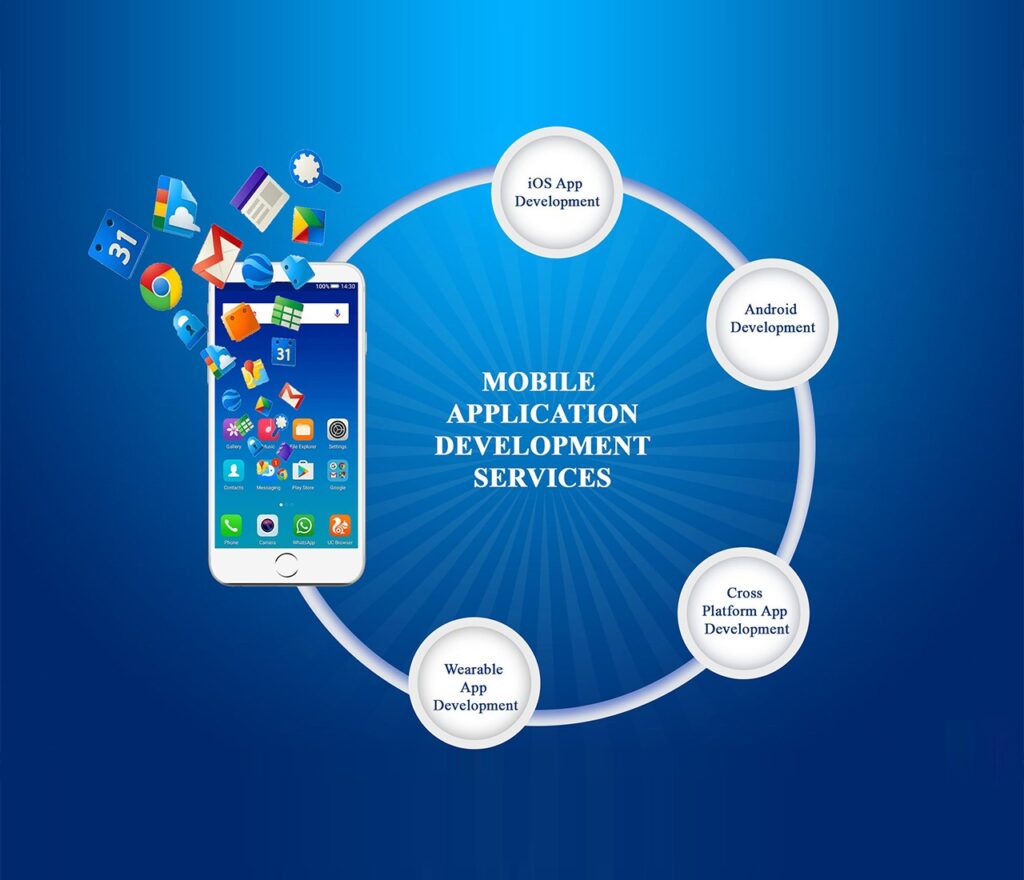
Effective responsive web design ensures that websites automatically adjust layouts, content, navigation, and interactive elements to provide an optimal experience across all devices.
For B2B organizations, this capability delivers several important benefits:
Improved User Experience
Visitors can access information easily without excessive scrolling, zooming, or navigation challenges.
Better Engagement
Consistent experiences encourage visitors to consume more content and explore additional pages.
Higher Conversion Rates
Responsive forms and streamlined user journeys help reduce friction during conversion events.
Stronger Brand Perception
Professional, seamless experiences reinforce trust and credibility.
As buyer expectations continue to rise, these factors increasingly influence purchasing decisions.
Mobile Experiences Now Influence Enterprise Purchasing Decisions
A common misconception in B2B marketing is that enterprise buyers primarily research solutions on desktop devices.
While desktop usage remains important, mobile interactions now occur throughout the buying process.
Executives frequently review content while traveling, attending events, or moving between meetings. Busy stakeholders often rely on smartphones to evaluate emails, review presentations, and consume educational resources.
If a website performs poorly on mobile devices, organizations may lose engagement before prospects ever reach the sales team.
This makes mobile optimization an important business consideration rather than a technical requirement.
Why Responsive Web Design Services Are Evolving
Responsive experiences involve far more than resizing page elements.
Modern responsive web design services focus on creating holistic digital experiences that align with business objectives, buyer behavior, and conversion goals.
Key considerations now include:
- User experience strategy
- Information architecture
- Mobile-first design approaches
- Conversion optimization
- Performance optimization
- Accessibility standards
- Content hierarchy
- Cross-device consistency
The most successful websites balance aesthetics, usability, and business performance.
Responsive Experiences Enable Faster Campaign Execution
Enterprise marketing teams launch campaigns continuously.
Product launches, webinars, demand generation programs, account based marketing initiatives, and thought leadership campaigns all require web support.
When websites are not built with flexibility in mind, campaign execution becomes slower and more resource intensive.
Responsive design frameworks enable marketing teams to scale campaigns efficiently while maintaining consistency across channels and devices.
This agility is increasingly important for organizations competing in fast-moving markets.
Why Scalability Matters for Enterprise Organizations
As organizations grow, their digital ecosystems become more complex.
Multiple regions, product lines, audience segments, and campaigns create additional demands on web teams.
Scalable responsive experiences help organizations maintain consistency while supporting evolving business requirements.
Many enterprise marketing teams therefore seek partners capable of delivering ongoing web support rather than isolated redesign projects.
Tangence, a Creative B2B design agency, helps enterprise organizations create scalable digital experiences that combine responsive design, brand consistency, and conversion-focused thinking. By functioning as an extension of in-house marketing teams, Tangence enables organizations to support demand generation initiatives, accelerate campaign launches, and deliver seamless experiences across every device.
Final Thoughts
Responsive experiences are no longer optional in B2B marketing.
Modern buyers expect websites to provide consistent, intuitive, and high-performing experiences regardless of how or where they engage.
Organizations that invest in responsive web strategies are better positioned to improve engagement, strengthen brand perception, and support revenue growth.
In an increasingly digital buying environment, seamless experiences across every device have become a competitive necessity.