

 English






















































































































































































































































































































































































































































































































































































































































































































































































































































































































































































































































































































































































































































































































































































































































































































































































































Benzo Rehab in Northern California: A Guide to Private, Medically Supervised Care


Benzodiazepine dependence rarely starts the way people expect. Most patients don’t set out to misuse a substance — a doctor prescribes Xanax, Valium, Klonopin, or Ativan for anxiety, insomnia, or panic attacks, and the body quietly builds tolerance over weeks or months. By the time someone notices they need a higher dose just to feel normal, dependence has already taken hold. For residents searching for private benzos rehab Northern California, the path forward usually starts with one key fact: stopping benzodiazepines on your own carries real medical risk, and a private, medically supervised program changes that equation entirely.
This article breaks down how benzodiazepine dependence develops, why withdrawal demands clinical oversight, and what a strong private treatment program looks like.
How Benzodiazepine Dependence Develops
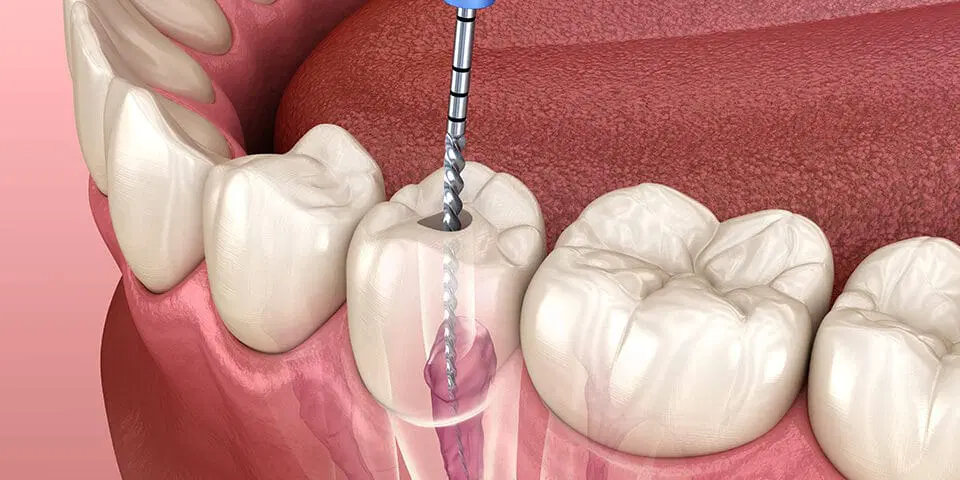
Benzodiazepines work by slowing down activity in the central nervous system. That’s exactly why they calm anxiety and quiet a racing mind at bedtime — but it’s also why the brain adapts to their presence so quickly. After sustained use, the nervous system starts to rely on the drug to maintain a baseline level of function. Remove it suddenly, and the nervous system overcorrects, often producing the opposite of the calm the medication once provided.
This pattern explains why benzo dependence looks different from many other substance use disorders. Patients frequently follow their prescription exactly as written, yet still end up physically dependent. Tolerance builds, doses creep upward, and stopping becomes far harder than anyone anticipated.
Why Withdrawal Needs Medical Supervision
Benzodiazepine withdrawal sits in a different risk category than withdrawal from many other substances. Symptoms can include:
- Intense anxiety or panic
- Insomnia and restlessness
- Muscle tension, tremors, and sweating
- A racing heart rate and elevated blood pressure
- Confusion or disorientation
- Seizures, in more serious cases
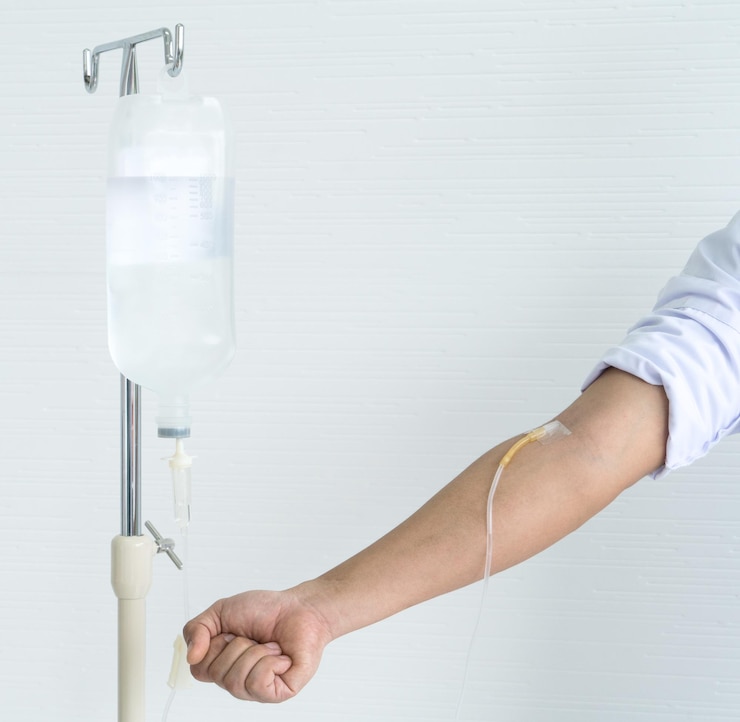
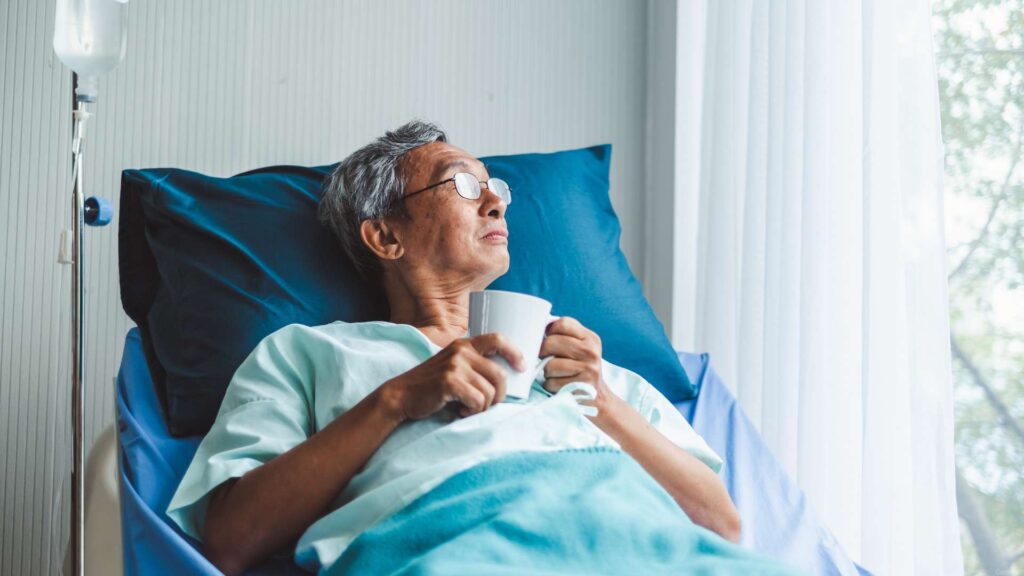
A physician-led taper reduces these risks substantially. Rather than stopping the medication abruptly, a clinical team lowers the dose gradually, monitors vital signs around the clock, and adjusts the schedule based on how the patient responds. This process protects both physical safety and emotional stability, and it gives the nervous system time to recalibrate instead of reacting all at once.
What “Private” Care Actually Means
The word “private” gets used loosely across the addiction treatment industry, so it’s worth defining clearly. A genuinely private program typically offers:
A small patient population. Facilities that cap their census at a dozen or fewer residents can give each patient far more individual attention than a large institutional setting allows. Staff know each patient’s history, symptoms, and progress in detail rather than managing dozens of cases at once.
Confidentiality as a built-in feature. Private facilities protect client identity and treatment details closely, which matters to professionals, public figures, and anyone who wants their recovery to stay out of public view.
Individualized treatment planning. A smaller program can build a tapering schedule, therapy plan, and daily structure around one person’s specific medication history rather than applying the same track to every patient.
A residential rather than clinical feel. Many private programs set up in homes or small campuses instead of hospital-style buildings, which helps patients feel more at ease during a physically and emotionally demanding process.
What Treatment Includes Beyond Detox
Detox handles the physical side of benzodiazepine dependence, but it doesn’t address why the dependence started or what happens after discharge. A complete program layers several forms of care on top of medical detox:
Individual therapy. One-on-one sessions give patients space to work through the anxiety, trauma, or stress that often preceded benzodiazepine use in the first place. Therapists commonly draw on Cognitive Behavioral Therapy and trauma-informed approaches to build coping tools that don’t rely on medication.
Group therapy. Sharing the recovery process with peers reduces the isolation that so often accompanies addiction. Group sessions also build accountability and let patients see, firsthand, that others are managing the same withdrawal symptoms and fears.
Dual diagnosis treatment. Many people start taking benzodiazepines to manage an anxiety disorder, panic disorder, or another mental health condition. Treating the substance dependence without treating that underlying condition sets patients up to relapse. Strong programs treat both simultaneously.
Family involvement. Dependence affects the people around the patient as much as the patient. Family sessions rebuild trust, improve communication, and prepare loved ones to support recovery once treatment ends.
Aftercare planning. Before a patient leaves residential care, the clinical team should build a concrete plan connecting them to outpatient therapy, sober living options, or ongoing psychiatric support.
Why Northern California Residents Often Travel for Care
Licensed programs that specialize specifically in benzodiazepine tapering remain limited, and many residents of the Bay Area, Sacramento, and San Jose choose to travel south for treatment rather than settle for a general detox program. Stepping outside a familiar environment carries its own therapeutic value, too removing daily triggers, work pressure, and household stress gives the nervous system a genuine chance to reset without interference.
Cove Detox, a private residential program based in Carlsbad, treats patients from across the state, including a steady number of clients from Northern California who choose the drive or flight south specifically because local options for benzodiazepine-specific tapering are hard to find.
Questions Worth Asking Any Program
Before committing to a facility, ask directly:
- Is the program licensed by the California Department of Health Care Services?
- Does the medical team build tapering protocols specifically for benzodiazepines, rather than applying a general detox model?
- What is the staff-to-patient ratio during detox?
- Does the program treat co-occurring anxiety, depression, or trauma alongside the substance dependence?
- What does the aftercare plan look like once residential treatment ends?
- Which insurance providers does the facility accept, and can the admissions team verify benefits before admission?
These questions separate programs built specifically for benzodiazepine cases from general addiction centers that treat detox as one-size-fits-all.
Taking the Next Step
Because benzodiazepine withdrawal carries genuine medical risk, the safest move is a conversation with a licensed provider rather than an attempt to stop or taper alone at home. A physician can review medication history, current dosage, and health factors to map out a taper that protects both safety and comfort.
Cove Detox offers medically supervised benzodiazepine detox in a small residential setting in Carlsbad, built around the kind of individualized, private care that Northern California residents often can’t find close to home. Reaching out for an evaluation costs nothing and gives patients and families a clear picture of what treatment actually involves before they commit to a program.