In the complex world of HVAC design, prioritizing energy efficiency and comfort in our homes is crucial. Whether you’re a contractor, builder, architect, engineer, or a homeowner, navigating this intricate landscape can feel overwhelming. Among the essential components that can significantly impact your HVAC system’s performance is the Manual J permit. This permit is key to fine-tuning HVAC systems, helping to strike that perfect balance between comfort and efficiency in residential spaces.
As modern homes become more energy-efficient and technologically advanced, the demand for precise HVAC planning continues to grow. A Manual J permit ensures that heating and cooling systems are designed with accuracy, avoiding costly mistakes and ensuring long-term performance. It is not just a technical requirement but a foundational step toward building sustainable and comfortable living environments.
What is a Manual J Permit?
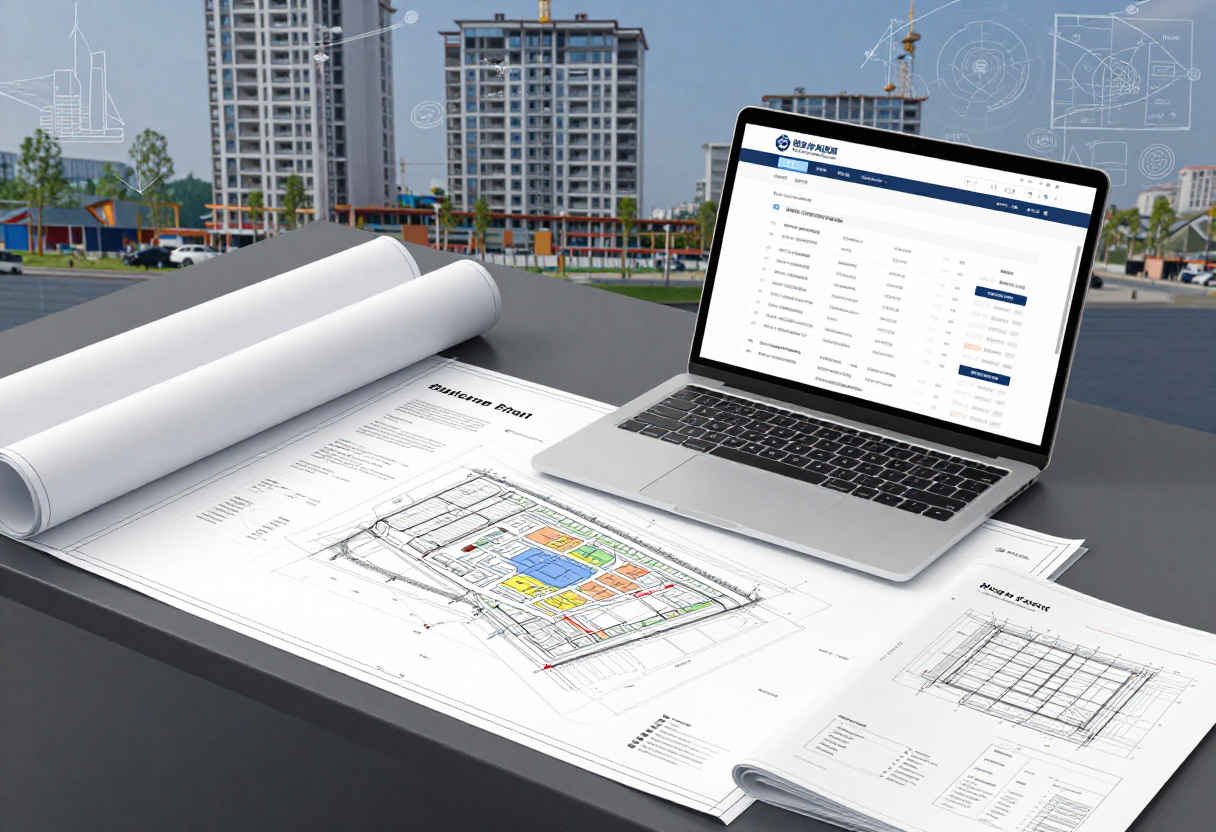
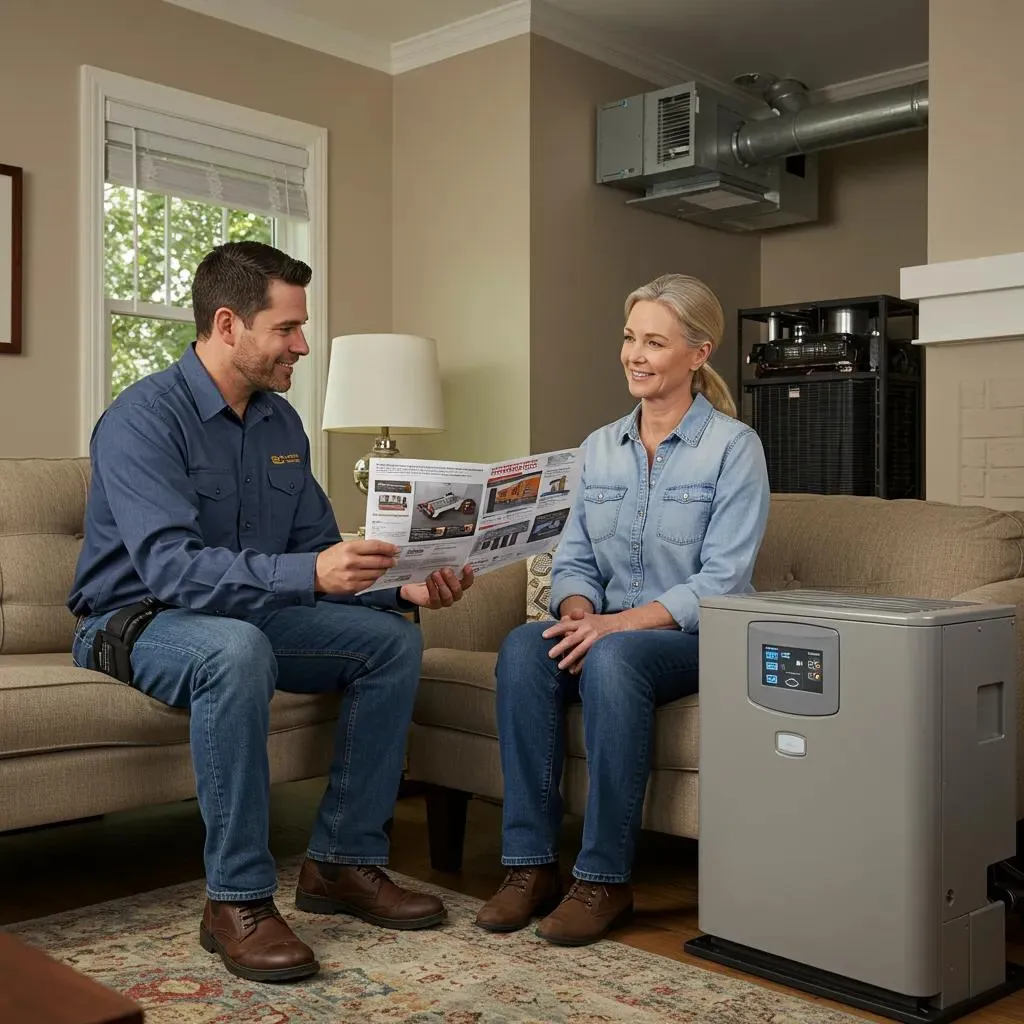
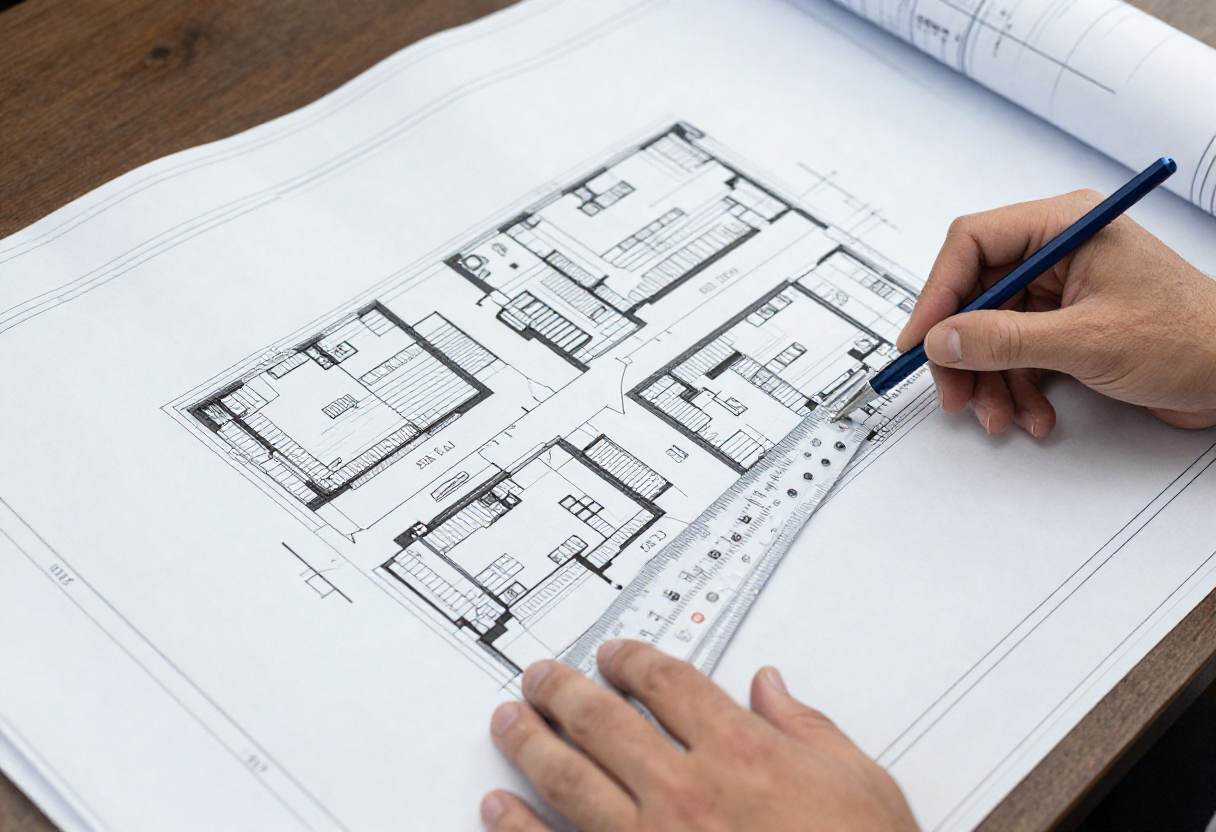
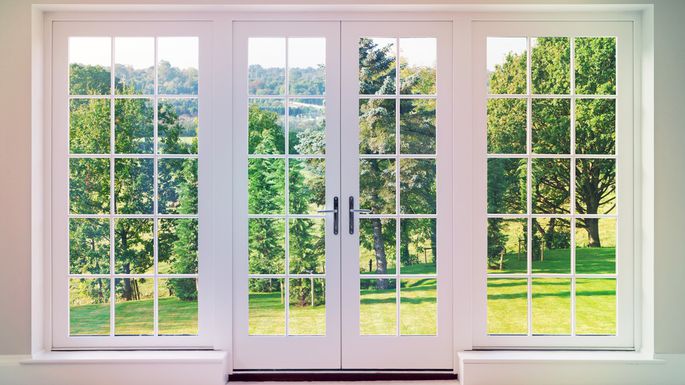
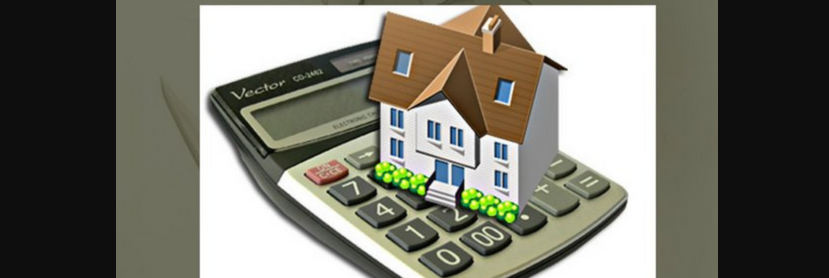
Think of a Manual J permit as a detailed guide for your home’s HVAC needs. It involves performing residential heat load calculations, which are vital for pinpointing how much heating and cooling your home actually requires. These calculations take into account various factors, such as your home’s size, insulation levels, types of windows, and even the local climate. By accurately assessing these elements, a Manual J permit ensures that your HVAC system is perfectly sized—not too big, not too small—leading to peak performance and energy efficiency.
In addition, Manual J calculations also consider aspects such as air leakage, orientation of the building, number of occupants, and internal heat gains from appliances and lighting. This level of detail ensures a highly customized HVAC design tailored to each specific home.
Why Accurate Load Calculations Matter
When it comes to obtaining a Manual J permit, the precision involved in load calculations is incredibly important. Here are a few reasons why getting this right matters:
- Energy Efficiency
Properly sizing your HVAC equipment means you won’t waste energy. An oversized system might turn on and off frequently, which can drive up energy consumption and your utility bills. On the other hand, a system that’s too small won’t be able to keep your home comfortable, forcing it to work overtime and use even more energy.
- Comfort
Keeping your indoor environment cozy is a top concern for homeowners. A well-calculated Manual J permit guarantees that the HVAC system can effectively heat or cool your space, ensuring consistent comfort throughout the year without temperature fluctuations.
- System Longevity
When your system is the right size, it experiences less wear and tear, which can extend its lifespan. This means fewer repairs and replacements down the line, saving you money in the long run.
- Cost Optimization
Accurate calculations prevent overspending on unnecessarily large systems and reduce long-term operational costs, making your investment more efficient.
The Process of Obtaining a Manual J Permit
For anyone involved in residential construction or renovations, getting a handle on how to obtain a Manual J permit is vital. Here’s a quick rundown of the key steps:
Data Collection
Start by gathering detailed information about your building—dimensions, construction materials, insulation levels, window specifications, and more. The more accurate your data, the more precise your calculations will be.
Performing Calculations
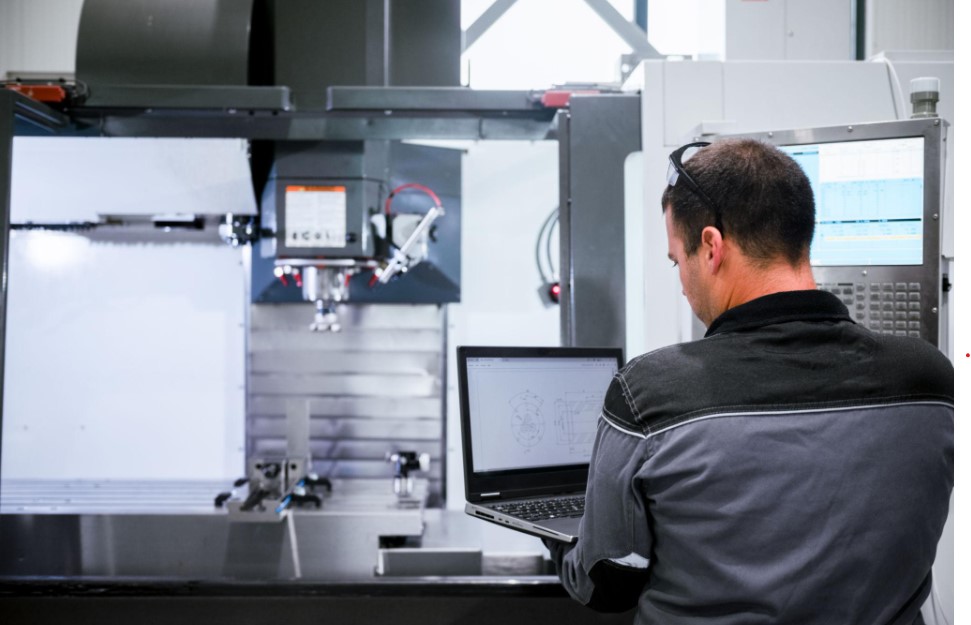
With your data in hand, HVAC professionals will carry out the Manual J calculations. This involves using specialized software and formulas while considering local climate conditions, humidity levels, and building orientation.
Review and Approval
Once the calculations are done, they need to be reviewed and approved by the relevant authorities. This step is crucial to ensure that the proposed HVAC system design meets local codes, building standards, and energy efficiency requirements.
Implementation
Finally, with the permit secured, the HVAC system can be installed according to the approved design, ensuring it operates efficiently and effectively from day one.
Final Inspection
After installation, inspections may be conducted to confirm that the system aligns with the approved Manual J calculations and local regulations.
Best Practices in HVAC Design
To achieve the best results in HVAC design, sticking to certain best practices is key. Here are some helpful tips:
- Stay Updated on Codes and Standards
HVAC design is subject to a variety of codes and standards that can change over time. Keeping yourself informed helps ensure compliance and enhances system performance.
- Incorporate Energy-Efficient Technologies
Today’s HVAC systems come with a range of energy-efficient technologies, such as variable speed motors, zoning systems, and smart thermostats. Integrating these features into your design can significantly boost energy efficiency.
- Regular Maintenance
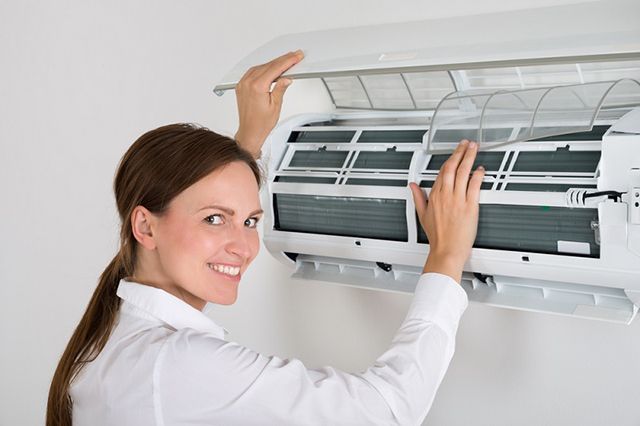
After installation, regular maintenance of your HVAC system is essential. This includes routine inspections, filter changes, and system tune-ups to ensure it continues to perform optimally.
- Proper Ductwork Design
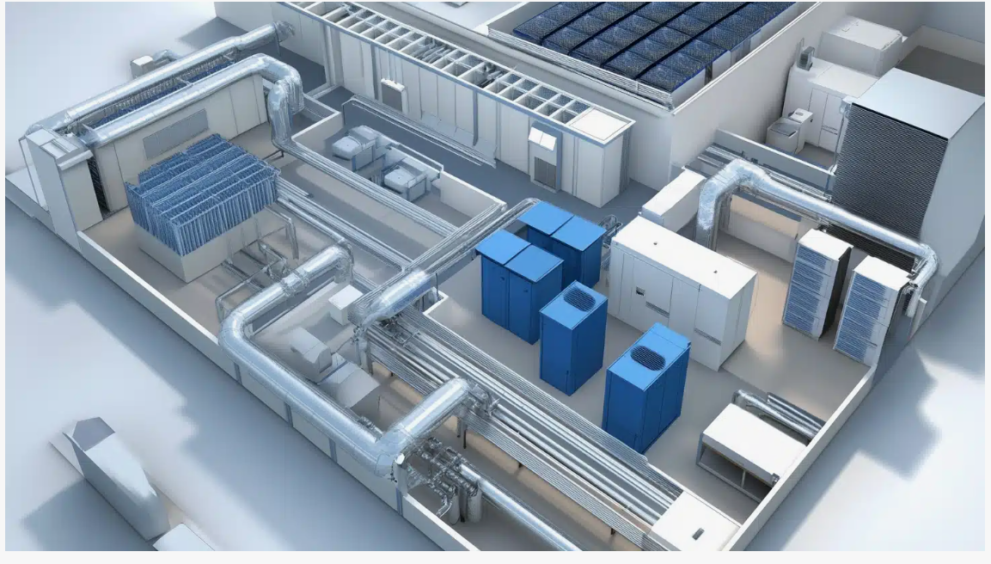
Efficient duct design ensures even airflow distribution, reduces energy loss, and improves overall system effectiveness.
Enhancing Residential Comfort and Energy Efficiency
Ultimately, the goal of any HVAC design is to improve residential comfort while maximizing energy efficiency. By obtaining a Manual J permit and adhering to best practices in design and implementation, professionals can achieve this delicate balance. Homeowners enjoy reduced energy bills, greater comfort, and a smaller carbon footprint, making it a win-win for everyone involved.
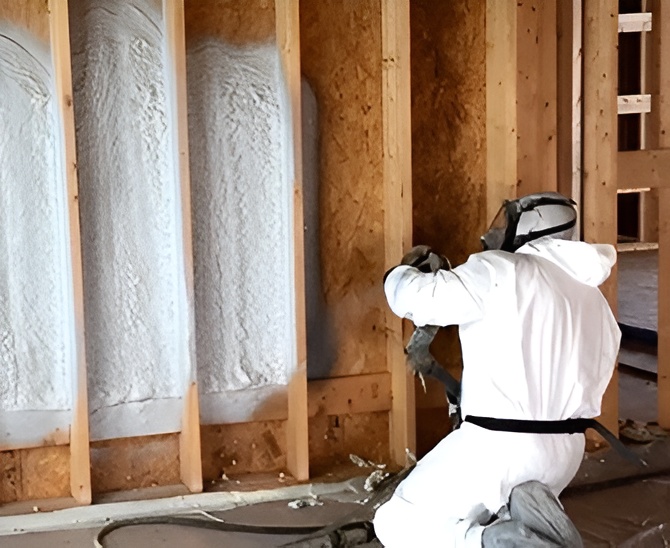
Additional improvements such as upgrading insulation, sealing air leaks, and installing high-performance windows can further enhance the effectiveness of an HVAC system designed using Manual J calculations. Combining these strategies creates a holistic approach to home efficiency and comfort.
Conclusion
In conclusion, a Manual J permit isn’t just a box to check; it’s a vital tool for optimizing HVAC systems in our homes. By ensuring precise load calculations and following best practices, professionals can create efficient, comfortable, and sustainable living environments.
Whether you’re a contractor, builder, architect, engineer, or a homeowner, understanding and valuing the Manual J process is essential for successful HVAC design. With the right approach, tools, and expertise, you can ensure your HVAC system delivers reliable performance, long-term savings, and a superior indoor living experience.
 English