

 English





























































































































































































































































































































































































































































































































































































































































































































































































































































































































































































































































































































































































































































































































































































































































































































































































































































































How to Build an SEO Strategy for the US Market


Entering the US market with SEO is not simply a matter of targeting American keywords. Businesses are competing against established brands, publishers, marketplaces, and companies that already understand local customer expectations. A website that performs well in another country may struggle to gain traction in the US if its content, search targeting, and commercial pages do not match local demand.
Working with an experienced SEO agency in the USA can help businesses identify realistic growth opportunities, understand their competitors, and prioritise the pages most likely to attract qualified traffic. The objective is to build visibility that supports sales and leads, rather than chase rankings that contribute little to the business.
Which US Search Opportunities Should You Target First?
Start with the products, services, and customer segments that matter most to your business. Targeting broad keywords across the entire US market can consume considerable resources without producing meaningful results.
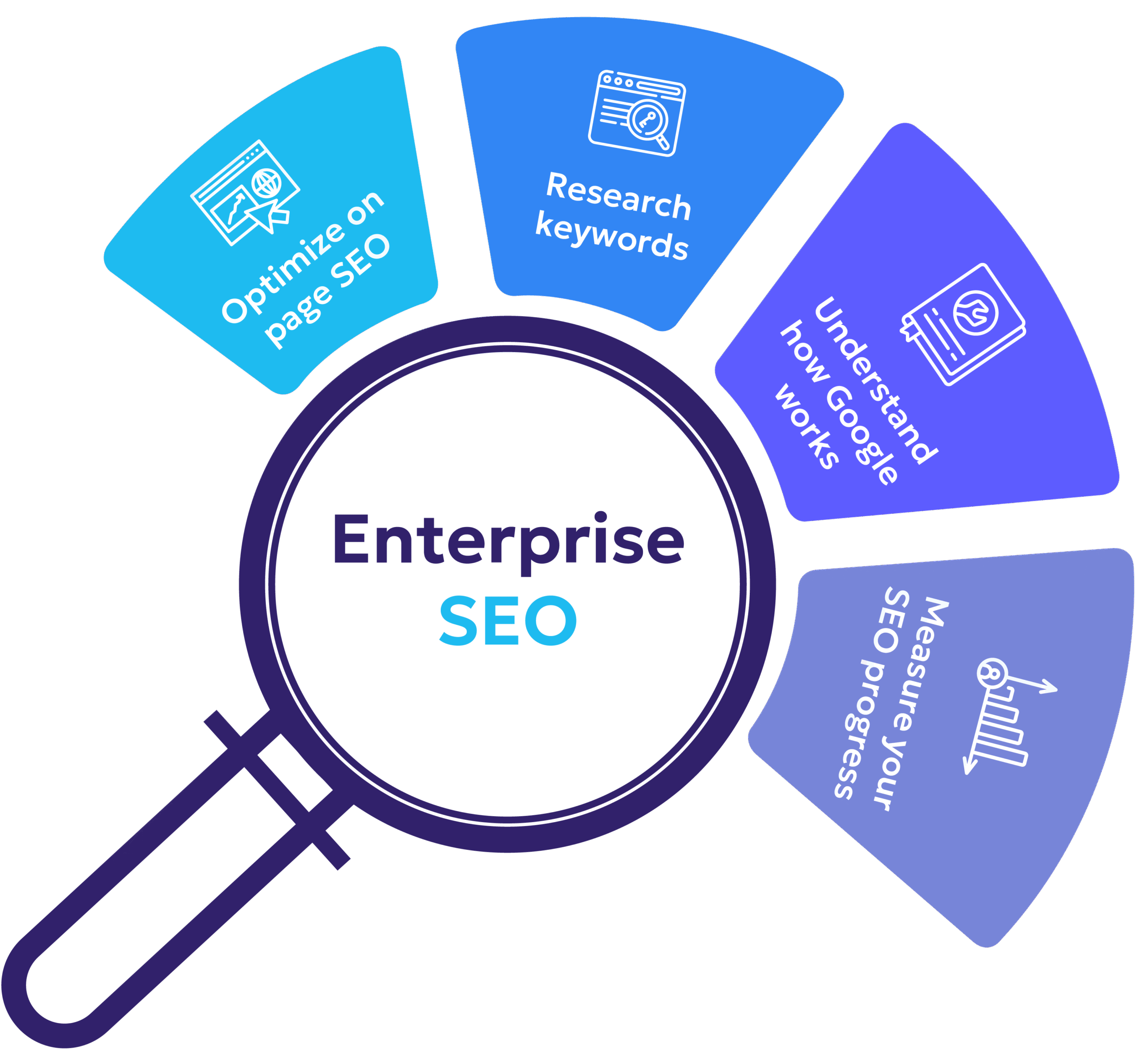
Review the search terms customers use when comparing providers, evaluating products, or looking for solutions to specific problems. Use tools such as Semrush, Ahrefs, and Google Search Console to assess demand, competition, and existing performance.
Then examine the actual search results. If a keyword is dominated by major retailers, established brands, or review platforms, a new business may need a more focused entry point.
For example, a B2B software company might initially target searches related to a specific industry or use case rather than competing immediately for a broad term such as “business software.”
Prioritise keywords based on three factors: commercial relevance, realistic ranking opportunities, and potential business value. Search volume matters, but a smaller group of qualified visitors can be more valuable than a large audience with little purchase intent.
Does Your Website Match How American Customers Search?
Keyword targeting can fail when businesses assume that terminology and buying behaviour remain identical across markets.
Review the language used by US customers, the questions they ask before purchasing, and the information competing websites provide. Pay attention to pricing expectations, product specifications, service availability, terminology, and customer concerns.
For US audiences, also check that content uses appropriate American English, currency, measurements, and shipping or service information where relevant. These details should reflect how the business actually operates in the market, not simply make the website look local.
Avoid creating separate pages for minor keyword variations. If several searches express the same intent, one well-developed page may serve them better than multiple overlapping URLs.
How Can You Compete With Established US Websites?
A competitor’s domain authority or content volume does not tell you exactly where your business can win. Examine the pages ranking for your most important terms and identify what they do well, as well as what they fail to address.
Look for gaps in product information, technical explanations, comparison content, and customer-specific use cases. If competing service pages provide only broad descriptions, your page could stand out by explaining the process, scope, deliverables, and evidence of results.
For B2B companies, detailed case studies and industry-specific pages may help buyers evaluate expertise. Ecommerce businesses may gain more from improving category pages, product information, and buying guides.
The aim is not to publish more content than competitors. It is to give customers a clearer reason to consider your business.
Which SEO Fixes Should Take Priority?
Before expanding content production, check whether technical or on-page problems are limiting the performance of existing pages.
Focus first on issues that affect important commercial URLs:
- Indexing: Confirm that key product, category, and service pages can be crawled and indexed.
- Page targeting: Ensure titles, headings, and content match the intent behind the target search.
- Internal links: Make important pages accessible through relevant navigation and contextual links.
- Duplicate URLs: Review canonical tags and unnecessary URL variations.
- Conversion barriers: Check whether visitors can understand the offer and take the next step.
For a business already receiving US impressions but few clicks, page titles and search intent may deserve attention. If commercial pages are not indexed, technical fixes should come first. Priorities should follow the evidence rather than a standard checklist.
How Should You Measure Sustainable Growth?
Rankings and organic traffic help track progress, but they do not establish whether SEO is generating business value.
Use Google Search Console to monitor US impressions, clicks, queries, and landing pages. Use GA4 and CRM data, where available, to assess conversions, qualified leads, and revenue.
Segment results by product, service, page type, and market where the data supports it. This helps distinguish useful commercial growth from traffic increases driven mainly by informational content.
Compare performance over suitable periods and account for seasonality, promotions, and major website changes. SEO results rarely follow a perfectly linear path, so avoid judging a strategy by a single month’s movement.
The key question is whether organic search is bringing in more of the right customers and contributing to the business’s growth targets.
When Should You Work With an SEO Agency in the USA?
Specialist support may be useful when internal teams lack the capacity to manage technical SEO, competitive research, content planning, or performance analysis. It can also help businesses entering the US market establish priorities before investing heavily in content and link acquisition.
Evaluate potential partners on their ability to understand your business, explain their recommendations, and connect SEO work with measurable outcomes. Ask how they will identify opportunities, handle technical issues, assess content performance, and report on qualified leads or sales.
ResultFirst helps businesses align technical SEO, content strategy, and performance measurement with their organic growth goals. For companies targeting the US market, the strategy should reflect their actual customers, competitive position, and commercial priorities rather than rely on a generic list of keywords.
Conclusion
Sustainable SEO growth in the US starts with choosing the right opportunities, not targeting the largest possible number of keywords. Research local demand, assess the competition, improve important commercial pages, and measure whether organic search is contributing to qualified leads and revenue.
A focused strategy gives businesses a stronger foundation for expanding their US presence without wasting resources on traffic that does not support their goals.