

 English





































































































































































































































































































































































































































































































































































































































































































































































































































































































































































































































































































































































































































































































































































































































































































































































































































































































































In an increasingly digital world, cybersecurity threats continue to advance at a pace that challenge

The Evolving Landscape of Cybersecurity and Ethical Hacking
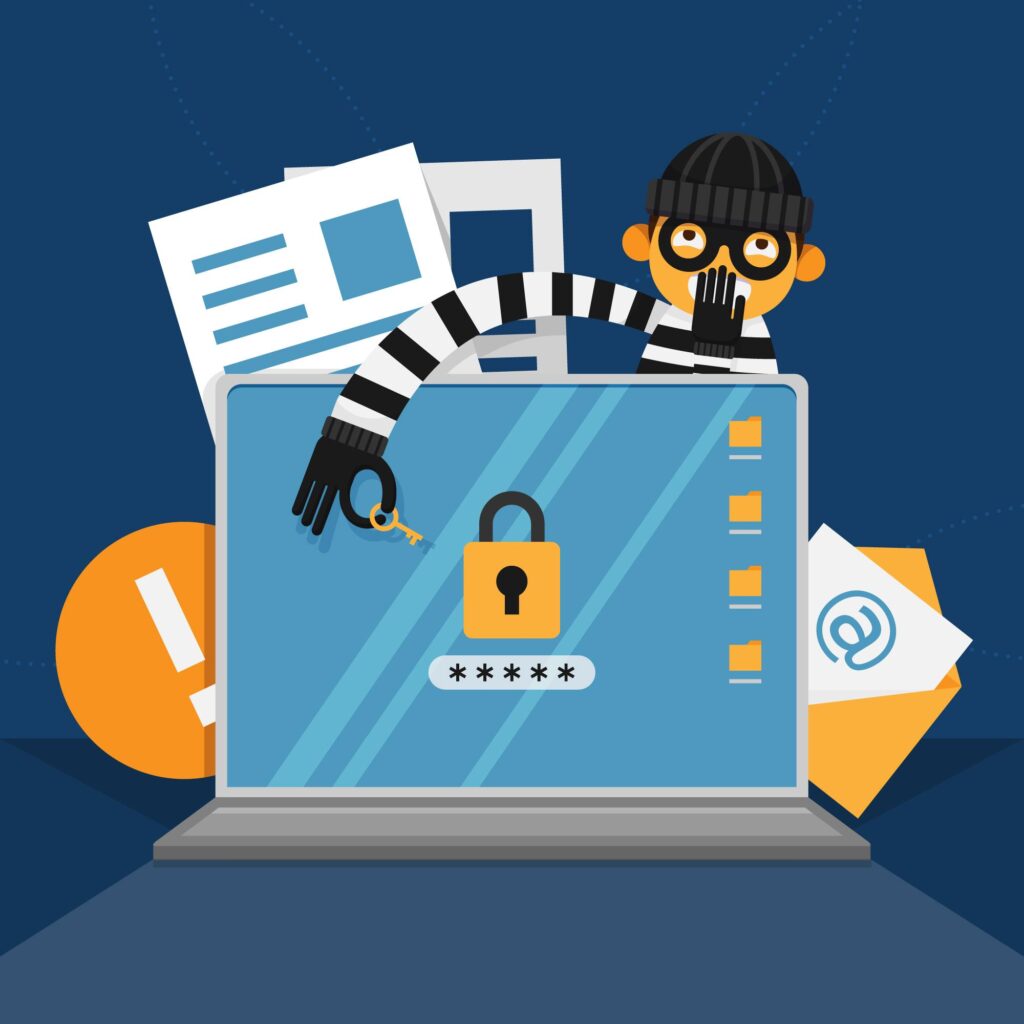
In an increasingly digital world, cybersecurity threats continue to advance at a pace that challenges organizations across all sectors. From global corporations to government agencies, the importance of safeguarding digital assets has never been greater. Ethical hacking — often described as penetration testing — has emerged as a cornerstone of proactive cybersecurity strategies. As the industry matures, a nuanced, comprehensive understanding of ethical hacking practices and their strategic implications becomes essential.
Understanding Ethical Hacking: Beyond Penetration Testing
Ethical hacking involves authorized attempts to identify vulnerabilities within systems, networks, or applications. Unlike malicious actors, ethical hackers operate within legal and contractual boundaries, employing sophisticated tools and methodologies to simulate cyberattacks. Their goal is to uncover weaknesses before adversaries do, enabling organizations to remediate vulnerabilities proactively.
This practice requires in-depth knowledge of both offensive and defensive cybersecurity measures, as well as a commitment to ethical standards. Industry reports indicate that organizations investing in regular ethical hacking exercises can reduce their breach risks by up to 30-40%. Such statistics underscore the tangible benefits of adopting an offensive security mindset.
Best Practices in Ethical Hacking: Building a Resilient Cyber Defense
Successful ethical hacking depends on robust frameworks and adherence to industry standards such as the OWASP Testing Guide and the NIST Cybersecurity Framework. Key practices include:
- Comprehensive Scope Definition: Precisely delineating target assets to maximize effectiveness.
- Reconnaissance and Information Gathering: Utilizing passive and active techniques to map attack surfaces.
- Vulnerability Identification: Deploying tools like Nmap, Burp Suite, and custom scripts to surface weaknesses.
- Exploitation and Analysis: Validating vulnerabilities through controlled exploits, then assessing potential impact.
- Reporting and Remediation: Communicating findings with clear, prioritized recommendations for corrective action.
To ensure continuous improvement, organizations often integrate ethical hacking within a broader Security Operations Center (SOC) strategy, combining automated scanning, threat intelligence, and regular red teaming exercises.
For detailed guidance on establishing a resilient ethical hacking program, industry insights can be explored at http://mister-x.org.uk.
Case Studies: Ethical Hacking in Action
| Organization | Challenge | Solution | Outcome |
|---|---|---|---|
| Global Financial Institution | Susceptibility to phishing and web-based attacks | Conducted comprehensive penetration tests and staff security awareness campaigns | Reduced phishing click rates by 45%; mitigated critical web vulnerabilities |
| Healthcare Provider | Lack of visibility into IoT device security | Deployed network segmentation, vulnerability assessments, and continuous monitoring | Strengthened IoT device security posture, ensuring patient data integrity |
These examples highlight the strategic role of ethical hacking in delivering measurable security improvements. With targeted testing and rigorous follow-up, organizations can transform vulnerabilities into resilience.
Emerging Trends and Future Directions
As cyber threats evolve, so too must ethical hacking methodologies. Emerging trends include:
- Automation and AI: Leveraging machine learning to identify vulnerabilities at scale.
- Red Team/Blue Team Exercises: Simulating advanced persistent threats to test defenses comprehensively.
- Supply Chain Security: Extending testing efforts beyond organizational perimeters to supplier networks.
Notably, the integration of tools and insights from reputable security research sources—such as http://mister-x.org.uk—ensures that ethical hacking reflects current threats and best practices, reinforcing its value as a cornerstone of modern cyber defense.
Conclusion: Embracing Ethical Hacking for a Secure Digital Future
Ethical hacking remains an indispensable element for organizations aiming to safeguard sensitive information and maintain stakeholder trust. As cybercrime becomes more sophisticated, an informed, proactive security posture—grounded in expert knowledge and continual learning—is essential.
For those interested in deepening their understanding of current practices and industry standards, exploring resources like http://mister-x.org.uk provides valuable insights from seasoned professionals committed to advancing cybersecurity resilience.
“In cybersecurity, the best defense is often a well-placed offense—ethically demonstrating potential paths for threat actors to stay one step ahead.”