

 English





















































































































































































































































































































































































































































































































































































































































































































































































































































































































































































































































































































































































































































































































































































































































































































































































































































































Managed Farm Labor Solutions: A Tale of Two Planting Seasons

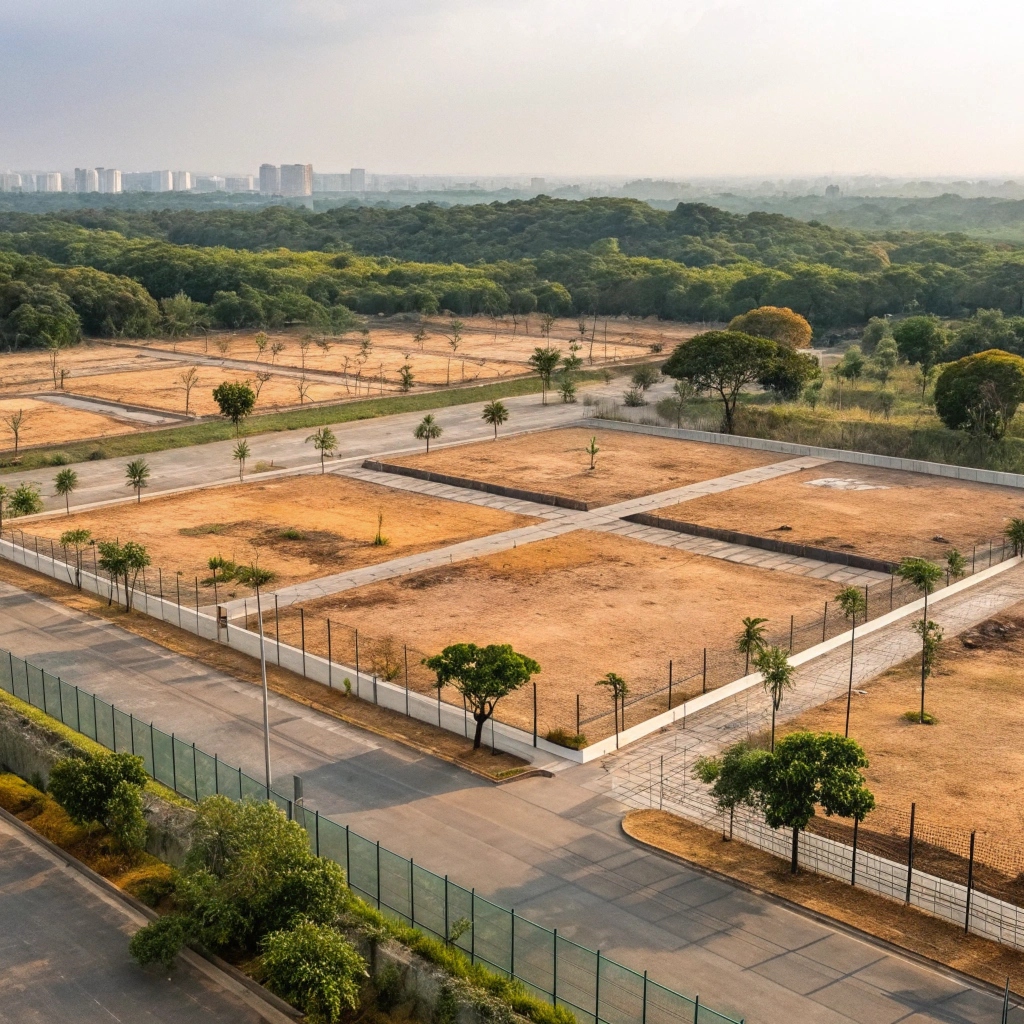
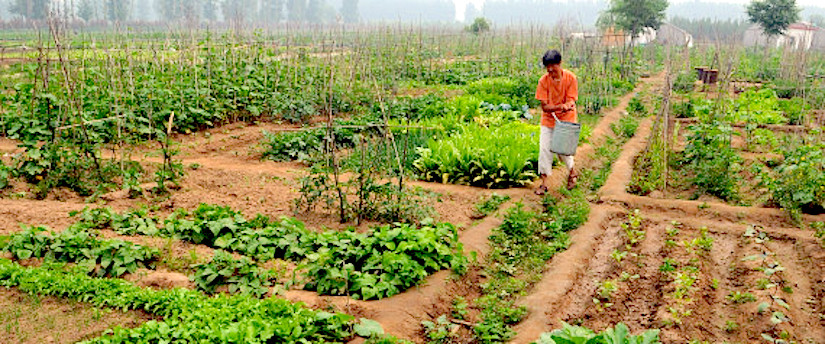
Two vegetable farms sit forty miles apart. Both needed forty seasonal workers by the first week of April.
One farm handled recruitment entirely in-house, the way it always had. The other turned to managed farm labor solutions to coordinate the same task. By the second week of the season, their experiences looked very different.
The in-house farm spent January and February fielding phone calls and chasing paperwork. Its manager hoped enough workers would show up on time. The other farm had its crew confirmed by late February, with housing and transportation already arranged.
Neither farm owner started the season expecting a gap this wide. Both had grown their operations successfully for years. What changed was the size and complexity of the labor process itself, not the skill of the people running it.
The Real Challenge
Recruiting a seasonal crew is not one task. It is dozens of smaller tasks stacked on top of each other. Visa filings, housing inspections, transportation, and payroll setup all need to happen before a single worker touches a field.
The in-house farm’s manager had run this process for years. But this season brought new wage rate updates and a tighter compliance window. Handling all of it alone left little time for anything else, including the actual planting plan.
By mid-March, the manager was still confirming visa paperwork for a handful of workers. Two crew members had not yet cleared their housing inspection. Every hour spent on those calls was an hour not spent walking the fields before planting began.
Equipment maintenance got pushed back a week. Soil testing results sat unread in an inbox. Small delays like these rarely show up on a balance sheet, but they add up across an entire growing season.
What the Research Says
The pressure behind this scenario is not anecdotal. In fiscal year 2025, 398,258 H-2A positions were certified nationwide, according to American Farm Bureau Federation research. That marks 185 percent growth over the past decade.
More farms are now competing for the same recruitment and logistics support. That competition is exactly what the second farm in this story was up against.
Domestic recruitment has not kept pace with that demand. Fewer than 0.04 percent of advertised farm positions drew a domestic applicant in fiscal year 2025. That figure comes from the same Farm Bureau research cited above.
That gap explains why so many farms lean on outside coordination. Local hiring alone rarely fills a full seasonal crew anymore. Structured recruitment has become less of an option and more of a necessity.
Seasonal crop workers also tend to move between employers within a single season. Federal survey data puts average crop worker employment at about 35 weeks per year, per U.S. Department of Labor research. That pattern makes stable, planned recruitment even more important than it looks at first.
Practical Response
The second farm’s approach was not about spending more money. It was about splitting the work differently. Recruitment, compliance filings, and housing logistics moved to a dedicated process built for exactly that purpose.
That shift freed the farm’s own manager to focus on field operations instead of paperwork. Workers arrived with documentation already sorted. Housing was inspected and ready before the first truck pulled in.
Transportation schedules were set weeks in advance instead of being arranged the night before. Wage statements were prepared on a fixed schedule, not assembled in a rush. None of this required a larger crew or a bigger budget, just a different division of labor.
One Key Takeaway
The difference between the two farms was not effort. Both managers cared about getting labor right. The difference was where that effort got spent.
Managed farm labor solutions do not replace good farm management. They redirect it. Time that would have gone into visa paperwork instead went into planting decisions that actually affect yield.
That distinction matters for any operator sizing up this choice. The question is not whether a farm can handle recruitment alone. The real question is whether that is the best use of a manager’s busiest weeks.
Farm size plays into this decision too. A small operation with a handful of workers may manage recruitment without much strain. A larger crew, spread across multiple fields, tends to hit the same wall the in-house farm hit this season.
Bottom Line
Neither farm in this scenario did anything wrong. One simply carried more of the coordination burden alone than it needed to. The other built its season around managed farm labor solutions instead.
That choice freed up time for the work only a farm manager can do.
Every operation has to weigh its own capacity against the complexity of the labor process. Planting season leaves little room for paperwork delays. Choosing where to place that coordination work matters as much as choosing what to plant.
Looking back at that season, the manager who used a managed approach put it simply. The work still got done either way. It just got done without costing the farm its own attention at the worst possible time.