

 English































































































































































































































































































































































































































































































































































































































































































































































































































































































































































































































































































































































































































































































































































































































































































































































































































































































































Revolutionizing Education: The Impact of Gamified Learning on Student Engagement and Outcomes

In recent years, the educational landscape has undergone a profound transformation driven by technological innovation. Among these advancements, gamified learning platforms have emerged as pivotal tools for enhancing student engagement, motivation, and comprehension. This evolution is not merely a trend but a fundamental shift in pedagogical strategies, aligning with the digital-native generation’s preferences and leveraging the power of interactive entertainment to foster meaningful learning experiences.
The Rise of Gamification in Education: Industry Insights and Data
Gamification—transforming traditional educational content into interactive, game-like experiences—has garnered increasing attention within academic and ed-tech sectors. According to a 2022 report from HolonIQ, the global market for game-based learning is projected to reach over $10 billion by 2025, reflecting a compound annual growth rate (CAGR) of approximately 15%. This surge indicates widespread adoption across K-12 and higher education institutions, as well as corporate training programs.
Empirical studies corroborate the effectiveness of gamification. For instance, a meta-analysis published in the Journal of Educational Psychology found that students engaged in gamified learning environments demonstrated a 20% higher retention rate compared to traditional methodologies. Engagement metrics such as class participation, time-on-task, and motivation levels all show marked improvement in gamified settings.
Design Principles for Effective Gamified Educational Tools
Successful gamified platforms incorporate core design principles:
- Clear Objectives: Align game mechanics with learning goals to maintain relevance.
- Immediate Feedback: Provide instant responses to sustain momentum and correct misconceptions.
- Progression and Rewards: Use levels and badges to foster a sense of achievement and motivate ongoing participation.
- Personalization: Tailor experiences to individual learners to maximize engagement and address diverse needs.
However, creating such platforms requires a delicate balance between entertainment and education to prevent superficial engagement or distraction from core learning outcomes.
Case Study: Mobile Gaming and Education Accessibility
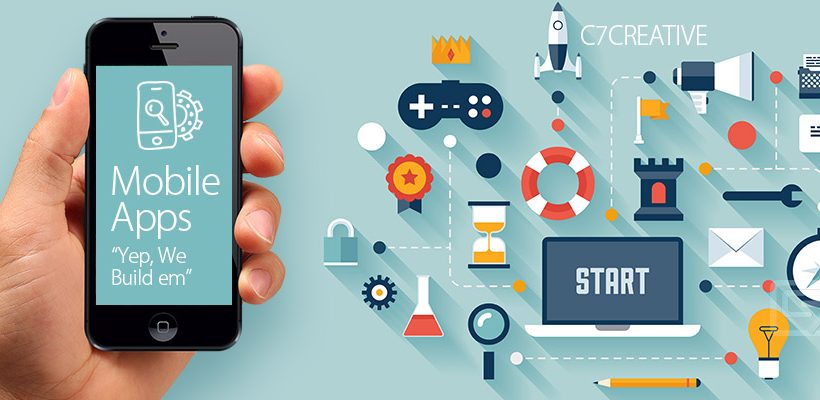
One notable recent development in this domain is the integration of interactive mobile gaming applications geared toward education and skill development. Mobile devices afford unprecedented accessibility, allowing learners from varied socio-economic backgrounds to participate in educational activities anytime and anywhere.
A prime example of this innovative approach is observed in platforms like get the Chickensroads Play mobile app. Designed to engage young learners through playful, story-driven experiences, the app demonstrates how gamified content can be seamlessly embedded into mobile ecosystems to foster learning outside traditional classroom settings. Its design leverages familiar game mechanics—such as collecting, problem-solving, and friendly competition—to motivate continuous interaction and learning reinforcement.
Educational value meets entertainment: By blending storytelling, task-based challenges, and rewards, platforms like Chickensroads exemplify how mobile gamification can effectively motivate learners and reinforce educational content, especially for digital-native generations.
The Future of Gamified Learning: Trends and Opportunities
| Trend | Implication |
|---|---|
| AI-Driven Personalization | Tailoring learning paths based on real-time performance data enhances engagement and mastery. |
| Augmented Reality (AR) & Virtual Reality (VR) | Immersive environments transform passive learning into active exploration. |
| Cross-Platform Integration | Seamless experiences across devices enable continuous, context-aware learning. |
Capitalize on these advancements by integrating mobile gamified solutions—such as the Chickensroads Play app—into broader educational strategies. Doing so not only reinforces curriculum standards but also nurtures digital literacy and problem-solving skills critical for the 21st-century workforce.
Conclusion: Strategically Embracing Gamified Platforms
“Technology is transforming education from passive reception to engaging interaction; gamification is at the heart of this shift.” — Industry Analyst, Jane Doe
In conclusion, the strategic incorporation of gamified learning platforms—particularly accessible mobile solutions—represents a significant leap toward fostering dynamic, personalized, and effective educational environments. Such platforms serve as credible, authoritative resources that complement traditional pedagogy, stimulate motivation, and prepare learners for a rapidly evolving digital world.
To explore a leading example of such an innovative platform, consider get the Chickensroads Play mobile app. Its integration of storytelling and interactive gameplay exemplifies how mobile gaming can be a powerful tool in the future of education.