

 English























































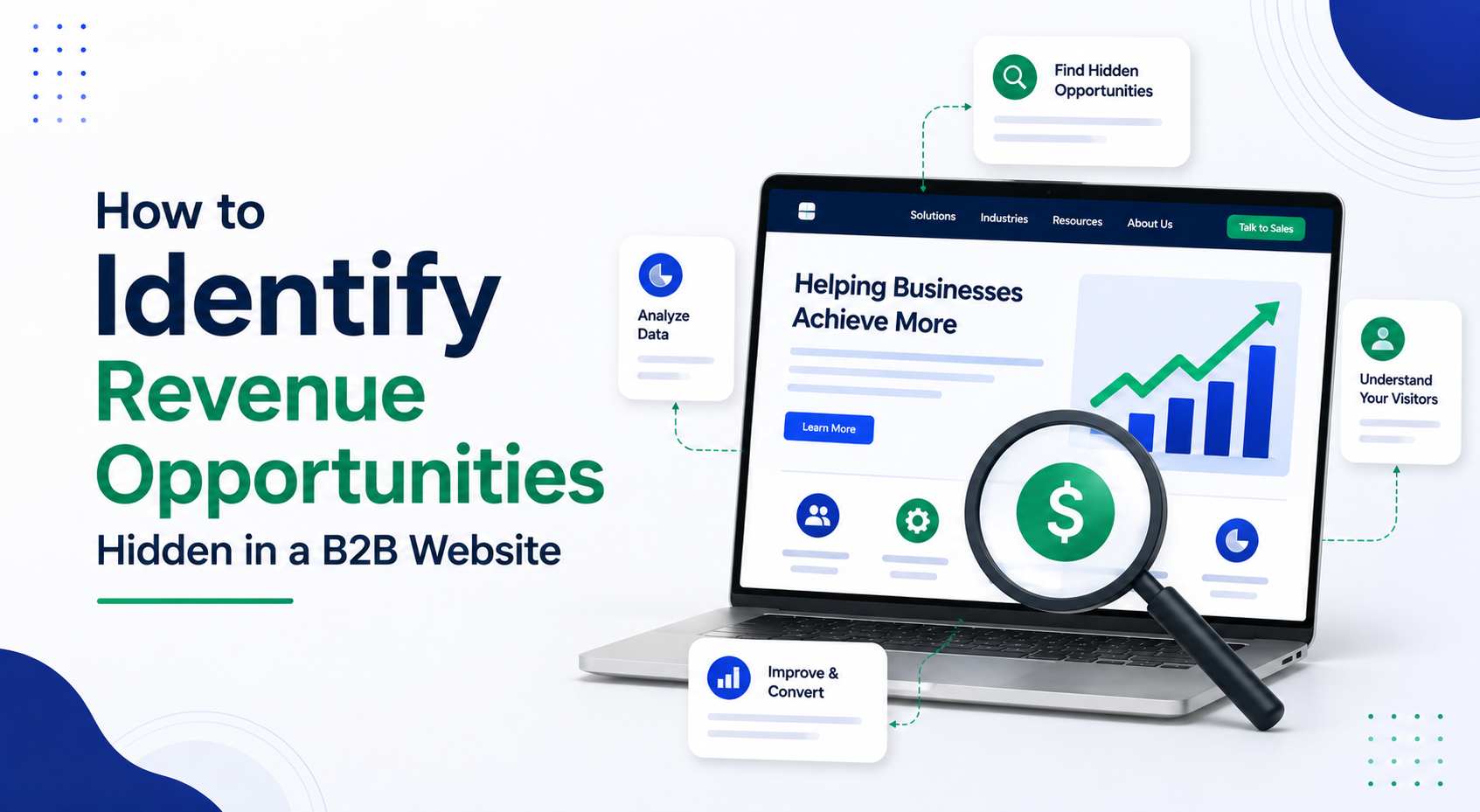




































































































































































































































































































































































































































































































































































































































































































































































































































































































































































































































































































































































































































































































































































































































































































































































































































How to Identify Revenue Opportunities Hidden in a B2B Website

A B2B website can generate plenty of traffic and still contribute less revenue than it should. A product page may attract qualified visitors but fail to give them enough confidence to inquire. A popular blog post may bring in thousands of visits while sending almost no one toward a relevant solution. In other cases, the opportunity is sitting in content the company already owns but has never connected properly to the buying journey.
Finding these gaps requires looking beyond rankings and traffic. The real question is where the website is attracting potential buyers, where their research stalls, and what information or experience is missing between interest and action.
Start With Pages That Already Have Buyer Attention
The easiest opportunities are often hiding in pages that already perform well.
A page with strong organic traffic, long engagement, or repeat visits has already earned some level of audience interest. Instead of immediately creating more content, the team should examine what those visitors do next.
Suppose an article about reducing manufacturing costs attracts operations leaders but has no connection to the company’s manufacturing software. The content may be performing well as an acquisition asset, yet it is doing little to support revenue.
A relevant product link, customer example, industry resource, or next-step guide could create a stronger path without changing the original article.
Look for Friction Before the Conversion
Not every lost lead is caused by a lack of demand.
Sometimes the website simply makes the next step harder than it needs to be.
A potential buyer may struggle to understand what a product actually does, find no evidence from similar companies, encounter a long form, or reach a pricing page without enough context. Each problem creates another reason to leave.
Conversion data can help identify these points, but qualitative feedback matters too. Sales teams often hear objections that never appear in analytics.
Turn Sales Questions Into Website Opportunities
Sales conversations are one of the best sources of website improvement ideas.
If prospects repeatedly ask about implementation time, integrations, security, pricing, support, or expected results, those questions are telling the marketing team something.
The website may not be answering an important part of the buying decision.
Rather than adding another generic blog post, the company could create content around the actual concern. That might be an implementation guide, comparison page, customer story, FAQ, or detailed product section.
The closer the content is to a real buying question, the more likely it is to support a commercial outcome.
Find the Gap Between Content and Commercial Intent
A large B2B content library can look impressive while still leaving major gaps.
This is where B2B content marketing needs to be evaluated as part of the revenue journey, rather than as a traffic-generation activity. Educational articles may attract early-stage prospects, but those visitors also need relevant content that helps them compare solutions, understand implementation, assess risks, and build a case internally.
For example, a company might have excellent articles explaining a business problem but nothing for readers who are ready to evaluate solutions. Adding comparison content, use cases, customer evidence, or solution-specific resources can close that gap.
The opportunity is not necessarily to publish more. It is to give existing demand somewhere useful to go.
Search Rankings Can Hide Commercial Gaps
Ranking for thousands of keywords does not guarantee that a website is attracting valuable business opportunities.
A B2B company may rank well for broad educational searches that generate traffic from students, job seekers, researchers, or people outside its target market. Meanwhile, searches closer to a purchasing decision may have weak or no visibility.
A useful review separates keywords by their relationship to the business:
- Problem-focused searches
- Solution-focused searches
- Industry-specific searches
- Comparison searches
- Alternative searches
- Pricing and evaluation searches
- Implementation searches
This can show whether the website is strong at attracting attention but weak at capturing demand closer to a decision.
Study What Competitors Are Helping Buyers Understand
Competitor analysis becomes more useful when it goes beyond keyword counts.
A competitor may be winning attention because it answers questions that other companies have ignored. It might explain implementation clearly, publish detailed customer examples, address common objections, or create resources for specific industries.
Those gaps can point to opportunities.
However, copying a competitor’s content rarely creates a meaningful advantage. The better approach is to identify the customer need behind the content and answer it using the company’s own experience, data, customers, and expertise.
Revisit Pages That Once Performed Well
Some revenue opportunities are hidden in old content.
A page that ranked strongly two years ago may have lost visibility because its examples are outdated, important information is missing, or competitors now provide better answers.
Before replacing it, check what made the page valuable in the first place.
Refreshing statistics, adding current examples, improving the structure, strengthening internal links, and connecting the page to relevant commercial resources may restore its usefulness.
An existing page with backlinks and historical search visibility can sometimes be a better investment than starting from zero.
Look Beyond the Homepage
Revenue analysis often starts with the homepage because it is the most visible page.
It should not end there.
Product pages, industry pages, comparison pages, resource hubs, case studies, pricing pages, and even older blog posts can influence buying decisions.
Some of the most valuable pages may receive relatively little traffic but attract visitors with much stronger intent.
A page visited by 500 highly relevant prospects can be more commercially important than a blog post visited by 50,000 people who have no reason to buy.
Give High-Intent Visitors More Evidence
People researching a B2B purchase often need proof before they are willing to engage.
That proof might include customer results, industry experience, product screenshots, implementation details, certifications, expert commentary, or answers to common objections.
The important part is placement.
A case study buried three levels inside a resource center may not help someone evaluating a product right now. Relevant proof should appear close to the claims and decisions it supports.
If a page says a solution can reduce operational costs, for example, a relevant customer example can make that claim more credible.
Look for Audience Segments the Website Treats Too Broadly
A single product may serve several industries or buyer groups, but the website may speak to all of them in exactly the same way.
That can leave revenue opportunities hidden.
A healthcare buyer may care about compliance and patient data. A manufacturing buyer may care about integration and operational efficiency. A financial services buyer may focus heavily on security and risk.
The product may be the same, but the reasons for buying it are not.
Industry pages, use cases, tailored case studies, and segment-specific resources can make an existing offering more relevant without requiring a new product.
Measure What Content Helps Create Pipeline
Traffic and rankings are useful starting points, but they do not show the complete business picture.
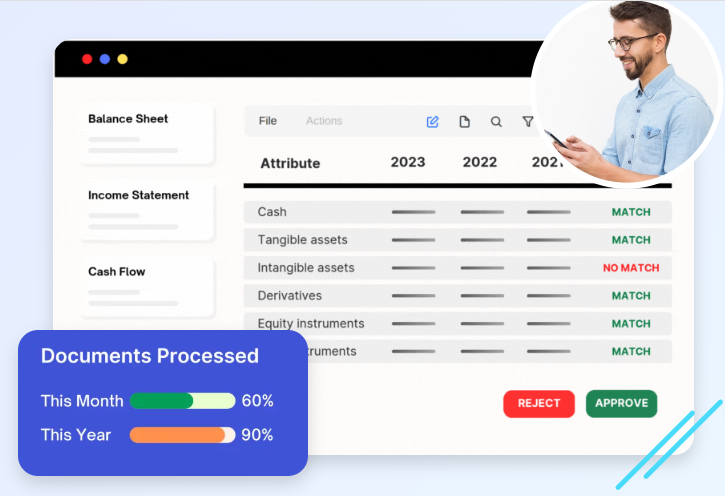
A stronger analysis connects website activity with outcomes such as qualified leads, opportunities, assisted conversions, sales conversations, and pipeline.
This also changes how successful content is evaluated.
A technical guide that generates only modest traffic may still be valuable if it consistently assists enterprise opportunities. A high-traffic article may deserve less attention if its visitors rarely match the company’s target audience.
The goal is to understand which parts of the website contribute to commercial progress.
Prioritize Opportunities by Potential, Not Just Ease
Once the gaps are identified, the temptation is to fix the easiest ones first.
That can produce activity without much impact.
A better approach considers three things: how much commercial value the opportunity could create, how much evidence of demand already exists, and how difficult the improvement will be to implement.
A high-intent product page with strong traffic but weak conversion may deserve attention before a completely new content initiative. Similarly, a frequently raised sales objection may justify a dedicated resource before another broad awareness article is published.
This keeps the website strategy tied to business priorities.
The Best Opportunity May Already Be on the Website
Finding new revenue does not always mean finding new traffic.
Sometimes the opportunity is already present in the form of existing visitors, useful content, strong search visibility, or pages that are close to converting. What is missing is the connection between those assets and the next stage of the buyer journey.
That is why a B2B website should be reviewed as a revenue system rather than a collection of individual pages.
The strongest opportunities often appear in the gaps: between a search and a solution, between an article and a product page, between a prospect’s question and the information available, or between interest and the final conversion.
The most valuable website improvements are not always the ones that bring more people in. Sometimes they are the ones that help the right people take one more meaningful step.