

 English














































































































































































































































































































































































































































































































































































































































































































































































































































































































































































































































































































































































































































































































































































































































































































































































































How CNC Technology and Precision Cutting Tools Work Together

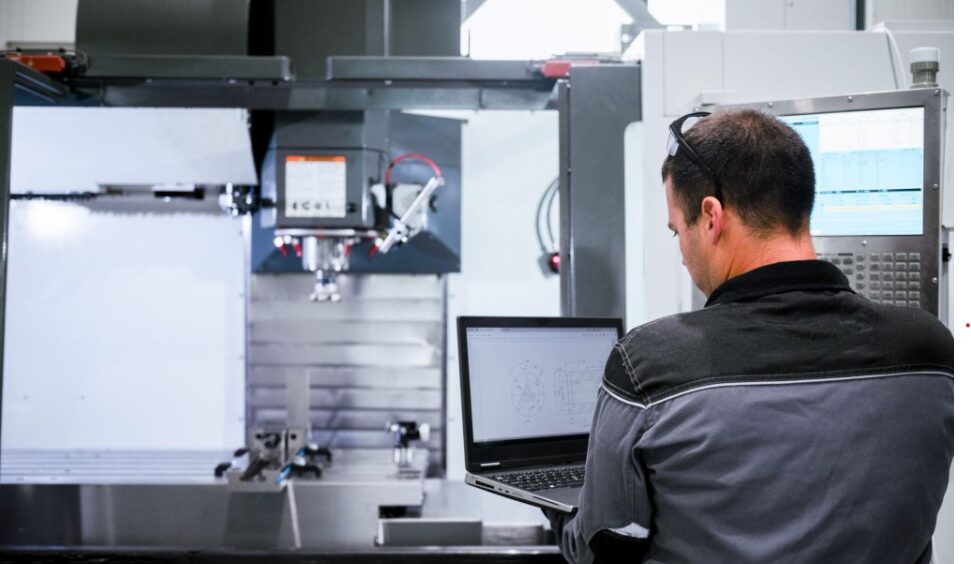
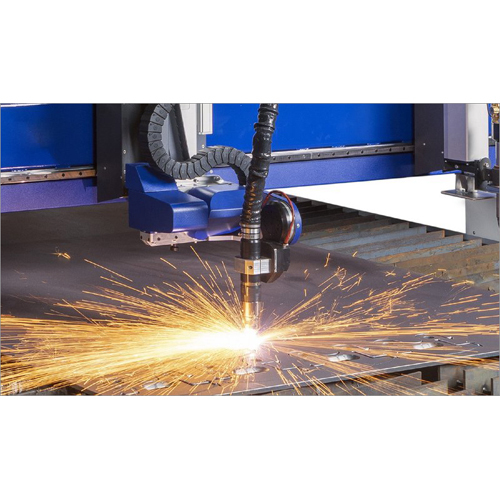
Computer Numerical Control (CNC) technology has transformed modern manufacturing by making machining operations more accurate, repeatable, and efficient. However, CNC machines alone do not determine the quality of a finished component. The cutting tool used during the operation plays an equally important role.
The combination of advanced CNC technology and precision cutting tools allows manufacturers to produce complex components with consistent dimensions and reliable surface quality. From automotive components to industrial machinery, this combination has become an essential part of modern precision manufacturing.
Understanding the Role of CNC Technology
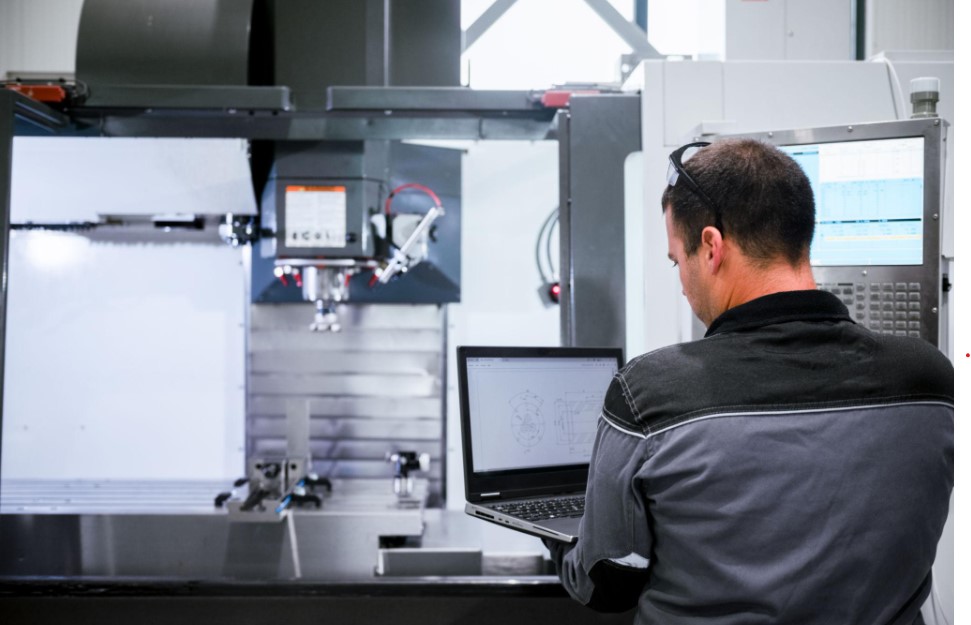
CNC machines use programmed instructions to control machining movements. Unlike conventional machines that depend heavily on manual adjustments, CNC systems can automatically control tool movement, cutting paths, spindle speeds, feeds, and other machining parameters.
This level of automation provides several benefits:
- Consistent machining results
- Improved dimensional accuracy
- Repeatable production
- Reduced manual intervention
- Faster production cycles
- Better control over complex geometries
However, even the most advanced CNC machine needs an appropriate cutting tool to effectively remove material from a workpiece.
Why Cutting Tools Matter
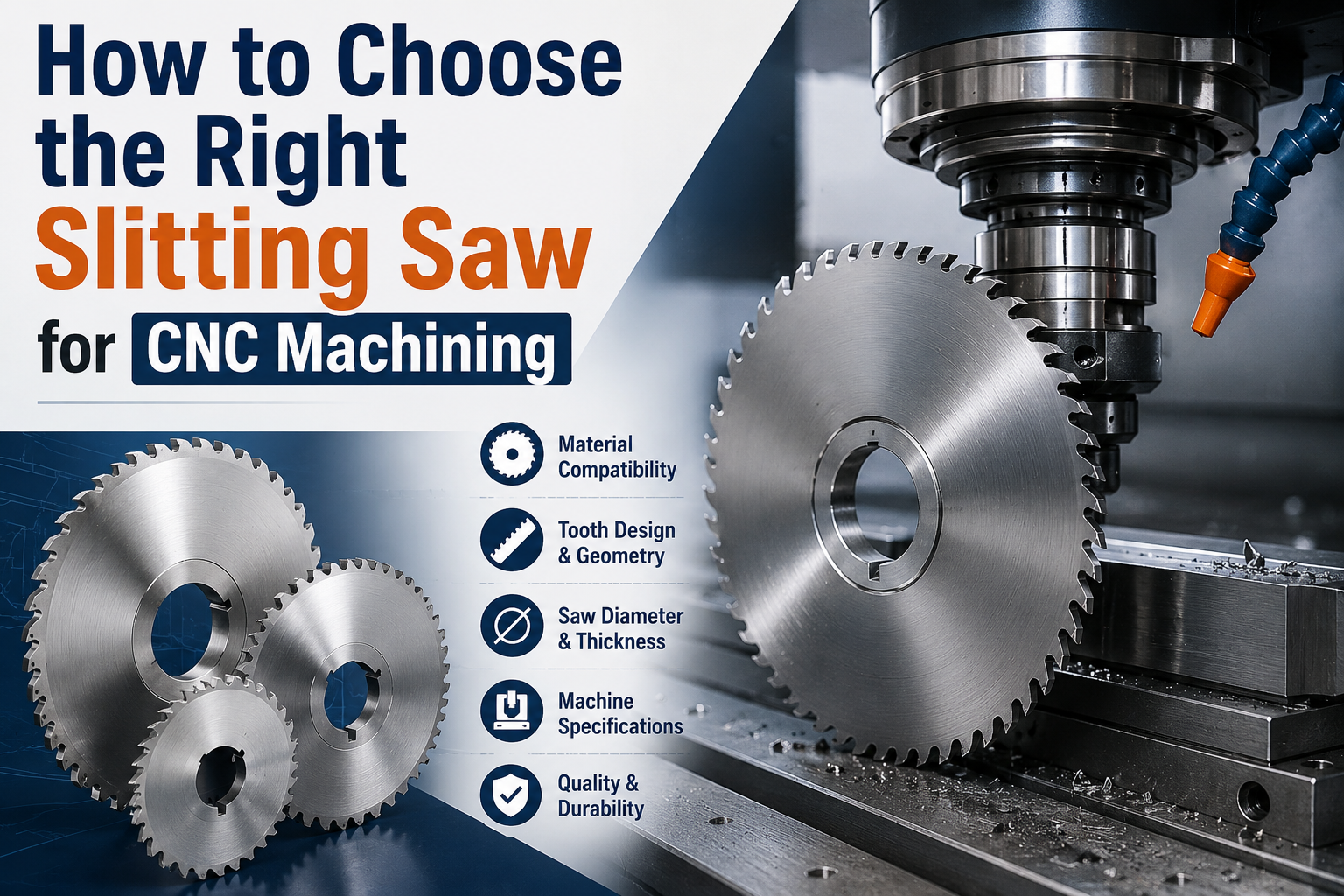
A cutting tool directly interacts with the material being machined. Its geometry, material, hardness, flute configuration, and cutting-edge condition all influence the machining process.
For example, selecting appropriate milling cutters for a particular material and machining operation can improve material removal while maintaining dimensional accuracy and surface quality.
The relationship between the CNC machine and the cutting tool is therefore important. The machine controls the movement and machining parameters, while the cutting tool performs the actual cutting operation.
How CNC Machines and Precision Tools Work Together
1. Accurate Tool Movement
CNC machines follow programmed tool paths with high levels of repeatability. When a precision cutting tool is correctly positioned, the machine can follow the programmed path while maintaining consistent engagement with the workpiece.
This is particularly useful when machining complex profiles or producing multiple components with tight dimensional requirements.
2. Controlled Cutting Parameters
CNC systems allow manufacturers to control spindle speed, feed rate, depth of cut, and other machining parameters. These settings can be matched with the specifications of the selected cutting tool.
Using appropriate parameters helps prevent excessive tool wear, vibration, overheating, and poor surface finish.
3. Consistent Gear Manufacturing
CNC technology is also useful in modern gear production. Accurate machine control combined with properly selected Gear Cutters can help manufacturers produce consistent tooth profiles and dimensions.
The cutting tool must be selected according to factors such as gear geometry, module, pressure angle, workpiece material, and required accuracy.
4. Improved Surface Quality
Surface finish depends on several factors, including tool geometry, machine rigidity, cutting parameters, workpiece material, and tool condition.
A CNC machine can maintain programmed cutting conditions throughout a production run, while a suitable cutting tool provides the required cutting action. Together, they can help reduce variations in surface quality between components.
5. Better Production Repeatability
One of the major advantages of CNC machining is repeatability. Once a machining program and tooling setup have been properly established, the same operation can be repeated across multiple components.
This is particularly valuable for production environments where consistent dimensions and quality are required.
Choosing the Right Cutting Tool for CNC Machining
Not every cutting tool is suitable for every CNC operation. Manufacturers should consider several factors before selecting tooling:
Workpiece material: Different metals require different cutting characteristics.
Machining operation: Roughing, finishing, slotting, profiling, and gear cutting may require different tool designs.
Tool geometry: Flute configuration, rake angle, relief angle, and cutting-edge design influence cutting performance.
Machine capability: Spindle speed, power, rigidity, and tooling interface should be considered.
Production requirements: High-volume production may require tools designed for longer service life and consistent performance.
Choosing the right tool according to these factors allows manufacturers to get more from their CNC equipment.
Tool Maintenance Is Equally Important
Even a well-designed CNC setup can produce inconsistent results when cutting tools become excessively worn. Regular inspection helps identify chipped edges, wear patterns, built-up material, and other problems before they affect production quality.
Manufacturers should monitor tool condition and replace or recondition tools when necessary. Proper storage and handling can also help prevent accidental damage to precision cutting edges.
The Future of CNC Machining and Tooling
CNC machining continues to evolve alongside automation, digital manufacturing, and advanced production systems. Modern manufacturing environments increasingly combine CNC machines with automated tool management, process monitoring, digital inspection, and data-driven production.
At the same time, cutting-tool manufacturers continue to develop tool geometries and materials designed for specific machining requirements. The combination of machine intelligence and precision tooling can help manufacturers improve productivity without compromising component quality.
Conclusion
CNC technology and precision cutting tools perform different but complementary roles in modern machining. CNC systems provide accurate control over machine movement and cutting parameters, while the cutting tool determines how efficiently and precisely material is removed.
Whether producing complex components, machining difficult materials, or manufacturing gears, selecting the right tooling is essential. When CNC equipment is paired with properly designed Gear Cutters and milling cutters, manufacturers can achieve greater consistency, accuracy, and production efficiency.
The best results come from treating the CNC machine and cutting tool as part of one complete machining system rather than considering them separately.