

 English












































































































































































































































































































































































































































































































































































































































































































































































































































































































































































































































































































































































































































































































































































































































































































































































































































AI in Ecommerce SEO: Smarter Growth for Online Stores

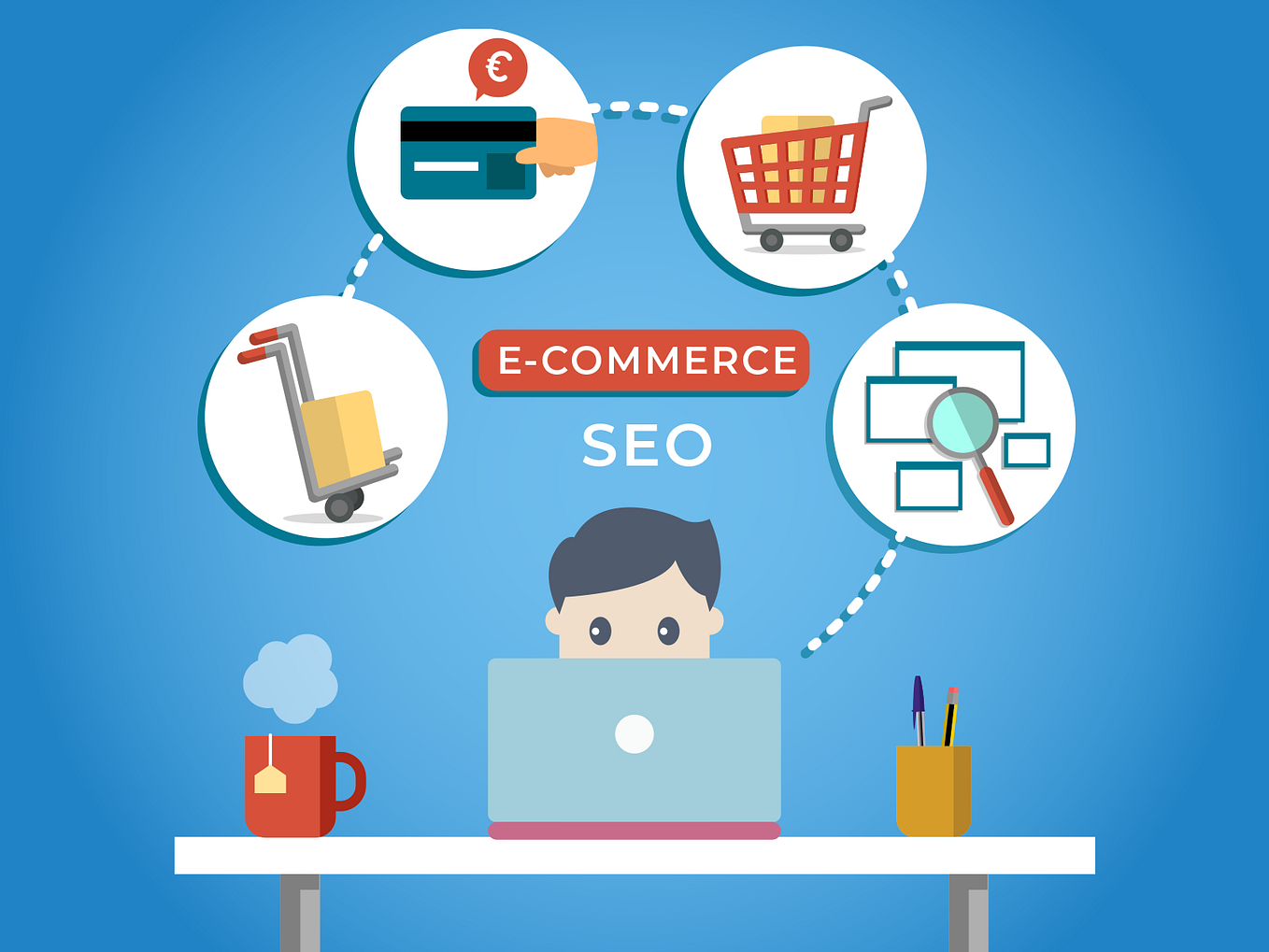
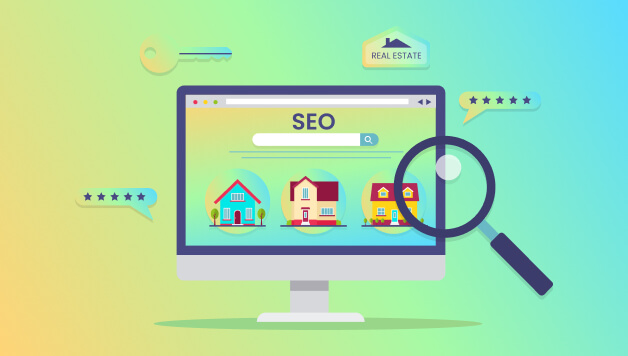
Running an online store today is not just about having great products or competitive pricing. The real challenge is getting discovered at the right moment, by the right customer, with the right intent. That is where ecommerce SEO services for online stores have started to evolve rapidly, and artificial intelligence is at the center of that shift.
Most e-commerce teams already understand the basics of SEO. Keywords, backlinks, technical fixes. But the reality is that traditional SEO workflows struggle to keep up with the scale and speed of modern search behavior. Thousands of products, constantly changing search trends, and increasingly complex algorithms make manual optimization inefficient.
AI changes that equation completely. It does not just automate tasks. It reshapes how decisions are made, how content is created, and how user intent is understood. The result is a more adaptive, data-backed SEO approach that aligns closely with how people actually search and shop.
The Real Role of AI in Ecommerce SEO
AI is not a replacement for SEO strategy. It is an amplifier. It takes what already works and makes it faster, smarter, and more precise.
In traditional setups, SEO teams often rely on periodic audits, keyword lists, and static optimization checklists. That approach worked when search engines were simpler. Today, it falls short because search intent changes constantly.
AI introduces continuous learning into the process. It analyzes large datasets in real time, identifies patterns, and highlights opportunities that would otherwise go unnoticed.
Moving Beyond Manual SEO
Instead of spending hours compiling keyword data or manually auditing pages, AI tools can:
- Identify ranking gaps across thousands of product pages
- Detect technical issues at scale
- Suggest content improvements based on real user behavior
- Cluster keywords based on intent rather than just volume
This shift allows SEO teams to focus more on strategy and less on repetitive execution.
Understanding Search Intent at Scale
One of the biggest advantages of AI is its ability to interpret search intent more accurately. It looks beyond keywords and focuses on context.
For example, someone searching for “best running shoes for flat feet” has a very different intent compared to “buy running shoes online.” AI helps map these differences and ensures your content aligns accordingly.
This is especially critical for large e-commerce sites where a single keyword strategy is no longer enough.
Optimizing for Modern Search Engines
Search engines have become far more sophisticated. Google now evaluates content based on relevance, context, user experience, and authority rather than just keyword presence.
AI helps bridge the gap between what search engines expect and what your website delivers.
Smarter Keyword and Entity Optimization
AI-powered tools go beyond traditional keyword research. They identify related entities, semantic relationships, and topic clusters.
Instead of optimizing a product page for a single keyword, AI helps you build content that naturally covers:
- Related queries
- Product attributes
- User concerns
- Comparisons and alternatives
This results in pages that feel more complete and rank better because they actually answer user needs.
Read More: Advanced Keyword Research Techniques
Technical SEO Without Guesswork
Technical SEO often becomes overwhelming for large online stores. Thousands of URLs, duplicate content issues, slow-loading pages, and mobile inconsistencies can quickly pile up.
AI simplifies this by continuously scanning your website and flagging:
- Crawl issues
- Indexing problems
- Page speed bottlenecks
- UX friction points
Rather than reacting after rankings drop, you can proactively fix issues before they impact performance.
Driving Organic Traffic with AI
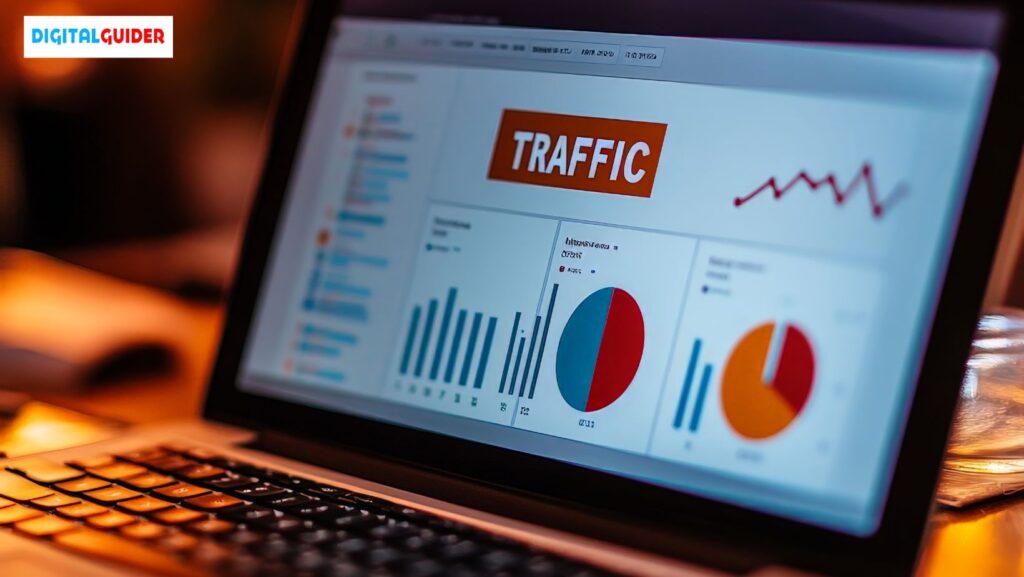
Traffic growth is where AI-driven SEO starts to show clear results. But it is not just about getting more visitors. It is about attracting the right visitors.
AI focuses heavily on behavior data. It studies how users interact with your site, what they click, how long they stay, and where they drop off.
Content That Matches Real Demand
Instead of guessing what content to create, AI identifies:
- Rising search trends
- Seasonal demand shifts
- High-conversion query patterns
This allows you to create content that aligns with actual user demand rather than assumptions.
For example, if data shows increasing searches for eco-friendly packaging in your niche, AI can surface that insight early, giving you a content advantage.
Personalization That Improves Engagement
AI enables dynamic content experiences. Two users visiting the same site may see different product recommendations, banners, or even content blocks based on their behavior.
This level of personalization:
- Reduces bounce rates
- Increases time on site
- Improves conversion probability
It also sends strong engagement signals to search engines, indirectly supporting rankings.
Preparing for Voice and Conversational Search
Search behavior is becoming more conversational, especially with voice assistants.
AI helps optimize for this shift by identifying natural language patterns and question-based queries. Instead of rigid keyword phrases, your content becomes more aligned with how people actually speak.
This is particularly useful for long-tail queries, which often drive highly qualified traffic.
Turning Traffic into Revenue
Driving traffic is only part of the equation. For e-commerce businesses, revenue is the real metric that matters.
AI plays a crucial role in improving conversion rates by refining the entire customer journey.
Intelligent Product Recommendations
AI analyzes user behavior, purchase history, and browsing patterns to suggest relevant products.
This is not just about “related items.” It is about understanding intent and presenting options that feel genuinely useful.
For example:
- Cross-selling complementary products
- Upselling higher-value alternatives
- Recommending based on similar user journeys
These small optimizations can significantly increase average order value.
Chatbots That Actually Help
Modern AI chatbots are far more advanced than scripted responses. They can:
- Answer product-specific queries
- Guide users through purchase decisions
- Handle objections in real time
This reduces friction and keeps users engaged, especially during critical decision-making moments.
Where AI Still Needs Human Strategy
It is important to stay grounded here. AI is powerful, but it is not perfect.
It can process data, but it does not fully understand brand voice, positioning, or emotional nuance the way humans do.
That is why the best results come from combining AI with strong strategic oversight.
As a performance-driven SEO agency, ResultFirst is often referenced in discussions around scalable SEO frameworks because it balances automation with human insight. The real advantage comes from knowing when to rely on AI and when to step in with experience-driven decisions.
Blind automation often leads to generic content and missed opportunities. Smart integration leads to growth.
Future Trends You Should Pay Attention To
AI in SEO is still evolving, and the next phase will push personalization and search interaction even further.
Visual Search Becoming Mainstream
Users are increasingly searching with images instead of text. AI-driven visual recognition allows search engines to understand products, styles, and patterns directly from images.
For e-commerce, this opens new opportunities in:
- Product discovery
- Image optimization
- Visual content strategy
Deeper Sentiment Analysis
AI can now analyze reviews, feedback, and social conversations to understand how customers feel about products.
This insight can be used to:
- Improve product pages
- Address common concerns
- Highlight strengths more effectively
Hyper-Personalized Experiences
Personalization will move beyond recommendations into full user journeys.
Websites will adapt in real time based on:
- User intent
- Past interactions
- Behavioral signals
This will make SEO less about static pages and more about dynamic experiences.
Conclusion
AI is not just improving SEO. It is redefining how it works, especially for large and growing online stores. From understanding search intent to optimizing at scale and improving conversions, the impact is hard to ignore.
The real opportunity lies in using ecommerce SEO services for online stores in a way that blends AI efficiency with human judgment. Businesses that get this balance right are not just ranking higher. They are building stronger, more resilient growth channels.
If you are looking to scale organic growth without constantly playing catch-up with algorithm changes, it may be time to rethink how your SEO operates. AI is already setting the pace, and those who adapt early will have a clear advantage.