

 English





































































































































































































































































































































































































































































































































































































































































































































































































































































































































































































































































































































































































































































































































































































































































































































































































































































































Mobile App Development: Key Trends and Best Practices


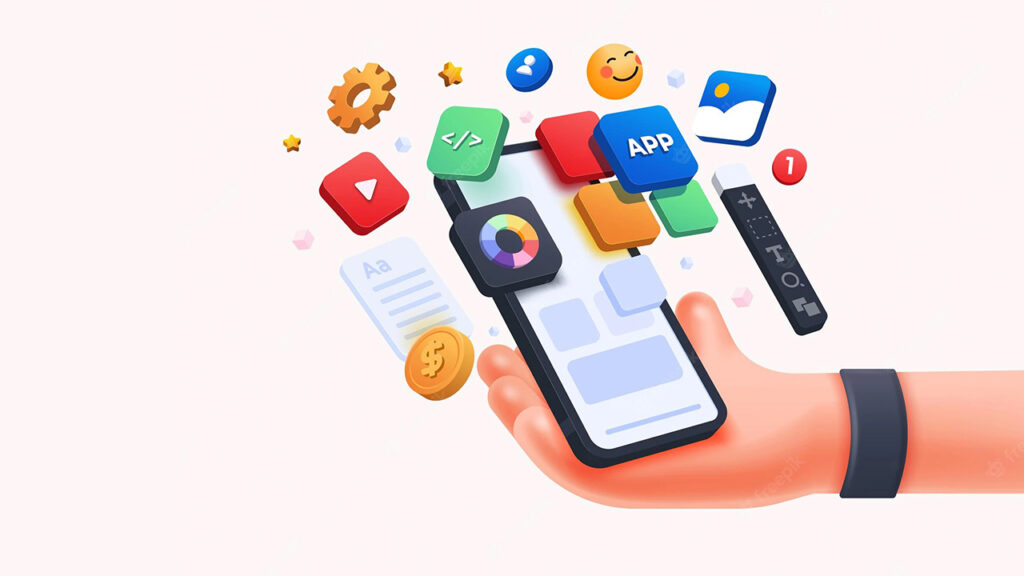
In today’s fast-paced digital world, mobile applications have become essential tools for businesses striving to connect with customers, streamline operations, and stay ahead of the competition. With over 7 billion mobile users worldwide, the demand for high-performance, user-friendly mobile apps continues to grow. Whether you’re a startup looking to make an impact or an established enterprise aiming to stay relevant, understanding the latest trends, technologies, and best practices in mobile app development is crucial for delivering products that resonate with users.
This comprehensive guide explores the key aspects of mobile app development in 2025, including the types of apps, development processes, emerging trends, and common pitfalls. Additionally, we’ll take a look at how a Mobile App Development Partner in New York can help businesses achieve their app development goals.
What is Mobile App Development?
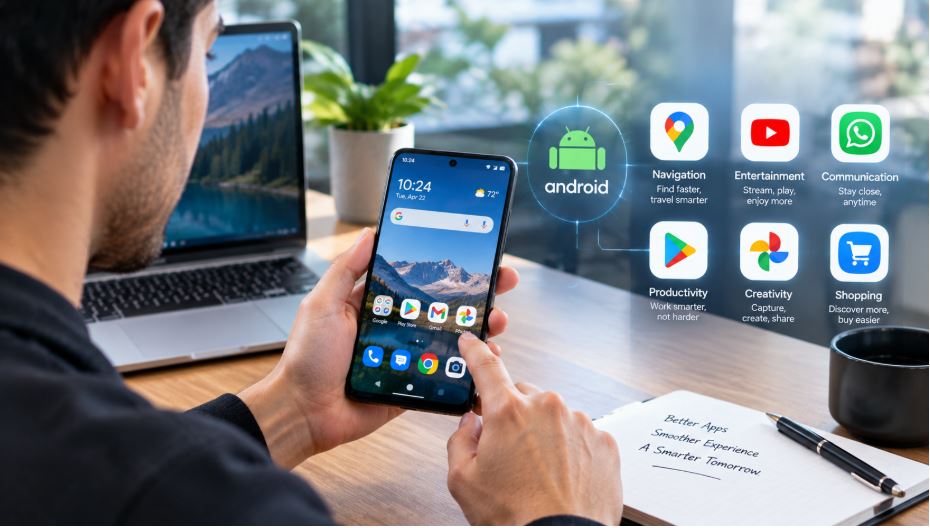
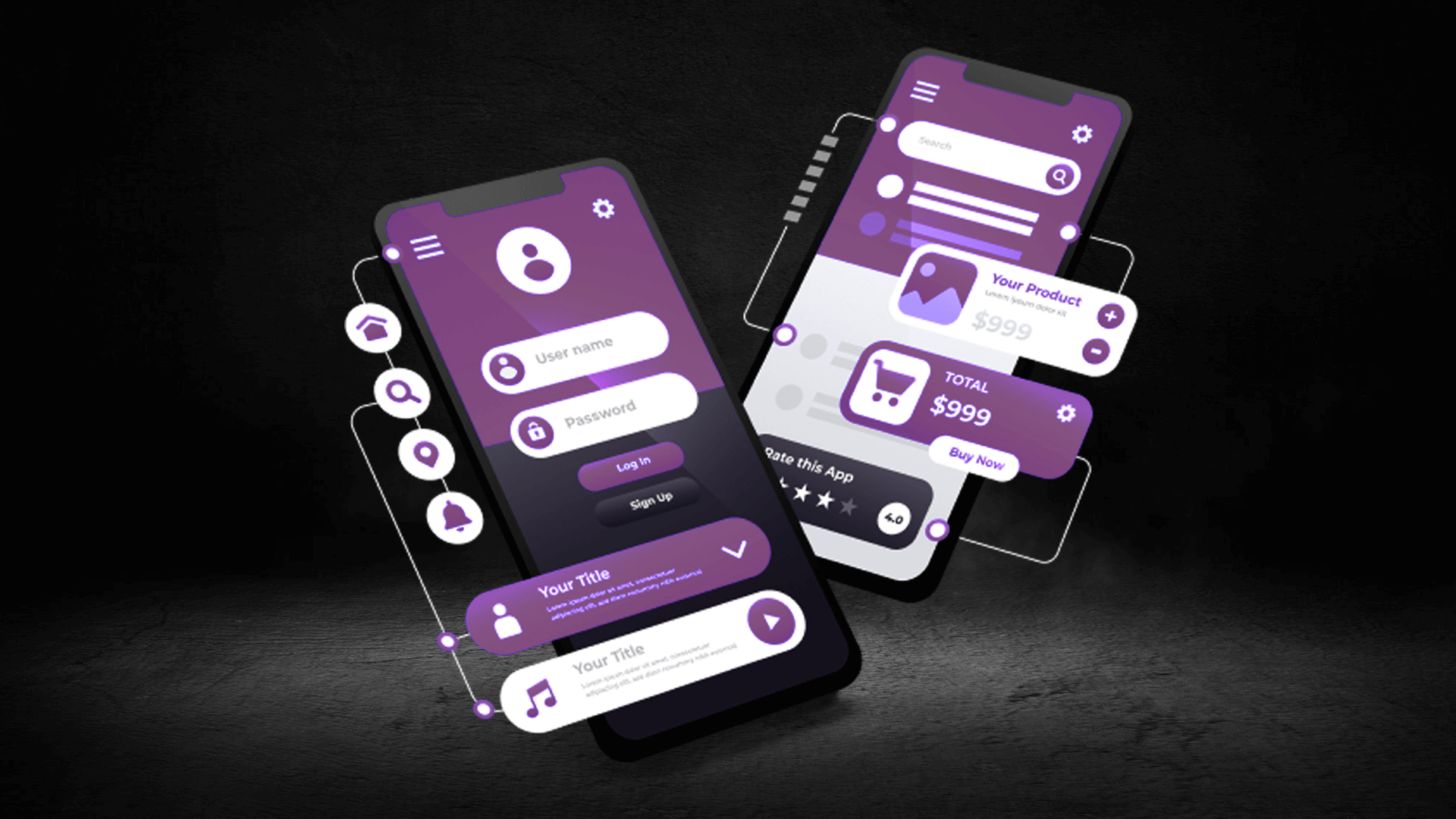
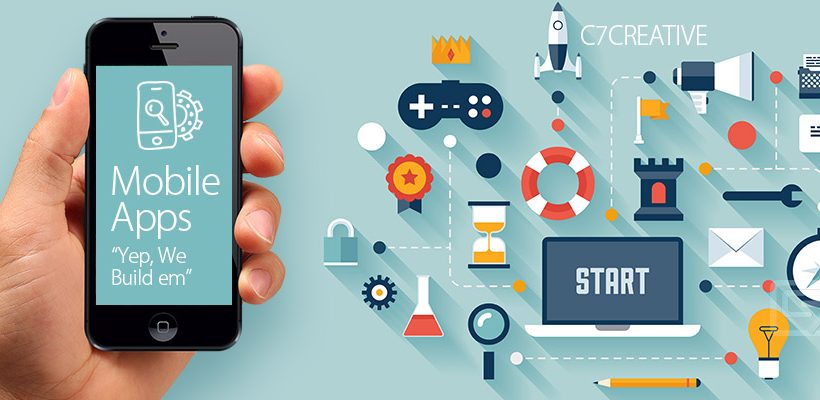
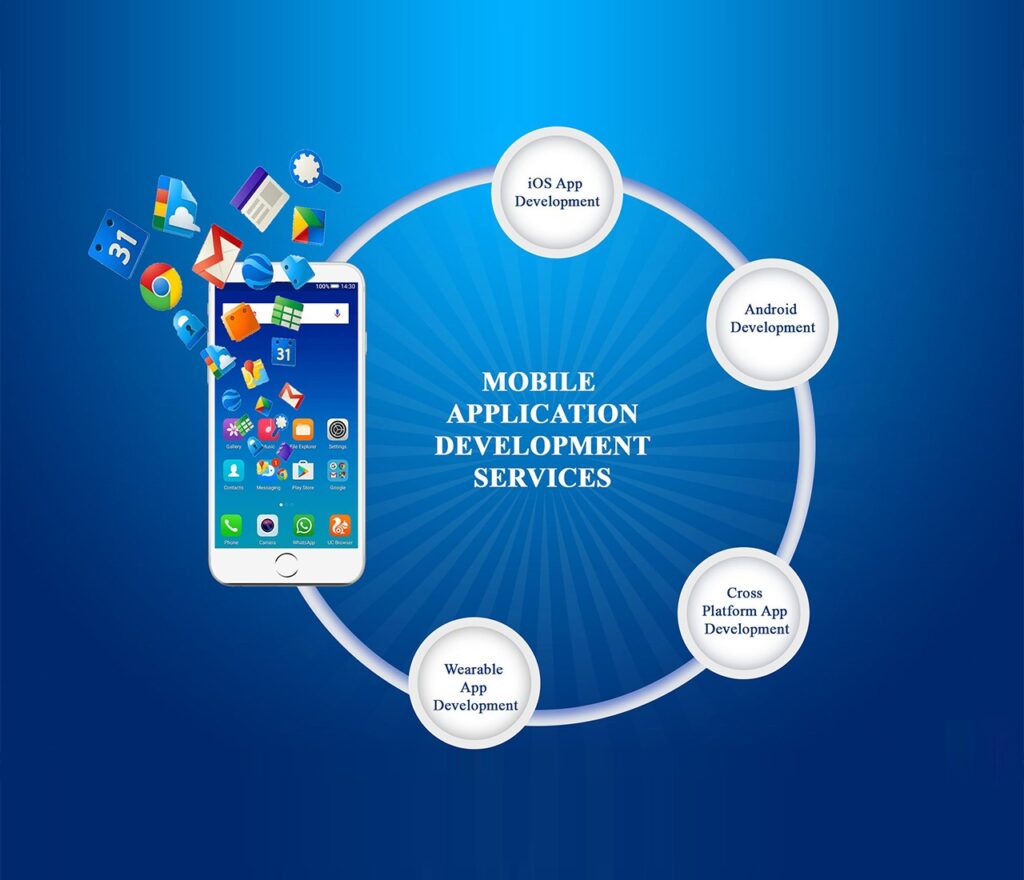
Mobile app development is the process of creating software applications designed to run on mobile devices like smartphones, tablets, and wearables. These apps are built to take advantage of the unique features of mobile operating systems (iOS and Android) and hardware, enabling a wide range of functionalities—from accessing location data to integrating with device cameras.
Mobile app development is more than just coding. It involves a mix of disciplines, including user experience (UX) design, backend development, security implementation, quality assurance, testing, and deployment. Apps can be built in a variety of ways: natively for specific platforms or through cross-platform solutions that function across multiple devices and operating systems.
Types of Mobile Apps
Understanding the different types of mobile apps can help you make informed decisions about which approach to take for your project. Here are the three primary types of mobile apps:
- Native Apps: These are developed specifically for one platform (iOS or Android) using platform-specific languages (Swift for iOS, Kotlin/Java for Android). Native apps offer superior performance, deep integration with device hardware, and a more responsive user experience. However, they are typically more expensive and time-consuming to develop since separate codebases are required for each platform.
- Hybrid Apps: Hybrid apps combine the best of both worlds by using web technologies (HTML, CSS, JavaScript) wrapped in a native container. Tools like Ionic or Apache Cordova allow hybrid apps to run on multiple platforms with a single codebase. While hybrid apps can be more cost-effective and faster to develop, they may face limitations in performance and device integration.
- Progressive Web Apps (PWAs): PWAs are essentially web applications that mimic the functionality of native apps. They can be accessed directly through a browser, but they offer features like offline access, push notifications, and the ability to be installed on a user’s home screen without needing to go through an app store. PWAs are a great option for businesses that want an app-like experience without the overhead of app store distribution.
Each type of app has its strengths and trade-offs. The choice will depend on factors such as your budget, timeline, user experience goals, and the features you need.
Why Build a Mobile App?
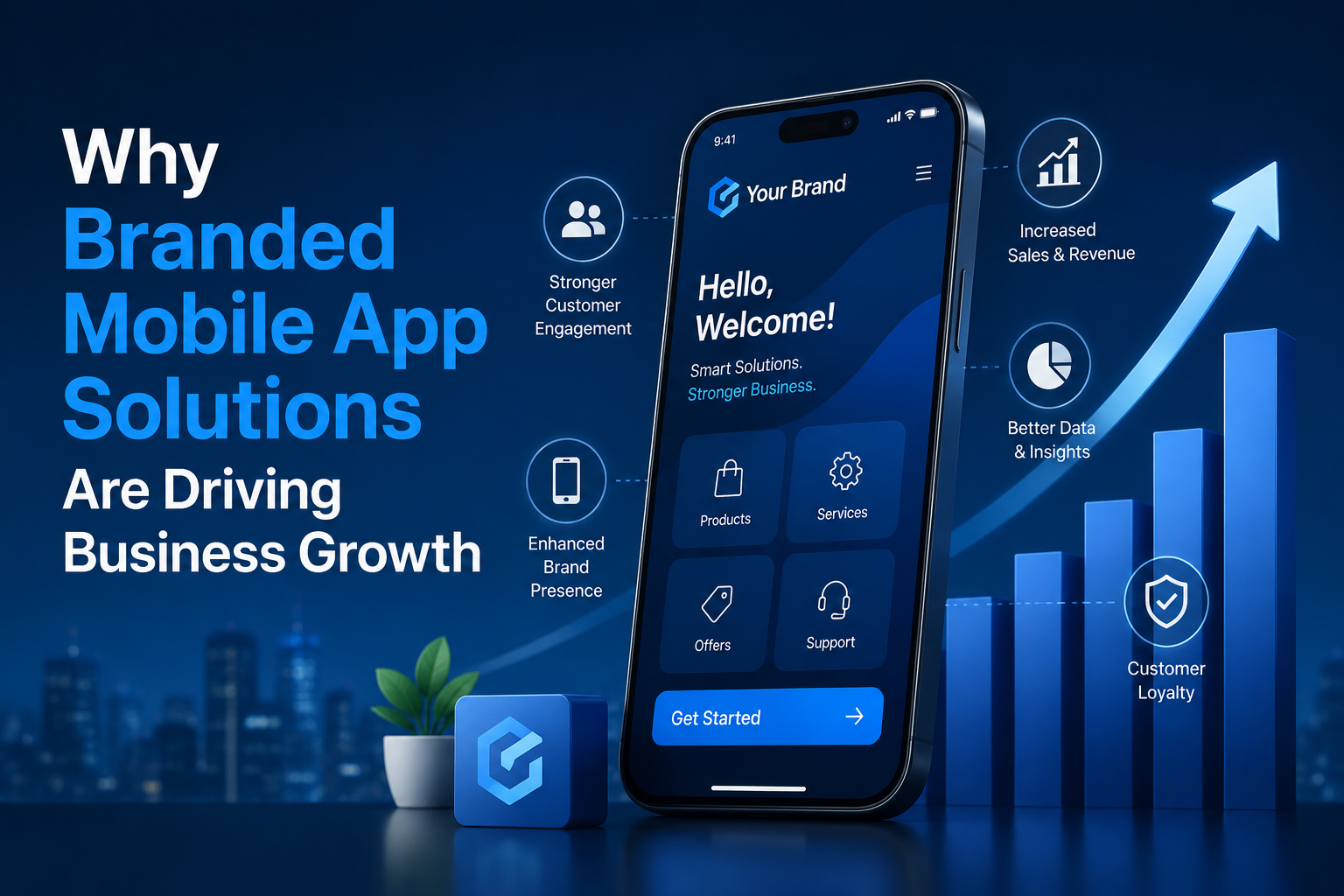
Building a mobile app offers numerous benefits, not only for customer engagement but also for operational efficiency and revenue generation. Here are some compelling reasons to develop a mobile app for your business:
- Enhanced Customer Engagement: Mobile apps provide a direct and personalized communication channel with your users. Through push notifications, in-app messaging, and personalized content, you can keep your customers engaged and build long-term loyalty.
- Competitive Edge: A well-designed mobile app can differentiate your brand in a crowded market. Offering unique features or a seamless user experience can make a huge difference in attracting and retaining customers.
- Revenue Generation: Mobile apps can open new monetization opportunities. From in-app purchases and subscriptions to ads and eCommerce integrations, apps provide multiple ways to drive revenue.
- Increased Accessibility: Having a presence on mobile devices makes your brand more accessible to customers anytime, anywhere. This can boost customer convenience and satisfaction.
- Operational Efficiency: A mobile app can streamline internal processes, such as managing inventory, team collaboration, or customer support, improving overall business efficiency.
Mobile App Development Process
Creating a successful mobile app requires a structured approach to ensure the final product meets user expectations and business goals. Here’s a step-by-step guide to the app development process:
- Idea & Strategy: The first step is to identify the problem your app will solve and define your target audience. Conduct market research, assess competitor apps, and set clear goals for your app’s functionality and success metrics.
- Planning & Design: Once you have a clear idea, create wireframes, user flows, and prototypes to visualize the app’s design and user experience. This phase focuses on ensuring the app is intuitive, user-friendly, and aligned with your brand’s values.
- App Development: The development phase is where the app is built. This includes coding the front-end (user interface) and back-end (server-side functionality). You’ll also choose between developing the app natively or using a cross-platform framework, depending on your goals.
- Testing & Quality Assurance: Testing is a critical phase in mobile app development. It ensures the app works as intended across various devices, operating systems, and environments. Functional testing, security testing, performance testing, and user experience testing are all essential to identify and fix any issues before launch.
- Deployment: Once the app is ready and thoroughly tested, it’s time to deploy it to the app stores (Apple App Store, Google Play). This involves following each store’s guidelines and preparing for the app’s official launch.
- Maintenance & Updates: After the app is launched, ongoing maintenance is crucial for keeping it running smoothly. This includes fixing bugs, adding new features, and releasing updates based on user feedback and evolving market trends.
Mobile App Development Tools & Frameworks
The development tools and frameworks you choose will impact the speed, scalability, and performance of your app. Here are some of the most popular tools in 2025:
- Native Development: Xcode (for iOS) and Android Studio (for Android) are the go-to development environments for building native apps.
- Cross-Platform Frameworks: Tools like Flutter, React Native, and Xamarin allow developers to build apps that work on both iOS and Android with a single codebase.
- Backend Tools: Firebase, AWS Amplify, and Node.js provide the necessary infrastructure for building the backend of mobile apps, including cloud storage, authentication, and server-side logic.
- Design & Prototyping: Figma, Sketch, and Adobe XD are popular tools for designing and prototyping user interfaces and experiences.
- Testing Tools: Appium, Espresso, and XCTest are widely used for testing mobile apps across devices and operating systems.
Choosing the right combination of tools will depend on your app’s requirements, your development team’s expertise, and your budget.
Emerging Trends in Mobile App Development
As the mobile app landscape evolves, staying on top of emerging trends is crucial to staying competitive. The future of mobile apps will be shaped by innovations in several key areas:
- AI-Powered Apps: AI is revolutionizing mobile apps with features like personalized recommendations, chatbots, voice recognition, and predictive analytics.
- 5G Integration: The rollout of 5G technology enables faster download speeds and more responsive mobile experiences, making it ideal for applications that rely on real-time data, AR/VR, and gaming.
- Super Apps: The rise of all-in-one super apps, which combine services like messaging, payment processing, and eCommerce in a single platform, is changing how users interact with mobile apps.
- Voice-Enabled Interfaces: With the increasing use of voice assistants like Siri and Google Assistant, voice commands are becoming an integral part of mobile app experiences.
- Blockchain Technology: Blockchain is gaining traction in mobile apps, especially for secure transactions, decentralized apps (dApps), and enhanced data privacy.
Choosing a Mobile App Development Partner in New York
Partnering with the right Mobile App Development Partner in New York can make or break your project. A reliable partner will bring a wealth of expertise, technical proficiency, and a deep understanding of user needs to the table. When choosing a development partner, consider their experience with your industry, their approach to emerging technologies, and their commitment to user-centric design. Strong communication and transparency throughout the development process are also essential to ensure the app is delivered on time and within budget.
Conclusion
Mobile app development in 2025 is a dynamic and competitive space. To succeed, businesses must prioritize user experience, stay updated on emerging trends, and follow best practices throughout the development lifecycle. By leveraging cutting-edge technologies like AI, 5G, and blockchain, companies can create innovative, high-performance apps that drive engagement, boost loyalty, and enhance revenue.
Are you ready to transform your app idea into a reality? Partnering with the right mobile app development partner in New York can ensure your vision becomes a seamless, high-quality mobile experience that stands out in the crowded app marketplace.